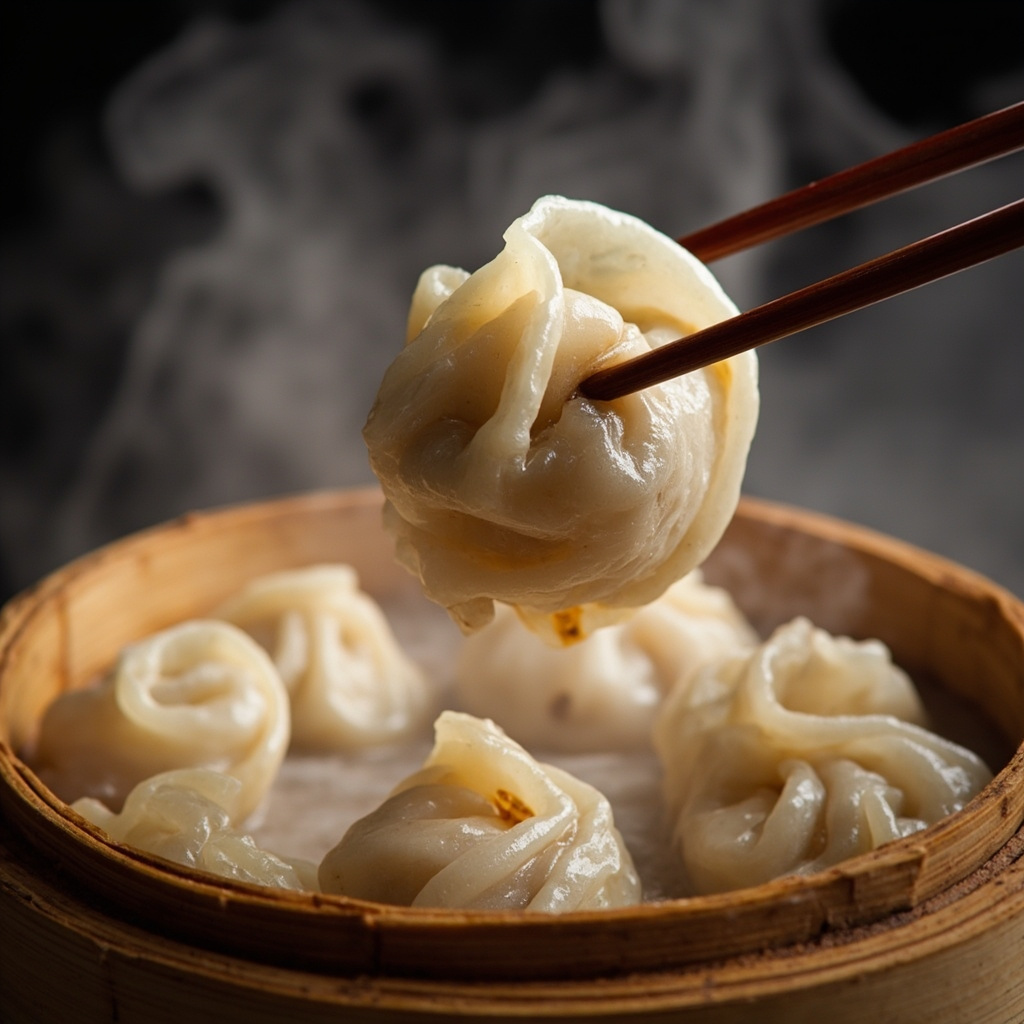
Why Is Chinese Street Food So Popular?
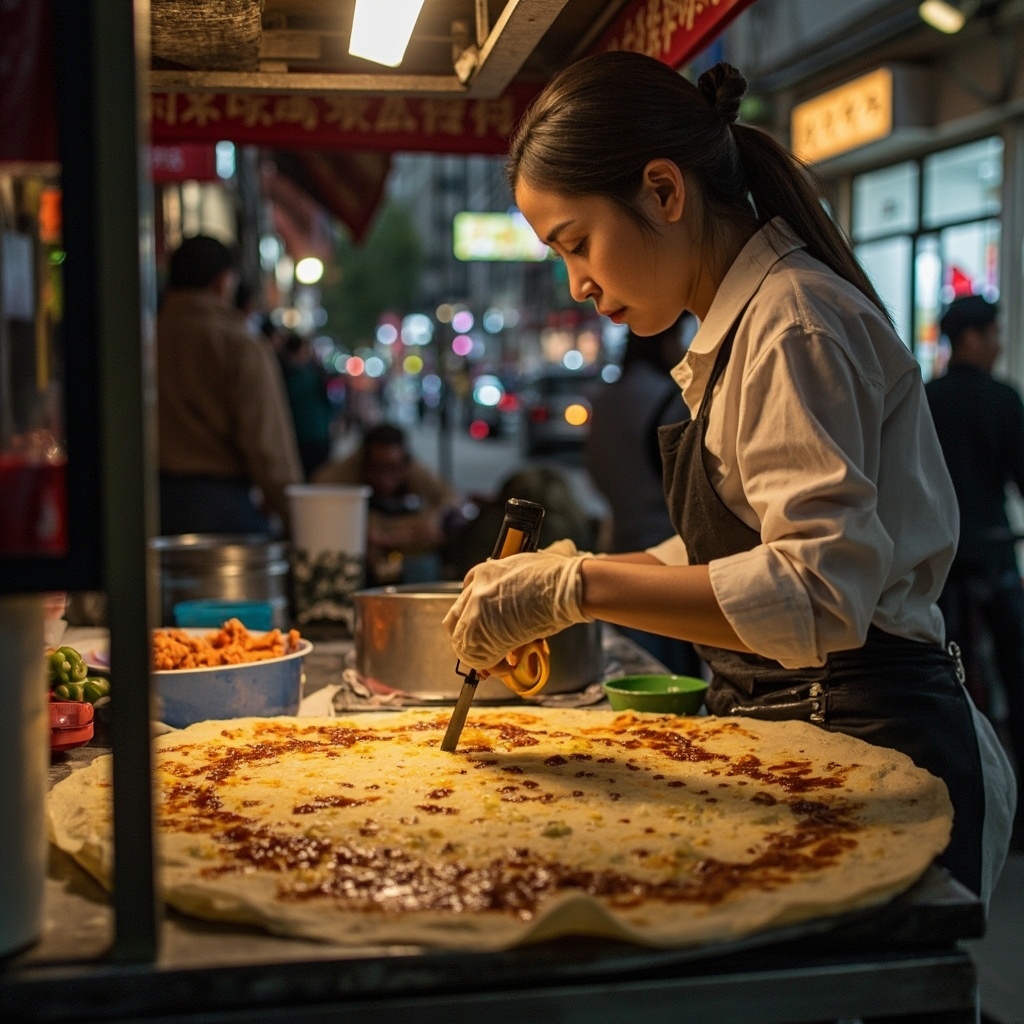
Why Is Chinese Street Food So Popular?
Ask any foreigner who has visited China what they remember most and almost everyone mentions the street food. Not the fancy restaurant meals — the real memory is always the same: a woman flipping jianbing on a street corner at 7am, the smell of lamb skewers charcoal-grilling on a busy intersection at midnight, steam rising from bamboo baskets of xiaolongbao in a cramped night market alley.
Street food in China is not just food. It is a way of life.
## It Goes Back Thousands of Years
Chinese street food culture is ancient. Markets selling ready-to-eat food have existed in China since at least the Tang Dynasty (618-907 CE). Cities had bustling food streets where vendors sold everything from noodles to steamed buns to fried rice cakes.
During the Song Dynasty (960-1279 CE), street food became even more organized. Historical records describe entire streets dedicated to specific foods — one street for dumplings, another for sesame seed cakes, another for soy milk and youtiao (fried dough sticks).
The fundamental reason street food thrived in China is the same reason it thrives today: it is fast, cheap, and filling. For working people who did not have time or money for formal meals, street vendors provided the calories to keep going.
## Why It Never Died Out
In most developing countries, as cities modernized and western fast food chains arrived, traditional street food declined. In China, it not only survived — it exploded.
There are a few reasons for this. First, Chinese food culture is fundamentally different from Western food culture when it comes to what people consider restaurant food. In the West, street food is seen as cheap and low-status. In China, some of the most prestigious and expensive meals are eaten at home or in fine dining restaurants — and street food is its own respected category. The best jianbing maker in Beijing is not trying to be a restaurant. They are perfecting one thing, and that is enough.
Second, Chinese local governments have historically tolerated street vendors more than governments in other countries. Yes, there have been crackdowns — especially before big events when cities wanted to look clean. But overall, street food has been treated as a legitimate part of urban life rather than something to be eliminated.
Third, the economics just work. A street food vendor can start their business with a cart and a wok. That low barrier to entry means new vendors constantly appear, filling every available corner of urban space with something delicious.
## What Makes Chinese Street Food Different
Walk through any Chinese city and you will notice something: the variety is staggering. In a single block you might find someone selling jianbing (Chinese savory crepe), a cart with steamed corn buns, a grill with lamb skewers, a wok doing fried rice with egg, and a pot of congee with pickles.
This variety is not random. It reflects how Chinese street food developed — each vendor specializes in one or two items and does them extremely well. You do not go to the jianbing lady expecting fried noodles. You go to her for the best jianbing in the neighborhood.
Another thing that surprises foreigners: breakfast street food in China is just as important as evening street food. In fact, Chinese people famously complain that Western breakfasts (cereal, toast) are not filling enough. The ideal Chinese breakfast is something hot and savory — and most of it comes from street carts. Jianbing, baozi (steamed buns), youtiao (fried dough sticks), soy milk — all of it available from vendors starting around 6am.
## The Night Market Culture
If morning street food is about starting the day, night markets are where Chinese street food culture really shines.
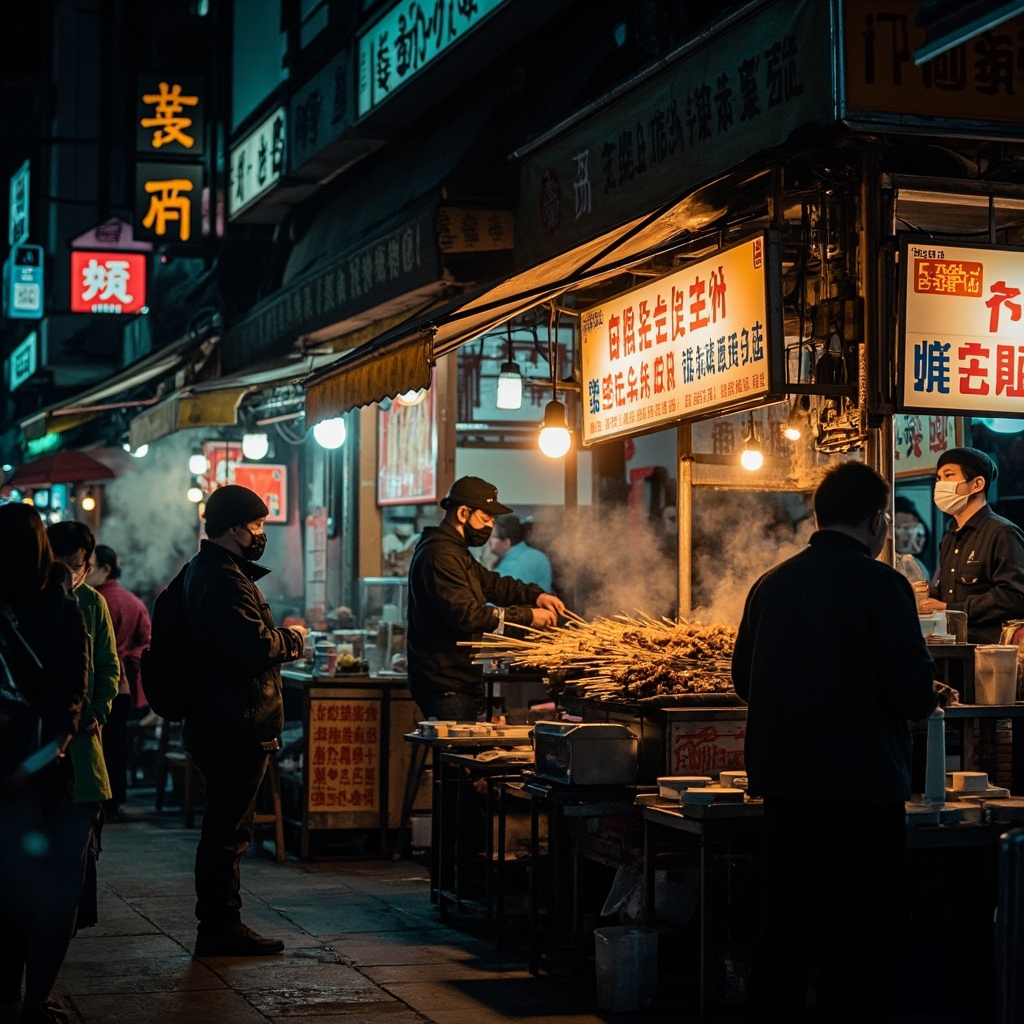
Night markets have been a feature of Chinese cities for centuries. After the workday ends, vendors set up stalls, string up lights, and cook everything imaginable. You can eat your way across China in a single night market — Sichuan spicy hotpot, Guangzhou clay pot rice, Nanjing duck blood soup, Shanghai stinky tofu.
Night markets are social spaces as much as food spaces. Friends meet at night markets to share food, drink beer, and hang out. The noise, the smoke, the chaotic energy — it is an experience that no Western fast food chain can replicate.
## The Gross Factor
Let us address the elephant in the room: some Chinese street food scares Westerners away.
Stinky tofu — fermented tofu that smells like garbage — is basically a dare. Chicken feet look disturbing to people who grew up eating only breast meat. Pork blood soup sounds disgusting until you try it.
Here is the thing though: every culture has its disgusting foods that locals love. Americans eat peanut butter and jelly sandwiches that confuse most Chinese people. Brits eat Marmite. The gross Chinese street food is no different — it is just unfamiliar.
And honestly? Most of the street food that Westerners find scary is actually delicious once you get past the mental barrier. Stinky tofu is crispy outside, soft inside, and has an umami flavor that is completely unique. The first bite is the hardest. After that, you are hooked.
## Why It Is Having a Global Moment
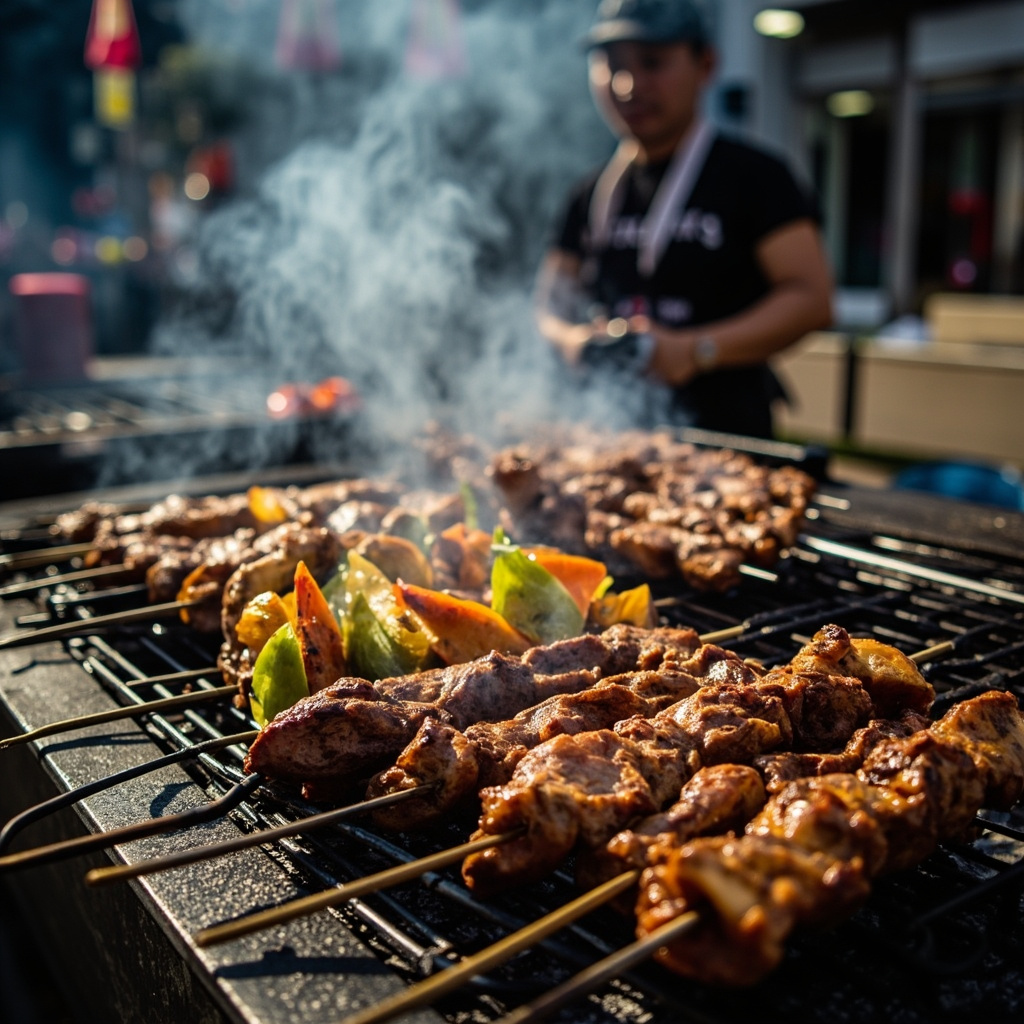
Chinese street food has exploded worldwide over the past two decades. You can find jianbing carts in Brooklyn, xiaolongbao restaurants in London, and lamb skewer vendors in Berlin. Food apps like YouTube and TikTok have spread Chinese street food culture globally.
Part of this is because Chinese diaspora communities have brought their food wherever they went. But a bigger part is that the world is finally waking up to what Chinese food actually is. For most of the 20th century, Chinese food in the West meant sweet and sour pork, chop suey, and orange chicken — dishes that do not really exist in China in any recognizable form. Now, as more Westerners travel to China and more Chinese food content is shared online, people are discovering the real deal.
And what they are discovering is that the best Chinese food is often not in restaurants — it is on the street.