Why Is Chinese Food Served Family-Style?
Why Is Chinese Food Served Family-Style?
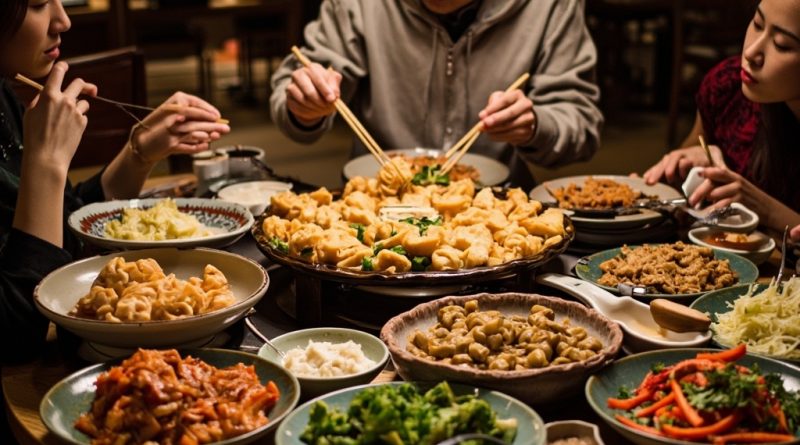
If you have ever been to a Chinese restaurant — whether in China or at an authentic Chinese restaurant abroad — you probably noticed something different from Western dining. Instead of each person getting their own plate with their own portion of meat, vegetables, and starch, everything arrives in the middle of the table. Multiple dishes. Shared. Everyone eats from the same plates.
This is called family-style dining, and it is not just a Chinese restaurant quirk. It reflects something deep in Chinese culture about how meals are supposed to work.
## The Basic Setup
In a typical Chinese family meal, the center of the table holds a Lazy Susan or just a big plate. On it: rice in a bowl (always for each person), plus a rotating selection of dishes — some vegetables, some meat, some fish, maybe a soup. Each person eats their rice and takes small portions of the shared dishes with their chopsticks.
The portions are not huge individual servings. They are meant to be shared. You take what looks good, eat some rice, take something else. The meal is collaborative.
This confuses many Westerners who grew up with the “plate system” — where each person has their own protein, starch, and vegetables neatly divided. In China, that would feel strange, even antisocial.
## Where This Comes From
Family-style dining did not just appear randomly. It evolved over thousands of years alongside the fundamental structure of Chinese society.
The core reason is simple: rice. As we discussed in another article, rice is the foundation of the Chinese meal. And rice is cheap, plentiful, and easy to portion individually. The cai — the dishes — are there to make the rice interesting. Since cai was historically expensive and scarce, the practical solution was to make small portions and share them. That way, a family could have variety without everyone needing a full portion of every dish.
This economic logic persisted even as Chinese households became wealthier. By the time China had a large middle class, family-style sharing was so deeply embedded in the culture that it was no longer about economics. It was about identity.
## The Confucian Dimension
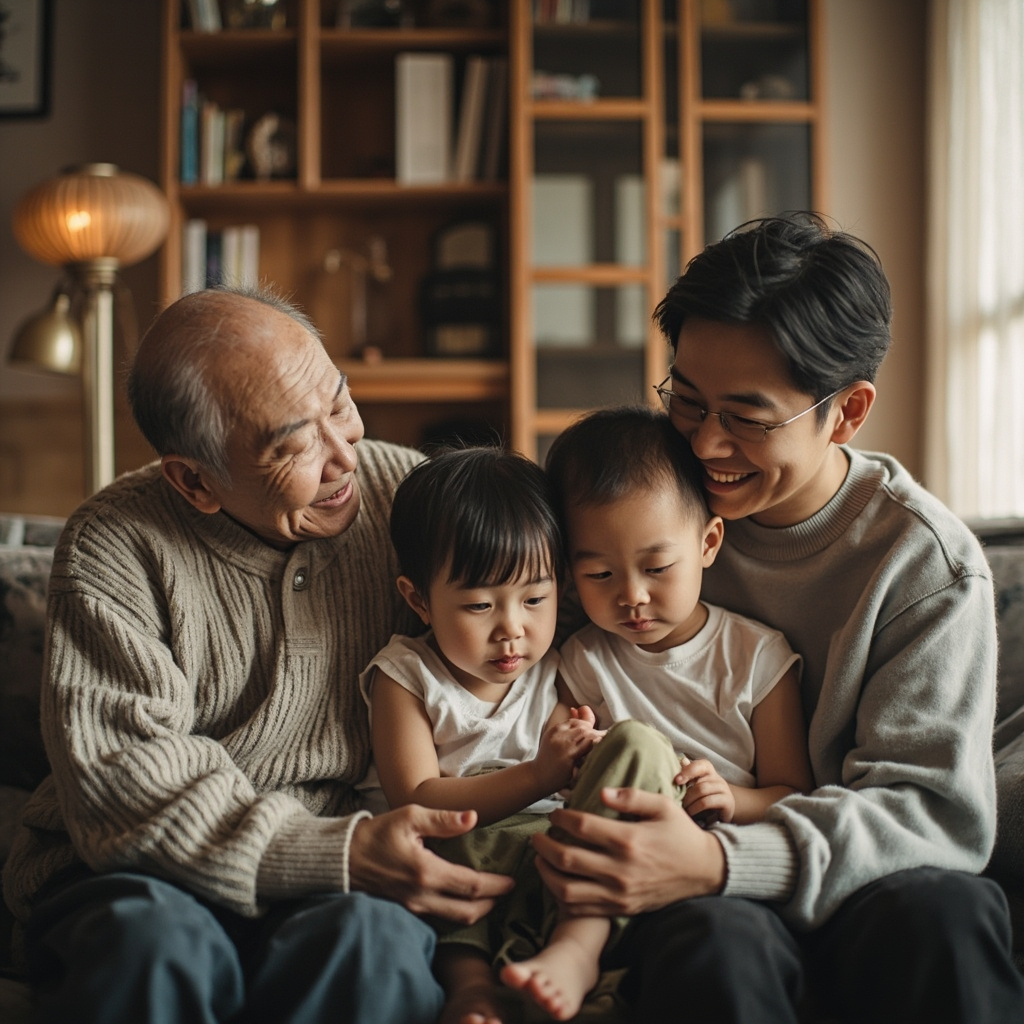
Confucian philosophy, which shaped Chinese society for over 2,000 years, adds another layer. In Confucian thought, the family is the fundamental unit of society. Harmony within the family translates to harmony in the broader world.
Shared dining reinforces this. When everyone eats from the same dishes, nobody is separate from the group. The eldest or most senior person at the table is typically served first, and there are unwritten rules about which dishes are “for” which family members. The meal becomes a ritual of family cohesion, not just nutrition.
This is why in Chinese家庭 (jiating, family/household) culture, refusing to eat with the family is a big deal. It signals that you do not want to be part of the family. Conversely, coming home for dinner is an expression of belonging.
## The Social Eating Culture
Family-style dining also reflects how Chinese people understand the purpose of a meal. In Western dining, the meal is often about the food itself — experiencing specific flavors, appreciating technique, enjoying a carefully composed plate. In Chinese dining, the food is the excuse for something more important: social connection.
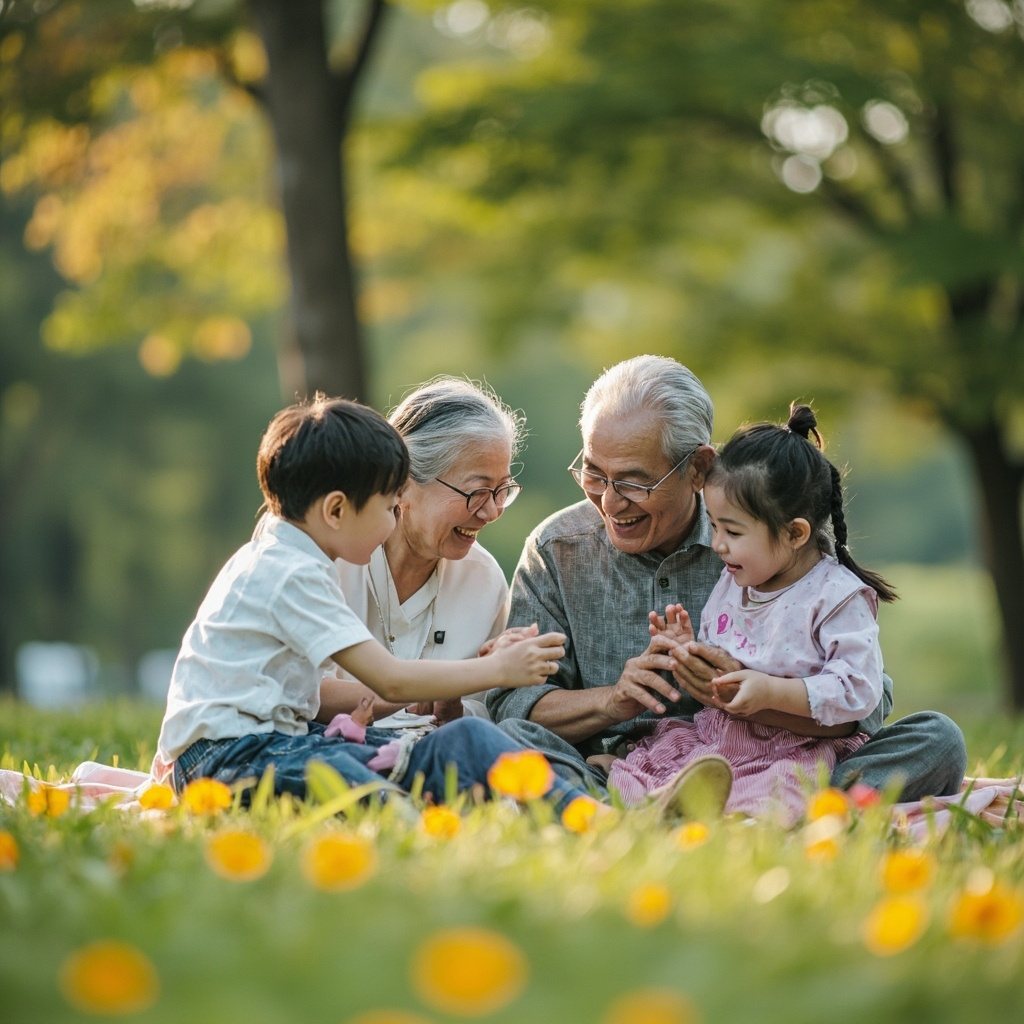
A Chinese dinner is not really about the dishes. It is about the table conversation, the pouring of wine or tea, the passing of favorite pieces to a child or elder, the jokes and arguments and gossip that happen over rice. The shared dishes create a structure for this interaction — everyone is participating in the same experience.
This is why Chinese business deals happen over banquet tables. It is why Chinese families consider sitting down to dinner together non-negotiable. The shared meal is the ritual that maintains social bonds.
## The Practical Benefits
Beyond philosophy and culture, family-style dining has practical advantages that helped it persist.
First, it allows for variety. A family of four might want to eat beef, fish, and vegetables. In a Western plate system, each person picks one. In a Chinese family-style meal, everyone eats everything, just in small amounts. You get to experience all the flavors without being locked into your own portion.
Second, it makes portion control easier. Since cai is shared and rice is the constant, people naturally balance how much protein and vegetables they eat against their rice. The variety keeps the meal interesting while the rice keeps you full.
Third, it is efficient. Cooking multiple small dishes takes less time and energy than cooking individual portions of everything. For busy families, this matters.
## The Rules (Yes, There Are Rules)
Westerners eating at a Chinese family table for the first time often feel uncertain about etiquette. Here are some things that are understood without being said:
The best piece of fish or the most prized part of the chicken is typically offered to the eldest person first. Turning over a fish bone neatly shows you know what you are doing. Leaving a piece of rice in your bowl when you are full signals you have had enough — unlike Western dining where clearing your plate means you liked it.
Chopsticks make sharing natural — you pick up a piece, dip it in your personal sauce dish, eat it with rice. No utensils touch your mouth and then touch the shared plate (which is why double dipping is not the social catastrophe it might be elsewhere).
The host at a restaurant table will order more food than the group can finish. This is intentional. An empty table signals stinginess. Leftovers are normal and expected.
## How This Differs From Western Dining
Let us be concrete. In an American restaurant, you order an entrée and it arrives on your plate. You eat your portion. If you want to try your dining companion is entrée, you ask for a taste. Sharing is optional and polite. The meal is fundamentally individual.
In a Chinese restaurant, you order dishes for the table. Everything arrives in the center. You take portions of each dish, mixing them with rice. You rarely eat any single dish in isolation. The meal is fundamentally communal.
Neither system is better. But they reflect different values. Western dining emphasizes individual choice and personal experience. Chinese dining emphasizes group harmony and shared enjoyment.
## Why This Matters to Foreigners
Understanding family-style dining is essential for navigating China — whether you are eating at a colleagues home, doing business over a banquet, or just trying not to embarrass yourself at a restaurant.
The most common mistake foreigners make is treating the shared dishes like a buffet — loading up their plate with one or two dishes and eating them in isolation. This reads as greedy and unsophisticated. The right move is to take small portions of several dishes, mix them with rice, and always leave something on the table.
Another common mistake: asking for a fork. Chopsticks are not optional at an authentic Chinese table. If you do not know how to use them, now is a good time to learn.
## The Takeaway
Chinese food is served family-style because China developed a meal culture around sharing, group harmony, and making the most of limited resources. These practical and philosophical roots go back thousands of years, and they shape everything from how families interact at dinner to how business relationships are built over banquets.
The next time you sit down at a Chinese family table, remember: you are not just eating. You are participating in a ritual that Chinese people have been performing for centuries. And that is kind of remarkable when you think about it.