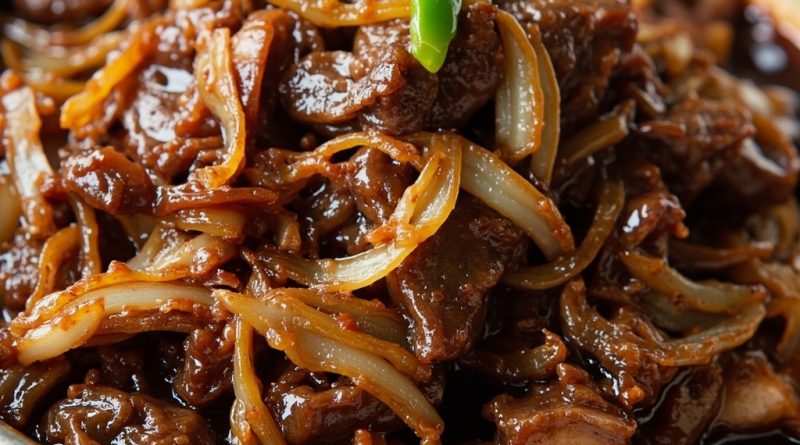
Why Do Chinese People Love Eating Organ Meat?
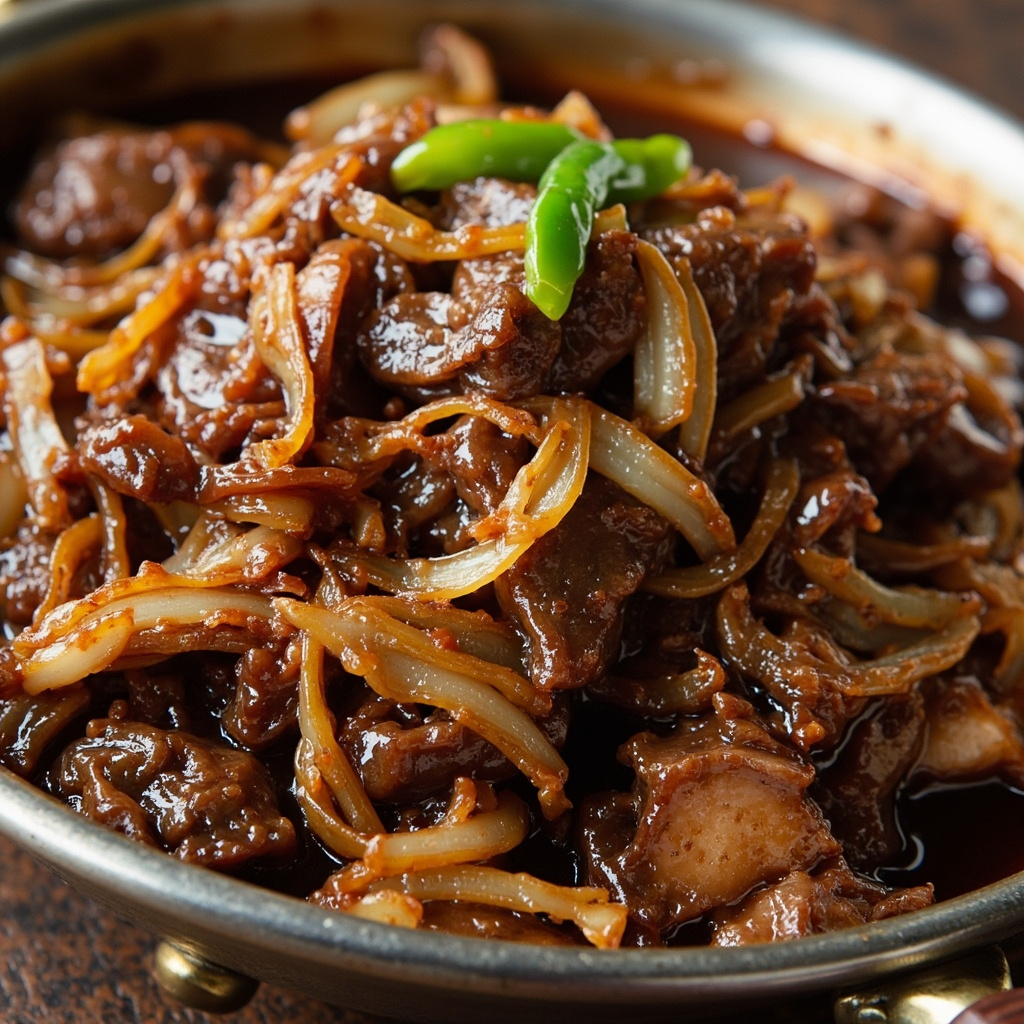
Why Do Chinese People Love Eating Organ Meat?
Let me tell you something about us: we do not waste food. Not the meat, not the vegetables, not the bones, and definitely not the organs.
Walk into any Chinese market and you will find sections dedicated to what we call “下水” — the organs and innards of animals. Pig ears, chicken feet, beef tripe, duck blood, pork liver, lamb kidneys. These are not cheap mystery proteins. These are delicacies.
And yes, we know what other cultures think about this. We have heard all the jokes. But here is the thing: once you understand why we eat organ meat, you start to realize that wasting it would be the strange choice.
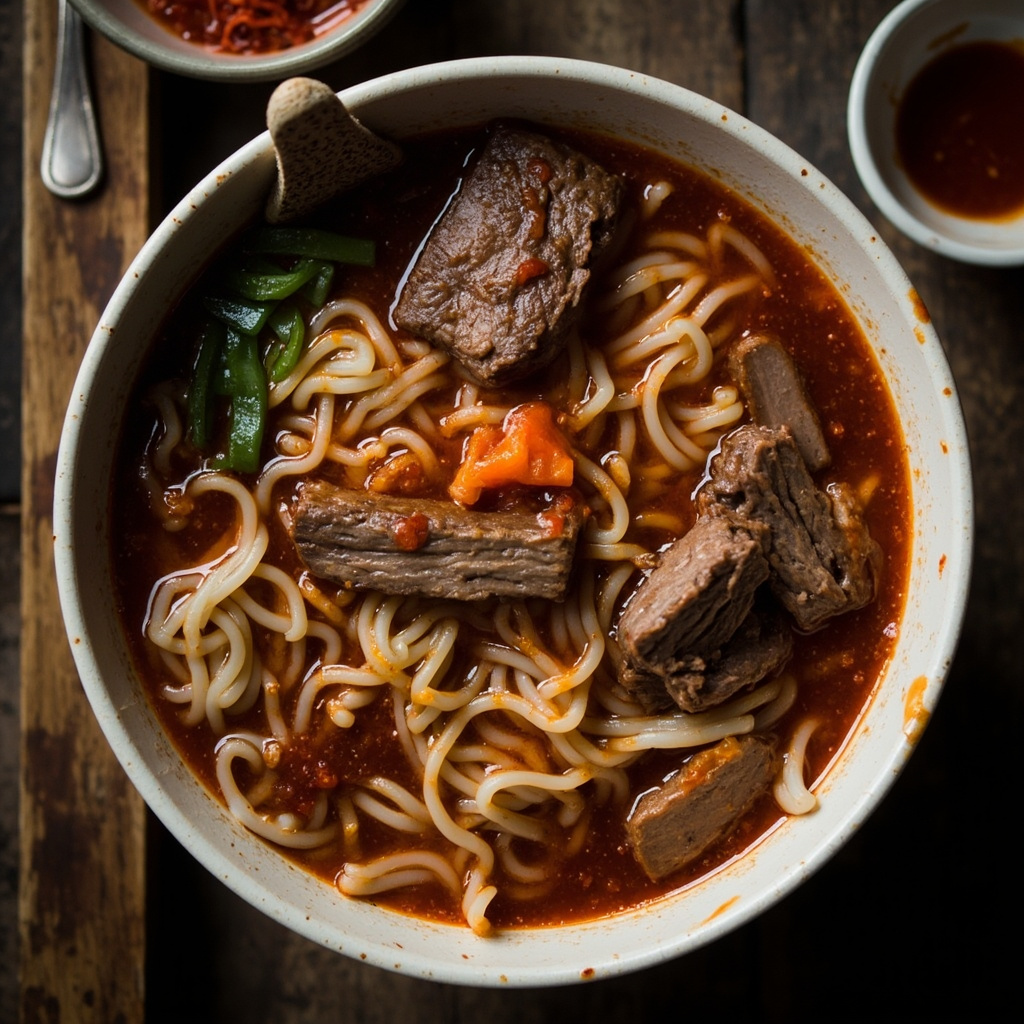
## Why We Eat Organs
Here is what outsiders often get wrong: they think we eat organ meat because we have to — because we are poor, because we lack other protein sources. This is not accurate.
We eat organ meat because it is delicious. And because we have 2,000 years of culinary wisdom telling us it is good for you.
Our food culture developed in a context where wasting any part of an animal was considered foolish. When you slaughter a pig, why would you throw away the liver, the heart, the intestines? These are all perfectly edible and, cooked correctly, incredibly flavorful.
The phrase “猪全身都是宝” — the whole pig is a treasure — captures our philosophy. Every part of the animal has value. Every part can be made into something worth eating.
## The History Goes Back Thousands of Years
We have been eating organ meat since before most civilizations existed.
During the Zhou Dynasty, over 2,000 years ago, our ancestors were already developing sophisticated organ meat dishes. One of the famous “八珍” — the Eight Treasures of the royal court — was called “肝骨” — liver cooked in fat. This was not peasant food. This was emperor food.
By the Han Dynasty, organ meat had spread beyond the palace. Why? Two reasons:
First, it was affordable. Historical records show that while beef cost 17 coins per jin, pig stomach cost only 10 coins. The average person could afford organ meat when beef was too expensive.
Second, our traditional medicine had developed the concept of “以脏补脏” — eat organs to nourish your own organs. The idea is that吃什么补什么 — what you eat becomes what you are. Liver nourishes your liver. Heart nourishes your heart.
Modern nutrition science has complicated this picture, but the basic idea — organ meat is nutritionally dense — is actually supported by research. Organs are rich in vitamins, minerals, and amino acids that are harder to get from muscle meat.
## Why Westerners Find This Strange
I have talked to many foreigners about this. The reaction is usually somewhere between curiosity and horror.
One person told me they tried pig blood at a Chinese restaurant and could not get past the texture. Another said she watched a Chinese cooking show where they prepared duck tongue and had to turn it off.
I understand the reaction. Organ meat requires a mental adjustment. In most Western food cultures, organs were historically relegated to lower classes or discarded. The “good” meat was muscle meat — steak, chops, roasts. Organs were for servants or the desperate.
But here is the thing: that Western hierarchy of meat is arbitrary. It is based on history and culture, not on nutrition or taste. We do not share that hierarchy. To us, a well-prepared stir-fried pork liver can be more delicious than a generic pork chop.
Also worth noting: many Westerners secretly love organ meat in disguise. Liver pâté? That is liver. Veal stock? Made from veal bones. Black pudding? Blood sausage. The line between “acceptable” and “disgusting” organ meat is more about culture than actual disgust.
## The Variety Is Staggering
Let me introduce you to our organ meat vocabulary:
**猪肚** (pig stomach) — The star of many dishes. Cleaned properly and sliced thin, it has an incredible texture: slightly chewy, slightly crisp.
**猪肝** (pig liver) — The most nutritious organ. When stir-fried quickly with ginger and scallion, it is silky and rich.
**猪血** (pig blood) — Used in soups and stews. The texture is gelatinous when cooked. Think of it like a savory tofu.
**牛百叶** (beef tripe) — The lining of a cow is stomach. It is the main ingredient in many hot pot dishes.
**羊杂** (lamb offal) — Lamb organs cooked together in a rich stew. Northern China’s comfort food.
**鸡杂** (chicken offal) — Chicken livers, gizzards, and hearts. Quick-fried or made into congee.
Each of these has devoted fans. Each has its own cooking method, its own flavor profile, its own fans who will argue their preference is the best.
## The Cooking Matters
Here is what outsiders do not always understand: we do not just eat organs raw. We have thousands of years of technique for making organs taste amazing.
The key is preparation. Organ meat can have strong flavors — some would say off-flavors — if not handled correctly. The smell of pig liver if poorly prepared can be overwhelming. The texture of beef tripe if overcooked can be rubbery.
But properly prepared? The flavors are complex and rich in ways that muscle meat cannot match. A good pork liver stir-fry has a depth of flavor that a pork chop simply cannot achieve.
Our cooking techniques reflect this. Pig stomach is blanched first to remove impurities, then sliced thin and quickly cooked with aromatics. Pig blood is added to soups at the last moment so it sets without becoming rubbery. Liver is cooked over high heat for just minutes to preserve its delicate texture.
## What You Should Know
If you are curious about our organ meat cuisine but hesitant, here is my advice:
Start with something accessible. Chicken feet have very little actual meat — just skin and cartilage — but the cooking makes them flavorful. Duck blood has an interesting texture that is not actually that different from tofu.
Do not expect the flavor to be like muscle meat. Organs have their own distinct flavors, which are stronger and more complex. This is not a replacement for beef. It is its own category.
Find a good restaurant. Poorly prepared organs can be genuinely bad. Well-prepared organs at a reputable place can be transcendent.
And if you genuinely cannot get past it? That is fine. Everyone has their limits. But at least understand that when we eat organs, we are not being forced by poverty or lack of options. We are making a choice based on thousands of years of culinary development and a genuine appreciation for what the whole animal can offer.
## The Bottom Line
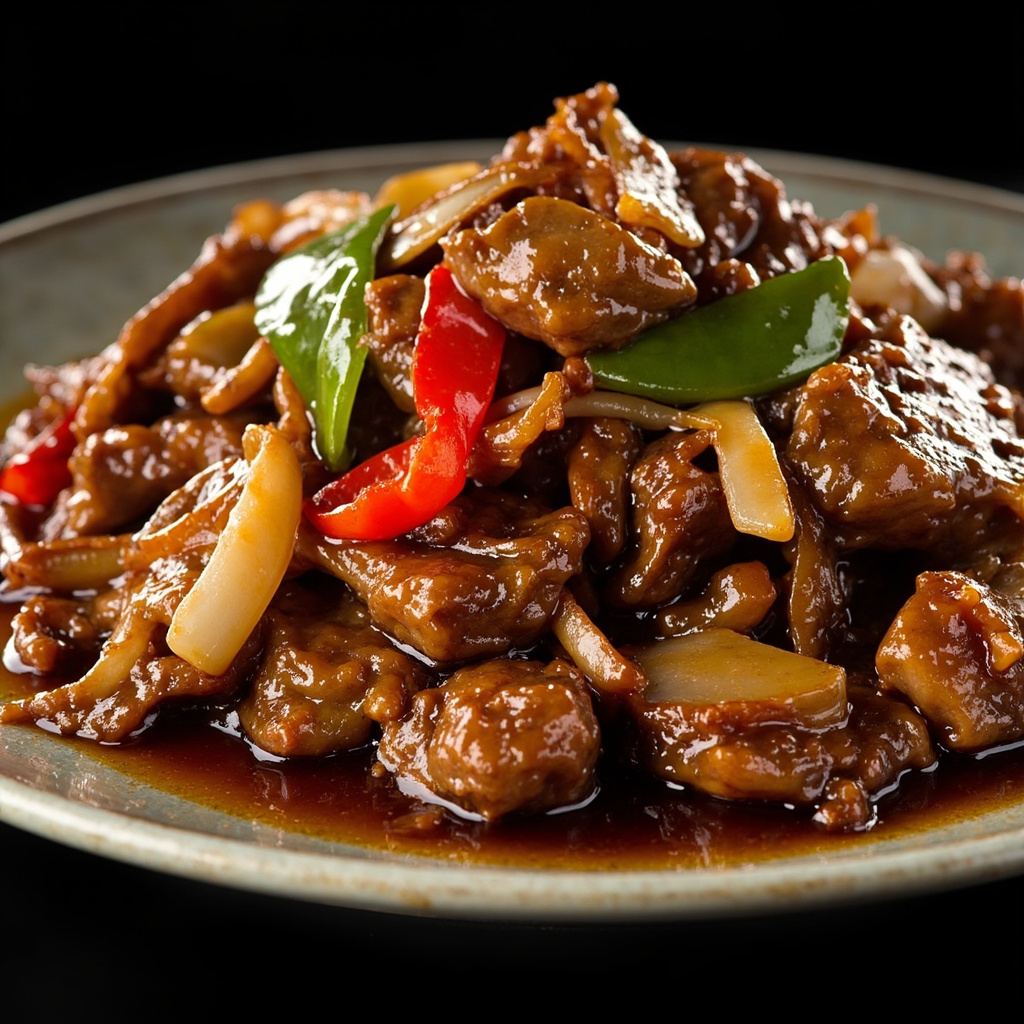
We eat organ meat because we have always eaten organ meat. Because our ancestors figured out how to make it delicious instead of wasteful. Because a whole animal has value, and wasting parts of it would be foolish.
Also? Because it tastes really good.
The next time someone mentions Chinese people eating strange foods, remember: we are not weird. We are just more thorough than most.
