
Why Is China Mostly Atheist While Being So Spiritual?
Why Is China Mostly Atheist While Being So Spiritual?
Let me tell you about something that confuses every foreigner who visits China.
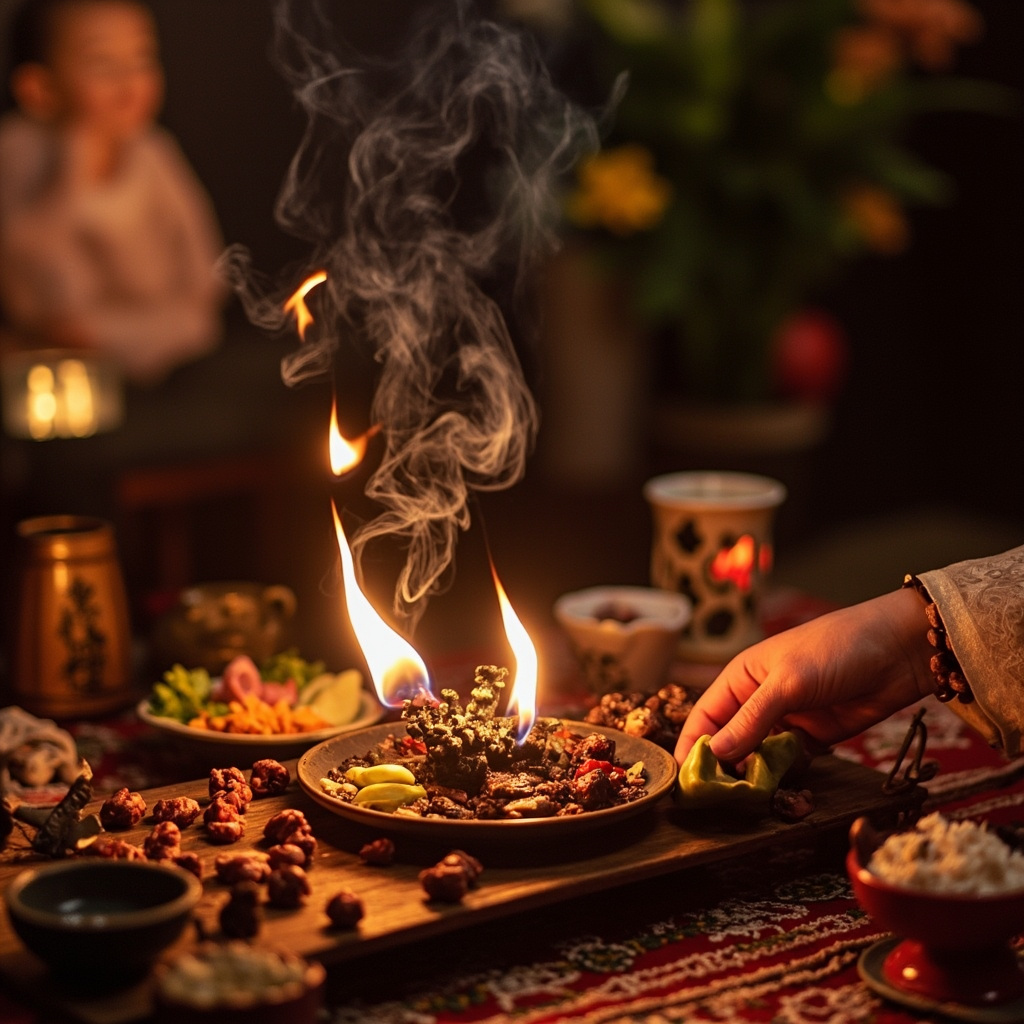
They see us burning fake money for our dead grandparents. They see us consulting fortune tellers about our marriages. They see us visiting temples and making offerings before exams. They see us believing in fengshui masters who rearrange our furniture.
And then they learn that most Chinese do not believe in God.
How does this make sense?
Here is how.
## We Do Not Reject the Divine, We Use It
Here is the thing foreigners miss: Chinese people are not atheists because we lack faith. We are atheists because we treat gods like employees.
In China, the dragon is not a god. It is a useful weather resource. The Jade Emperor is not a supreme being. He is a cosmic bureaucrat. Guanyin is not God. She is a helpful resource for solving problems.
When we need rain, we pray to the Dragon King. When we need a child, we pray to Guanyin. When we need good exam results, we pray to Confucius. After the problem is solved, we move on with our lives.
Foreigners call this superstition. We call it practical spirituality.
## The Three Teachings
Here is something historically important: China had its own indigenous religions long before foreign religions arrived.
Taoism was our first spiritual tradition. It taught harmony with nature, balance, the way of least resistance. This was not worship. This was philosophy.
Then Buddhism came from India. We did not accept it wholesale. We adapted it. We made it Chinese. We added ancestor worship. We added Confucian values. We added practical utility.
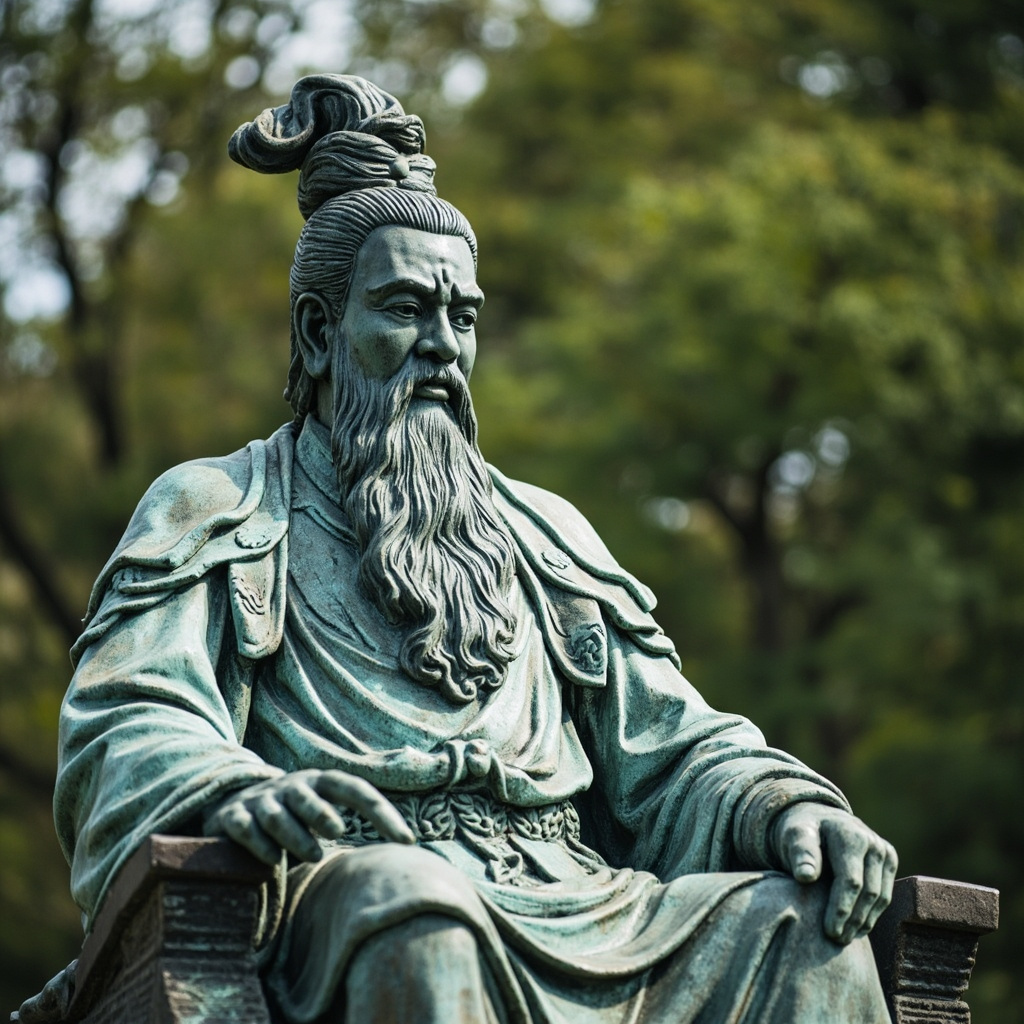
Confucianism was never religion at all. It was ethics. It taught how to behave, how to govern, how to maintain social harmony. No gods required.
## The Emperor Controlled Religion
Here is a historical reason: for thousands of years, Chinese emperors controlled religion.
The emperor was the Son of Heaven. He alone could communicate with the heavens. He alone could perform the most important rituals.
This meant religion could never become independent. It could never become the state within the state. It could never challenge imperial power.
When the Communist Party came, they continued this tradition. Religion must serve the state. Faith must support social order. No institution is above the party.
This is continuity, not contradiction.
## Why Science Does Not Kill Faith
Here is something that surprises foreigners: China is scientifically advanced but spiritually active.
We landed on the moon. We built the world’s largest telescope. We lead in artificial intelligence research.
And we also burn incense at ancestral shrines. We consult fortune tellers. We believe in lucky numbers and auspicious dates.
Why? Because for us, science and superstition occupy different domains.
Science solves practical problems. Superstition solves emotional problems. When my grandfather died, science could not comfort me. The Buddhist ritual could. When I worry about my daughter’s future, science could not ease my mind. the fengshui master’s words could.
Different tools for different needs.
## The Ancestor Factor
Here is what I think is the real reason: we worship our ancestors, not God.
Every Chinese family has an ancestral shrine. Mine has photographs of my grandparents and great-grandparents. We bow to them. We offer them food. We burn fake money for them to use in the afterlife.
This is not superstition to us. This is family.
God is distant. Ancestors were real. They raised us. They sacrificed for us. They are part of us.
When foreigners ask why Chinese people do not believe in God, I ask them: why would we? We have our grandparents watching over us.
## The Practical Test
I will give you an example of Chinese spirituality in action.
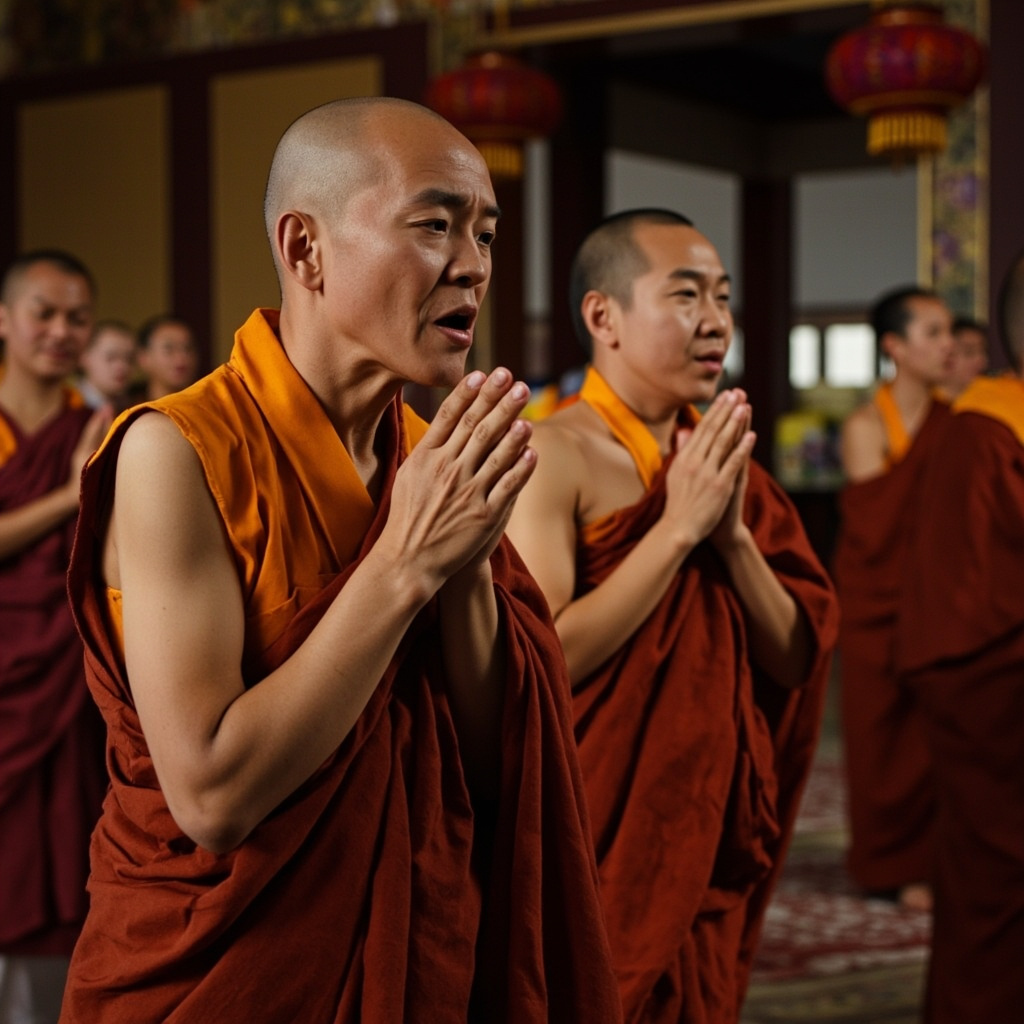
Before my university entrance exam, my mother took me to a temple. She made me bow three times to the Buddha statue. She made offerings of fruit and fake gold money. She lit incense and prayed for my success.
I am not a Buddhist. My mother is not a Buddhist. We do not believe in Buddhist doctrine. We were not converted. We were not baptized.
We were hedging our bets.
What if the Buddha is real? What if the prayer works? Better to pray just in case. No cost, potential benefit. This is Chinese rationality applied to spirituality.
## The Party Line
I would be dishonest if I did not mention the Communist Party’s role.
The party officially promotes atheism. It controls religious organizations. It limits religious freedom in practice.
Many young Chinese grew up learning that religion is superstition, that god does not exist, that we are the masters of our own fate.
This shapes how we think. Many Chinese sincerely do not believe in God because they were taught not to.
But here is the interesting part: we reject the foreign gods while embracing local spirituality. We call ourselves atheists while burning incense at temples. We follow the party line while secretly checking our horoscope.
This contradiction does not bother us. We contain multitudes.
## The Truth
So why is China mostly atheist while being so spiritual?
Because for us, spirituality is not about faith in God. It is about practical tools. Gods are resources to be used when helpful and ignored when not.
Because our most important spiritual practice is ancestor worship, not god worship. Our ancestors are our connection to the sacred.
Because China had thousands of years of philosophical tradition before foreign religions arrived, and we never needed to invent a creator god.
Because the state always controlled religion, and we learned to keep our spiritual lives private and practical.
The next time someone asks you why Chinese people do not believe in God while being deeply spiritual, tell them: because we never needed God. We had our ancestors. We had our philosophers. We had our pragmatism.
And tell them this too: the next time you see a Chinese person burning incense at a temple, do not assume they are religious. They are probably just hedging their bets.
