Why Is Qingming Festival Important in China?
Why Is Qingming Festival Important in China?
Let me tell you about the day when all of China stops to remember.
Every April 4th or 5th, something remarkable happens. 1.4 billion Chinese people pause their lives to honor the dead. Schools close. Offices close. The highways fill with cars heading to ancestral graves.
This is Qingming Festival. And to understand China, you must understand why this day matters so much.
## What Is Qingming Festival
Qingming is a tomb-sweeping festival. It falls on the 105th day after the winter solstice, usually around April 4th or 5th. The name means clear and bright, describing the spring weather.
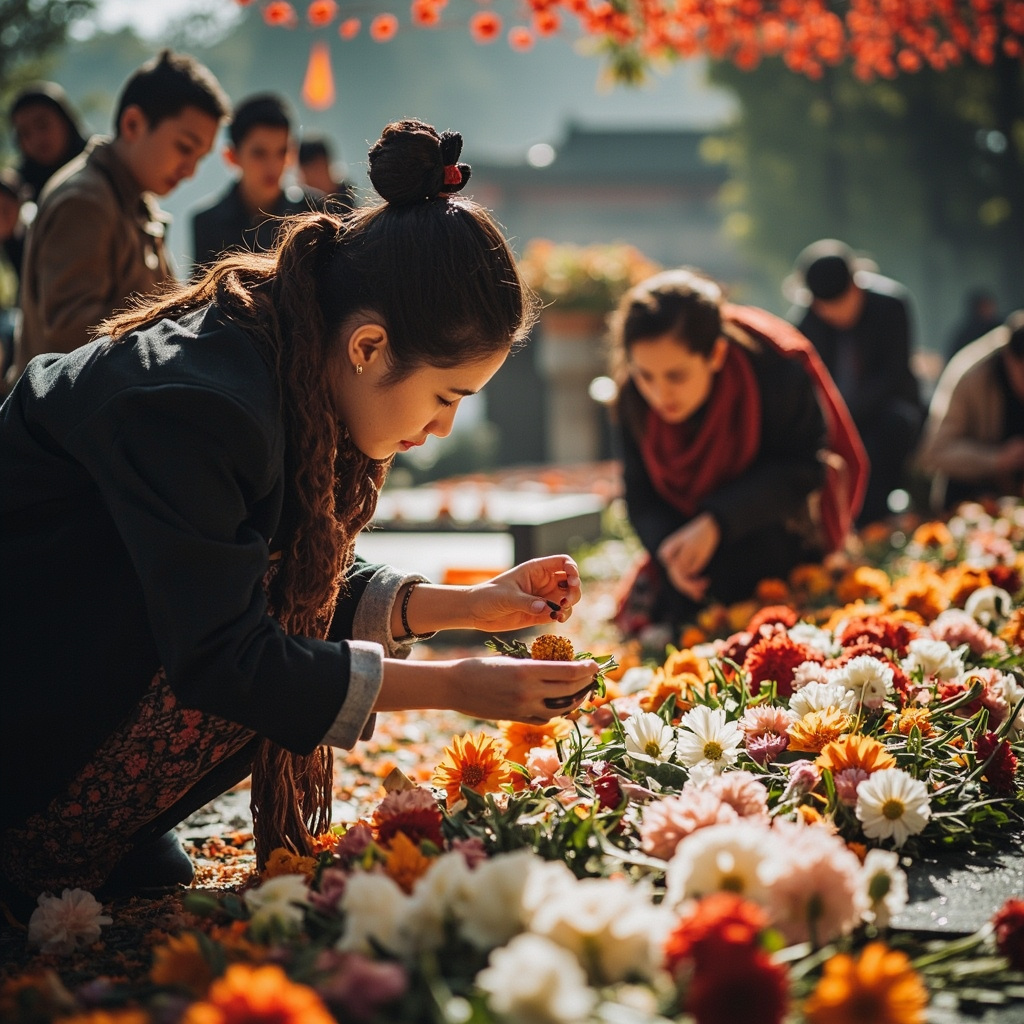
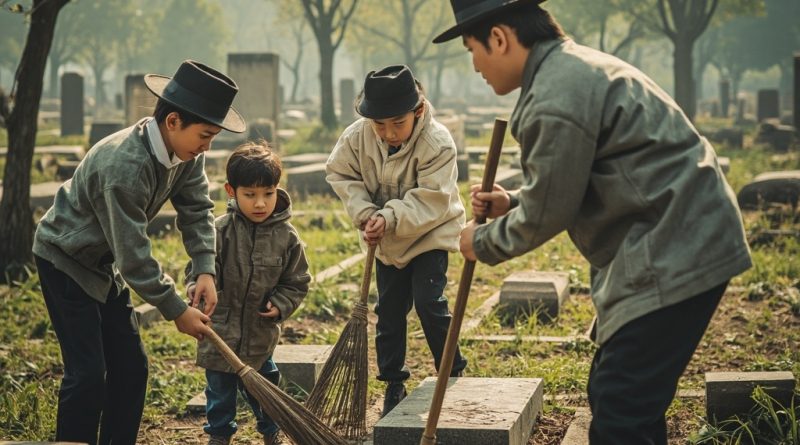
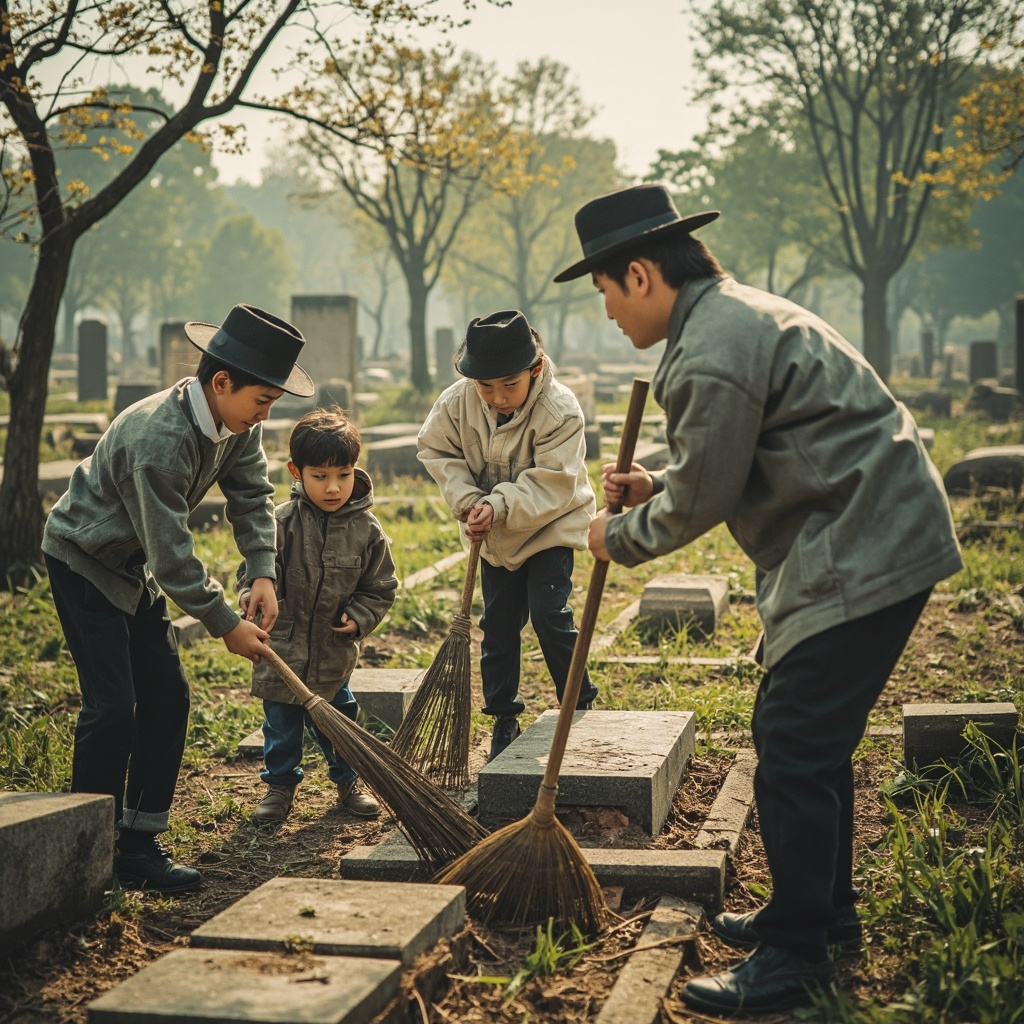
On this day, families travel to the graves of their ancestors. They pull weeds. They clean the tombstones. They offer food and burn incense. They bow three times and speak to their departed loved ones.
Foreigners see this as a funeral ritual. They do not understand.
This is not mourning. This is connection.
## The Ancestor Connection
Here is the fundamental truth about Chinese culture: we never really leave our ancestors behind.
In Western culture, death creates separation. Your grandparents die. Your parents die. Each generation moves further from the ones who came before.
In Chinese culture, death creates different bonds. Your ancestors are still with you. They watch over you. They guide you. They are part of your family forever.
On Qingming, we visit them. We tell them about our lives. We ask for their blessing. We promise to continue the family line.
This is not superstition. This is identity.
## The Practical Side
Here is something that surprises foreigners: Qingming is also practical.
The word Qingming describes the weather. The cold of winter is fading. The rain of spring has arrived. This is the perfect time to tend graves before summer heat arrives.
In ancient China, this was farmer’s work. Winter stored grains were running low. Spring planting was about to begin. Families visited graves between the hard seasons.
We kept the tradition because it made sense. We kept returning because it mattered.
## The Food
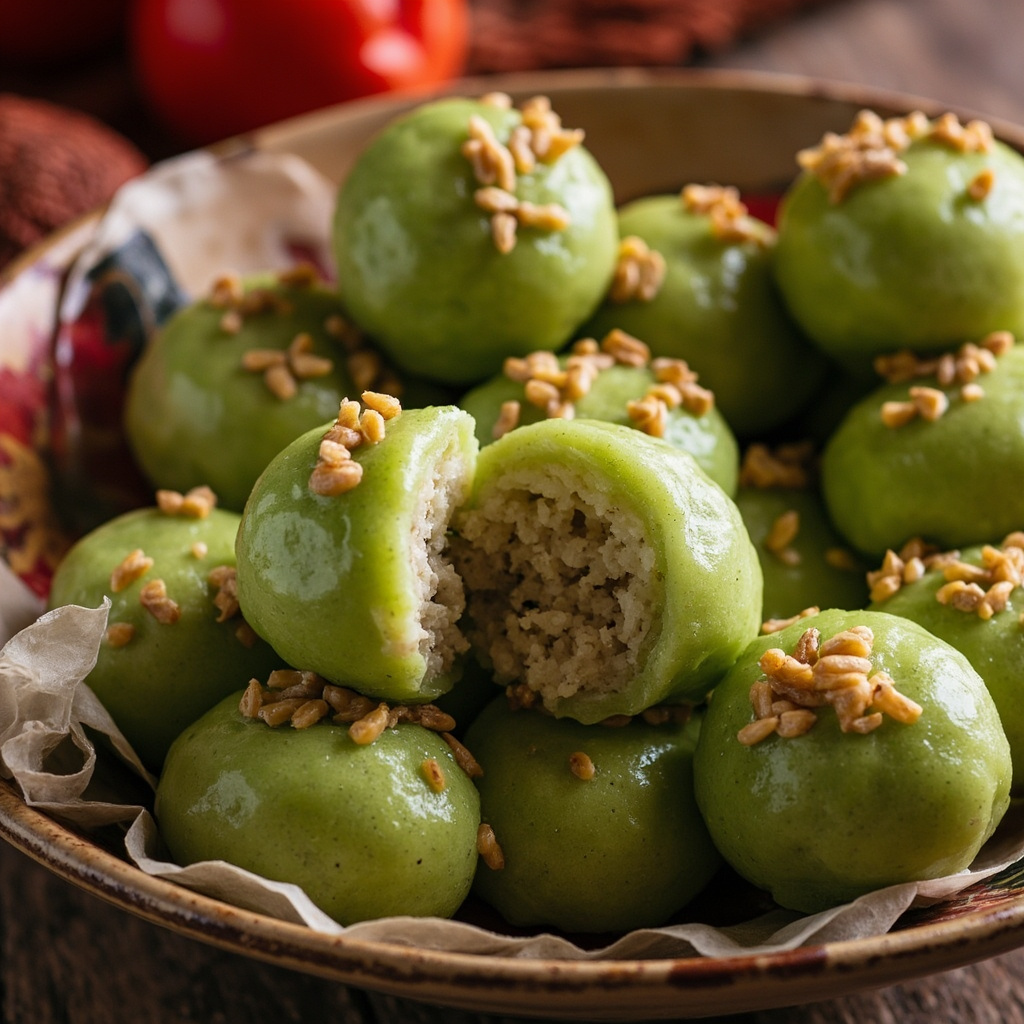
Here is what my family does every Qingming: we make and eat qingming cakes.
These are green rice cakes, soft and slightly sweet. They are made with mugwort or barley grass, giving them their green color. My grandmother taught my mother to make them. My mother taught me.
The recipe has not changed in 200 years.
Food is how Chinese families remember. When we eat qingming cakes, we taste our ancestors’ hands. We taste tradition.
Other Qingming foods include fresh vegetables, cold animations, and tea. Everything is simple. Everything is seasonal. Everything connects us to the land and the seasons.
## The Long Journey Home
Here is what moves me every Qingming: the journey.
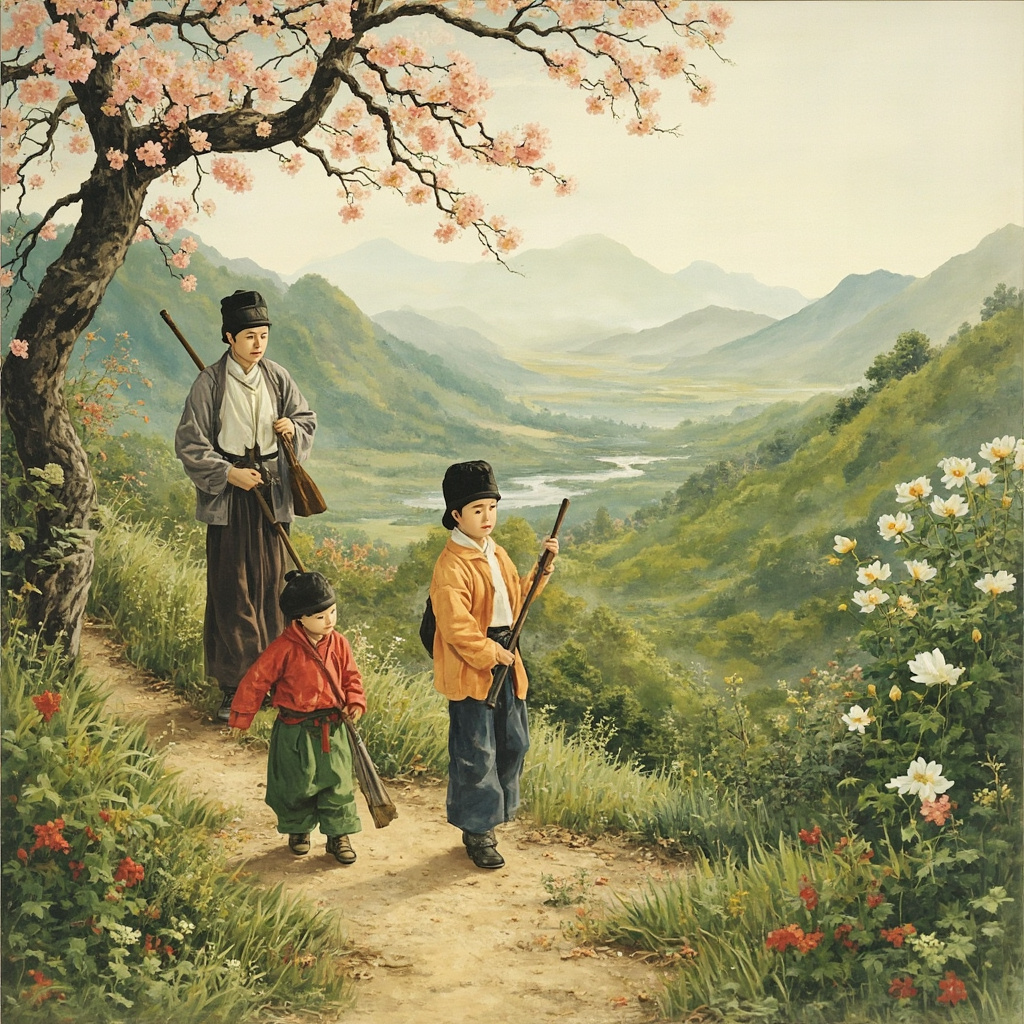
My uncle drives six hours to our ancestral village. He has not lived there in 30 years. But on Qingming, he goes back.
Our family grave is on a hillside. The grass is wet with spring rain. We climb together, my uncle, my cousins, my grandmother’s ashes in an urn.
We work together. We pull weeds. We burn paper money. We pour tea on the ground. We tell stories about the dead.
Then we eat lunch under the trees. We talk about our lives. We laugh. The dead are with us.
This is what foreigners do not understand: Qingming is not sad. It is a family reunion with the ones who came before.
## The Paper Money
Here is something that confuses foreigners: we burn fake money at graves.
On Qingming, we buy paper made to look like yuan notes. We stack it. We light it on fire. We watch it turn to ash.
We believe the dead receive this money in the afterlife. They can buy things where they are. They can pay for expenses in the spirit world.
Foreigners call this superstition. Maybe it is.
But here is what I know: when I burn that money, I think about my grandmother. I think about what she needs. I think about whether she is comfortable where she is.
This ritual keeps her alive in my mind. This ritual keeps our connection real.
## The Modern Reality
Here is what has changed: Qingming in the modern city.
My cousins who live in Shanghai cannot travel to the family grave. They are too busy. The flights are too expensive. The holidays are too short.
So they do something else. They light incense at home. They look at photographs. They call their parents and talk about the ancestors.
The ritual adapts. The meaning remains.
Some families use online memorial services now. They create digital altars. They burn virtual money. They leave digital offerings.
I was skeptical at first. But I understand now. The technology is new. The connection is old.
## Why This Day Matters
So why is Qingming Festival important in China?
Because we are a people who remember. Because we are a culture that values connection across generations. Because we are a civilization that has maintained the same rituals for over 1,000 years.
Because my grandmother is buried on a hillside, and every April I climb that hill. Because my grandfather’s spirit sits in an urn on our family altar, and every morning my mother lights incense for him. Because I am part of something larger than myself, something that stretches backward and forward through time.
Foreigners ask me: is Qingming a religious festival?
I tell them: it is not religion. It is family.
The next time someone asks you why Qingming matters so much in China, tell them: because we do not forget our dead. Because the dead are still with us. Because every April, we climb hills and pull weeds and burn incense and remember.
Because that is what family does.
And tell them this too: the next time you see Chinese people at a grave, cleaning stones and laying flowers, do not see superstition. See love. See a civilization that has maintained its memory for 2,500 years. See a people who believe that the dead are never really gone.
See us.