Why Does Chinese History Matter So Much to Chinese People?
Why Does Chinese History Matter So Much to Chinese People?
Let me tell you about a country that remembers.
Walk into any Chinese home. You will see ancestral photographs on the wall. Open any Chinese newspaper. You will find references to ancient philosophers. Sit down to dinner with a Chinese family. You will hear stories about great-grandparents, about villages, about traditions that stretch back thousands of years.
China is a civilization that has not forgotten. And this memory shapes everything.
## We Are Taught to Remember
Here is how it starts: Chinese children learn history before they can read.
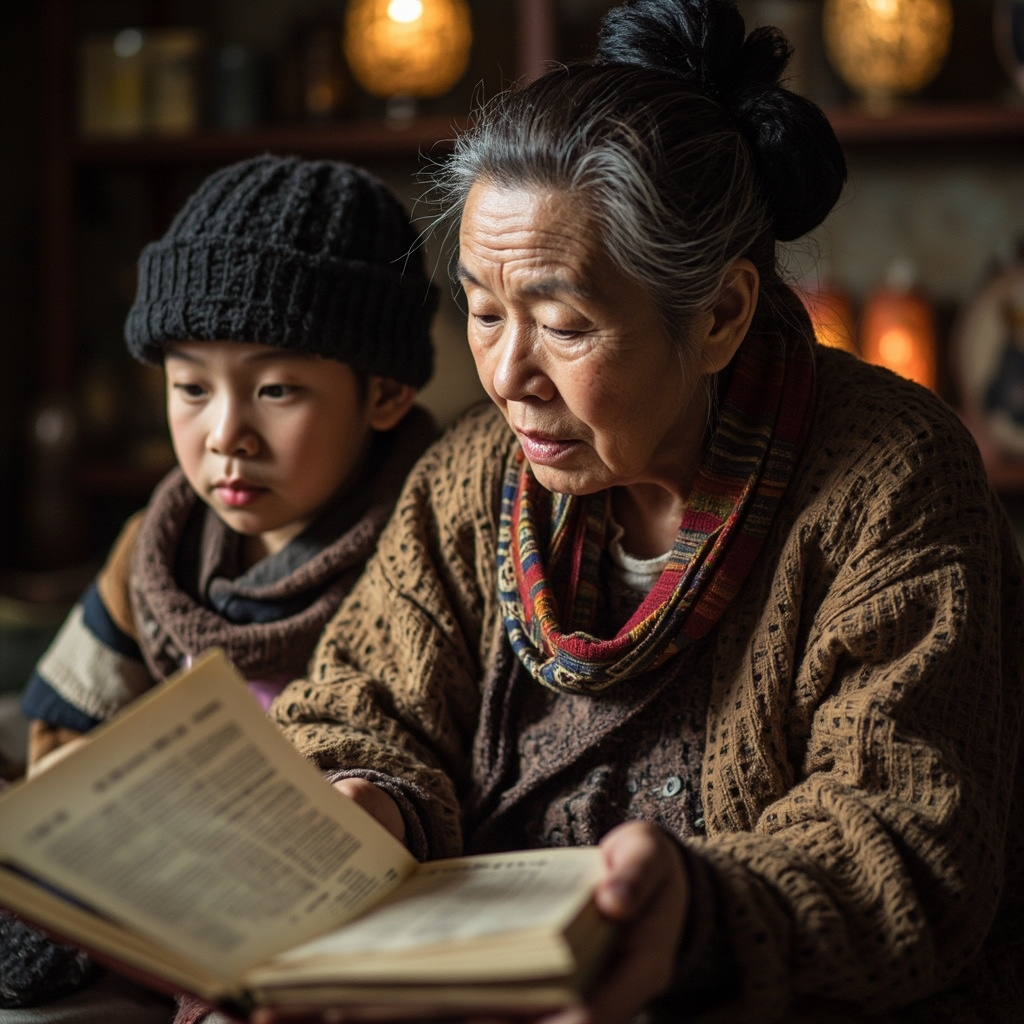
My earliest memories include my grandmother telling me stories about the Three Kingdoms. About Liu Bei the honorable. About Cao Cao the cunning. About heroes and villains from 1,800 years ago.
These stories were not fairy tales. They were history. They were lessons. They were the foundation of how I learned to understand the world.
In school, we memorized ancient poems. We studied the dynasties in order. We learned about Confucius and his students. We memorized dates, events, causes, effects. We were tested on our knowledge of the past.
This is not unusual in China. This is universal.
## The Weight of 5,000 Years
Here is the reality: China has documented history for 5,000 years.
While European civilizations were still developing, China had writing, philosophy, and organized government. The Xia Dynasty existed in 2070 BCE. The Shang Dynasty gave us bronze technology and oracle bones. The Zhou Dynasty introduced concepts like the Mandate of Heaven that still influence Chinese thinking.
We do not just know our history. We carry it.
Foreigners sometimes ask: why do Chinese people talk so much about ancient history? Why does it still matter?
The answer is simple: because it is still relevant. The lessons of 2,500 years ago still teach us about power, loyalty, family, and virtue. The stories of the Three Kingdoms still illustrate strategic thinking. The teachings of Confucius still shape social relationships.
## History as Identity
Here is something foreigners struggle to understand: in China, history is not a subject. It is identity.
You are Chinese because of your history. Because your ancestors lived through the Yellow River civilization. Because your culture developed these specific traditions. Because your language carries the memory of 5,000 years of continuous civilization.
In the West, you can become American or British by adopting the culture. In China, you cannot fully become Chinese without accepting the history. The connection is blood and bone. It is ancestral. It is inescapable.
When a Chinese person says they are proud of their history, they mean it literally. They are proud of their ancestors. They are proud of what those ancestors built. They are proud of surviving, adapting, continuing.
## The Century of Humiliation
Here is the wound that shapes modern China: the Century of Humiliation.
From 1839 to 1949, foreign powers carved up China. Britain forced opium onto millions. France, Germany, Russia, Japan all took territory. The Eight-Nation Alliance sacked Beijing in 1900. The Japanese invaded in 1937 and committed atrocities that Chinese people still remember.
My grandfather was born during the Japanese occupation. He grew up hungry. He grew up afraid. He passed this memory to my father, who passed it to me.
We remember the Century of Humiliation because it explains modern China. It explains why we value stability. Why we prioritize national strength. Why we are suspicious of foreign powers. Why we want our country to never be weak again.
## The Pride and the Pain
Here is the balance: Chinese history contains both greatness and humiliation.
We remember the Tang Dynasty when China was the most advanced civilization on Earth. We remember the Song Dynasty when our economy was 30 percent of the world total. We remember the voyages of Zheng He, reaching Africa 80 years before Columbus.
We also remember the Opium Wars. The Unequal Treaties. The occupation. The weakness that invited invasion.
Both are true. Both matter. Chinese people do not ignore the painful parts. We carry them. We learn from them. We vow never to repeat them.
This is why historical accuracy matters in China. We cannot afford to forget. We cannot afford to rewrite. The lessons are too important.
## History as Education
Here is the practical purpose: history teaches us how to behave.
Confucius taught that studying history prevents foolishness. That understanding the past guides the future. That a person without knowledge of history is like a tree without roots.
In Chinese education, history is not optional. Every student studies it. Every exam tests it. Every educated person knows the major events, the key philosophers, the important dynasties.
Why? Because history provides examples. It shows us what works and what fails. It teaches wisdom through stories rather than abstractions.
When a Chinese businessperson negotiates, they might cite the strategies of ancient philosophers. When a Chinese politician makes a decision, they might reference historical precedents. When a Chinese family faces a crisis, they might remember how previous generations survived similar challenges.
History is not just facts. It is a toolkit for living.
## The Living Past
Here is what makes China different: the past is still alive.
Visit a Chinese village. The graves of ancestors are cared for. The temples where grandparents prayed still stand. The festivals that great-great-grandparents celebrated are still observed.
In China, we do not separate past and present. They flow together. The wisdom of Confucius is still quoted in modern business meetings. The strategies of Sun Tzu are still studied in military academies. The family values of ancient dynasties still shape how we raise children.
My grandmother followed traditions that her grandmother taught her. Those traditions stretch back hundreds of years. When I follow them now, I am connected to all the women who came before me.
This is what it means to be Chinese. You are not just yourself. You are your ancestors’ hopes. You are their unfinished business. You are the continuation of everything they worked for.
## The Future Depends on the Past
Here is why it matters for the future: you cannot know where you are going unless you know where you came from.
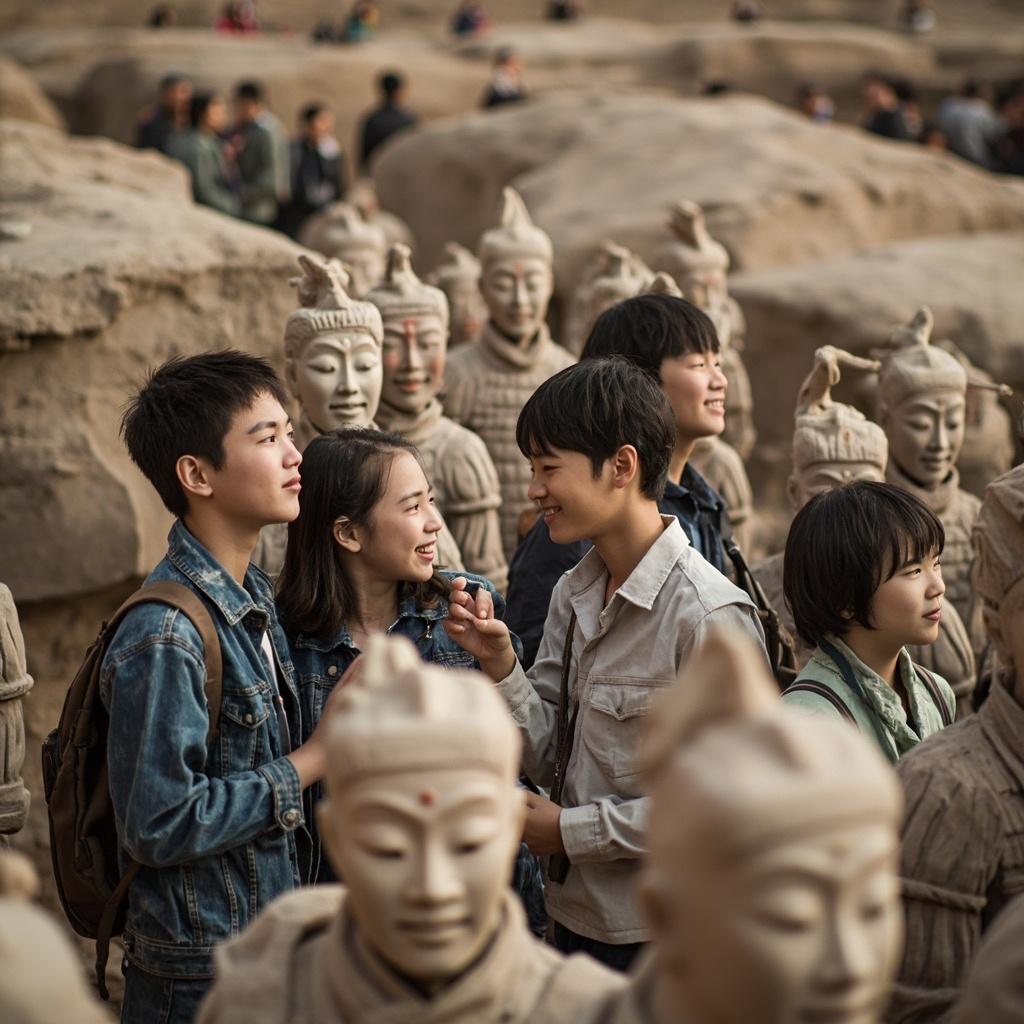
China’s rise is not accidental. It is built on thousands of years of civilization. On values that emphasize education, family, hard work, and persistence. On a culture that survived collapse and emerged stronger. On a people who remember both their glory and their humiliation.
When China modernizes, it does not throw away tradition. It adapts it. It combines the old with the new. This is why Chinese technology companies blend ancient philosophy with cutting-edge innovation. Why Chinese cities build traditional-style buildings alongside skyscrapers. Why Chinese people carry smartphones in one hand and ancestral tablets in the other.
The past informs the future. This is Chinese wisdom.
## The Responsibility
Here is the burden: Chinese people feel responsible for their history.
We feel responsible to ancestors who suffered. We feel responsible to traditions that must continue. We feel responsible to future generations who will judge us.
This is why Chinese people work so hard. Why we save so much. Why we prioritize education and family. We are not just living for ourselves. We are living for everyone who came before and everyone who will come after.
Foreigners call this heavy. Chinese people call it purpose.

## The Truth
So why does Chinese history matter so much to Chinese people?
Because we are our history. Because without it, we are just people. With it, we are the continuation of 5,000 years of civilization. Because the past teaches us, guides us, shapes us. Because the Century of Humiliation taught us what happens when we forget. Because our ancestors are watching. Because our children are watching.
Because China is not just a country. It is a civilization that refuses to forget.
The next time someone asks you why Chinese history matters so much, tell them: come to China. Visit the museums. See the ancient cities. Sit with a Chinese family and listen to their stories.
Then you will understand. Then you will feel what we feel. The weight of 5,000 years. The pride and the pain. The responsibility to ancestors and the hope for descendants.
History is not just the past in China. History is how we make sense of the present. History is why we do what we do. History is who we are.
