Why Is Live Streaming E-Commerce Such a Big Business in China?
Why Is Live Streaming E-Commerce Such a Big Business in China?
Let me tell you about a number: 5.3256 trillion yuan.
That is approximately $735 billion. That is how much Chinese consumers spent through live stream e-commerce in 2024 alone.
Let me put that in perspective. That is larger than the entire e-commerce market of many countries. And it represents a single country where live streaming shopping has become the most exciting way to buy things online.
This is not just a trend. This is a fundamental shift in how commerce works. And it is happening in China first.
Here is why live streaming e-commerce is such a massive business in China.

## What Exactly Is Live Stream E-Commerce?
Here is the simple version: it is shopping through video.
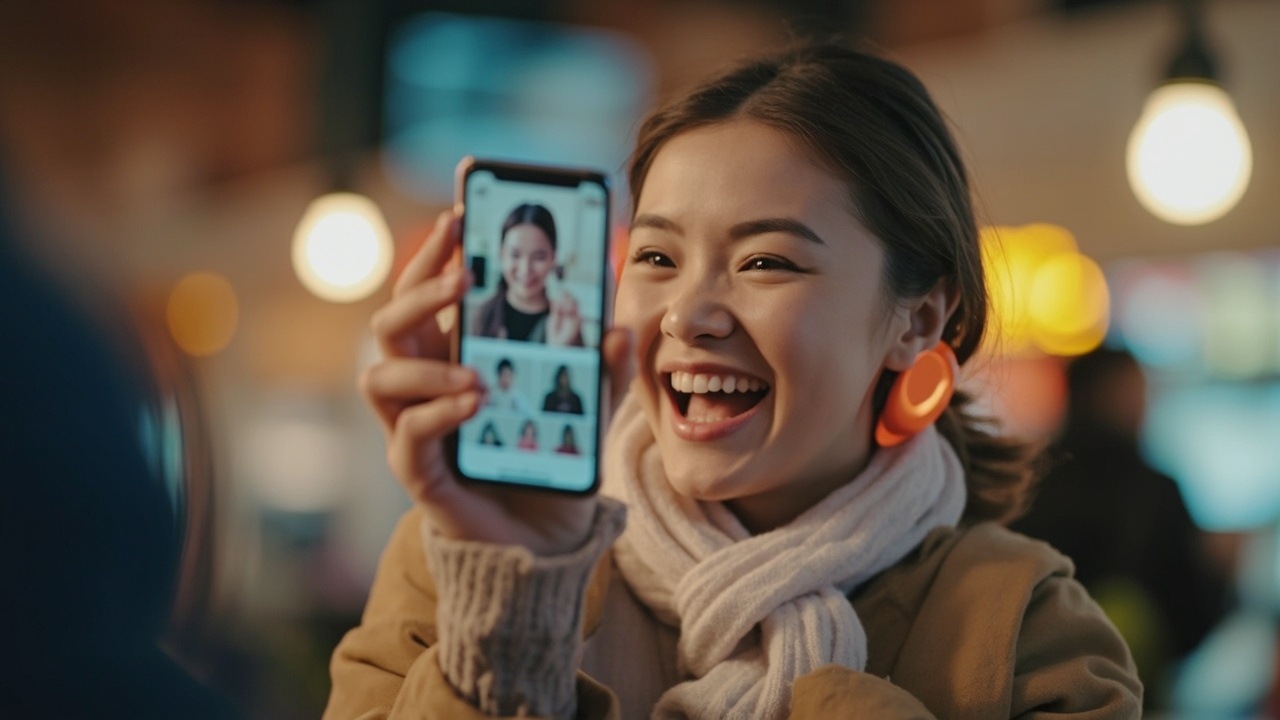
Instead of browsing static product pages, consumers watch live video streams where hosts demonstrate products in real-time. Viewers can ask questions. Hosts can answer immediately. And viewers can purchase with a single tap.
This happens on platforms like Douyin (Chinese TikTok), Taobao Live, Kuaishou, and JD.com. Each has its own ecosystem. Each has its own famous hosts.
The format varies. Some hosts are celebrities. Some are industry experts. Some are ordinary people who became experts at selling specific products.
The most famous hosts sell everything from cosmetics to real estate. From agricultural products to luxury cars. The variety is staggering.
## The Entertainment Factor
Here is what makes live streaming different from regular online shopping: it is fun.
Shopping in China is not just transactional. It is entertainment. Live stream hosts are performers. They sing. They tell jokes. They build relationships with their audiences.
Li Jiaqi, the cosmetics king of China, became famous partly because he was entertaining. His catchphrase “OMG, this is so good” went viral. His energy was infectious. Watching him felt like watching a variety show.
Viya, another legendary host, turned product launches into events. Her shows attracted millions of viewers who came as much for entertainment as for shopping.
When shopping becomes entertainment, people spend more time doing it. And when people spend more time, they buy more things. This is the basic equation that drives live stream e-commerce.
## The Trust Mechanism
Here is the deeper reason live streaming works: trust.
In traditional e-commerce, you buy based on product photos and reviews written by strangers. In live streaming, you buy from people you know.
Regular hosts build audiences over time. Their viewers return again and again. They develop parasocial relationships. They feel they know the host. They believe the host has their interests at heart.
This trust translates into purchases. When Li Jiaqi recommends a product, millions buy without hesitation. When Viya demonstrates a new skincare line, it sells out in minutes.
The trust goes both ways. Hosts often negotiate exclusive deals with brands, passing savings to viewers. Viewers feel they are getting insider access. Brands get rapid, massive sales. Everyone wins.
## The Mobile Payment Integration
Here is what makes purchasing frictionless: mobile payment.
China has the most advanced mobile payment infrastructure in the world. Alipay and WeChat Pay are everywhere. And they integrate seamlessly with live streaming platforms.
A viewer watches a product demonstration. They want to buy. They tap once. The product is on its way. No credit card entry. No address entry. Everything is pre-saved.
This frictionless experience removes the biggest barrier to impulse purchases. By the time you think twice, the product is already ordered.
The integration goes deeper. Many live streams offer special prices that are only available during the broadcast. Limited-time deals create urgency. Quantity limits create fear of missing out. The whole system is designed to convert viewers into buyers instantly.
## The Scale of the Stars
Here is what amazes outsiders: the numbers individual hosts can generate.
Li Jiaqi’s first live stream of the Double Eleven shopping festival in 2023 generated over 1 billion yuan in sales. That single event produced more revenue than many retail chains achieve in a year.
Viya once sold a rocket launch service during a live stream. A civilian satellite launch. For less than the price of a car.
Even smaller hosts generate impressive numbers. A mid-tier host might sell 10 million yuan of products in a good evening. A top host might hit 100 million.
These numbers seem impossible until you understand the system. Hosts have millions of followers. Their audiences trust them completely. And they can demonstrate products more effectively than any static photo ever could.
## The Poverty Alleviation Angle
Here is something unique to China: live streaming became a tool for rural development.
Agricultural products are notoriously difficult to sell for farmers. Middlemen take large cuts. Transport costs eat profits. Products rot before reaching markets.
Live streaming changed this equation. Farmers can now sell directly to urban consumers. No middlemen. No transportation to wholesale markets. No uncertainty.
One famous case involved a village where live streaming transformed the local economy. A young woman returned from the city to help her family sell oranges. She started live streaming from the orchard. Viewers watched her pick fruit, package it, and send it directly to them.
The oranges sold. The family prospered. Other villagers copied the model.
China’s government actively promoted this approach. Live streaming became an official poverty alleviation tool. Training programs taught rural residents how to become hosts. Platforms gave preferential treatment to agricultural products.
What started as entertainment became economic development.
## Why Has It Not Happened Elsewhere?
Here is the question every Western executive asks: why is live streaming e-commerce so big in China but not in America or Europe?
The answer involves multiple factors that aligned in China but have not aligned elsewhere.
First, mobile payment infrastructure. China leapfrogged credit cards directly to mobile payments. This made instant purchases possible at scale. In America, credit card dependency creates friction that live streaming cannot overcome.
Second, platform integration. Chinese super-apps like WeChat and Douyin combine social media, content, and commerce in ways Western apps do not. The boundaries between entertainment and shopping are blurred by design.
Third, consumer behavior. Chinese consumers, particularly younger generations, are highly mobile-first. They grew up shopping on phones. Adding video to shopping felt natural, not disruptive.
Fourth, existing retail weakness. Chinese retail infrastructure was less developed than in the West. Live streaming leapfrogged traditional retail the same way mobile payments leapfrogged credit cards.
Western retailers are now trying to catch up. Amazon has live streaming. Instagram has shopping features. But the habit has not formed. The ecosystem has not developed. The trust has not built.
## The Industry Behind the Industry
Here is what many do not realize: live streaming e-commerce created an entire support industry.
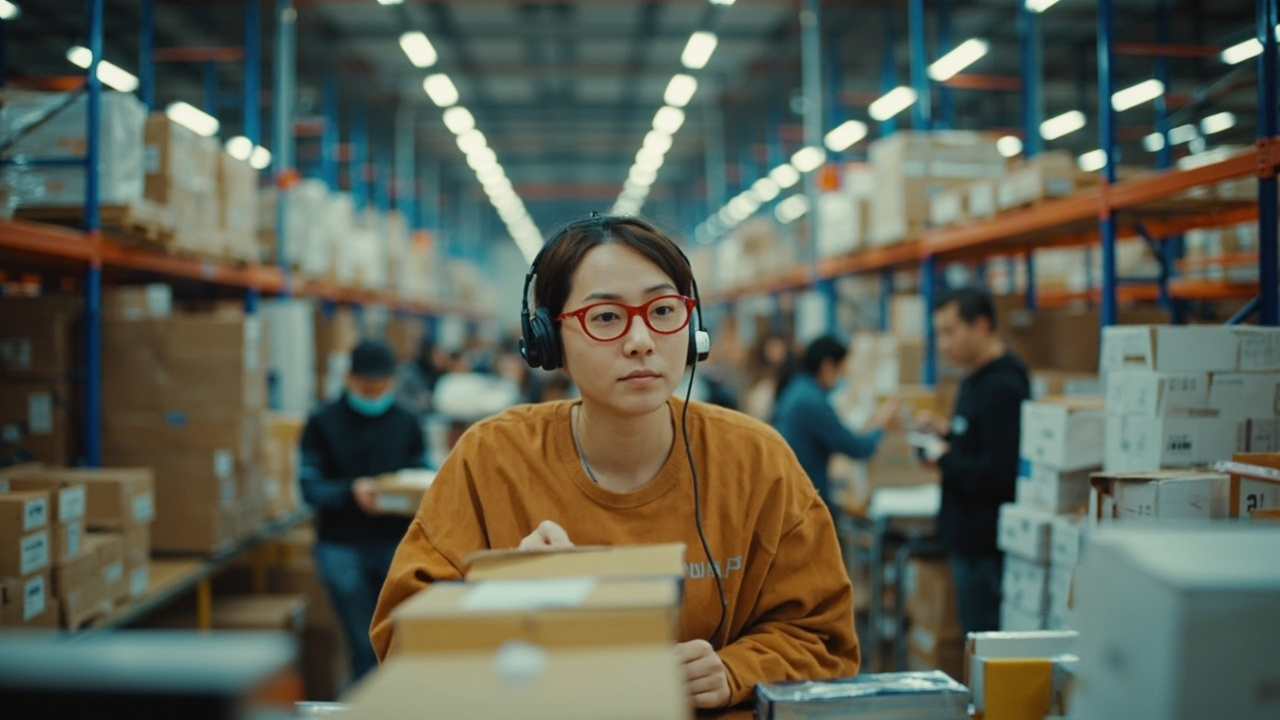
Hosts need staff. Camera operators. Lighting technicians. Writers who script the shows. Managers who negotiate with brands. Agents who manage careers.
Logistics companies built networks specifically for live streaming. Warehouses near broadcast studios. Express delivery services that guarantee same-day shipping. Return processing centers designed for the volume.
Brand agencies specialize in live streaming campaigns. They help companies design products specifically for the format. They train hosts on product knowledge. They analyze data to optimize performance.
The live streaming e-commerce industry in China employs millions of people. It has created entirely new career paths that did not exist a decade ago.
## The Criticism and Concerns
Here is what the industry does not like to talk about: the problems.
Some hosts have been caught selling counterfeit products. Quality control is difficult when you are demonstrating dozens of products per hour. Viewers have been misled by exaggerated claims.
The work hours are brutal. Top hosts live-stream for 8 to 10 hours per day. The pressure to maintain performance is intense. Several famous hosts have burned out or faced health crises.
The environmental impact is significant. All those deliveries mean millions of packages. All that packaging creates waste. All those returns create additional logistics burden.
And the question of sustainability remains open. Can hosts maintain audience trust over time? Can the industry continue growing at current rates? Or has the market reached saturation?
## The Future
Here is what is certain: live streaming e-commerce is not a fad.
The industry continues to grow, though at a moderating pace. New formats are emerging. Technology is improving. The user experience is becoming more sophisticated.
Artificial intelligence is beginning to play a role. Virtual hosts powered by AI stream around the clock. Personalized recommendations become more accurate. Inventory management becomes more efficient.
International expansion is the next frontier. Chinese platforms are actively recruiting foreign hosts. Western brands are using Chinese hosts to reach Chinese consumers. The model is being exported.
But the heart of live streaming e-commerce will remain in China. The infrastructure is here. The culture is here. The ecosystem is here.
And every day, millions of Chinese consumers settle in for their evening entertainment. They watch hosts demonstrate products. They ask questions. They make purchases. They repeat.
This is how shopping works in modern China. And it is only getting bigger.
## The Truth
So why is live streaming e-commerce such a big business in China?
Because mobile payment made instant purchasing frictionless. Because entertainment value made shopping entertaining. Because trust in hosts overcame skepticism about products. Because platform integration made discovery seamless. Because the retail infrastructure leapfrogged directly to the future.
Because China was ready for a shopping revolution, and live streaming delivered it.
The next time you wonder why Chinese e-commerce looks nothing like Western e-commerce, remember the live stream. Remember the host with millions of followers. Remember the product that sells out in seconds.
This is not the future of shopping. This is the present. And it is happening first in China.