Why Is Tai Chi So Popular Among Chinese People of All Ages?
Why Is Tai Chi So Popular Among Chinese People of All Ages?
Let me tell you about a number: 78 million.
That is how many people practice tai chi in China regularly, according to the National Sports Administration. Seventy-eight million people. More than the entire population of many countries.
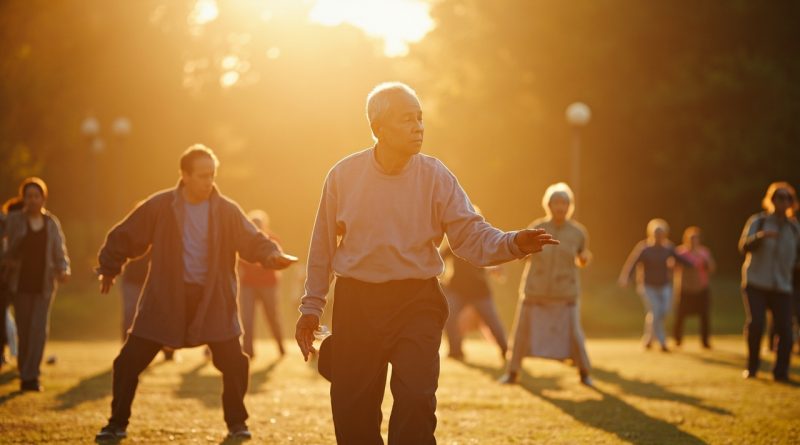
Walk through any Chinese park at dawn and you will see them. Hundreds of people moving in perfect synchronization. Slow. Deliberate. Peaceful. They move like water. Like smoke. Like clouds drifting across mountains.
This is tai chi. And it is not just exercise. It is a way of life.
Here is why tai chi became the most popular martial art in China, practiced by everyone from children to the elderly.
## What Exactly Is Tai Chi?
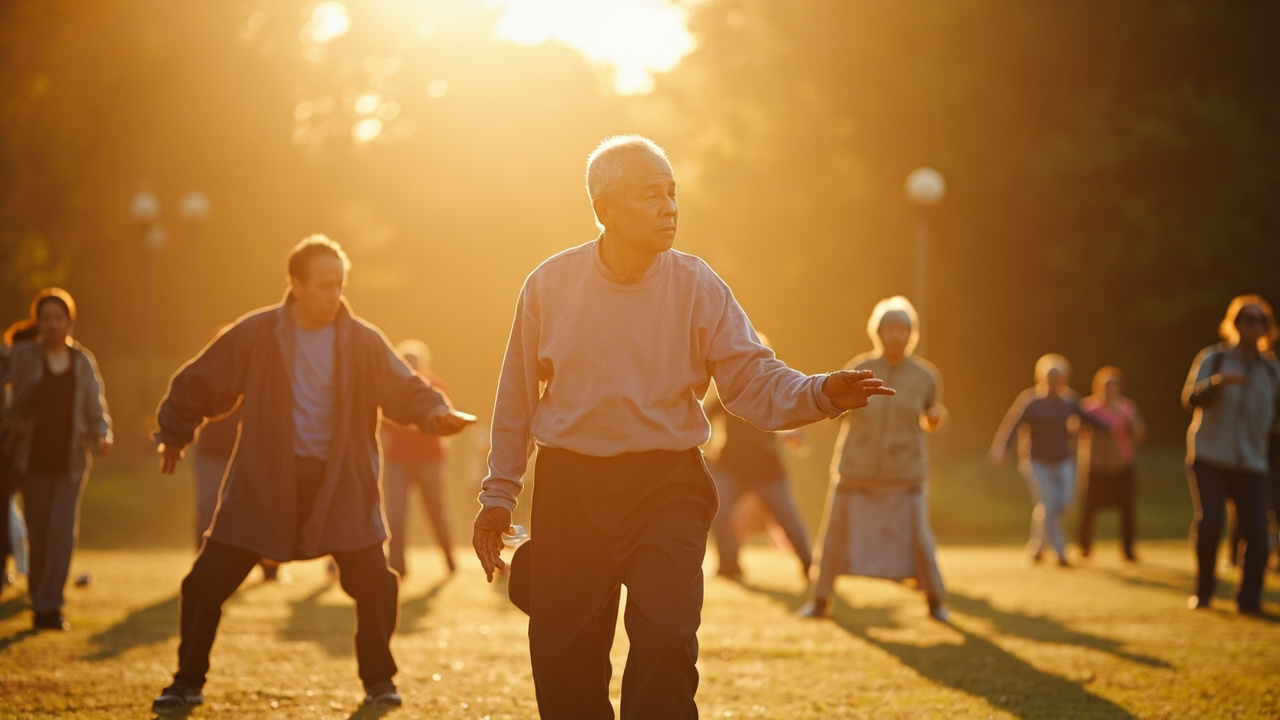
Here is what many foreigners misunderstand: tai chi looks like dance, not fighting.
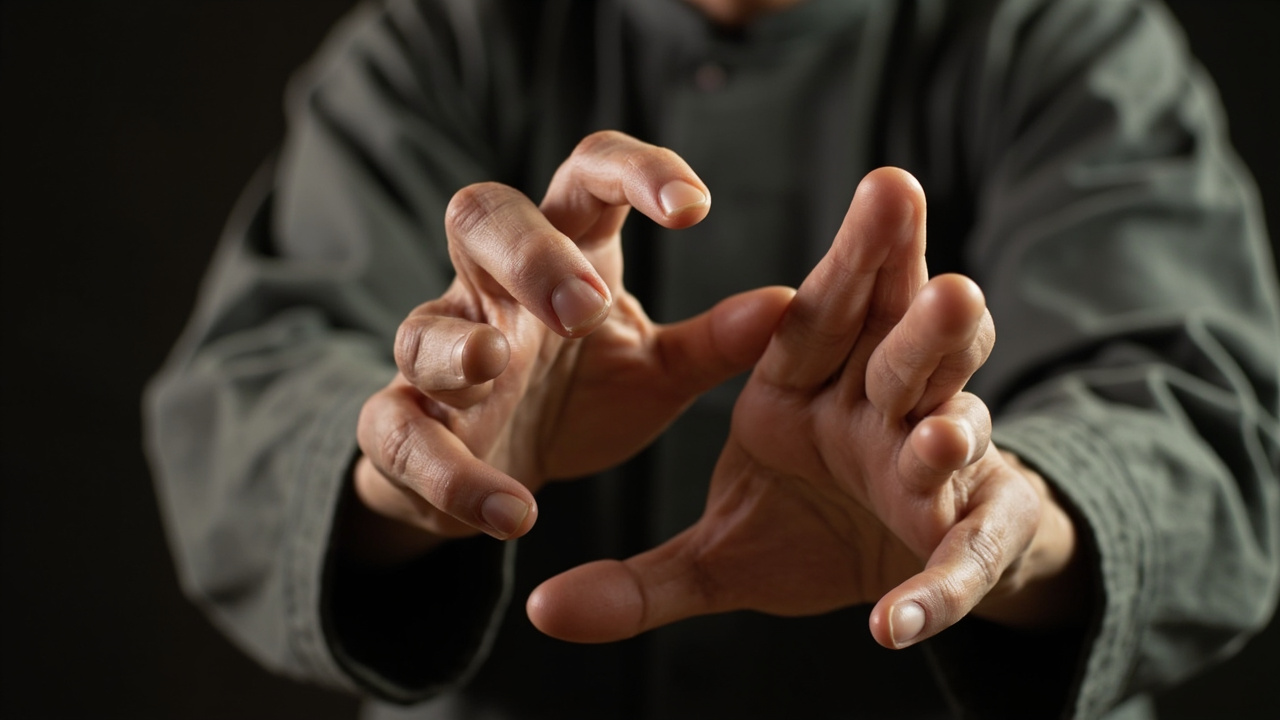
The movements are slow. Graceful. Continuous. There are no sharp strikes or powerful kicks. There is no contact with opponents. There is only flowing motion from one pose to the next.
This does not look like what we imagine martial arts to be. But tai chi is a martial art. It was developed as a fighting system. The slow movements are just the surface. Beneath lies a sophisticated system of leverage, timing, and internal power.
The name itself tells the story. Tai chi means supreme ultimate. It comes from Chinese philosophy. The concept of yin and yang. Complementary forces that create balance. The idea that softness overcomes hardness.
In practice, this means using an opponent’s force against them. Yielding to pressure rather than resisting. Finding balance and using it to redirect energy.
This philosophy makes tai chi unique among martial arts. It is not about overpowering an opponent. It is about finding harmony.
## The Health Benefits
Here is what brings most people to tai chi: the health benefits.
Modern research confirms what Chinese practitioners have known for centuries. Tai chi improves balance. It reduces falls among elderly practitioners. It decreases stress and anxiety. It lowers blood pressure. It improves sleep quality.
One study found that tai chi reduced chronic pain in older adults more effectively than standard exercise programs. Another showed it improved cognitive function in people with memory problems.
These findings have made tai chi attractive to China’s aging population. As the country grows older, more people seek exercise that is gentle on joints but effective for health. Tai chi fits perfectly.
For younger practitioners, the appeal is different. They see tai chi as injury prevention. As cross-training for other sports. As a way to develop body awareness that benefits everything else they do.
## The Cultural Context
Here is why tai chi fits Chinese society: it reflects Chinese values.
Patience. Tai chi cannot be rushed. Progress comes slowly. Mastery takes years. This patience is a traditional virtue.
Harmony. The movements seek balance. Yin and yang. Work and rest. Activity and stillness. This balance is central to Chinese philosophy.
Connection to tradition. Tai chi connects practitioners to Chinese heritage. To the martial arts of their ancestors. To philosophical ideas that shaped Chinese civilization.
For many Chinese people, practicing tai chi is not just exercise. It is cultural practice. It is identity. It is connection to something larger than themselves.
This cultural dimension explains why tai chi persists in modern China. It is not just physical exercise. It is practice of tradition.
## The Morning Park Culture
Here is what amazes visitors to China: the scale of morning exercise.
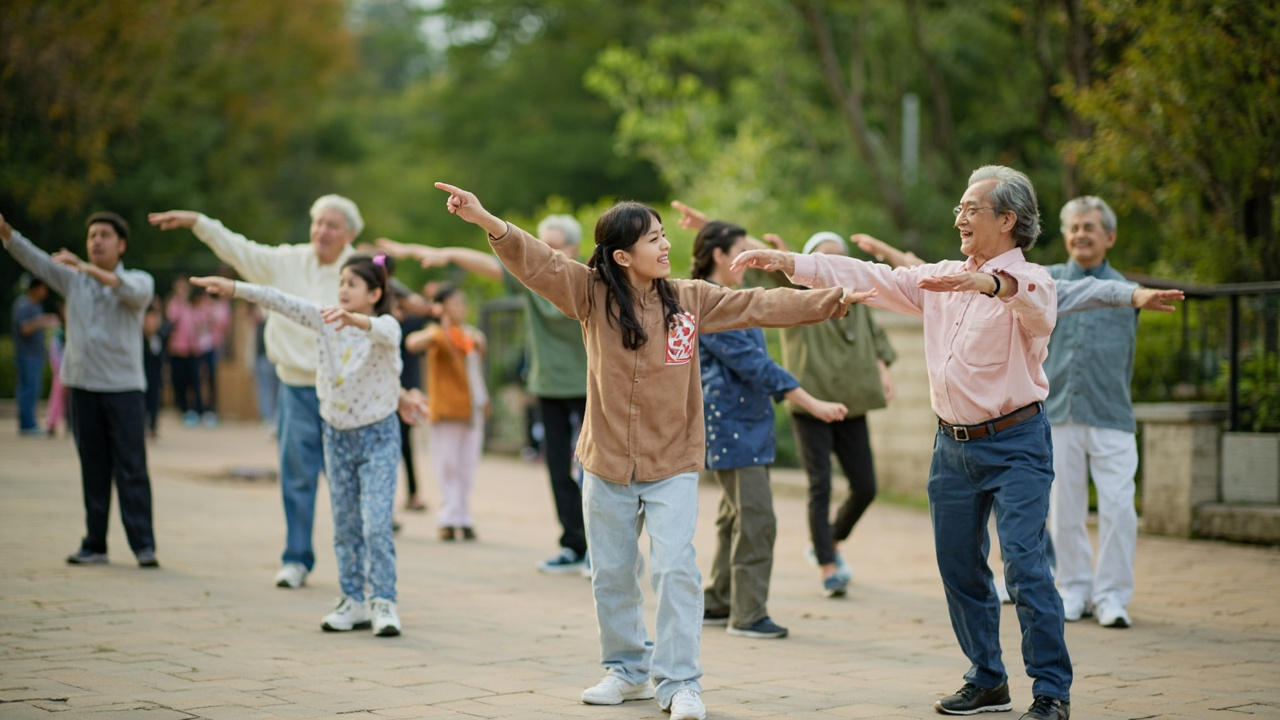
Every major city has parks where tai chi practitioners gather at dawn. Hundreds of people. Sometimes thousands. Moving together in the morning mist. Creating patterns that look like choreographed dance.
Beijing’s Temple of Earth park is famous for this. Early morning, you will find groups practicing various forms. Some have practiced for decades. They move with the confidence of long experience.
This is not just exercise. It is social ritual. Practitioners know each other. They chat before and after. They develop friendships through shared practice. The morning session becomes the structure around which social lives are organized.
For elderly people who live alone, this is crucial. The tai chi group becomes their community. The morning practice gives their days meaning and connection.
## The Intergenerational Appeal
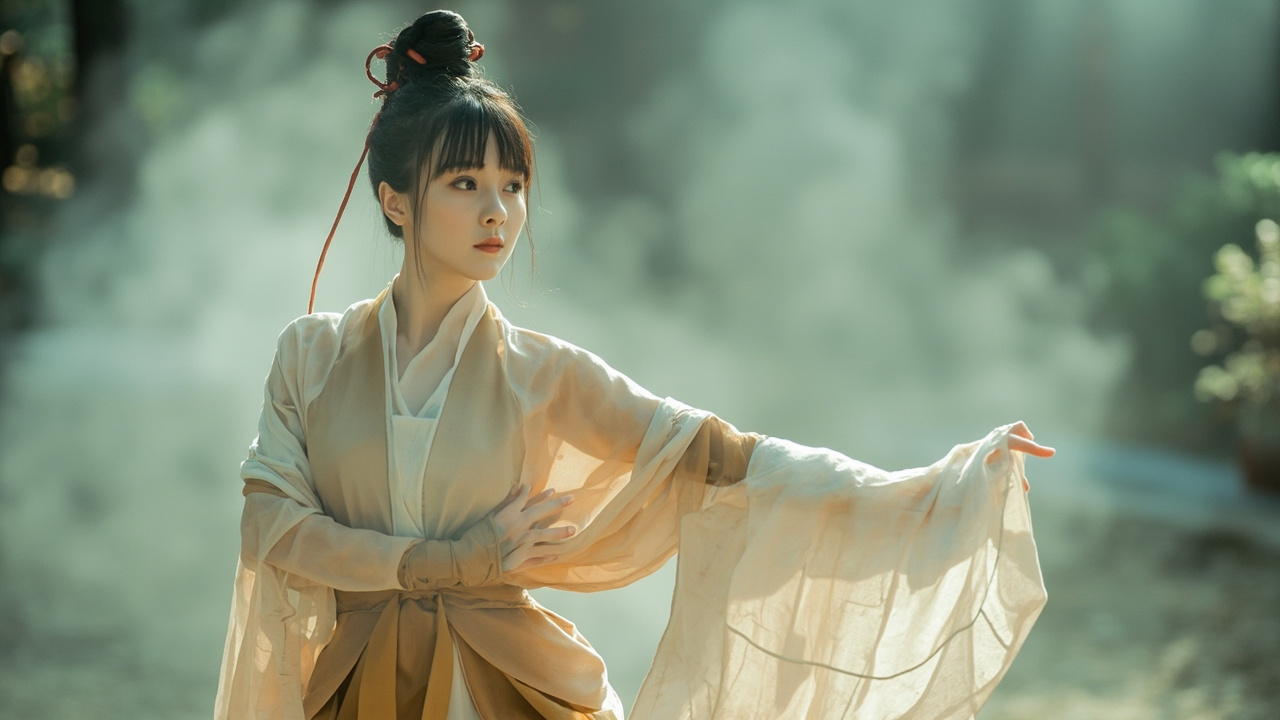
Here is what makes tai chi unusual: it truly spans generations.
Children learn tai chi in school. The movements are adapted for young bodies. The focus is on developing coordination and good habits.
Young adults practice for fitness. They appreciate the low-impact nature. They enjoy the mental focus required. They use it to balance more intense activities.
Middle-aged practitioners value the stress relief. The demands of work and family create tension. Tai chi provides release.
Elderly people love the accessibility. The slow movements are gentle on aging joints. The focus on balance prevents falls. The social aspect combats loneliness.
This intergenerational appeal is rare in exercise. Most activities are age-specific. But tai chi adapts to whoever practices it.
## The Martial Art That Anyone Can Do
Here is the key to tai chi’s popularity: accessibility.
Unlike other martial arts, tai chi has no physical requirements. You do not need to be strong. You do not need to be flexible. You do not need to be young.
You can start at any age. You can continue into very old age. The movements adapt to your body, not the other way around.
This is why tai chi spread so widely. It democratized martial arts. It made the benefits of internal martial arts available to everyone, not just the young and athletic.
In other martial arts, aging means retiring from practice. In tai chi, aging brings deeper understanding. The oldest practitioners are often the most respected. They have practiced longest. They embody the art most fully.
## The Philosophy in Practice
Here is what makes tai chi different from gym exercise: it includes the mind.
Every movement requires mental focus. You must be present. You must concentrate. You must coordinate breath with movement.
This mental dimension is what attracts many practitioners. In a world of constant distraction, tai chi demands attention. It creates a form of moving meditation.
The philosophical framework adds meaning. Practitioners learn about yin and yang. About balance. About the flow of energy through the body. This framework transforms exercise into practice.
For Chinese practitioners, this philosophical content feels familiar. It connects to ideas they learned as children. To concepts embedded in Chinese culture. Tai chi is not foreign exercise imported from elsewhere. It is indigenous practice, developed within Chinese civilization.
## The Modern Wellness Boom
Here is what has happened recently: tai chi went mainstream globally.
During the COVID-19 pandemic, demand for at-home wellness activities surged. Tai chi videos went viral. Millions of people worldwide tried the practice for the first time.
Celebrities posted themselves practicing. Athletes credited tai chi for their recovery. Doctors recommended it for stress and balance.
This global attention has flowed back to China. Chinese people see foreigners embracing their traditional practice. This creates pride. It reinforces the value of their own cultural heritage.
The wellness industry has also taken notice. Tai chi retreats have become popular. Wellness resorts offer tai chi programs. The market for tai chi instruction has grown significantly.
## The Truth
So why is tai chi so popular among Chinese people of all ages?
Because it is accessible to everyone. Because the health benefits are real and documented. Because it connects to Chinese cultural values. Because the morning park culture creates community. Because it spans generations in ways other exercises cannot. Because it includes mind as well as body.
Because for 78 million practitioners, tai chi is not just exercise. It is practice. It is tradition. It is identity.
The next time you see a group of elderly Chinese people moving slowly through tai chi forms in a park, do not see gentle exercise. See a living tradition. See a community forming. See a practice that has survived for centuries because it serves such fundamental human needs.
Balance. Health. Connection. Purpose.
These are why tai chi will remain popular for generations to come.