Why Do Foreigners Love Visiting Dunhuang Mogao Grottoes?
Why Do Foreigners Love Visiting Dunhuang Mogao Grottoes?
Let me give you a number: 3.12 million.
That is how many people visited the Mogao Grottoes in 2024 alone. These are foreigners who flew across continents. Who endured long flights and remote desert locations. Who waited months for reservation tickets.
For what? For some caves. In the desert. With paintings on walls.
Here is why Dunhuang has become one of the most sought-after travel destinations on Earth for international visitors.
## The Scale of Human Achievement
Here is what strikes visitors first: the sheer scale of the place.
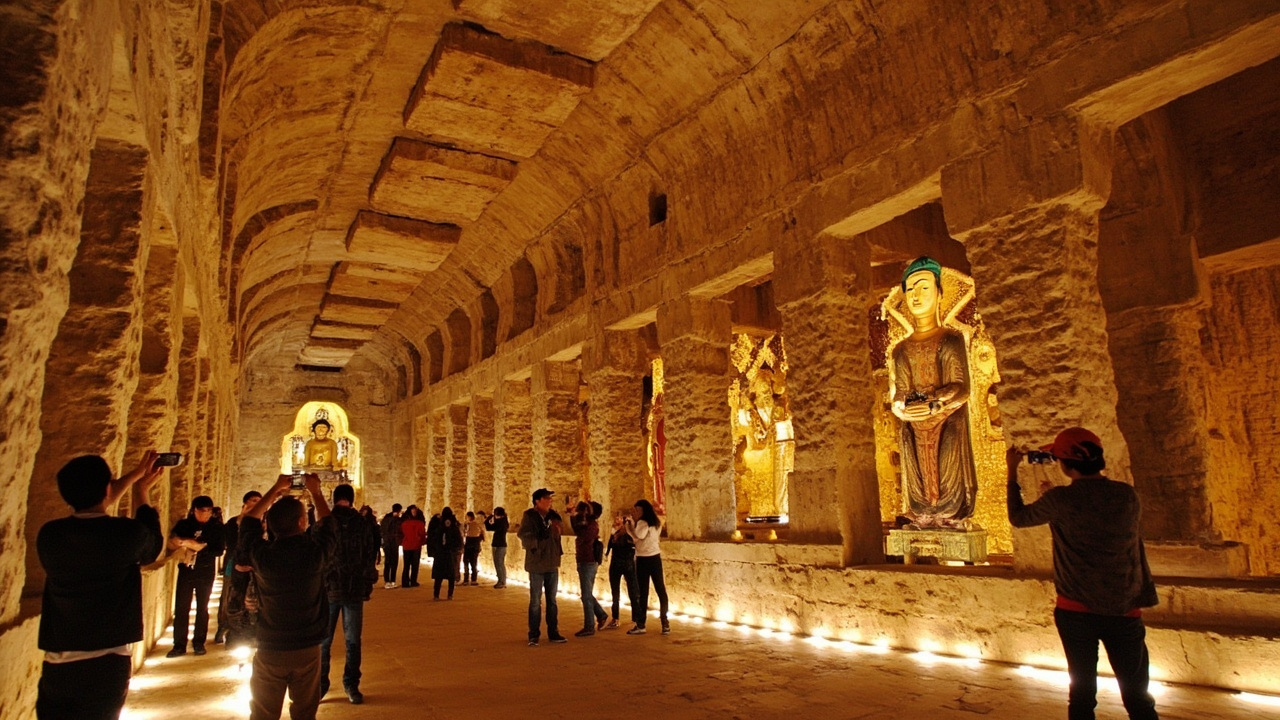
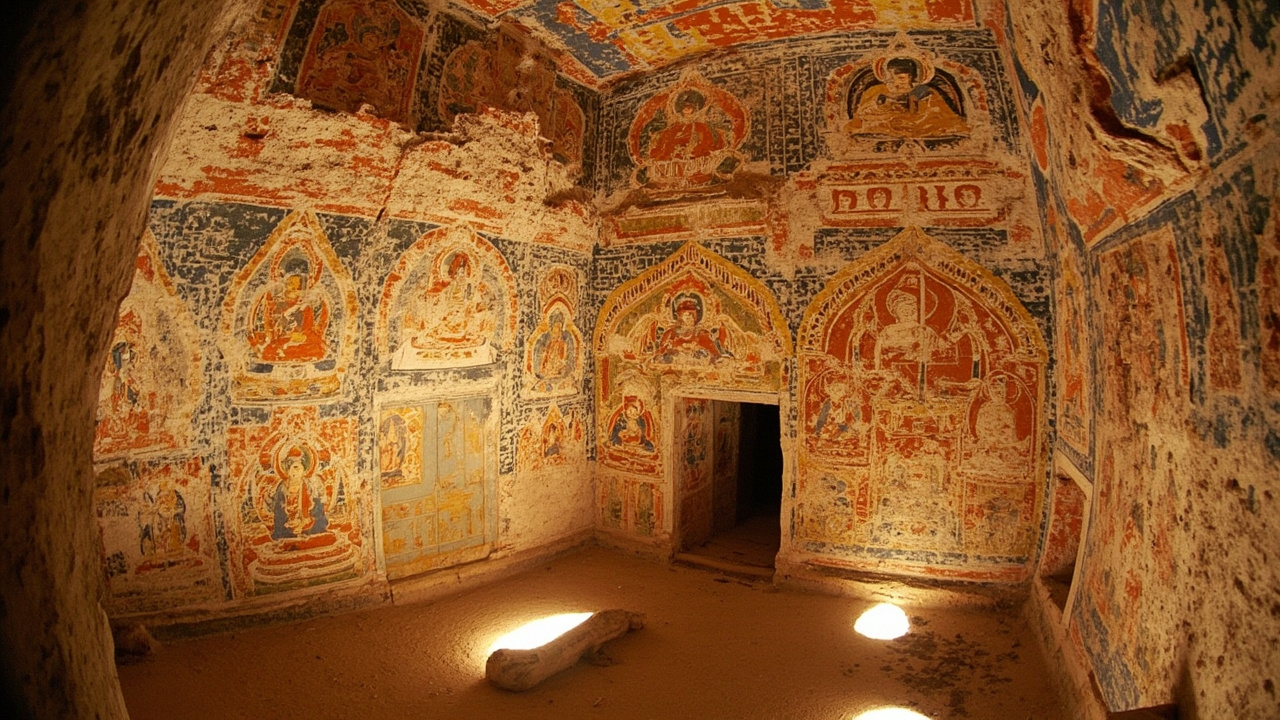
There are 735 caves carved into the cliffsides. They span 1,000 years of history. From the 4th century to the 14th century. Generations of Buddhist monks, artists, and craftsmen worked here. They created something that would survive for millennia.
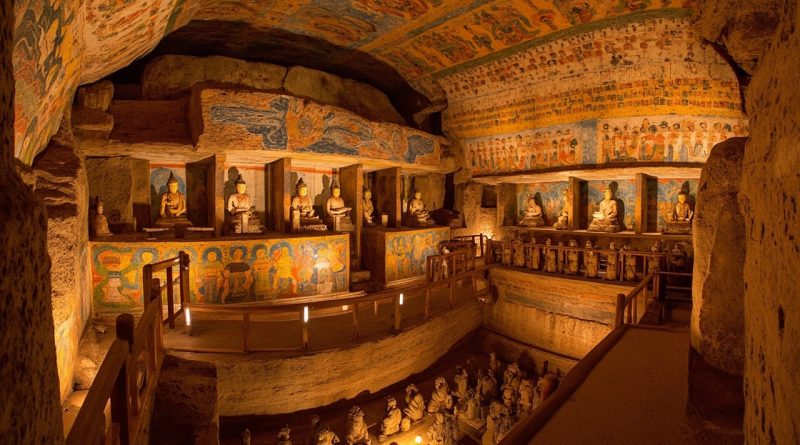
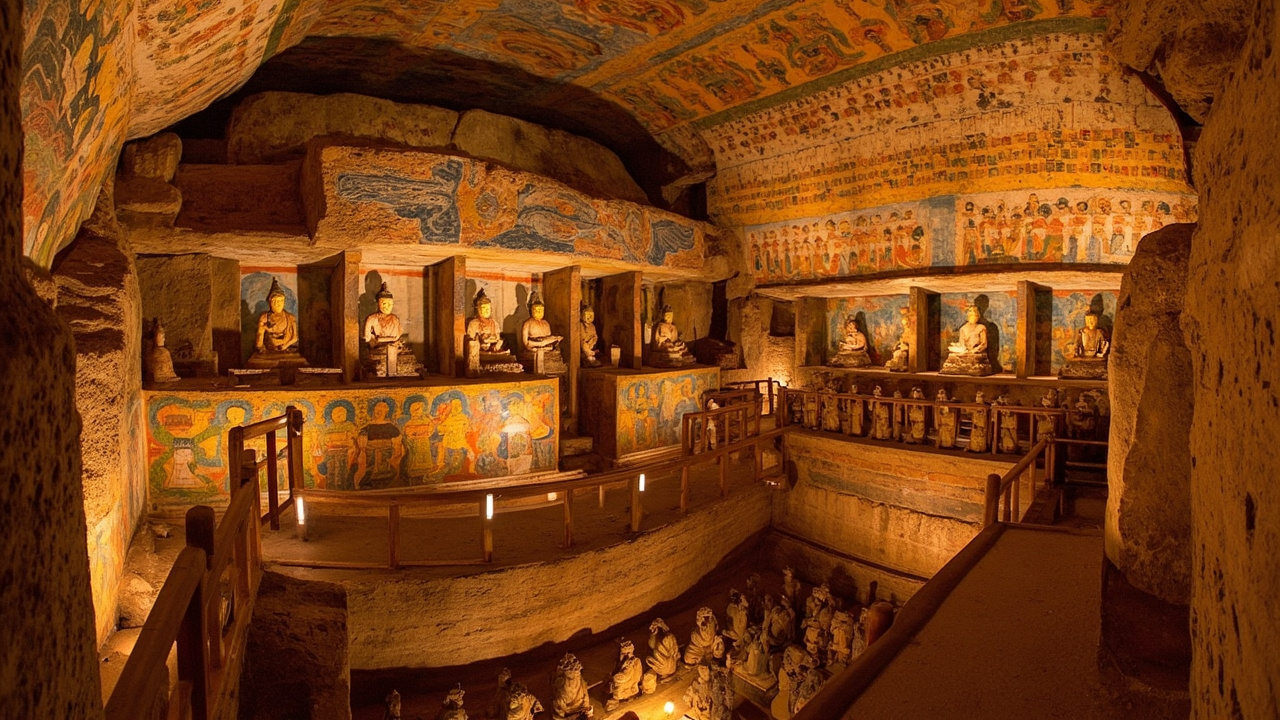
Inside those caves: 45,000 square meters of murals. More than 2,000 painted statues. Some caves are tiny meditation chambers. Others are massive halls with ceilings that soar overhead.
The cave walls are covered with paintings. Buddhist scenes. Flying apsaras. Celestial musicians. Dragons and phoenixes. The colors remain vibrant despite being over a thousand years old.
To walk through these caves is to step into a time machine. To witness the artistic and spiritual ambitions of ancient Chinese civilization.
## Art That Bridges Civilizations
Here is what makes Dunhuang unique: it sits at the crossroads of cultures.
The Silk Road ran through Dunhuang. This was where East met West. Where Chinese merchants met Indian Buddhist monks. Where Persian traders met Central Asian artists.
The art at Mogao reflects this mixing. You see Buddhist figures with Indian features. Persian decorative patterns. Greek-style architectural elements. Chinese landscape painting techniques.
This fusion creates something unprecedented. A visual language that is neither purely Eastern nor purely Western. It is something new. Something that could only exist at this crossroads of civilizations.
Foreign visitors recognize this significance. Dunhuang represents one of history’s greatest examples of cultural exchange. Of how art evolves when different traditions meet.
## The Conservation Challenge
Here is why your visit matters: every ticket helps preserve this heritage.
The caves face constant threats. Sand erosion. Water damage. Visitor breath damaging the paintings. The Chinese government and international organizations spend enormous resources on conservation.
Visitor fees fund the preservation efforts. They also fund digital scanning projects. Researchers are creating high-resolution 3D scans of every cave. This will preserve the art even if the caves themselves deteriorate.
When you visit Dunhuang, you are not just sightseeing. You are participating in the preservation of human heritage. Your presence helps ensure these caves survive for future generations.
## The Desert Setting
Here is what surprises many visitors: Dunhuang is incredibly remote.
The city sits at the edge of the Gobi Desert. It is not on the way to anywhere. You do not pass through Dunhuang on the way to somewhere else. You go there specifically.
This remoteness adds to the experience. The journey itself feels like a pilgrimage. You travel across desert landscapes. Through vast emptiness. And then suddenly: caves. Art. Civilization.
The contrast is powerful. The harsh desert all around. The lush artistic world within the caves. Visitors often describe a sense of revelation when they enter.
## Beyond the Caves
Here is what many foreigners discover: Dunhuang offers more than caves.
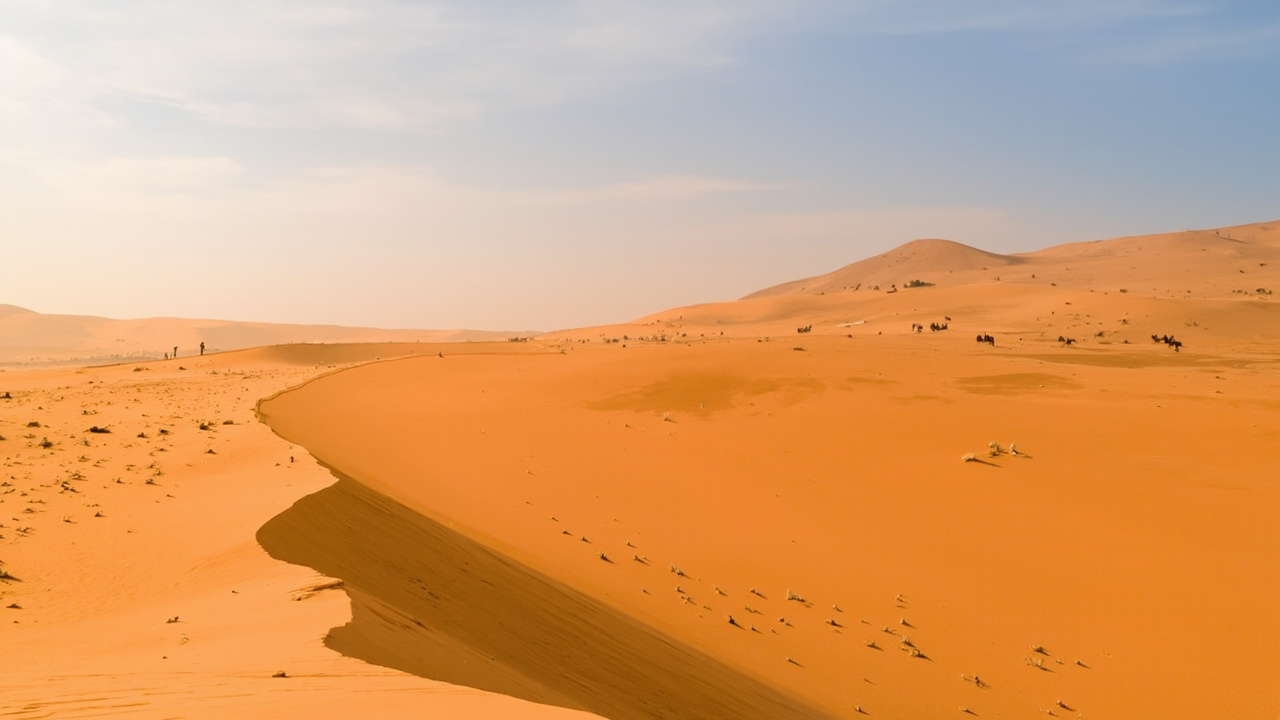
The Singing Sand Mountains (Mingsha Shan) rise beside the oasis. You can ride camels through the desert. You can watch the sunset over the dunes. The sound of wind on sand creates an unusual acoustic phenomenon.
Crescent Lake sits at the base of the dunes. An natural oasis that has persisted for centuries. It seems impossible in the desert setting. Yet there it is.
The Silk Road markets sell local crafts. Traditional foods reflect Central Asian influences. The cultural experience extends well beyond the cave walls.
## The Digital Experience
Here is what has changed recently: technology has transformed the visit.
The Dunhuang Research Academy developed digital restoration projects. Using advanced imaging technology, they have reconstructed damaged murals. They have revealed details invisible to the naked eye.
Virtual reality experiences now complement the physical visit. You can see caves that remain closed to the public. You can view the murals in their original vibrant colors before time faded them.
The Mogao Caves website offers virtual tours. International visitors can explore caves from anywhere in the world. This has actually increased interest in visiting physically. Seeing the real thing after experiencing the virtual version becomes irresistible.
## The Spiritual Dimension
Here is what many visitors report: Dunhuang affects you spiritually.
Regardless of religious belief, something shifts when you stand inside these caves. The devotion of ancient artists radiates from every surface. The accumulated spiritual energy of centuries permeates the spaces.
Buddhist practitioners still visit to meditate in certain caves. The religious context remains alive. Foreign visitors may not be Buddhist, but they sense the sacred atmosphere.
In an age of superficial experiences, Dunhuang offers depth. It connects visitors to something larger than themselves. To human creativity spanning a thousand years.
## The Photography Restrictions
Here is what frustrates some visitors: photography is restricted.
Flash photography is prohibited. Tripods are forbidden. In most caves, no cameras allowed at all. The art is protected from light damage.
This restriction forces visitors to be present. To experience the art directly rather than through a camera lens. To commit the images to memory rather than to a memory card.
Many foreigners appreciate this. It creates a different kind of visit. One focused on direct experience rather than documentation. One that feels more like pilgrimage than tourism.
## The Global Significance
Here is why international visitors feel compelled to see Dunhuang: it belongs to all of humanity.
UNESCO designated Mogao Grottoes as a World Heritage Site in 1987. This designation recognizes sites of outstanding universal value. Sites that belong to all people, not just one nation.
Dunhuang is mentioned in the same breath as the Pyramids of Egypt. The Acropolis in Greece. The Great Wall of China. These are places that define human civilization.
International visitors feel they have a duty to witness these sites. To stand before them. To understand what human beings achieved.
## The Authenticity
Here is why Dunhuang feels different from other tourist sites: it is real.
This is not a replica. Not a recreation. Not a Disneyfied version of history. These caves were actually carved. These paintings were actually created by human hands. This is authentic heritage.
In an age of virtual experiences and manufactured attractions, authenticity has become precious. Visitors seek out genuine experiences. Dunhuang offers something that cannot be fabricated or faked.
The art was created by people seeking spiritual fulfillment. Not for tourists. Not for money. For religious devotion. That original purpose still resonates in the caves.
## The Truth
So why do foreigners love visiting Dunhuang Mogao Grottoes?
Because it represents the pinnacle of human artistic achievement. Because it shows what happens when civilizations meet and create something new. Because it is real and authentic in an age of fakes. Because it connects visitors to something spiritual. Because the journey itself transforms you.
Because in 735 caves, spanning 1,000 years, we see ourselves. Our capacity for creativity. For devotion. For building things that last.
The next time you see a photograph of Dunhuang’s caves, do not see just paintings on walls. See a thousand years of human aspiration. See the crossroads of civilizations. See why every year, 3 million people make the journey to the edge of the Gobi Desert to witness this miracle.
Some places exist that remind us what we are capable of. Dunhuang is one of them.