Why Is Chinese Red So Important in Chinese Culture?
Why Is Chinese Red So Important in Chinese Culture?
Here is a question visitors to China always ask: why is everywhere so red?
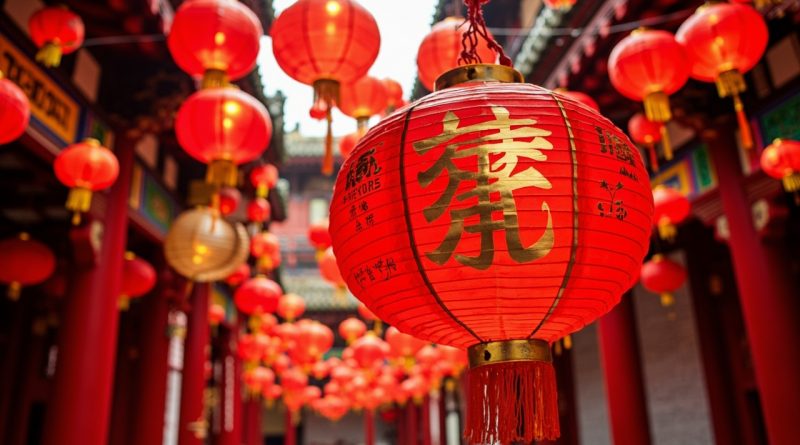
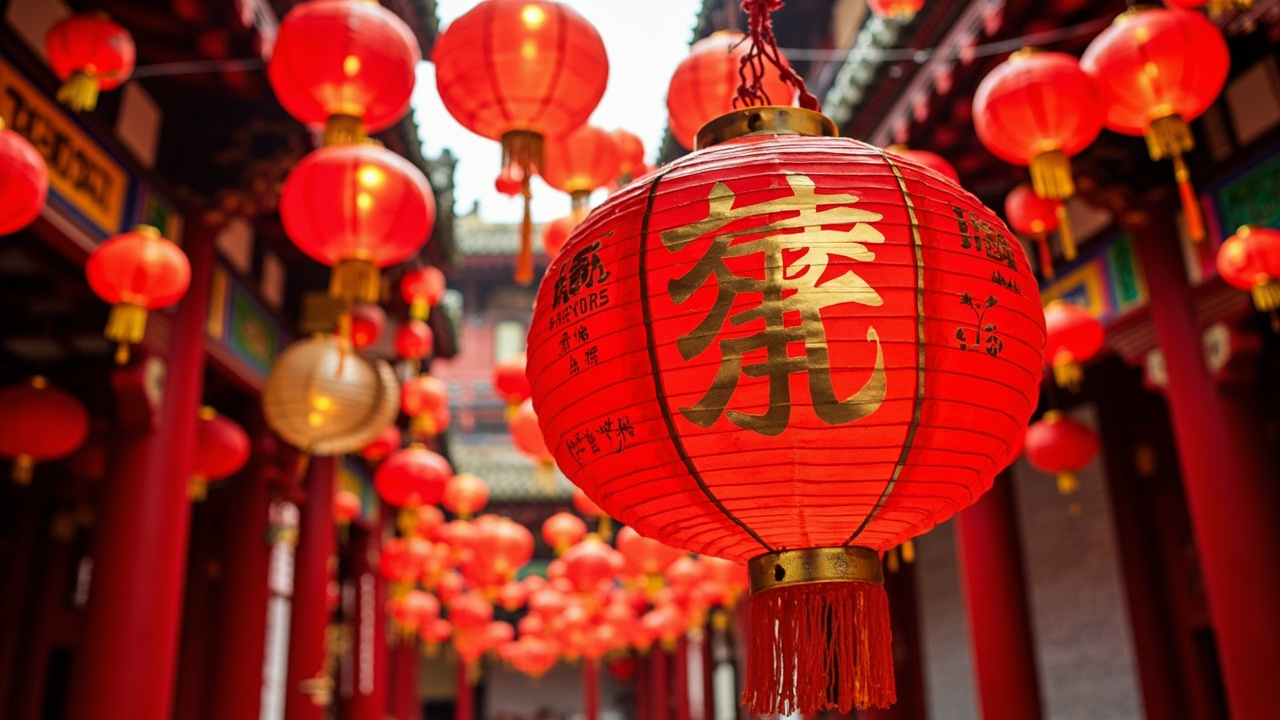
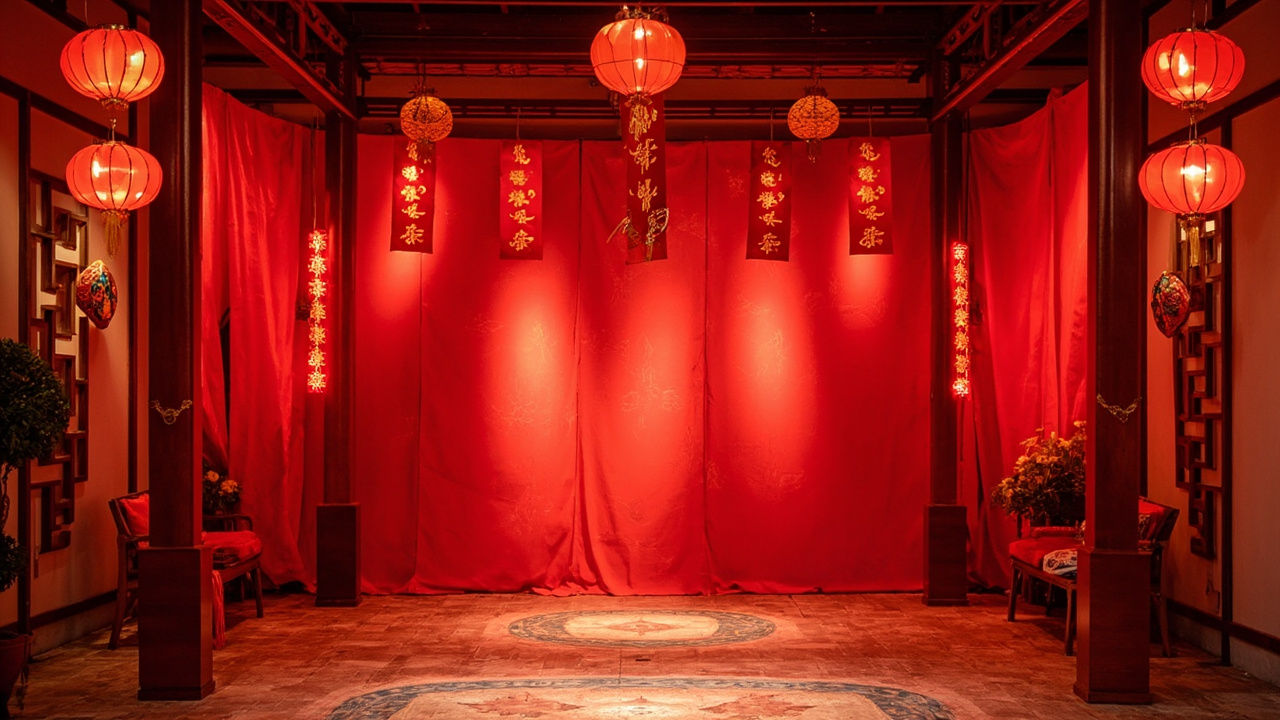
Red lanterns hang from every building. Red banners frame doorways. Red envelopes exchange hands. Red clothes fill celebration venues. Red dominates Chinese visual culture in ways no other color dominates any other culture on Earth.
In the West, red often means danger or stop. In China, red means luck. Fortune. Happiness. Life. Everything good.
Here is why red became the defining color of Chinese culture, and why it remains so powerful today.
## The History of Red
Here is where it starts: red is not just a color in China. It is history itself.
The Chinese word for red is hong. But it is also called zhu. This character shares the same radical as ming, meaning bright or clear. Red and light were conceptually linked. In ancient China, red represented the sun. The fire. The warmth that sustained life.
Ancient Chinese civilization worshipped the sun. The emperor was called the Son of Heaven. Red was the color of that solar connection. It became the imperial color. Only the emperor could wear certain shades of red.
This history goes back thousands of years. The Shang Dynasty used red decorations in rituals. The Zhou Dynasty formalized red as the color of nobles. By the time of the Han Dynasty, red was inseparable from Chinese identity.
## The Symbolic Meanings
Here is what makes red rich in Chinese culture: it carries multiple meanings simultaneously.
First, red means lucky. This comes from the word for red, hong, which sounds like the word for prosperity, hong. Sound alchemy matters in Chinese culture. Things that sound alike can share fortunes.
Second, red means festive. Weddings. New Year. Birthdays. Every celebration fills with red. It creates visual joy. It signals that something important is happening.
Third, red means protective. Ancient Chinese believed red warded off evil spirits. Newborn babies were wrapped in red. Door frames were painted red to keep ghosts away. This magical quality persists in modern practices.
Fourth, red means honor. The phrase cheng se zi, to become red with shame, shows that blushing carries positive meaning. Being red-faced from effort or emotion is honorable, not embarrassing.
## Red and Celebrations
Here is where visitors see red most dramatically: celebrations.
Chinese New Year transforms every home into red galleries. Red couplets frame doors. Red paper cuttings decorate windows. Red envelopes appear everywhere. The color creates a unified visual celebration that bonds entire communities.
The red envelope tradition carries deep meaning. Elders give money to young people in red envelopes. The color transfers luck from old to young. The money provides material support. The ritual strengthens family bonds across generations.
Weddings showcase red at its most elaborate. The bride wears red. The decorations are red. The candles burn with red flames. Everything speaks of fertility, happiness, and the beginning of new family lines. This is entirely different from Western white wedding tradition, which emphasizes purity through whiteness.
## Red in Politics and Power
Here is what surprises many people: red in China is not only cultural. It is political.
The Chinese Communist Party adopted red as its color. This was not random. Red carried all its historical weight. It meant power. Authority. Connection to the people. The red flag became inseparable from the new Chinese state.
This political use of red builds on rather than replaces traditional meanings. The Party serves the people. Red represents that service. Revolutionary songs use red imagery. The flag flies over government buildings. Red remains powerful precisely because it already carried so much meaning.
After 1949, red became more political. But it never lost its cultural significance. Both dimensions coexist. Red serves both purposes without contradiction.
## The Psychology of Red
Here is what researchers have found: red creates measurable effects.
Studies show that red increases heart rate. It stimulates excitement. It creates energy. In China, this physiological response reinforces cultural associations. Red makes people feel active. Alert. Alive.
For celebrations, this physiological effect amplifies emotional joy. Red environments create red moods. The color and the feeling become inseparable.
In business, red signals attention. Red prices catch eyes. Red brands stand out. The competitive attention economy of modern China uses red to demand notice.
## Red in Art and Architecture
Here is what makes Chinese art distinctive: red appears everywhere.
Traditional Chinese architecture uses red columns. Red doors. Red window frames. The Forbidden City shows this most grandly. Every surface that can be red is red. The color creates visual unity across massive spaces.
Chinese painting uses red sparingly but meaningfully. A red seal marks authentic artworks. A red accent draws attention to focal points. Red in Chinese art is not background color. It is emphasis.
Paper cutting art uses red as its primary medium. Intricate designs emerge from red paper. The color carries lucky meanings into decorative forms. Red paper cuttings appear at every celebration.
## Red and Identity
Here is the deeper truth about Chinese red: it marks identity.
Chinese diaspora communities use red to signal their heritage. Red decorations appear in Chinatowns worldwide. Red clothing marks ethnic Chinese at international events. The color creates instant recognition across cultures.
When overseas Chinese see red, they feel connection. To family left behind. To traditions maintained. To cultural memory that persists across generations and oceans.
This identifying power of red makes it more than decoration. Red becomes a symbol of who Chinese people are. What they value. How they see the world.
## Red in Modern China
Here is what has happened recently: red has become more prominent, not less.
Economic growth enabled mass celebration. More families could afford elaborate red decorations. The color spread with rising prosperity. Red became more visible as China became wealthier.
Social media amplified red symbolism. Festival photos spread instantly. Red imagery circulates globally. The color that once marked Chinese identity locally now marks it globally.
Commercial culture discovered red’s attention power. Brands use red extensively. Shopping festivals peak with red imagery. Red envelopes transfer digitally now. But the color remains.
## The Global View
Here is what makes Chinese red unique globally: no other major culture treats a single color this way.
In Japan, multiple colors share cultural significance. In India, saffron carries spiritual weight but not this level of dominance. In the West, red is one color among many. Only in China does a single color saturate every aspect of cultural expression so completely.
This uniqueness makes Chinese culture immediately recognizable. Red creates visual signature. It marks Chinese identity in global contexts. It communicates heritage without words.
## The Future of Red
Here is what trends suggest: red will only grow more powerful.
As China’s global influence expands, Chinese culture spreads. Red comes with it. International audiences learn red meanings. They encounter red in media, products, and experiences. The color that began in ancient China now appears on products everywhere.
Global brands adopt red for Chinese markets. They learn that red sells. This commercial adoption spreads red imagery worldwide. The color that began in ancient China now appears on products everywhere.
Young Chinese reinterpret red traditions. They blend traditional meanings with contemporary aesthetics. Red maintains its cultural core while adapting to new forms. The color stays vital because it stays connected to living practice.
## The Truth
So why is Chinese red so important in Chinese culture?
Because red carries thousands of years of accumulated meaning. Because it marks every important moment in life from birth to death. Because it represents simultaneously lucky, festive, protective, and honorable. Because it connects ancient traditions to modern power structures. Because it marks identity for 1.4 billion people and diaspora communities worldwide.
Because red is not just a color in China. Red is how China sees itself. How it celebrates. How it worships. How it identifies.
Walk through any Chinese city. See the red everywhere. Do not see only decoration. See a civilization’s visual soul. See thousands of years of culture, expressed in one powerful color.
That is why red is so important in Chinese culture. It is not preference. It is identity made visible.