Why Is Chinese Calligraphy So Important in Chinese Culture?
Why Is Chinese Calligraphy So Important in Chinese Culture?
Here is what you notice first when you visit China: the writing is everywhere.
Shop signs swing in the wind. Calligraphic scrolls decorate homes. Stone inscriptions mark ancient sites. Even everyday receipts carry flowing characters. The written word permeates Chinese visual culture in ways no other culture on Earth matches.
But this is not just decoration. Chinese calligraphy carries meaning beyond the words themselves. The way characters are written reveals the writer’s soul. The strokes carry emotion. The spacing shows character.
Here is why Chinese calligraphy became one of the most important art forms in Chinese civilization, and why it remains vital today.
## The Origins of an Art Form
Here is where calligraphy begins: not as art, but as necessity.
Chinese characters evolved over thousands of years from pictographs. Early symbols depicted objects directly. A sun was a circle with a line. Water was wavy lines. These pictures gradually abstracted into the characters we know today.
As characters developed, so did the skill of writing them. Officials needed legible documents. Scholars wanted beautiful compositions. The act of writing transformed from functional task to expressive practice.
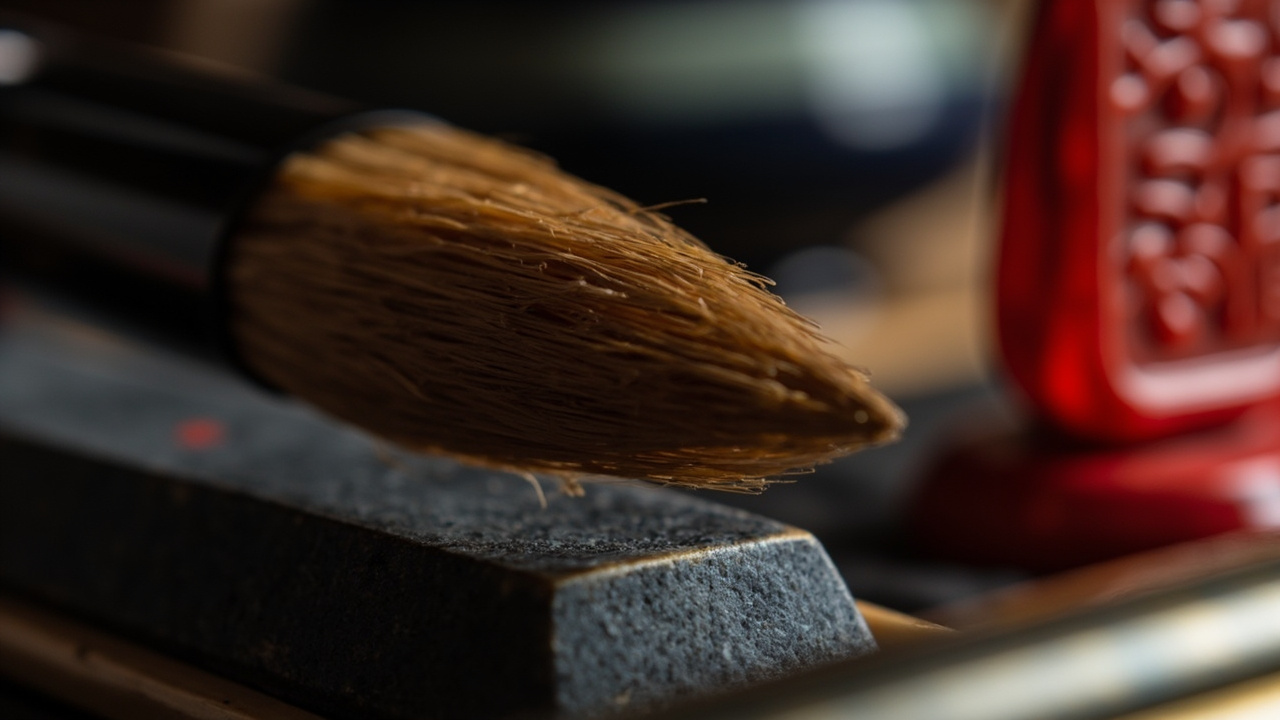
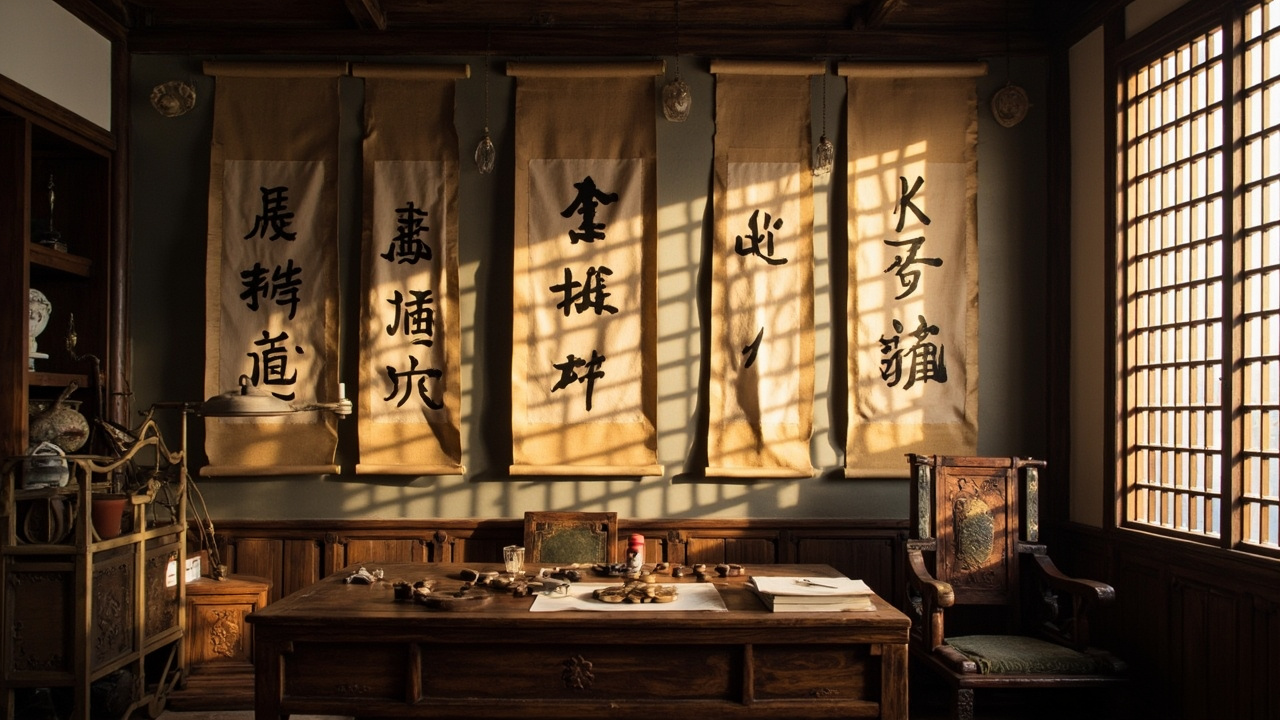
By the Han Dynasty, calligraphy was already recognized as a high art. The Four Treasures of the Study emerged: brush, ink, paper, and inkstone. These tools defined the calligrapher’s workshop. They remain unchanged today.
## The Philosophy in the Strokes
Here is what makes calligraphy more than writing: every stroke carries meaning.
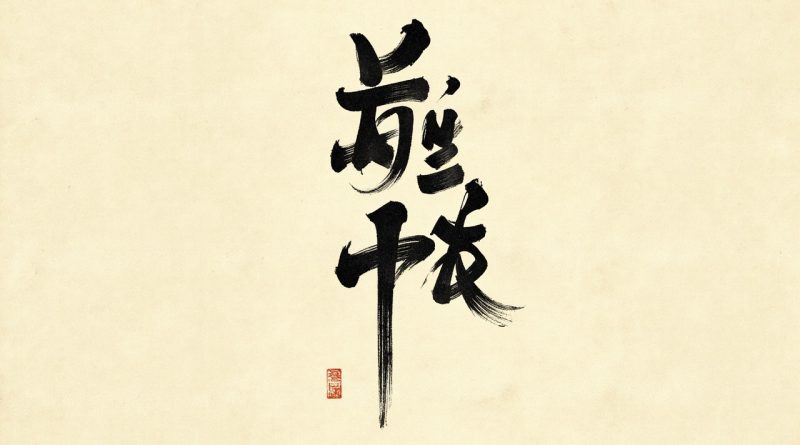
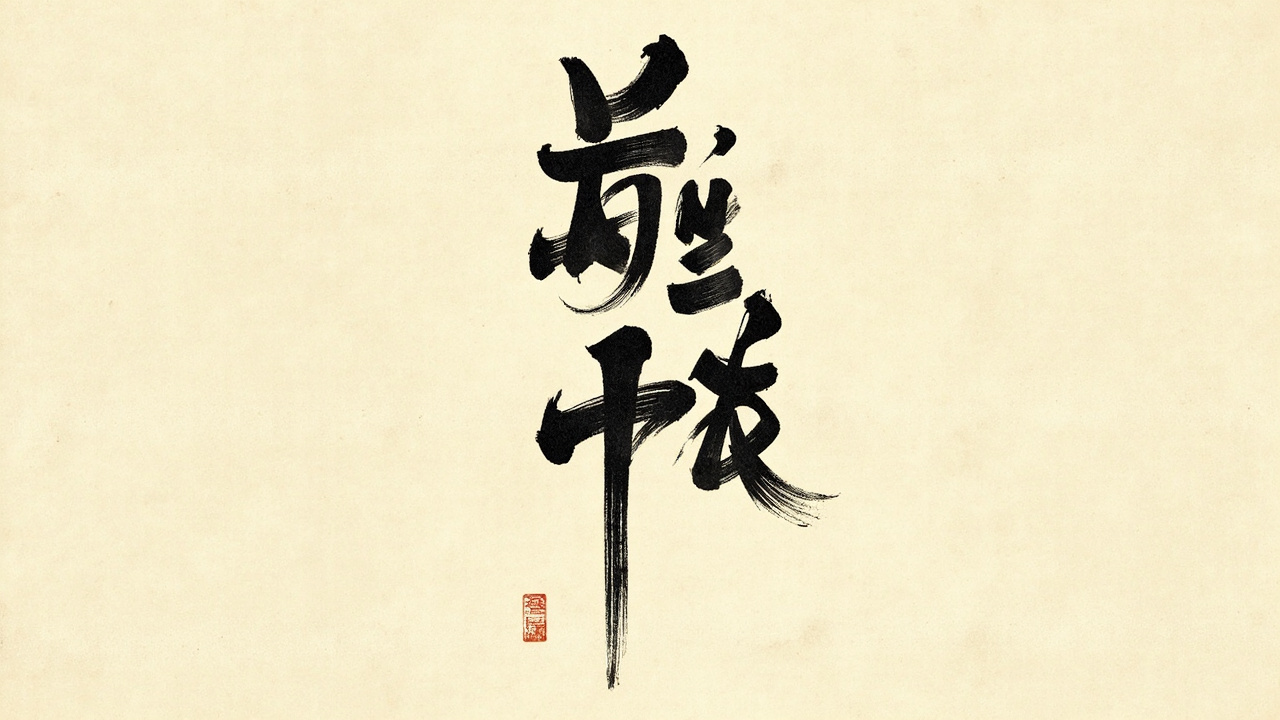
A calligraphic stroke is never random. The brush moves with intention. Press down for strength. Lift for lightness. Sweep for elegance. Stop for emphasis. These movements embody Chinese philosophical concepts.
The concept of qi, vital energy, flows through good calligraphy. The strokes must breathe. They must live. Dead strokes lie flat on the page. Living strokes pulse with energy.
Balance matters profoundly. Characters must feel stable yet dynamic. Too rigid and they are mechanical. Too loose and they are chaotic. The calligrapher seeks harmony between structure and expression.
This philosophical dimension elevates calligraphy beyond technique. The brush becomes an extension of the writer’s spirit. What emerges on paper reflects what exists in the writer’s soul.
## The Five Styles
Here is what creates endless variety: five distinct calligraphic styles developed over centuries.
Kaishu, regular script, emerged during the Tang Dynasty. It is the most readable style. Schoolchildren learn this form first. It became the standard for printed text and official documents.
Xingshu, running script, flows more freely. Strokes connect naturally. The hand moves quickly across the page. This style balances speed with legibility.
Caoshu, grass script, abandons readability for pure expression. Characters dissolve into flowing lines. Only trained eyes can read them. This style appears most in artistic contexts.
Lishu, official script, developed for administrative efficiency. It standardized character forms across the empire. This style transformed calligraphy into statecraft.
Zhuanshu, seal script, is the oldest style still practiced. Characters appear in their most decorative form. Seals use this style exclusively. It carries the weight of tradition.
Each style serves different purposes. Together they create a complete system of visual expression.
## Calligraphy as Status Symbol
Here is what made calligraphy essential for scholars: it marked education and refinement.
In imperial China, passing civil service examinations required beautiful calligraphy. Officials were judged by their penmanship as much as their knowledge. Poor handwriting suggested poor character.
This connection between writing and worth shaped Chinese education for centuries. Children spent years mastering brush techniques. They copied classic texts repeatedly. They developed their own styles gradually.
The scholar who could not calligraphize was no scholar at all. Calligraphy separated the educated from the illiterate. The refined from the crude. The cultured from the vulgar.
This social function gave calligraphy enormous prestige. It was not merely art. It was proof of belonging to the scholarly class.
## The Tools Matter
Here is what makes calligraphy distinctive: the tools demand respect.
A calligraphy brush is made from animal hair bound to bamboo. The bristles hold ink differently than ballpoint pens. The writer must control ink flow consciously. Too dry and strokes are scratchy. Too wet and they bleed.
Rice paper absorbs ink in unpredictable ways. The fibers spread the pigment. The writer works with this spreading rather than against it. Accidents become features. Imperfections become character.
Ink is ground from solid cakes on inkstones. The grinding process itself is meditative. The calligrapher prepares the ink mindfully. Modern pens cannot offer this ritual preparation.
These tools connect writers to centuries of tradition. Every calligrapher uses essentially the same materials. The medium itself links present to past.
## The Daily Practice
Here is what surprises many people: calligraphy remains a daily practice for millions of Chinese.
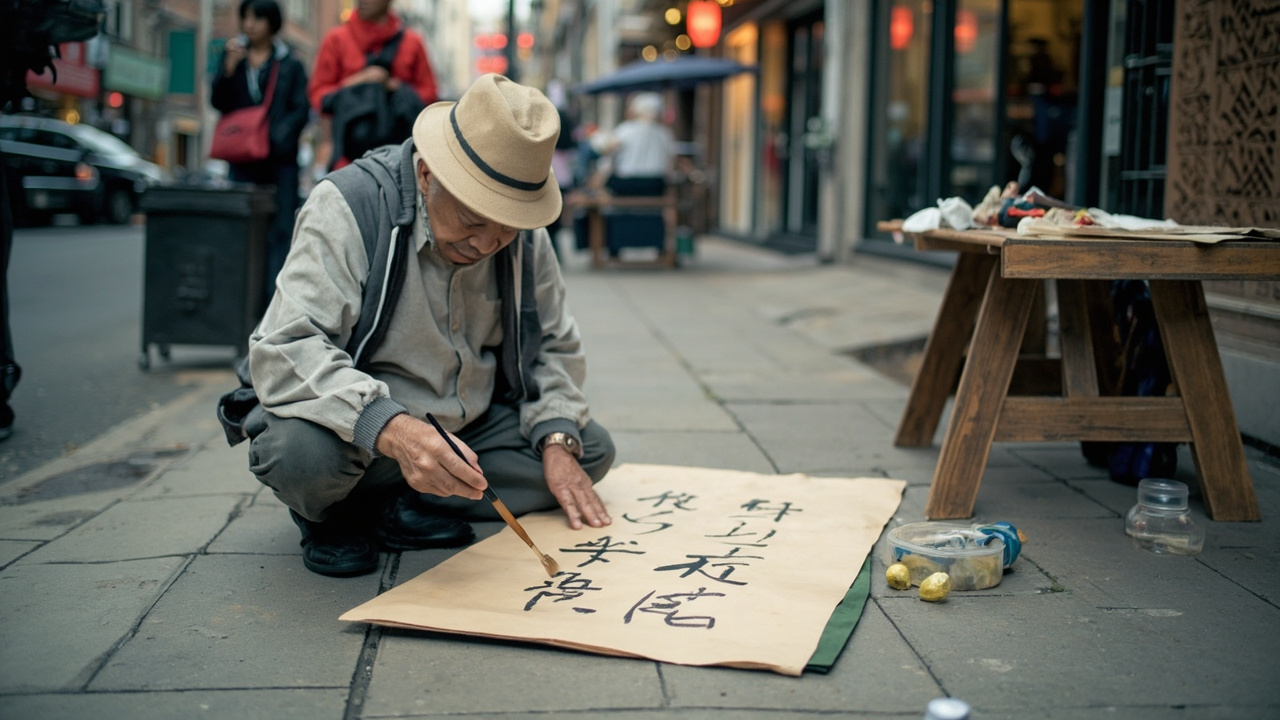
Elderly practitioners gather in parks every morning. They fill buckets with water and brush characters on pavement. The water evaporates, leaving no trace. They practice without recording. The practice itself is the purpose.
Students continue formal training after school. Tutoring centers teach calligraphy alongside mathematics. Parents believe beautiful handwriting reflects disciplined thinking. The skill develops mental focus as much as motor control.
Working adults practice in evenings. Some maintain journals in calligraphy. Others paint characters for meditation. The slow, deliberate movements calm busy minds.
This daily integration distinguishes calligraphy from purely decorative arts. It is not museum art. It is living practice.
## Calligraphy and Identity
Here is the deeper meaning: calligraphy connects Chinese people to their identity.
The written Chinese language binds speakers of different dialects together. A person from Shanghai and a person from Chengdu speak different languages verbally. But they read the same characters. Calligraphy represents this shared written inheritance.
For diaspora communities, calligraphy marks cultural identity. Characters on walls signal Chinese heritage. Calligraphic gifts carry special meaning. The art form represents connection to ancestral lands.
This identity function explains calligraphy is resilience. Despite political changes and social upheavals, calligraphy persisted. It carries meaning that transcends politics. It represents Chinese civilization itself.
## Calligraphy in the Modern World
Here is what has changed: technology pressures calligraphy but also revives it.
Keyboards and smartphones threaten handwritten characters. Young Chinese type more than they write. Some worry calligraphy will disappear as daily practice declines.
Yet digital culture has sparked calligraphy revival simultaneously. Designers rediscover traditional characters. Brands incorporate calligraphic elements. Social media features brush lettering widely.
Calligraphy apps teach proper stroke order. Virtual reality lets users practice in immersive environments. Technology and tradition coexist in new ways.
Young Chinese increasingly see calligraphy as fashionable. Tattoos featuring characters are popular. Luxury brands use calligraphy in logos. The ancient art gains new relevance through modern contexts.
## The Masters
Here is what creates enduring fame: certain calligraphers became legendary.
Wang Xizhi lived in the 4th century. His Orchid Pavilion Preface remains the most copied work in Chinese calligraphy history. Scholars spent lifetimes mastering his flowing style.
Yan Zhenqing shaped regular script during the Tang Dynasty. His authoritative strokes influenced all subsequent handwriting. His name became synonymous with proper form.
These masters set standards that endure. Their works hang in museums worldwide. Collectors pay millions for authentic pieces. Their reputations will outlast their physical bodies.
## The Global Appreciation
Here is what extends calligraphy beyond China: its aesthetic power transcends language.
Museums worldwide exhibit Chinese calligraphy. Non-Chinese visitors appreciate the visual beauty without reading the characters. The abstract qualities of line, balance, and movement speak universally.
Calligraphy influenced Abstract Expressionism. Artists like Mark Tobey studied Chinese brush techniques. Jackson Pollock’s drip paintings echo calligraphic movement. The Eastern art form enriched Western art.
This cross-cultural appreciation confirms calligraphy is more than writing. Its principles of balance, energy, and expression apply across artistic traditions. The brush speaks a visual language everyone can understand.
## The Cognitive Benefits
Here is what research confirms: calligraphy develops the mind.
Studies show that calligraphy practice improves concentration. The need for precise brush control demands focused attention. This mental discipline transfers to other activities.
Children who learn calligraphy show enhanced spatial reasoning. The requirement to balance characters within space develops visual-motor skills. These cognitive benefits extend beyond writing.
For elderly practitioners, calligraphy maintains fine motor control. The slow brush movements exercise hand-eye coordination. The mental engagement keeps minds sharp.
These cognitive advantages give calligraphy practical value beyond cultural preservation. The ancient art develops skills useful throughout life.
## The Truth
So why is Chinese calligraphy so important in Chinese culture?
Because it is not just writing. It is philosophy made visible. It is the soul expressed through the brush. It connects every Chinese person to thousands of years of civilization.
Because it marks identity. Scholars and children, officials and artists, all share this common inheritance. The characters on the page link the present to the past.
Because it trains the mind. The focus required, the balance sought, the energy cultivated, all develop human capacities that serve every aspect of life.
Because in a world of keyboards and instant messages, calligraphy offers something profound. The slow, intentional, beautiful expression of human spirit through brush and ink.
Watch a master calligrapher at work. See the brush move across paper. Observe the living strokes emerge. You are watching not just writing. You are watching a civilization express itself, one character at a time.
That is why Chinese calligraphy matters. It is how China writes its soul.