Why Do Chinese Temples Attract So Many Foreign Visitors?
Why Do Chinese Temples Attract So Many Foreign Visitors?
Here is a number that surprises many people: 26.94 million.
That is how many foreign tourists visited China in 2024. And a huge percentage of them made temples their priority destination. Not the Great Wall. Not Beijing. Temples.
Foreign visitors to China could go anywhere. They could visit modern Shanghai skyscrapers. They could explore ancient Xi’an. They could relax on tropical beaches in Hainan.
But they chose temples. They climbed ancient steps. They burned incense. They photographed golden Buddhas. They sat in meditation halls.
Here is why Chinese temples have become one of the most compelling attractions for international visitors.
## The Scale of Religious Architecture
Here is what distinguishes Chinese temples: the sheer ambition of construction.
China built temples on a scale unmatched anywhere else. The Temple of Heaven in Beijing covers 273 hectares. The Shaolin Temple contains over 7,000 buildings. The Leshan Giant Buddha towers 71 meters tall, carved directly into a mountainside over 1,200 years ago.
These are not small community chapels. They are massive architectural complexes designed to inspire awe. Walking through a temple gate feels like entering a different universe. The outside world disappears.
The investment of labor and resources was enormous. Entire dynasties devoted generations to temple construction. Skilled craftsmen spent lifetimes perfecting temple decorations. The buildings themselves represent centuries of accumulated artistic achievement.
For foreign visitors accustomed to modest religious buildings, Chinese temples shock with their grandeur. They represent what human civilization can achieve when devotion drives construction.
## The Philosophy of Space
Here is what makes temple visits transformative: Chinese temples create intentional sacred space.
Every element serves a purpose. Courtyards follow precise layouts. Buildings align with cardinal directions. Gardens incorporate water features that symbolize purity. Every detail carries meaning.
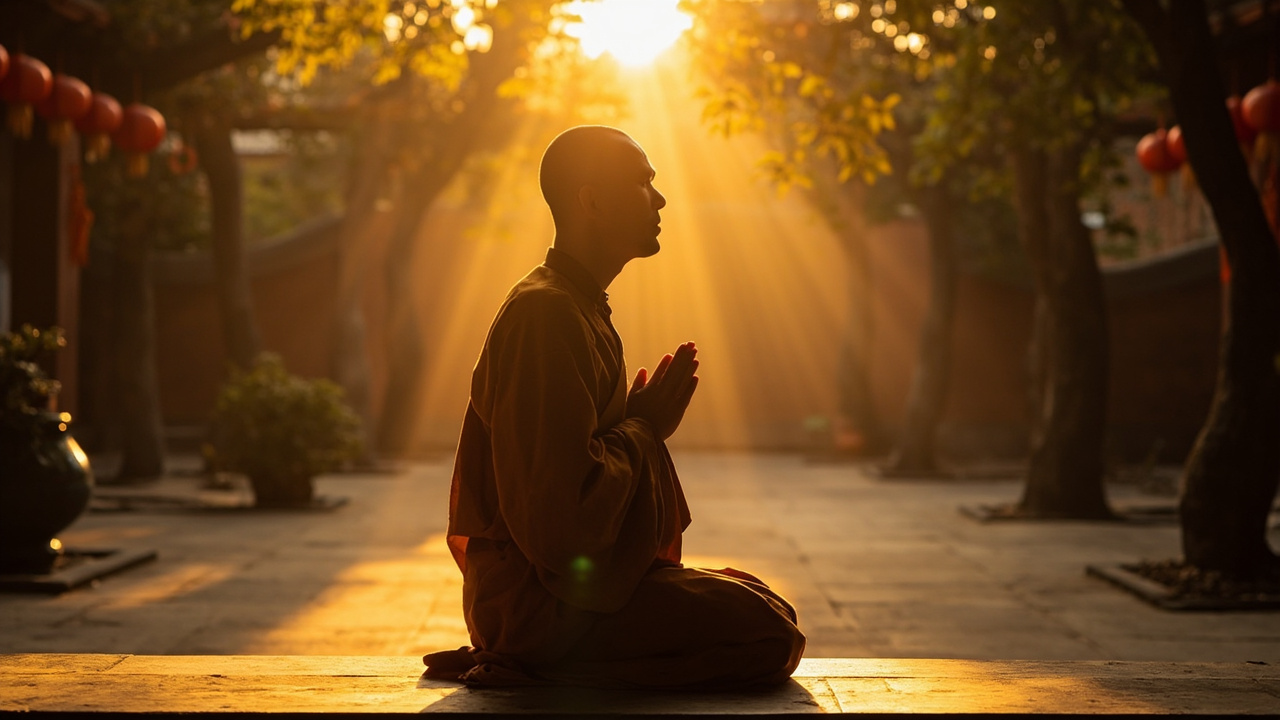
The experience begins at the temple gate. Before entering, visitors pause at the threshold. This boundary marks transition from ordinary life to sacred ground. The outside world with its noise and worry stays behind.
Inside, time moves differently. The pace slows naturally. Visitors adopt quieter voices. The architecture itself encourages contemplation. Even non-Buddhists feel the shift in atmosphere.
Foreign visitors report feeling peaceful inside temples. This feeling surprises people who do not consider themselves religious. The space produces the effect regardless of personal belief. The design philosophy works on everyone.
## The Living Museum
Here is what separates Chinese temples from empty monuments: they remain active religious sites.
These are not museums preserved behind glass. Real monks live and work in these temples. Real prayers happen daily. Real ceremonies continue traditions that began centuries ago.
Visitors can witness morning chanting sessions. They can observe monks receiving teachings. They can participate in temple festivals that draw thousands of worshippers.
This living quality makes temple visits fundamentally different from viewing ancient ruins. The culture remains alive inside these walls. The spiritual practices have continuous history.
For foreigners interested in authentic cultural experiences, this living aspect is magnetic. They want to see genuine Chinese religious practice, not replicas or reconstructions. The temples deliver this authenticity.
## The Aesthetic Power
Here is what overwhelms visitors first: the visual beauty of Chinese temple architecture.
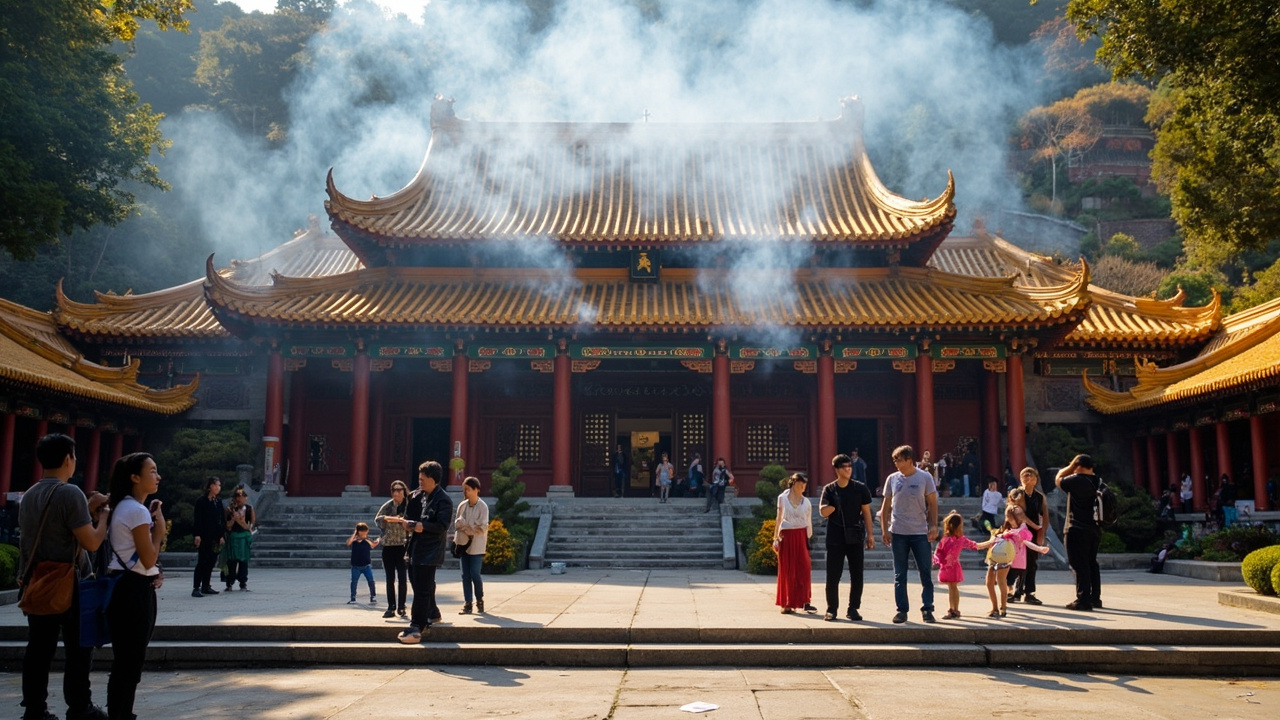
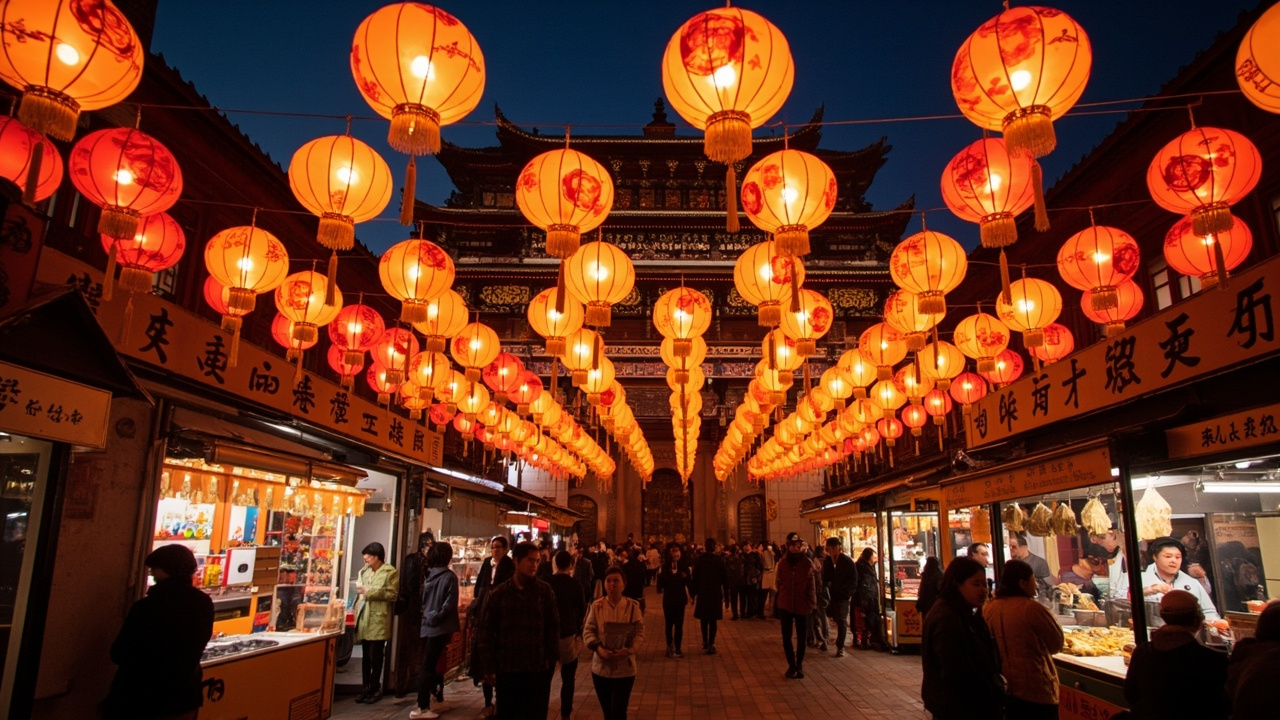
Red pillars support golden roofs. Intricate carvings cover every surface. Dragons coil on beams. Phoenixes spread across doorways. The color palette combines red, gold, yellow, and blue in combinations designed to impress.
The visual richness appeals to international visitors raised in cultures with more restrained architectural traditions. Western churches emphasize vertical lines and minimalism. Chinese temples fill every space with decoration.
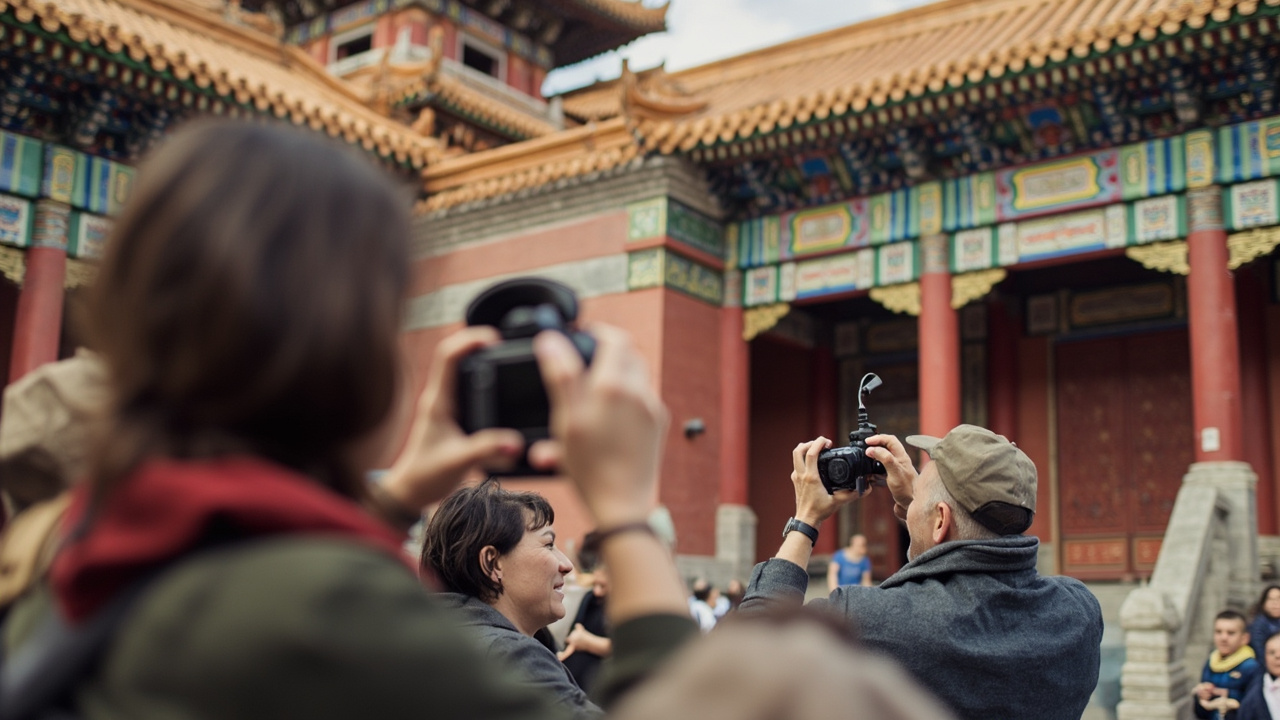
Photography thrives in this environment. Every angle produces stunning images. The combination of architecture, nature, and spiritual atmosphere creates endless photo opportunities.
Social media amplified this appeal. Instagram and Pinterest overflow with temple images. The aesthetic power translates perfectly to digital sharing. Seeing these images prompts others to visit in person.
## The Escape from Modern Life
Here is what temples offer that other destinations cannot: complete disconnection from modern stress.
Inside temple walls, phones do not ring. Emails do not arrive. Social media notifications do not interrupt. The outside world with its constant connectivity simply stops.
This digital detox happens naturally. The atmosphere itself discourages phone use. Visitors feel drawn to put devices away. The silence becomes inviting rather than awkward.
Foreign visitors exhausted by information overload find temple visits restorative. The pace slows. Attention deepens. The mind quiets naturally.
Even brief temple visits produce lasting effects. Research shows that exposure to natural and serene environments reduces cortisol levels. Chinese temples combine architectural beauty with planted gardens and quiet spaces. The healing effect is well documented.
## The Historical Layers
Here is what rewards repeat visitors: Chinese temples contain layers of history.
Dynasty after dynasty added to major temples. Tang Dynasty foundations support Ming Dynasty additions. Song Dynasty murals decorate Qing Dynasty halls. The buildings themselves document centuries of Chinese artistic evolution.
Walking through a major temple means walking through time. Each courtyard represents a different era. Each building reflects the aesthetic values of its construction period.
This historical depth rewards scholarly visitors. They can trace artistic development across centuries. They can see how Buddhism adapted to Chinese culture over time. The temples serve as physical textbooks of Chinese history.
## The Philosophical Depth
Here is what distinguishes Buddhist philosophy from Western religion: its emphasis on inner transformation rather than external salvation.
Chinese Buddhism teaches that enlightenment comes through practice, not faith alone. Meditation, ethical behavior, and wisdom development form the path. This practical approach appeals to Westerners uncomfortable with doctrines requiring blind belief.
The temple environment supports this practice. Meditation halls provide space for sitting practice. Gardens encourage walking meditation. The overall atmosphere cultivates mindfulness naturally.
Many Western visitors arrive curious and leave committed to continued practice. The temple experience plants seeds that grow beyond the visit itself.
## The Incense Ritual
Here is what creates powerful memory associations: the incense ritual.
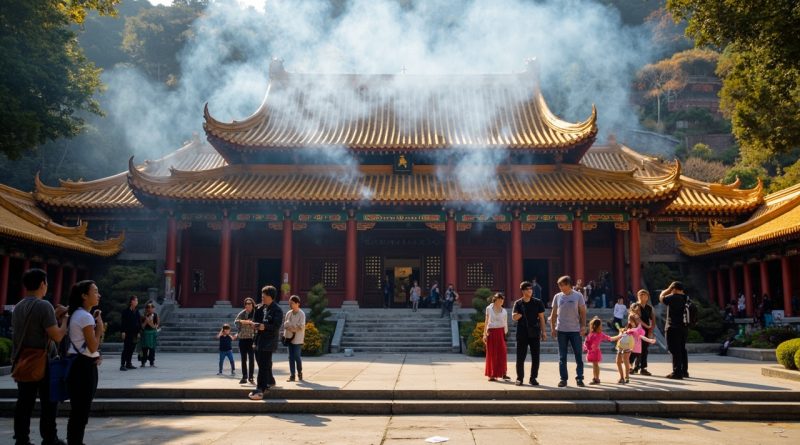
Visitors can purchase incense at temple entrances. They select three sticks representing Buddha, Dharma, and Sangha. They light the incense themselves. They bow three times. They place the burning incense in large bronze vessels.
This hands-on ritual creates lasting memory. The smell of incense becomes permanently linked with the temple experience. Later, burning incense anywhere triggers vivid recall.
The physical action matters. Visitors do something, not just observe. This participation transforms passive tourism into active engagement.
The symbolism enriches the ritual further. The smoke rising represents prayers ascending to heaven. The three sticks represent the Three Jewels of Buddhism. The bowing expresses respect and humility.
## The Culinary Offerings
Here is what surprises food-oriented visitors: temple cuisine.
Many major temples serve vegetarian meals to visitors. The food follows Buddhist principles of compassion. Dishes avoid meat and strong-smelling ingredients. The cooking emphasizes natural flavors.
Temple restaurants attract visitors specifically interested in Buddhist cuisine culture. The meals demonstrate that Chinese vegetarian cooking reaches sophisticated heights rarely encountered in mainstream restaurants.
Some temples offer cooking classes. Visitors learn to prepare temple-style dishes. They take home recipes and techniques. The culinary dimension extends the temple experience beyond the visit itself.
## The Natural Setting
Here is what makes some temples unforgettable: their relationship with nature.
Many temples occupy sites of natural beauty. Mountains provide dramatic backgrounds. Ancient trees create peaceful gardens. Water features add moving elements to static architecture.
The Temple of Heaven sits in a vast park. The Summer Palace contains Kunming Lake. Shaolin Temple nestles against Songshan Mountain. The natural surroundings amplify spiritual atmosphere.
Nature photography opportunities abound. The combination of architecture and landscape produces images impossible to replicate elsewhere. Visitors return home with portfolios of stunning temple photographs.
## The Accessibility Revolution
Here is what changed recently: getting to temples became much easier.
China’s high-speed rail network now reaches most major temple destinations. The foreign visa-free transit policy allows visitors to stay longer. Mobile payment systems eliminate language barriers when purchasing tickets or food.
Previously difficult journeys now take hours rather than days. Remote temples once requiring extensive planning now offer day trips from major cities. This accessibility brought temple tourism within reach for casual travelers.
Social media algorithms reward visually striking content. Temple images perform exceptionally well. Instagram famous temples now appear on must-visit lists generated by recommendation engines.
## The Cultural Curiosity
Here is what drives fundamental interest: China represents a major world civilization that most foreigners know very little about.
Western media covers Chinese politics and economics but rarely explores cultural depth. Foreigners develop hunger to understand this ancient civilization beyond headlines.
Temples offer accessible entry points. The visual richness communicates across language barriers. The spiritual atmosphere produces genuine feelings regardless of religious background. The historical layers reward curiosity.
Many visitors arrive knowing little about Buddhism and leave with serious interest. The temple experience creates converts to Chinese culture generally. They want to learn more about history, philosophy, and daily life.
## The Truth
So why do Chinese temples attract so many foreign visitors?
Because they offer something increasingly rare: genuine disconnection from hyperconnected modern life. Because they present aesthetic beauty on overwhelming scales. Because they maintain living spiritual traditions unbroken for centuries. Because they combine history, philosophy, nature, and art in single destinations.
Because in an anxious world, they provide peace. In a disconnected world, they offer connection to something larger than individual existence. In a shallow world, they embody profound philosophical traditions.
Foreign visitors do not merely observe Chinese temples. They experience transformation, however brief. They return home changed.
That is why temples will continue drawing visitors from around the world. The hunger for meaning, beauty, and authentic experience grows stronger as modern life accelerates. Chinese temples offer exactly what people seek.
Walk through a temple gate someday. Leave your phone in your pocket. Breathe the incense air. Watch the smoke rise. Feel the centuries of accumulated devotion rising with it.
You will understand why millions of foreigners make this pilgrimage every year.