Why Do Chinese Use Chopsticks Instead of Forks and Knives?
If you have ever sat down at a Chinese restaurant, you have noticed something unique about the way people eat: chopsticks. Unlike Western dining which relies on forks, knives, and spoons, Chinese cuisine is designed around a pair of slender sticks. But why did this happen? Why do Chinese use chopsticks instead of forks and knives? The answer involves over 6,000 years of history, practical cooking methods, and deep cultural values.
The Ancient Origins: 6,000 Years of History
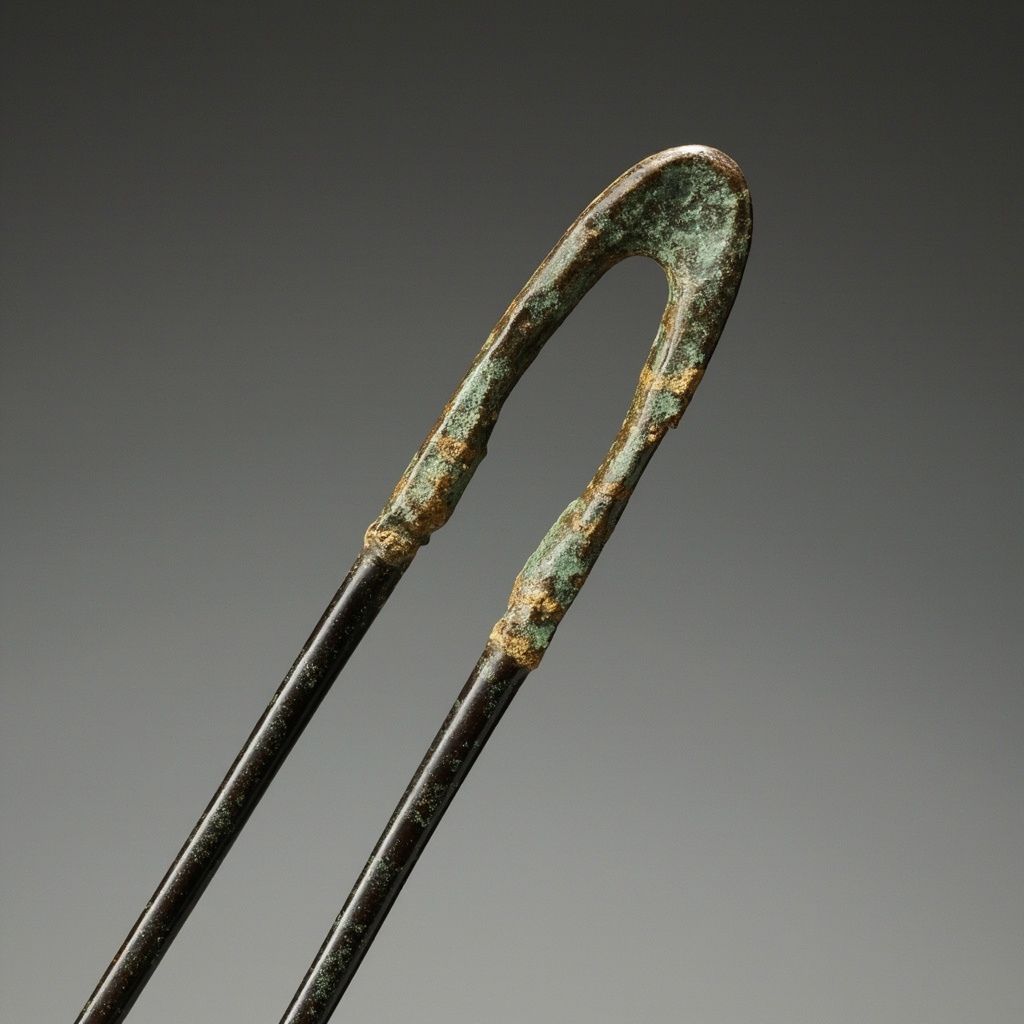
Chinese chopsticks history stretches back to the Neolithic period, approximately 6,000 years ago. Archaeological discoveries in Henan Province and along the Yellow River have uncovered bronze chopsticks dating to this era, making them among the oldest eating utensils ever found.
The earliest chopsticks were not used for eating directly but for cooking. Chinese cooks used long sticks to reach into boiling pots of water or soup without burning their hands. This practical origin would eventually evolve into the dining chopsticks we know today.
During the Spring and Autumn period (770-476 BCE), chopsticks had names: jiā (梜) in the Qin and Han regions. By the Han Dynasty (206 BCE – 220 CE), the character zhù (箸) became standard. The word we use today – kuàizi (筷子) – did not appear until the Ming Dynasty (1368-1644 CE), likely because the Chinese avoided the character zhù because it sounded like eliminate or waste away.
Why Chopsticks Made Sense for Chinese Cooking
Chinese cooking methods explain why chopsticks became the dominant utensil:
- Small food pieces – Chinese cuisine typically cuts food into small, bite-sized pieces during preparation. This means no slicing is needed at the table – only picking up and transferring food to the mouth.
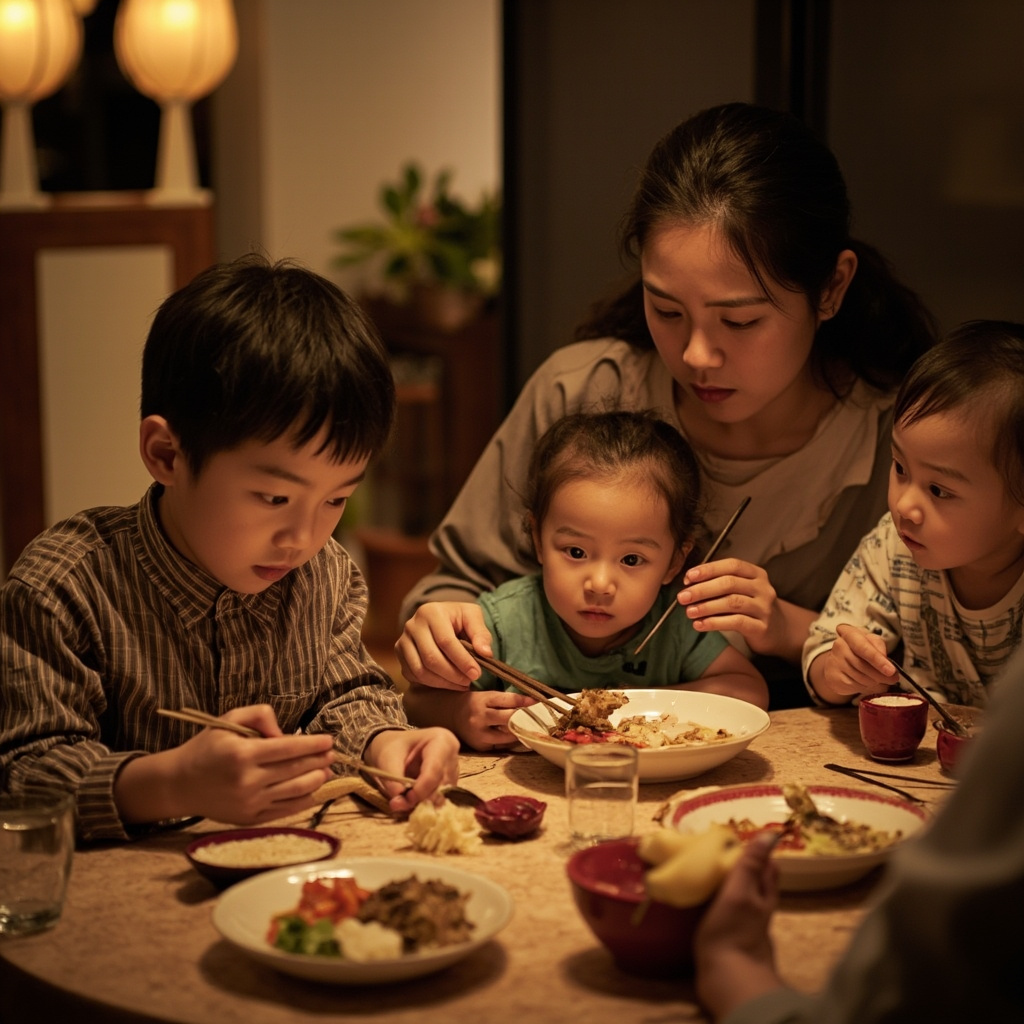
- Shared dishes – Traditional Chinese meals feature multiple dishes shared family-style from common plates. Chopsticks allow precise picking of small pieces from shared bowls without needing individual place settings.
- Boiling and steaming – Many Chinese cooking techniques involve cooking food in liquid (soups, hot pot, steaming). Long chopsticks are perfect for retrieving items from boiling water.
- Grain-based diet – Rice and other grains have been the foundation of Chinese nutrition for millennia. Chopsticks excel at picking up individual grains of rice.
The Spread of Chopsticks Across Asia
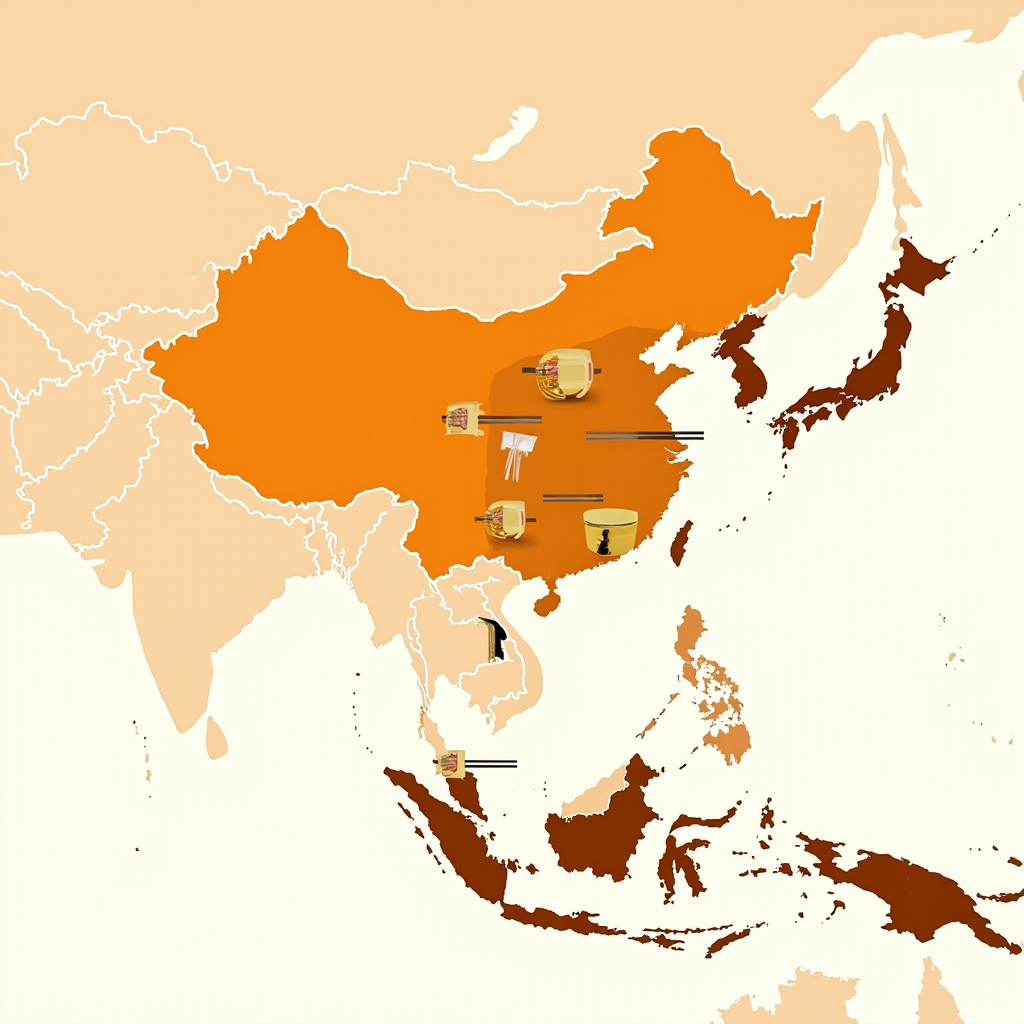
Chinese chopsticks spread throughout East Asia via cultural exchange. Today, approximately one-fifth of the global population uses chopsticks as their primary eating utensil:
- Japan – Japanese chopsticks tend to be shorter and pointed, reflecting their cuisine which features more fish handling.
- Korea – Korean chopsticks are typically metal and flat, adapted to their distinct culinary traditions.
- Vietnam – Vietnamese cuisine uses chopsticks as well, reflecting centuries of Chinese cultural influence.
This cultural region is often called the chopsticks culture zone (筷子文化圈).
Chinese Chopstick Etiquette: What You Need to Know
If you are eating with Chinese people, understanding chopstick etiquette matters. Here are the essential rules:
- Do not point with chopsticks – Pointing at people or things with your chopsticks is considered rude.
- Do not stand chopsticks upright in rice – This resembles funeral incense and is deeply disrespectful.
- Do not pass food chopstick to chopstick – This mimics funeral rituals. Use serving utensils instead.
- Do not pierce food with chopsticks – Only use chopsticks to pick up whole, cookable items when absolutely necessary.
- Use the opposite end when taking from shared dishes – The end that touches your mouth is considered dirty in formal settings.
Why Not Forks and Knives in China?
The question assumes forks and knives are the natural default – but historically, they are relatively recent Western innovations. Forks did not become common in Europe until the 18th century.
Chinese cuisine never developed forks and knives because:
- Cooking techniques did not require them – food was already cut into small pieces before cooking
- Sharp objects at the table were considered dangerous and disrespectful in Chinese culture
- The communal dining style made individual cutlery unnecessary
- Chopsticks served multiple purposes: cooking, serving, and eating with one tool
The Global Perspective
Today, chopsticks are increasingly popular worldwide. Beyond their practical benefits for eating certain foods, many people appreciate the mindfulness that chopstick use requires. The deliberate, careful movements engaged in using chopsticks contrast with the rushed efficiency of fork and knife.
The Bottom Line
Why do Chinese use chopsticks instead of forks and knives? The answer lies in 6,000 years of practical innovation, cooking traditions that valued small-piece cooking, and a dining culture built around shared meals. Chopsticks are not just eating utensils – they are a window into Chinese civilization history and the practical wisdom of ancient Chinese people.
Next time you pick up chopsticks, remember: you are participating in a dining tradition that has been perfected over six millennia.
