Why Do Chinese People Always Ask If You Have Eaten?
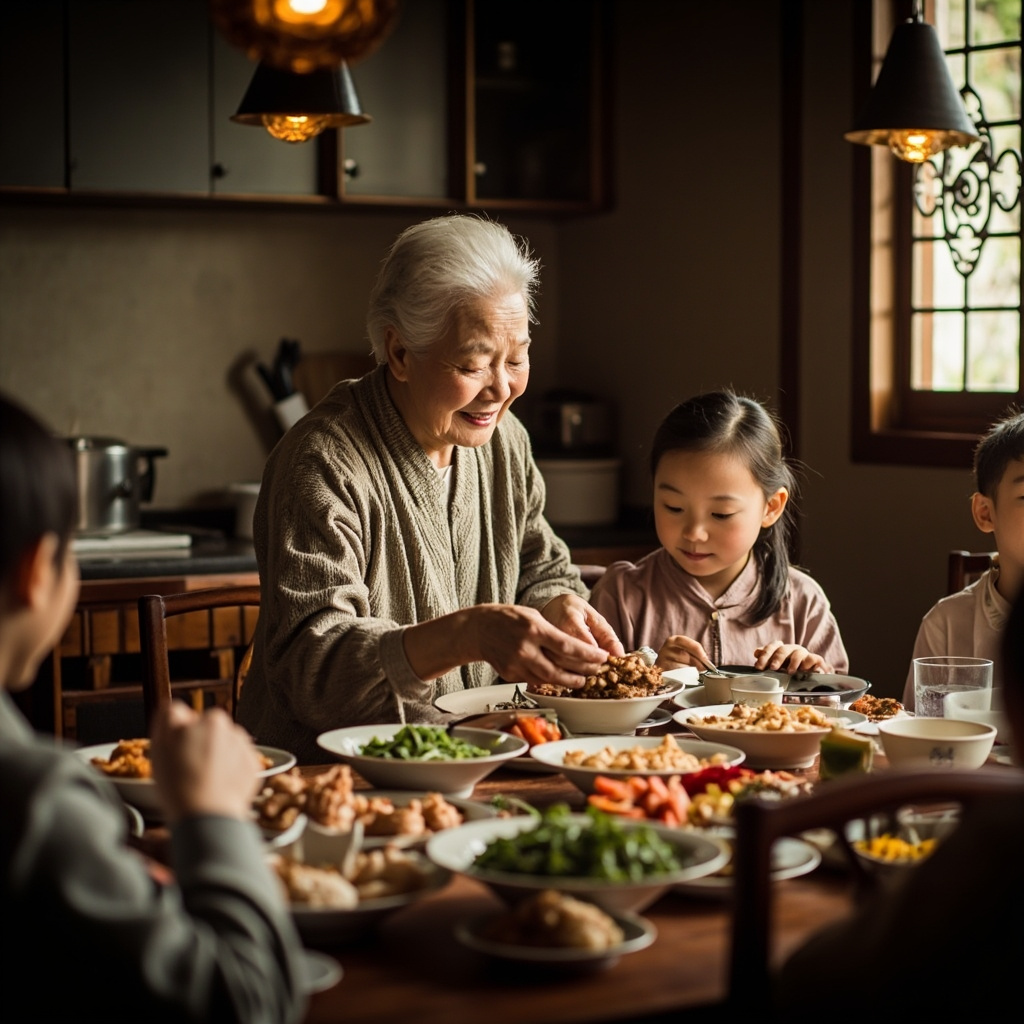
If you have spent any time with Chinese people, you have probably experienced this: no matter when you meet them – morning, afternoon, or evening – they ask: Have you eaten? (你吃了吗?) Some foreigners find this confusing. Why do Chinese people always ask if you have eaten? Is it an invitation to dinner? A genuine concern about your nutrition? The answer reveals something fundamental about Chinese culture.
Historical Roots: Food as Survival
To understand why Chinese people ask about eating, we must understand Chinese history. For most of Chinese civilization spanning over 5,000 years, the primary concern was not wealth or success – it was survival. In an agricultural society where famine was a constant threat, having enough to eat was the ultimate measure of wellbeing.
The ancient Chinese saying Min yi shi wei tian (民以食为天) – Food is the paramount necessity of the people – captures this perfectly. Food was not just nutrition; it was literally heaven-sent sustenance that determined whether families survived or perished.
This historical context shaped Chinese values deeply. Asking if someone had eaten was asking about their most basic need – equivalent to asking today if they had shelter, safety, and security.
From Practical Concern to Social Ritual
Over centuries, the question evolved from a practical inquiry into a social ritual. Here is how the transformation happened:
- Literally asking about food – In harder times, this was a genuine question. If you had not eaten, the asker might share their food or invite you to join their family meal.
- Growing prosperity – As China developed and food became more abundant, the question became less about actual hunger and more about expressing care and connection.
- Modern greeting – Today, when Chinese people ask if you have eaten, they usually mean: How are you? or I acknowledge your presence. It is a conversation starter, similar to weather discussions in Britain.
The Cultural Logic Behind the Question
Western greetings tend to be abstract: Hello, How are you, Nice to see you. These words have largely lost their literal meaning. Chinese greetings, including asking about eating, tend to retain more concrete, practical content.
When a Chinese person asks if you have eaten, they are really saying:
- I care about your wellbeing – Your physical needs matter to me
- You are welcome here – My home and my table are open to you
- Let us connect – This is an invitation to conversation and relationship
- I acknowledge you – You are seen and valued as a person
Hospitality Culture: Feeding Guests First

Chinese hospitality culture amplifies the eating question. In traditional Chinese culture, hosts demonstrate respect and care by:
- Preparing abundant food – Running out of food at a gathering is deeply embarrassing
- Putting guests first – The best food is served to guests before family members eat
- Pressing food on visitors – Insisting guests eat more is a sign of generosity
- Never letting guests go hungry – Hosts would rather go without than see a guest unfed
When you visit a Chinese home, the host has probably already prepared more food than anyone could eat. The question Have you eaten? before or after arrival is simply checking on this fundamental hospitality.
Regional Variations
The eating greeting varies across China:
- Northern China – Often more direct: Did you eat? or Have you had your meal?
- Southern China – May include specific foods: Have you eaten rice? (吃饭了吗?)
- Urban areas – More likely to be purely ritualistic among younger generations
- Rural areas – Still sometimes carries genuine concern about wellbeing
The Western Equivalent
Think about how Westerners use How are you? – we rarely expect a detailed medical update. Similarly, Chinese people asking if you have eaten rarely expect detailed meal descriptions. It is a social opener that has been culturally encoded with warmth, care, and hospitality.
How to Respond
If someone asks if you have eaten in China, appropriate responses include:
- Yes, I have, thank you (吃了,谢谢) – Standard polite response
- Not yet (还没) – May lead to being invited to eat
- I just ate (刚吃过) – Explaining you are full
Unlike Western questions about eating which might seem intrusive, the Chinese eating question comes from a place of genuine warmth and cultural tradition.
The Bottom Line
Why do Chinese people always ask if you have eaten? Because in Chinese civilization, food has always been more than nutrition – it has been survival, prosperity, family, and community all rolled into one essential human need.
Today, the question carries thousands of years of cultural meaning. When a Chinese person asks if you have eaten, they are not really asking about your stomach. They are saying: I see you. You matter to me. And if you are hungry, I will feed you.
That is a beautiful way to start a conversation.
