Why Do Chinese People Value Traditional Chinese Medicine?
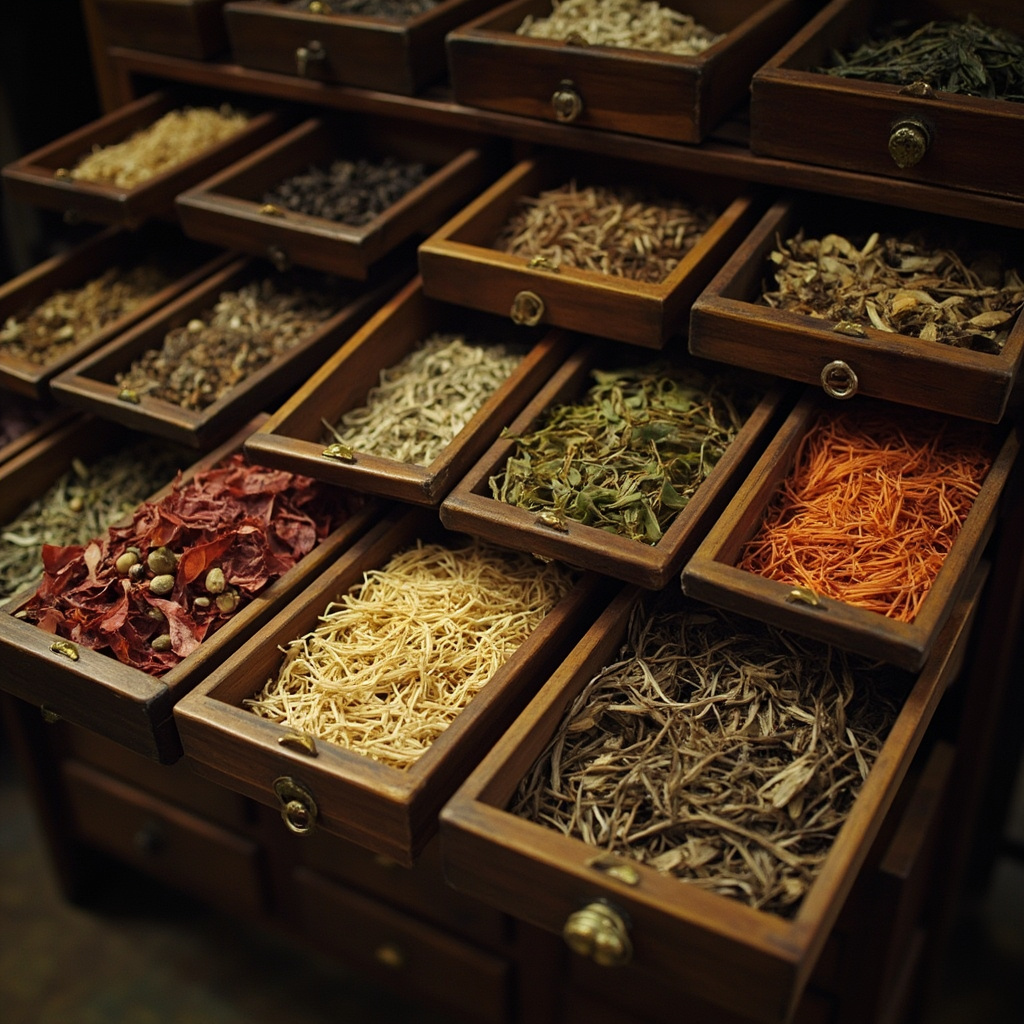
If you have ever visited a pharmacy in China, you might have noticed something unusual: a significant portion of the shelves contain medicines that are not pills or injections but dried herbs, roots, and natural ingredients. Chinese people have used Traditional Chinese Medicine (TCM) for over 2,000 years, and today, despite modern biomedical advances, it remains a vital part of healthcare for 1.4 billion people. But why do Chinese people still value Traditional Chinese Medicine? The answer involves history, philosophy, effectiveness, and cultural identity.
The Ancient Origins of Traditional Chinese Medicine
Traditional Chinese Medicine did not emerge suddenly. It developed gradually over thousands of years through the observations of practitioners, scholars, and ordinary people trying to understand health and disease.
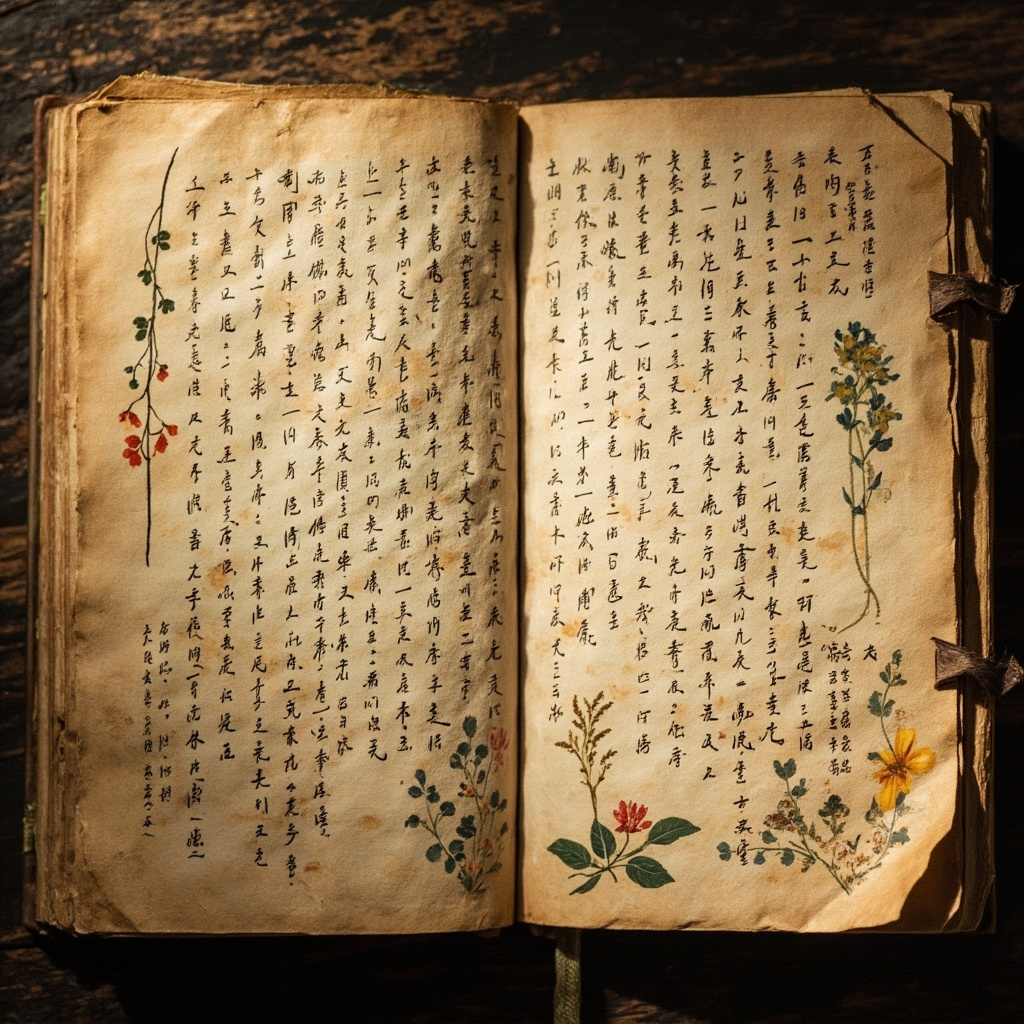
The earliest Chinese medical texts date to the Warring States period (475-221 BCE) and the Han Dynasty (206 BCE – 220 CE). The Huangdi Neijing (Yellow Emper Inner Canon), compiled between the 2nd century BCE and 2nd century CE, remains one of the foundational texts of TCM. It established the theoretical framework that still guides the practice today.
Key early developments include:
- Shang Dynasty (1600-1046 BCE) – Earliest records of medical treatments and herbal prescriptions
- Warring States period – Development of acupuncture theory based on meridian concepts
- Han Dynasty – Compilation of the first major medical texts
- Tang Dynasty (618-907 CE) – Golden age of TCM scholarship and hospital systems
- Ming Dynasty (1368-1644 CE) – Maturation of TCM as a comprehensive medical system
The Core Philosophy: Balance and Harmony
Unlike Western medicine which focuses on treating specific pathogens or diseases, TCM is built on a fundamentally different worldview: the concept of balance.
Yin and Yang – TCM views health as the balance between yin (cooling, passive, internal) and yang (warming, active, external). Disease occurs when this balance is disrupted. Treatment aims to restore equilibrium.
The Five Elements (Wu Xing) – TCM classifies organs, tissues, and natural phenomena according to five elements: wood, fire, earth, metal, and water. Each element relates to specific organs, seasons, emotions, and colors. Health requires harmony among these elements.
Qi (Vital Energy) – Qi flows through the body along pathways called meridians. When qi flows freely, health is maintained. Blocked or imbalanced qi causes disease. TCM treatments like acupuncture and herbs aim to regulate qi flow.
Why TCM Remains Relevant Today

Modern biomedicine has made remarkable advances, so why do Chinese people still value TCM?
- Chronic disease management – TCM often excels at managing chronic conditions like arthritis, digestive disorders, and fatigue that Western medicine sometimes struggles to address
- Preventive care – TCM emphasizes maintaining balance before disease occurs, aligning with modern wellness movements
- Fewer side effects – Many people perceive herbal remedies as having fewer adverse effects than pharmaceutical drugs
- Holistic approach – TCM treats the whole person, not just symptoms, appealing to those wanting comprehensive care
- Cultural familiarity – For many Chinese families, TCM has been part of their healthcare for generations
The Main TCM Treatment Methods
Traditional Chinese Medicine encompasses several distinct treatment approaches:
Herbal Medicine (Zhong Yao)
- Over 3,000 medicinal substances, including plants, minerals, and animal products
- Typically prescribed as complex formulas combining multiple ingredients
- Prepared as teas, powders, pills, or topical applications
Acupuncture (Zhen Jiu)
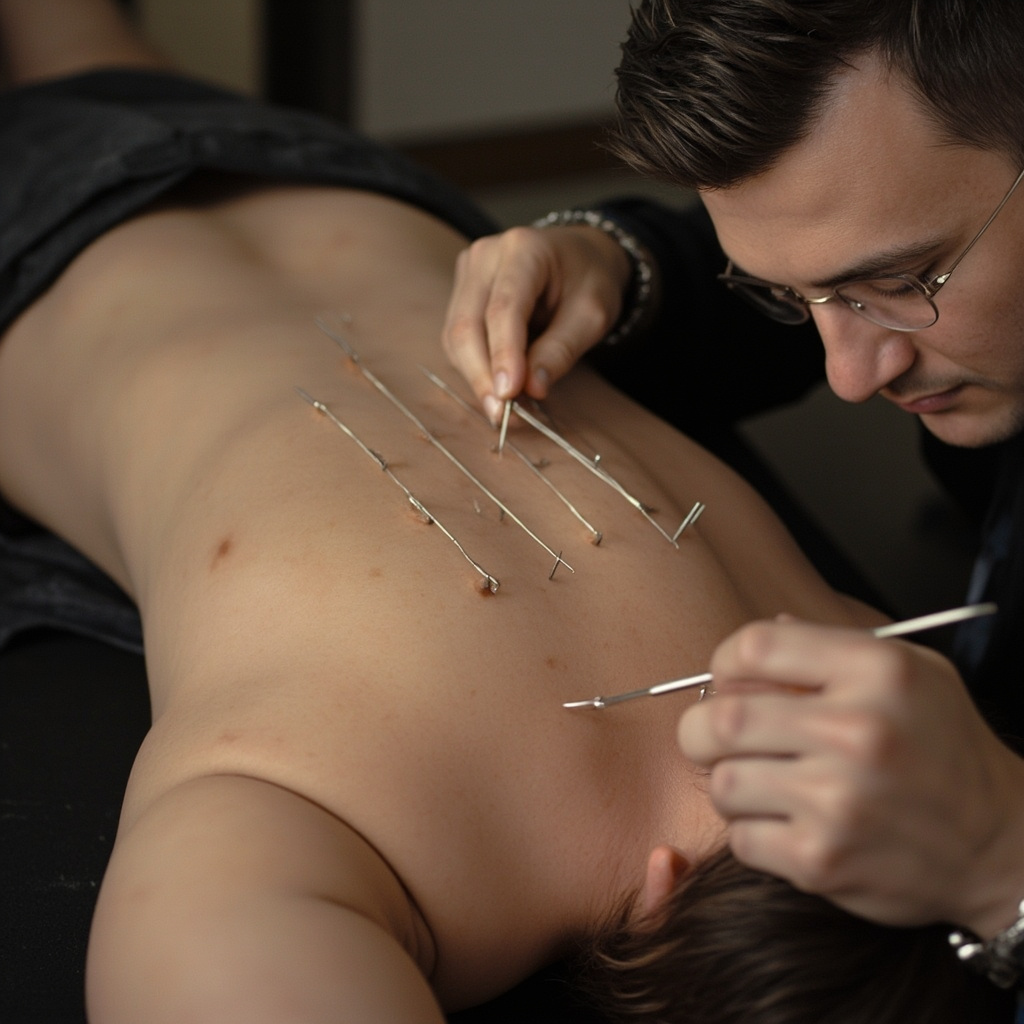
- Insertion of thin needles at specific meridian points
- Aims to regulate qi flow and restore balance
- Recognized by WHO for treating various conditions including pain and nausea
Tuina Massage
- Therapeutic massage targeting meridians and acupoints
- Used for musculoskeletal problems and internal disorders
Dietary Therapy
- Food is medicine – specific foods are recommended based on their energetic properties
- Hot and cold foods are classified not by temperature but by their effect on the body
TCM and Western Medicine: Complementary Approaches
In modern China, TCM and Western medicine coexist rather than compete. Most Chinese hospitals have both TCM and Western medicine departments. Many doctors practice integrative medicine, combining both approaches.
This integration has shown success in several areas:
- Cold and flu – TCM herbs can reduce symptoms while supporting immune function
- Chronic pain – Acupuncture has demonstrated effectiveness for chronic pain management
- Post-stroke recovery – TCM rehabilitation programs show benefits
- Cancer support – TCM helps manage side effects of chemotherapy and radiation
Scientific Scrutiny and Validation
Western researchers have subjected TCM to scientific examination. Some findings:
- Artemisinin – Derived from sweet wormwood (qinghao), this TCM-derived malaria drug saved millions of lives and won the Nobel Prize in 2015
- Acupuncture research – Multiple studies confirm acupuncture effectiveness for certain pain conditions and nausea
- Ginseng – Scientific studies confirm adaptogenic and immune-supporting properties
However, challenges remain:
- Many TCM formulas lack rigorous clinical trials
- Quality control issues exist in herbal preparations
- Some animal products used in TCM raise ethical concerns
The Bottom Line
Why do Chinese people value Traditional Chinese Medicine? Because it offers something modern Western medicine does not always provide: a holistic, preventive, and culturally-rooted approach to health that has been refined over millennia.
TCM is not merely traditional for traditions sake. It is a living medical system that continues to evolve, integrate with modern science, and serve the healthcare needs of billions. Whether viewed as complementary medicine, preventive care, or cultural heritage, TCM remains an integral part of how Chinese people understand and maintain their health.
