Why Is China So Good at Building High-Speed Trains?
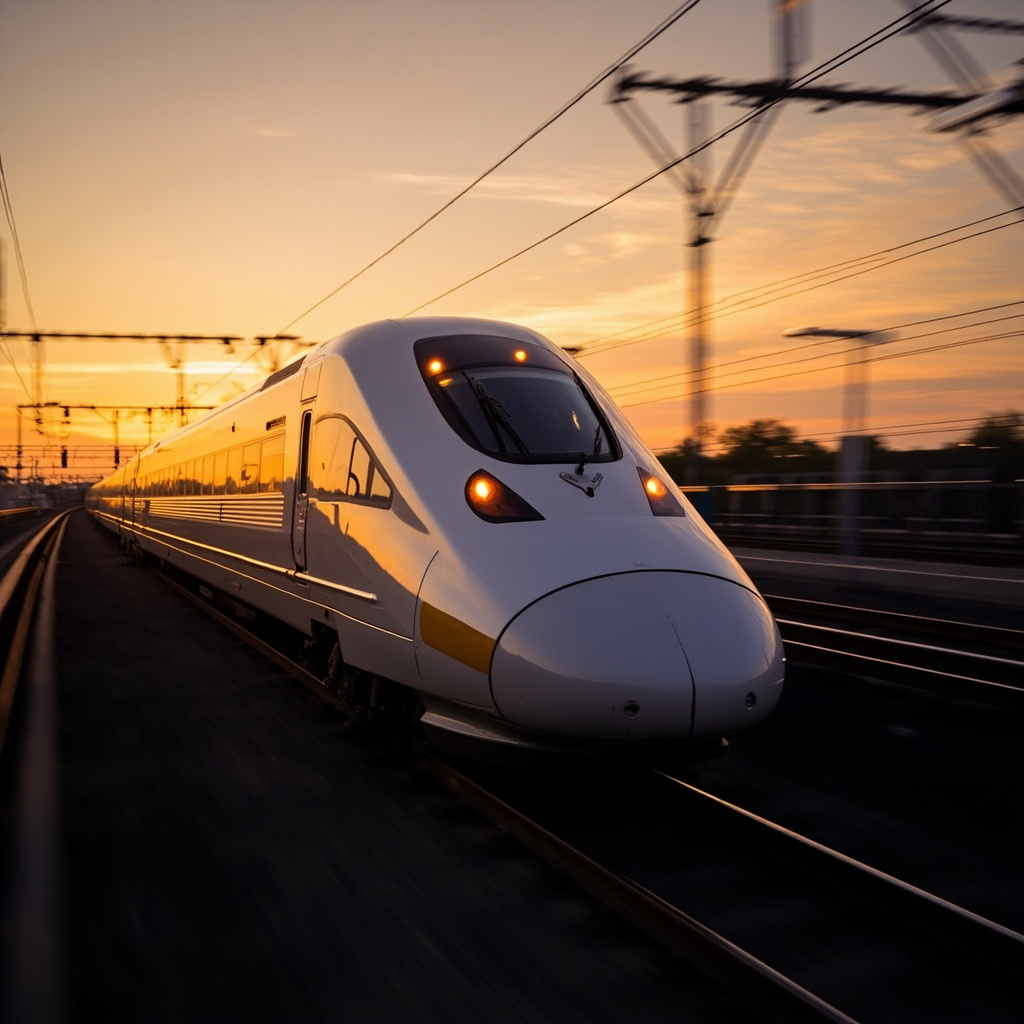
China now operates the worlds largest high-speed rail network – over 25,000 miles of dedicated high-speed lines connecting virtually every major city in the country. Trains reach speeds of 217 mph (350 km/h) on routes like Beijing-Shanghai. But why did China become so good at building high-speed trains? The answer involves government vision, engineering ambition, and lessons learned from international partners.
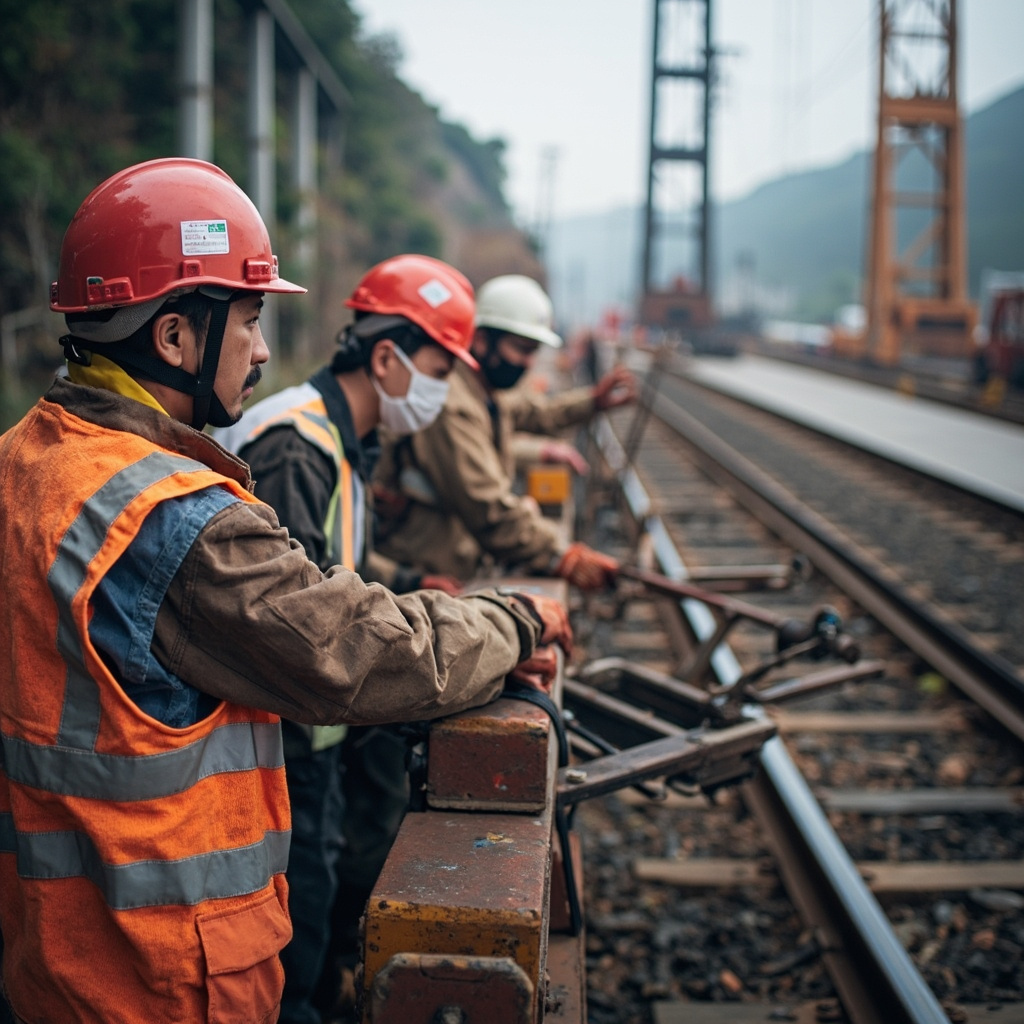
The Scale of Chinas High-Speed Rail Achievement
To understand why China excels at high-speed rail, consider the numbers:
- Network length – China has over 25,000 miles (40,000 km) of high-speed rail lines
- Annual passengers – Over 2 billion passenger trips per year
- Construction speed – China built more high-speed rail in one decade than Europe built in three
- Cost efficiency – Chinese construction costs are typically 40-60% lower than European equivalents
- Technology development – China progressed from importing foreign technology to exporting its own systems

Government Vision and Long-Term Planning
China high-speed rail success began with strategic government planning. Unlike democratic countries where infrastructure projects face years of political debate and funding uncertainty, China could commit to multi-decade infrastructure programs.
The Chinese government identified high-speed rail as a national strategic priority in the 1990s. This meant:
- Guaranteed funding – Government-backed bonds and budget allocations ensured continuous investment
- Land acquisition – Government could secure right-of-way without prolonged legal battles
- Integrated planning – Rail networks were designed as national systems, not regional projects
- Political accountability – Officials had incentives to deliver visible infrastructure achievements
Learning from International Partners
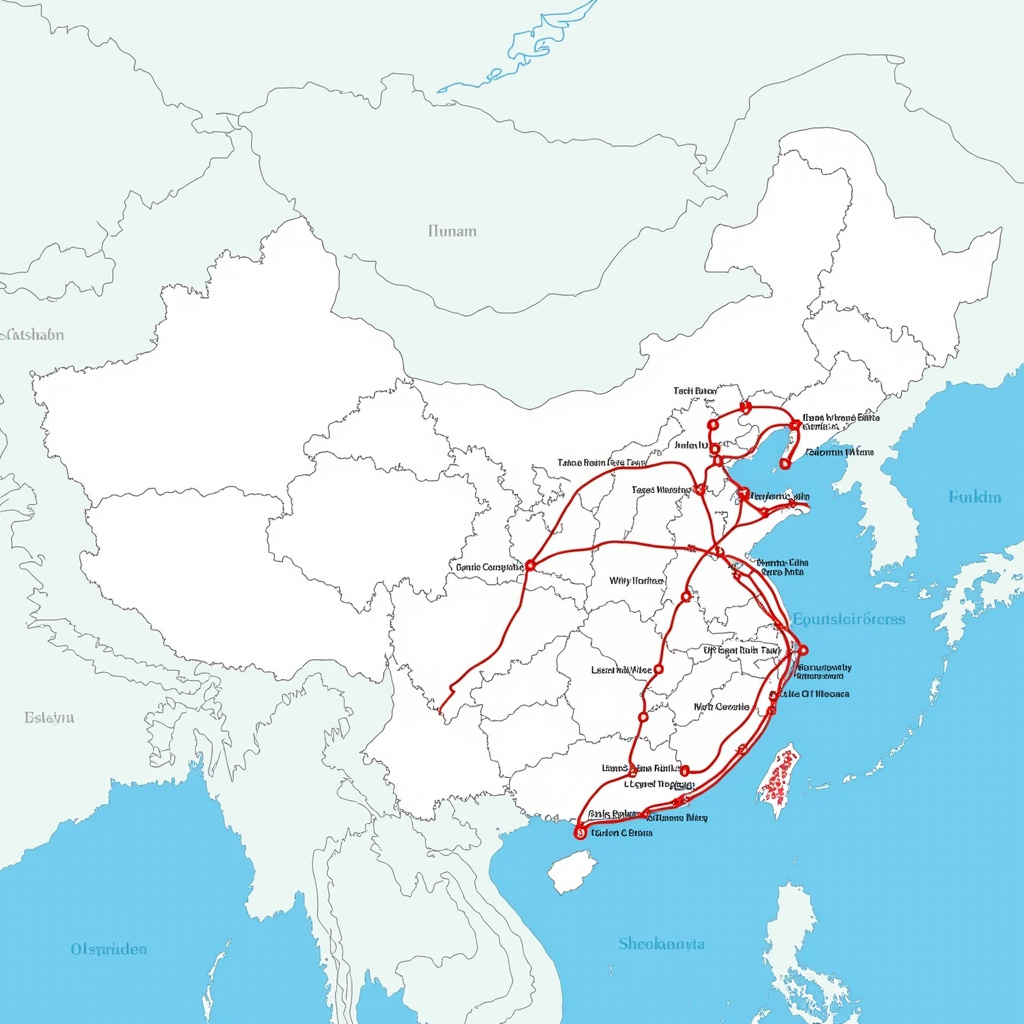
China did not start as a high-speed rail leader. The strategy was to learn from countries with existing expertise:
- 2004-2009 – China imported technology from Kawasaki (Japan), Siemens (Germany), Alstom (France), and Bombardier (Canada)
- Technology transfer – Foreign companies were required to form joint ventures with Chinese partners, enabling technology absorption
- Incremental improvement – Chinese engineers studied imported systems, then improved upon them
- Domestic innovation – By 2010, China was developing its own CRH (China Railway High-speed) trains
The Fuxing Hao (复兴号) trains, introduced in 2017, were entirely domestically developed and are among the most advanced high-speed trains globally.
Engineering Challenges and Solutions
Building high-speed rail across China presented unique challenges:
Mountainous terrain
- 42% of the Beijing-Shanghai line runs on bridges or in tunnels
- The western network required tunnels through mountain ranges and bridges across deep valleys
- Chinese engineers developed specialized construction techniques for soft soil, karst caves, and earthquake zones
Population distribution
- China population density varies enormously between east and west
- High-speed rail was designed to connect population centers efficiently
- Even less populated western routes were built for strategic development purposes
Climate diversity
- High-speed lines operate in temperatures ranging from -40C in the north to +40C in the south
- Chinese trains are engineered for extreme temperature variations
- Special maintenance systems prevent cold-weather operational issues
Economic Model: How China Builds Cheap and Fast
International comparisons consistently show Chinese high-speed rail construction is significantly cheaper than equivalent projects elsewhere:
- Labor costs – While rising, Chinese labor costs remain lower than Europe or Japan
- Standardization – Chinese engineers standardized designs, reducing per-project engineering costs
- Competition – Multiple domestic manufacturers compete for contracts, driving efficiency
- Government support – Land value increases around stations generate revenue that offsets construction costs
Integrated Transportation System
Chinas high-speed rail success comes partly from integration with broader transportation planning:
- Station design – Major stations connect to metro systems, buses, and taxi services seamlessly
- E-ticketing – Integrated booking systems allow multi-modal journey planning
- Urban development – Cities are organized around transit hubs, reducing car dependency
- Last-mile connectivity – Bike-sharing, ride-hailing, and bus services connect stations to final destinations
Challenges and Controversies
Despite achievements, Chinese high-speed rail has faced problems:
- Debt levels – China Railway Corporation carries over 400 billion USD in debt to build the network
- Profitability concerns – Many lines operate at a loss, requiring government subsidies
- 2011 Wenzhou accident – A 2011 collision killed 40 people, raising safety questions and leading to leadership changes
- Ridership assumptions – Some rural routes have lower ridership than projected
Global Export Success
China no longer just imports high-speed rail technology – it exports it:
- Indonesia – Jakarta-Bandung high-speed line built with Chinese technology
- Laos – China-Laos railway connecting to Chinese network
- Thailand – Multiple high-speed rail cooperation agreements
- Turkey – Ankara-Istanbul line built with Chinese technology
The Bottom Line
Why is China so good at building high-speed trains? Because the Chinese government made it a strategic priority, invested massively over decades, learned from international partners, and developed the engineering capacity to execute large-scale infrastructure projects efficiently.
Chinas high-speed rail network represents more than transportation infrastructure – it reflects a development model where long-term strategic planning, government coordination, and engineering ambition combine to achieve remarkable results. Whether this model is sustainable or replicable elsewhere remains debated, but the achievement itself is undeniable.
