Why Do Chinese Students Study So Hard?
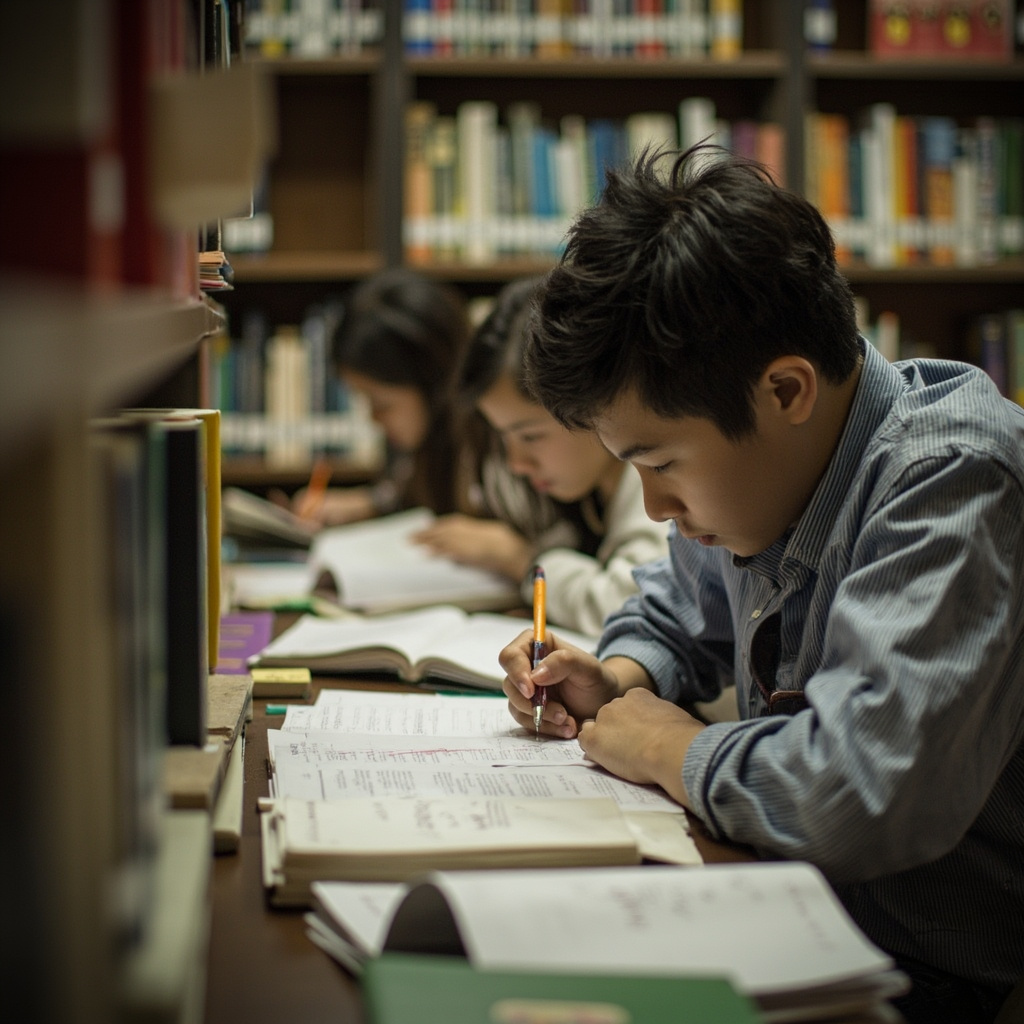
If you have ever seen photos of Chinese students studying – from early morning到晚深夜 (early morning to late night), surrounded by textbooks, notes, and practice exam papers – you might have wondered: why do Chinese students study so hard? The answer involves thousands of years of cultural values, the worlds most competitive examination system, and an economy where education has historically been the primary path to social advancement.
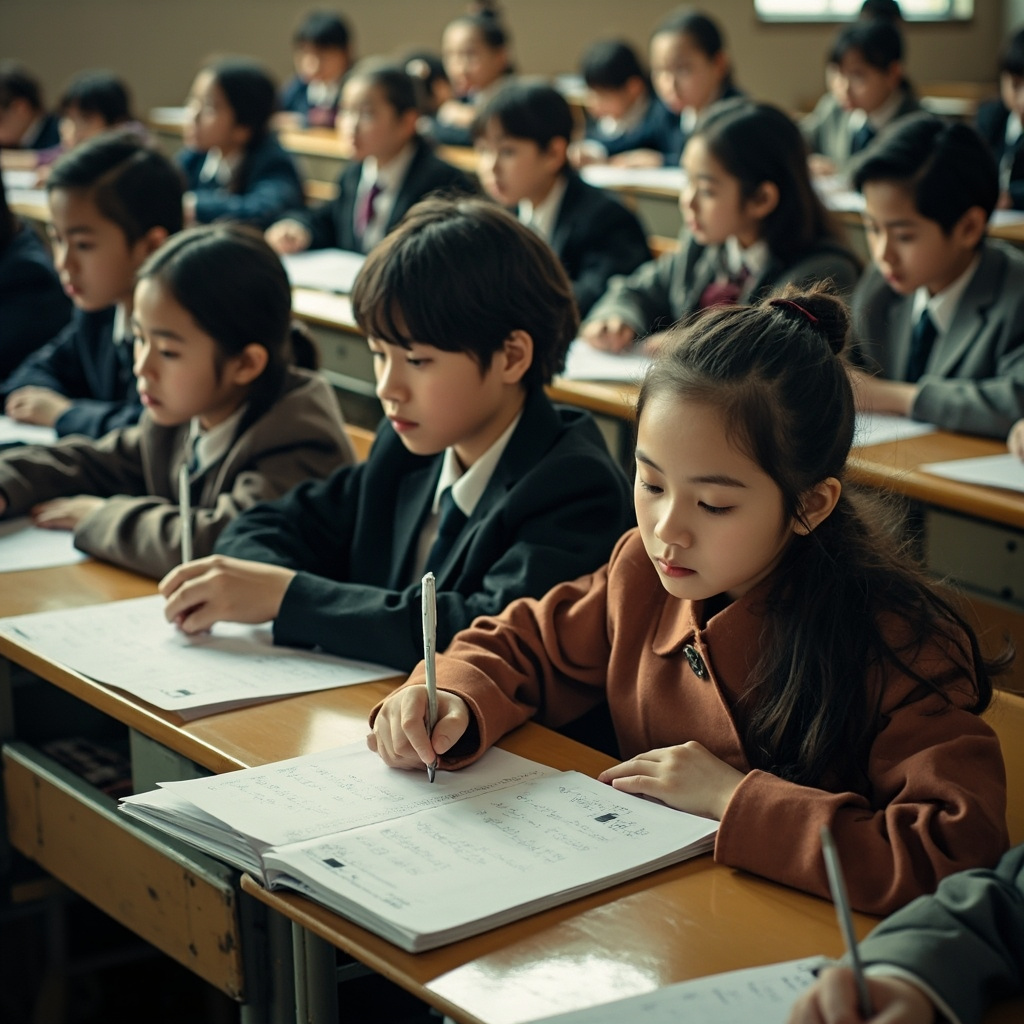
The Historical Roots: Imperial Examination Legacy
To understand why Chinese students study so intensely today, we must go back over 1,400 years to the Sui Dynasty (581-618 CE), when the imperial examination system (科举) was established. For the first time in human history, government positions were awarded through competitive written examinations rather than by birth or political connections.
This was revolutionary. In one stroke, the imperial examination:
- Created a meritocratic system where anyone could potentially rise to power through study
- Established education as the primary path to social advancement
- Gave families a concrete goal: prepare children to pass examinations
- Created enormous social prestige for scholars and their families
The saying 书中自有黄金屋 (In books, you will find golden houses) captures this perfectly. Education was not just about knowledge – it was the road to wealth, power, and social status.
The Modern Gaokao: Chinas Make-or-Break Examination
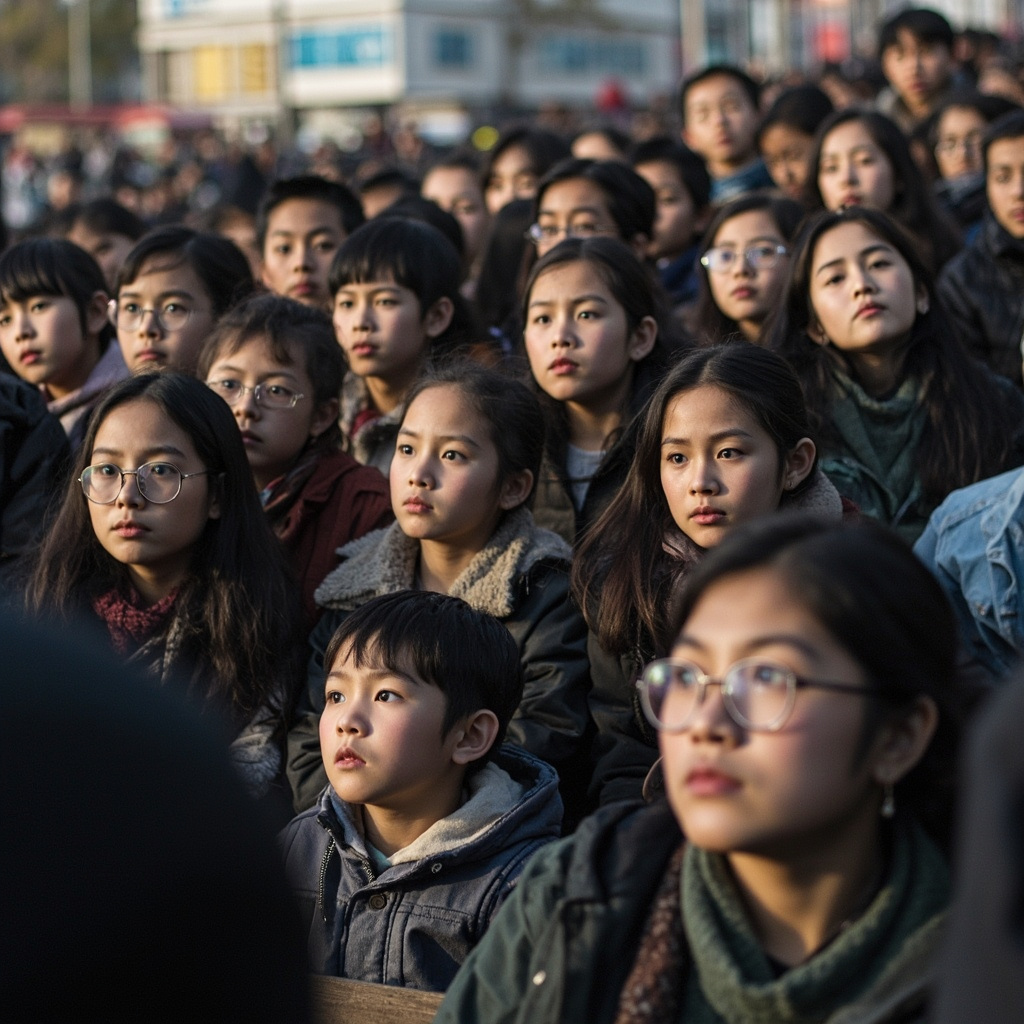
Today, the gaokao (高考) – the National Higher Education Entrance Examination – remains the most important single test in a Chinese persons life. Held annually over three days in June, the gaokao determines which university (if any) a student can attend.
The pressure is immense:
- 10 million students – Approximately 10 million students take the gaokao every year
- Single chance – Students typically only take the gaokao once (retaking means losing a year)
- University selectivity – Top universities like Peking University and Tsinghua accept only the top 0.1% of students
- Regional competition – Students from provinces like Henan and Shandong face especially fierce competition due to large populations and limited top university slots
Parents understand that their childs performance on this three-day examination will largely determine their life trajectory. This explains why families invest enormous resources in education.
Why Education Equals Opportunity
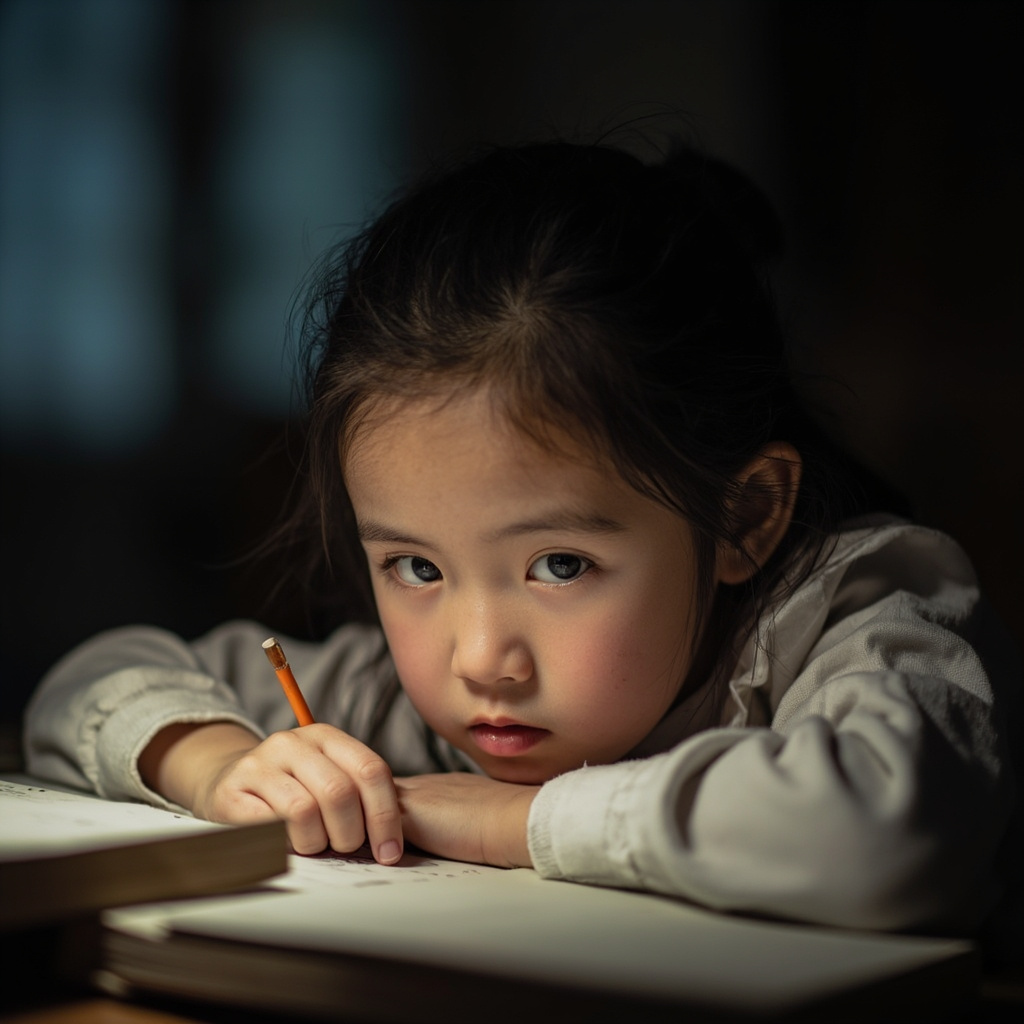
For most Chinese families, hard work in school translates directly to future opportunity:
- Social mobility – Education remains one of the few paths for rural students to move to cities and improve their families circumstances
- Career prospects – Graduate from a top university and landing a well-paying job at a prestigious company becomes significantly more likely
- Family honor – A childs academic success brings honor to the entire family, reflecting on parents and grandparents
- Investment in future – Parents often sacrifice their own consumption to fund childrens education, viewing it as the highest-return investment
The Cultural Value of Education
Confucian philosophy, which has influenced Chinese culture for over 2,500 years, elevates learning to a moral imperative. Confucius himself said:
学而时习之,不亦说乎 (To learn and to practice what one has learned – is this not a pleasure?)
This cultural framework means:
- Studying is virtuous – Working hard at education is morally good, not just practically useful
- Respect for teachers – Educators hold high social status in Chinese society
- Lifelong learning – Education is valued at all ages, not just youth
- Effort over talent> – Chinese culture emphasizes that hard work (努力) can overcome innate ability
The Competition Structure
Chinas education system creates layers of competition:
- Primary school entrance – Competitive schools require testing to enter
- Middle school tracking – Students are sorted into different quality schools based on testing
- High school selectivity – Only the best high schools prepare students for top university acceptance
- University prestige – Graduate from a 985 or 211 university (top institutions) and doors open
- Graduate school – Competition extends to postgraduate education and job hunting
Each stage of this competition selects and filters students, creating intense pressure at every level.
The Shadow Education System
Beyond regular school, Chinese families spend heavily on extracurricular education:
- Private tutoring – After-school classes (补习班) in core subjects are nearly universal
- Weekend study – Many students attend additional classes on Saturdays and Sundays
- Vacation intensive courses – Summer and winter breaks often involve intensive study programs
- Online education – Digital tutoring platforms like Yuanfudao have millions of users
- Competition training – Students preparing for math Olympiads and other academic competitions
This shadow education system can cost a middle-class family significant portions of their income, but parents view it as essential investment.
The Human Cost
Critics point to concerning trends:
- Mental health – Rising rates of student anxiety, depression, and suicide are linked to academic pressure
- Physical health – Many students sacrifice sleep and physical activity for study time
- Creativity concerns – Critics argue the system prioritizes test performance over creative thinking
- Childhood loss – Students report having less time for play, hobbies, and social development
The Chinese government has recognized these issues and implemented reforms aimed at reducing homework loads and promoting holistic development – with mixed results.
Chinas Education Success
Despite criticisms, the system produces remarkable results:
- High literacy rates – Over 96% of Chinese adults are literate
- STEM graduates – China produces more science and engineering graduates than any other country
- International rankings – Chinese students consistently score at the top of international assessments like PISA
- Global competitiveness – Chinese universities have risen rapidly in world rankings
The Bottom Line
Why do Chinese students study so hard? Because the combination of historical legacy, cultural values, and social structure creates an environment where academic achievement is the primary path to opportunity, respect, and advancement.
The intensity of Chinese education reflects both the pressure of enormous competition and the deep cultural belief that education transforms lives. Whether the system produces more benefits than costs is debated – but understanding why Chinese students study so hard requires appreciating the society and values that shape their choices.
