Why Is Chinese Kung Fu So Famous Worldwide?
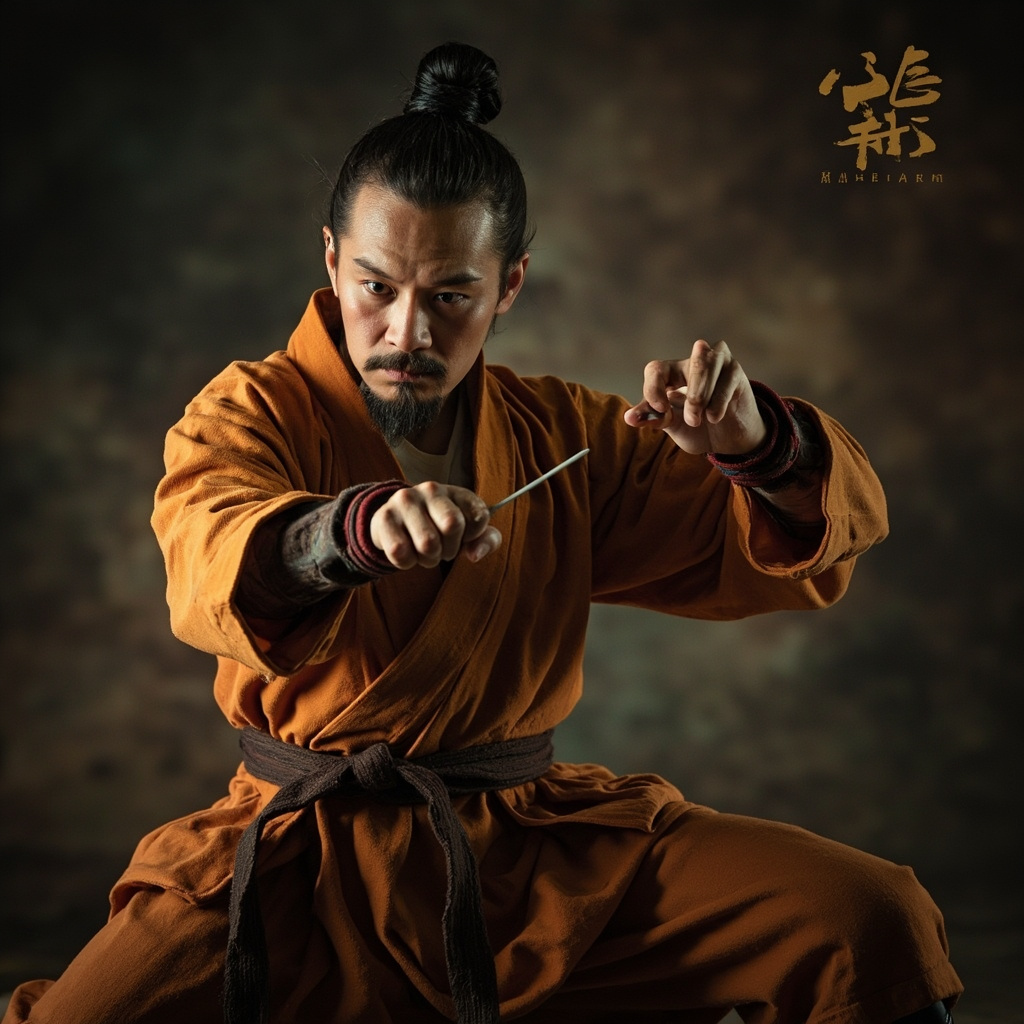
You have probably seen it in movies – monks in orange robes flying through the air, impossibly fast punches, Bruce Lee with his iconic nunchaku routines. But Chinese kung fu is more than movie magic. It is a real thing, with real history, and it genuinely is one of the most famous martial arts on the planet. So how did a fighting style from a country most Westerners had never visited become a global phenomenon?
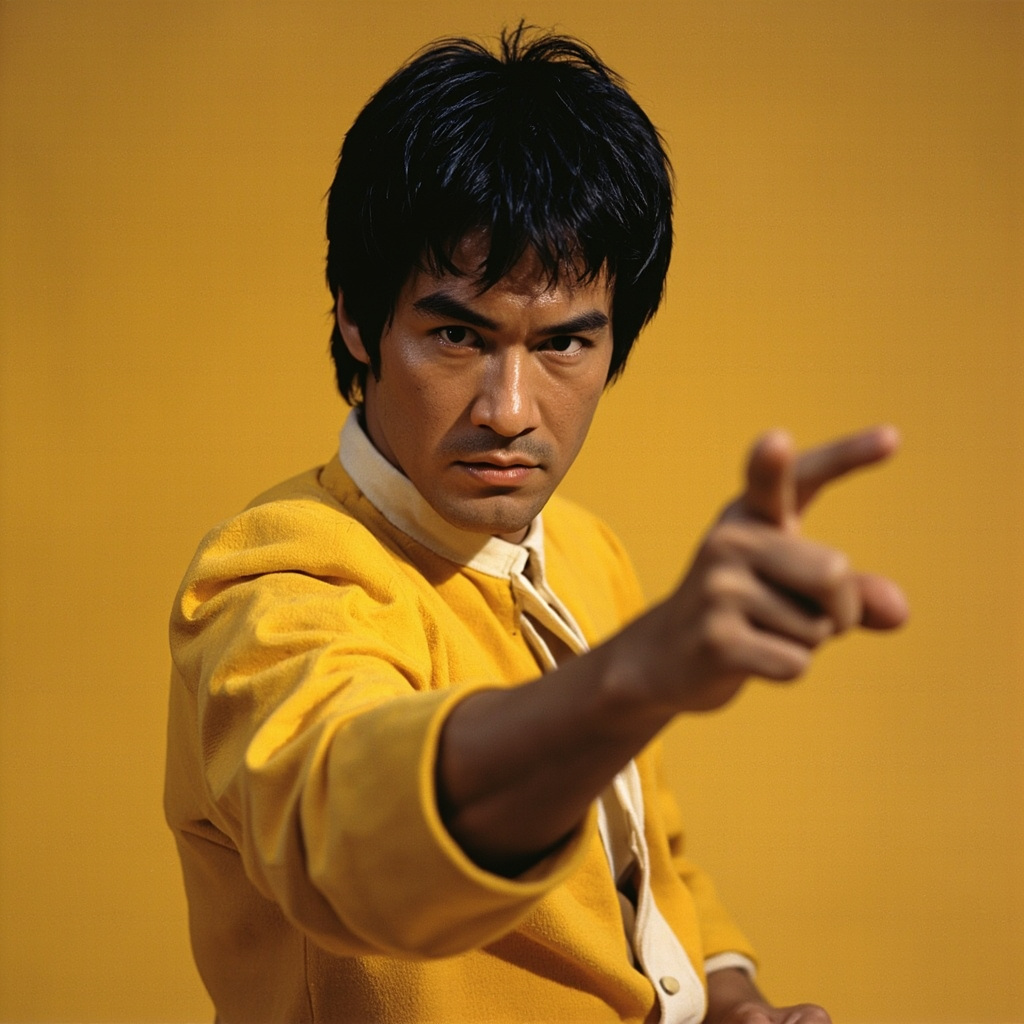
It Did not Happen Overnight
Chinese martial arts did not appear fully formed one day. They grew slowly over thousands of years, starting from basically when humans figured out that hitting things was more effective than just arguing about it.
Seriously though – people in what is now China were developing combat techniques way back in primitive society. By the time we hit the Han Dynasty around 200 BCE, you had people doing sword dances and calling it wuyi, which basically translates to martial arts skill. Not exactly creative naming, but the Chinese were focused on practicality over poetry.
The names changed a lot over the centuries. Some dynasties called it quanyong, others called it shoubo or jiji. Different periods, different names. It was not until 1926 that it officially became Chinese Wushu. And the word kung fu itself? That only became globally known in the 1960s, thanks to a certain someone we will get to shortly.
The Big Three Schools
If you talk to people who actually study this stuff, three names keep coming up: Shaolin, Wudang, and Tai Chi. They are completely different approaches to the same basic idea of how to fight.
Shaolin is probably what you picture when someone says kung fu. Located at a temple in Henan Province, these monks figured out that combining their spiritual practice with martial skills was surprisingly effective. By the Ming Dynasty, they were so good that generals would literally show up at the temple asking for lessons. The staff techniques those monks developed are still taught today.
Wudang took a different approach. Instead of all the external stuff, they focused on what they called the internal school – working with qi, breathing, that kind of thing. More meditation, less punching. It sounds almost like a completely different activity, honestly.
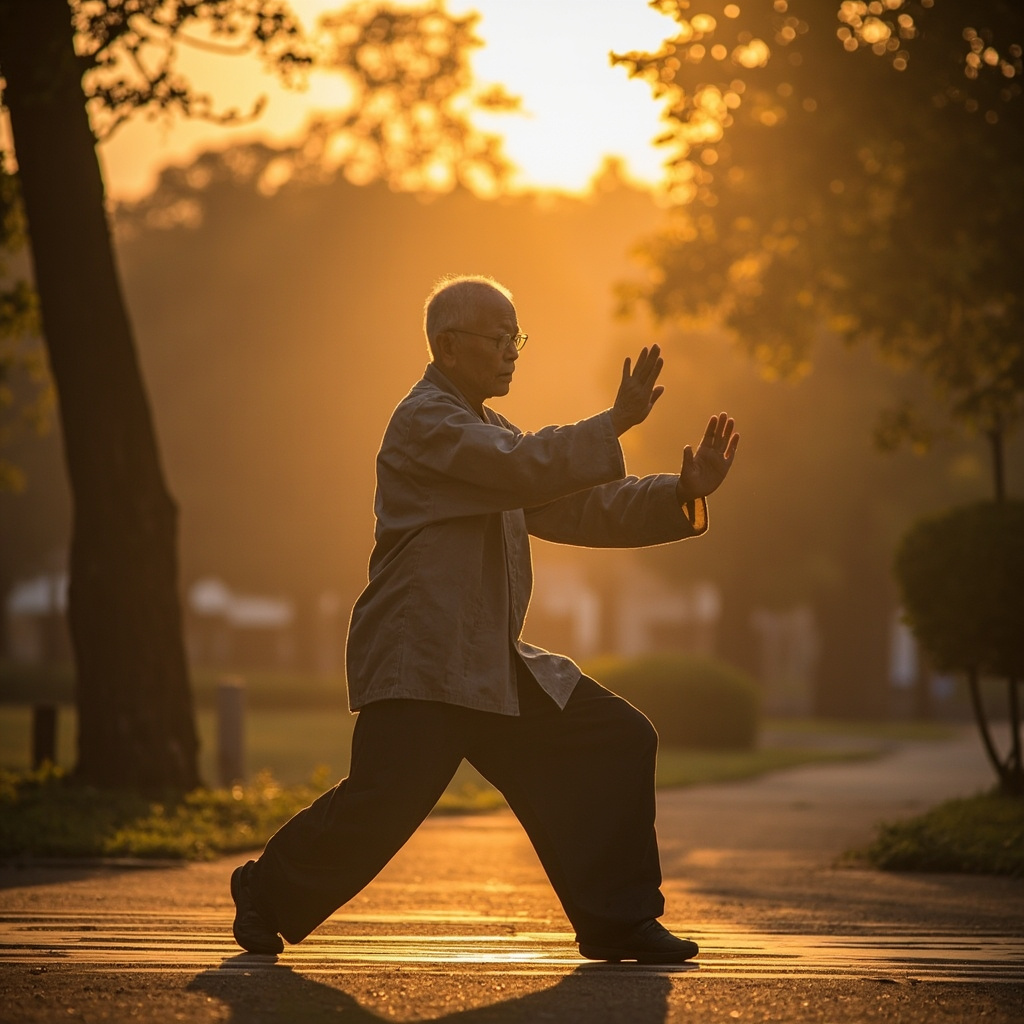
Then there is Tai Chi, which everyone associates with old people in parks doing slow-motion movements. But that is actually pretty recent. The form most people know was formalized in the 1600s by Chen Wangting. The whole legend about Zhang Sanfeng creating Tai Chi? Historians say there is basically no evidence for that – it makes for a better story though.
Then Bruce Lee Walked Onto the Screen
Here is the thing nobody talks about enough: kung fu might never have become globally famous without one guy. Bruce Lee changed everything.
Before Lee, most Westerners had never seen anything like this. His movies in the 60s and 70s showed combat that looked nothing like the European boxing or Japanese martial arts people knew. The speed, the philosophy, the way he moved – it was new to global audiences. And he had this charisma that just made you pay attention.
He also did something interesting philosophically. His approach, which he called Jeet Kune Do, was basically about not being limited to one style. Take what works, ditch what does not. A lot of Western martial artists found that really appealing.
Jackie Chan came next and brought comedy into the mix. Jet Li made it look elegant. Together, these guys turned kung fu from something foreign into something cool.
It is Not Just Movies Anymore
Here is what surprises people: kung fu is now an Olympic sport. Well, almost. It is going to be an official event at the 2026 Youth Olympics in Dakar. The International Wushu Federation has members in over 150 countries – that is most of the world.
Tai Chi got UNESCO recognition in 2020, which basically means the United Nations said this stuff matters enough to protect. They even created an International Tai Chi Day on March 21st. Try explaining to someone in 1950 that slow-motion Chinese shadow boxing would become a globally celebrated cultural heritage. Nobody would have believed you.
Why Does Anyone Care?
So why did this particular fighting tradition catch on globally when so many others did not?
A few reasons. First, it has intellectual depth. Most martial arts are just about fighting. Kung fu comes with an entire philosophy attached – yin and yang balance, qi flow, harmony with nature. You can spend a lifetime studying this stuff without getting bored.
Second, the variety. Hundreds of different styles exist. You want something aggressive and fast? Try Shaolin. Want something slow and meditative? Tai Chi. Want something with weapons? There are styles for that. It covers basically any preference you could have.
Third – and this matters – it actually works for health. Tai Chi especially has been scientifically shown to help with balance, flexibility, all that stuff. A lot of people who would never dream of fighting anyone still practice it because it makes them feel better.
Finally, there is the mystique. Ancient temples, robed monks, wisdom from the East – it taps into something almost romantic. Whether that image is entirely accurate is another question, but it definitely captures the imagination.
The Takeaway
Kung fu became globally famous because it offers something rare – a complete martial art that somehow manages to be practical, philosophical, culturally rich, and visually stunning all at the same time.
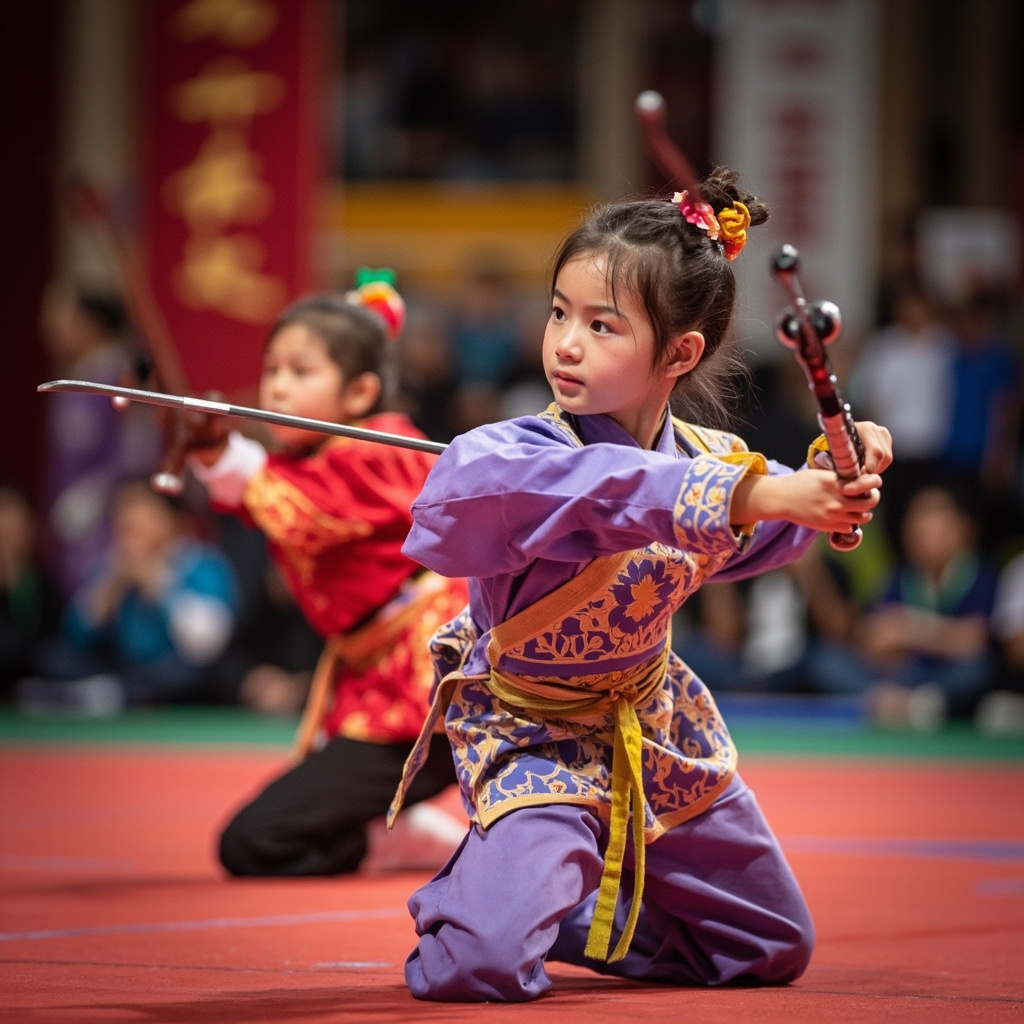
Whether you are watching a Shaolin monk perform impossible acrobatics, an elderly person doing tai chi in a park at dawn, or a kid learning wushu at a local gym, you are participating in a tradition that spans thousands of years and shows no signs of slowing down. In a world where most things old get replaced by something newer, kung fu keeps proving that some traditions are worth keeping.
