Why Does China Have So Many E-Bikes and Bicycles?
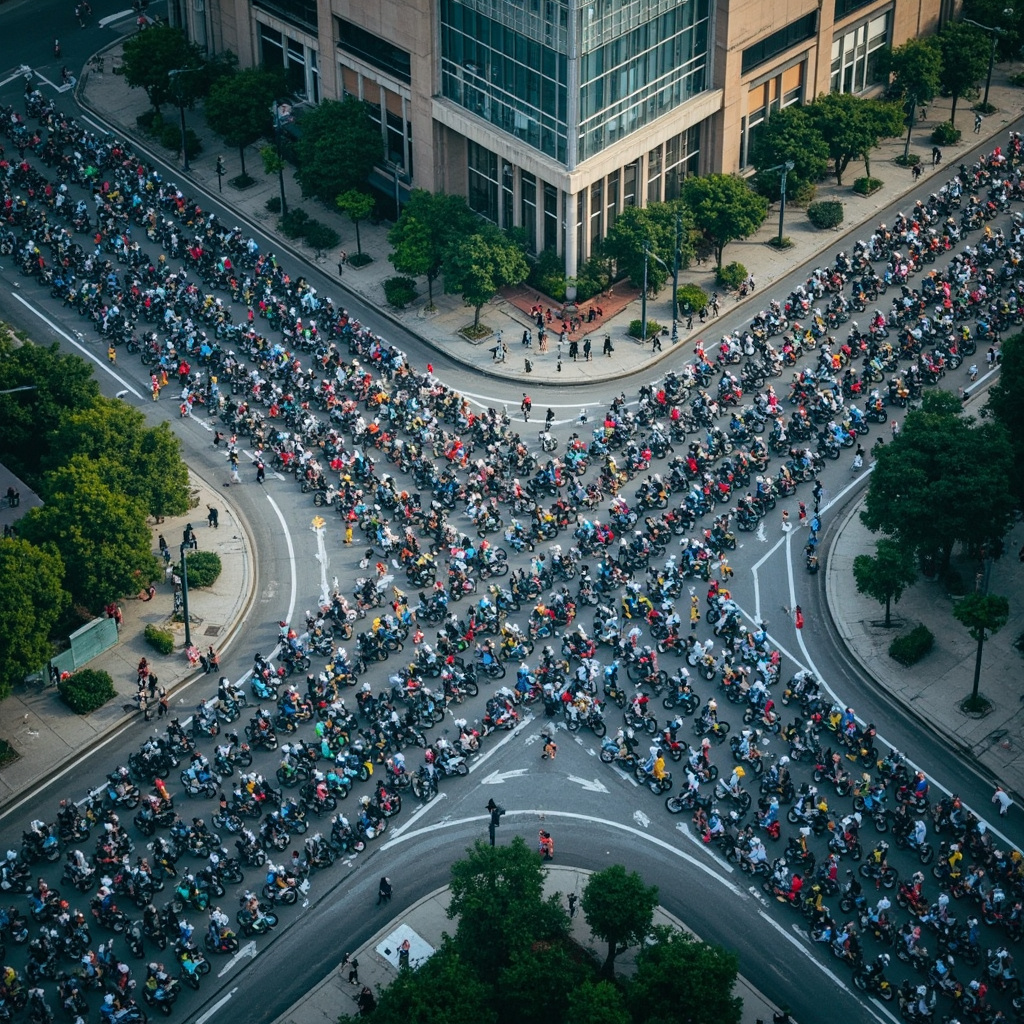
Walk through any Chinese city in the morning or evening rush hour and you will see something remarkable: millions of people on two wheels. Not just bicycles anymore – though those are still everywhere – but electric bikes, or e-bikes. The roads are dominated by streams of battery-powered vehicles zipping between cars and pedestrians.
China produces around 100 million bicycles and electric bikes every year. That is roughly one for every 14 people in the country, annually. So why exactly did China become the e-bike capital of the world?
First, Some History
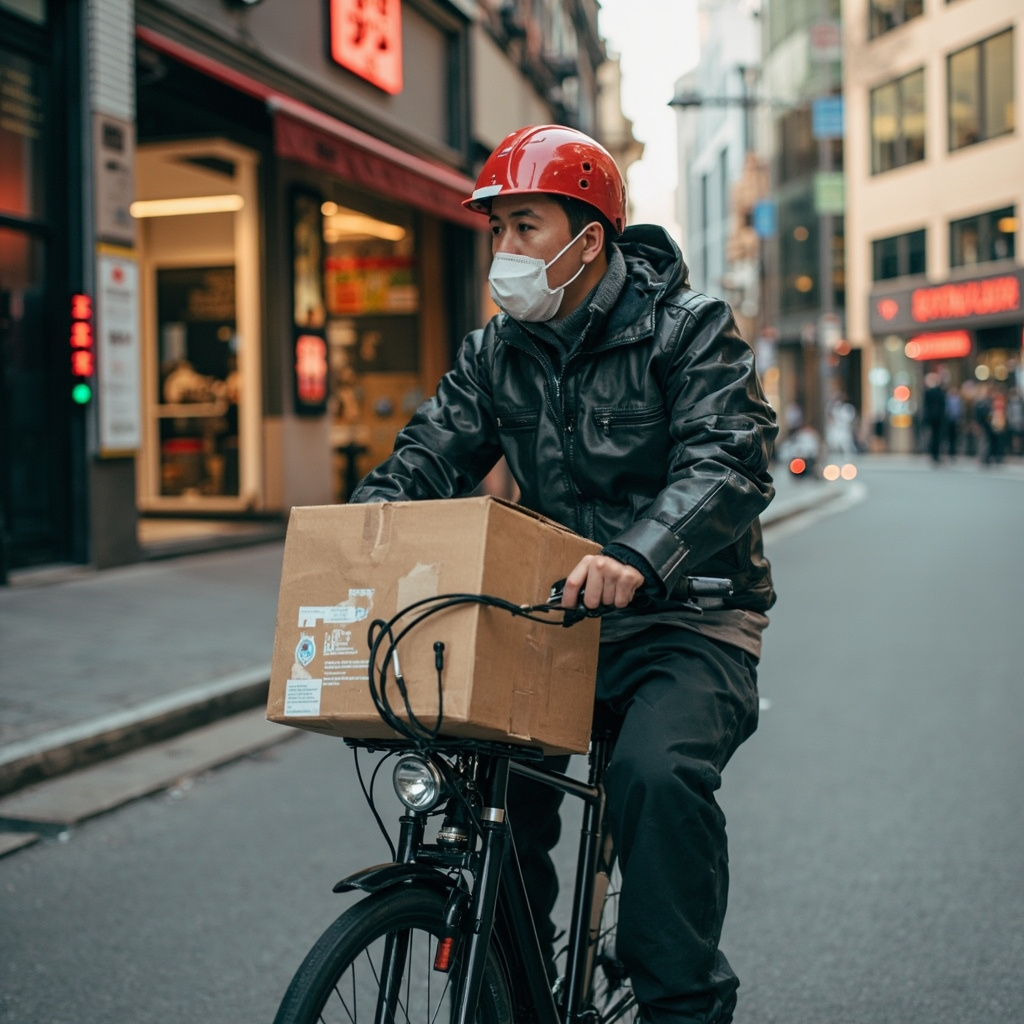
China was actually one of the first countries to embrace bicycles en masse. The bicycle arrived in China in the late 19th century, and by the 1950s, after the Communist Revolution, bicycles became symbols of middle-class life. In the 1970s and 1980s, owning a bicycle was practically a requirement for marriage – you could not start a proper family without one.
The bicycle was so important that it actually appeared on marriage advertisements: promising to provide a bicycle, a watch, and a sewing machine – the three bigticket items for newlyweds.
But as China urbanized rapidly in the 1990s and 2000s, motorcycles started replacing bicycles. They were faster, more powerful, and seemed like the logical next step.
Then the Motorcycle Bans Happened
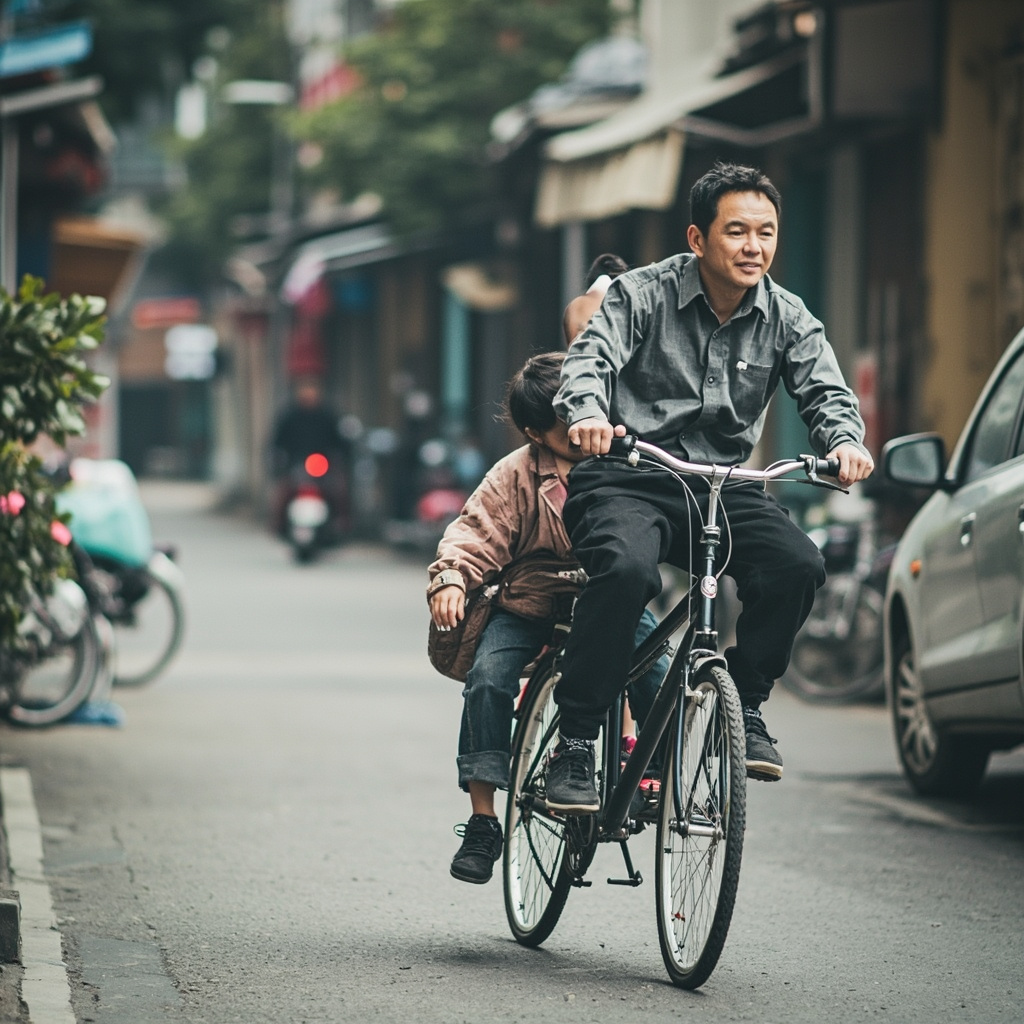
Here is where things get interesting. Starting in the 1980s and accelerating in the 2000s, Chinese cities began banning motorcycles from urban centers. The reasons included:
- Safety concerns – motorcycles were involved in many accidents
- Traffic congestion – motorcycles made congestion worse
- Air pollution – older motorcycles were dirty
- Theft and crime – motorcycles were easy to steal or use for crime
City after city implemented motorcycle bans. By 2019, over 200 cities had some form of motorcycle restriction. This created a vacuum that e-bikes perfectly filled.
The E-Bike Revolution
E-bikes – which legally fall somewhere between bicycles and motorcycles in most Chinese regulations – offered something unique: the convenience of a motorcycle with the accessibility of a bicycle.
The advantages were obvious:
- Cost – E-bikes cost a few hundred to a few thousand yuan (50-500 USD). Affordable for most urban families
- Operating costs – Charging costs almost nothing compared to gasoline
- Convenience – No license plate needed in most places, no drivers license required
- Parking – E-bikes can be parked almost anywhere, unlike cars
- Speed – Faster than bicycles, especially for commuting
The combination of motorcycle bans and these practical advantages made e-bikes irresistible.
They Solve Real Problems
For millions of Chinese urban residents, e-bikes are not a lifestyle choice – they are practical solutions to daily challenges.
Consider the typical Chinese city commute. Public transit is crowded. Walking is too slow. Cars are expensive and face traffic congestion and parking shortages. E-bikes thread the needle – fast enough, cheap enough, convenient enough.
For delivery workers – and there are millions of them in China – e-bikes are essential tools. Services like Meituan and Ele.me depend on armies of delivery riders who use e-bikes to transport food and packages. Without e-bikes, the entire food delivery ecosystem collapses.
The Numbers Are Staggering
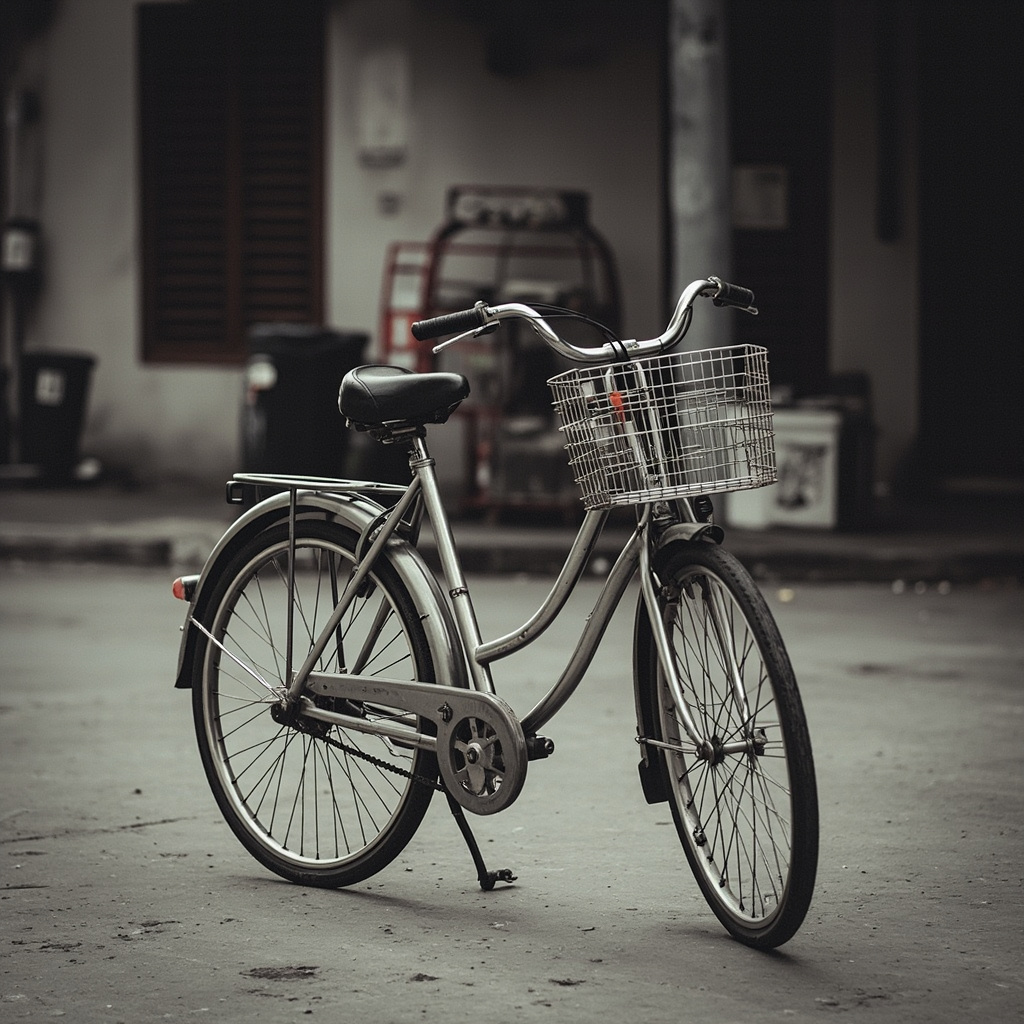
China has somewhere between 200-300 million e-bikes on the road. Let that sink in. Even conservative estimates put the number at over 200 million – more than the entire population of Brazil.
In terms of production, China dominates globally. Chinese manufacturers produce about 90% of the worlds e-bikes. Brands like Yadea, AIMA, and Luyuan are enormous companies with millions of customers.
The government has noticed. Recent policies have started regulating e-bikes more strictly – speed limits, weight limits, mandatory helmets. The days of complete freedom for e-bike riders are ending as the government tries to manage the chaos they create.
The Cultural Factor
There is also something cultural going on. Chinese cities were built for foot traffic and bicycles, not cars. The traditional urban layout – narrow streets, dense neighborhoods, small shops – is fundamentally incompatible with car-centric design.
When Chinese people chose how to get around, they often chose the option that fit their actual environment rather than the Western ideal of car ownership. E-bikes fit Chinese cities in a way cars never could.
Not Without Problems
To be clear, the e-bike boom has created issues:
- Safety concerns – e-bikes are involved in many accidents
- Traffic chaos – e-bikes often ignore traffic rules
- Charging fires – e-bike batteries have caused numerous fires
- Management challenges – cities struggle to regulate the massive e-bike population
These problems are being addressed through stricter regulations, but they remain ongoing challenges.
The Takeaway
Why does China have so many e-bikes and bicycles? Because they are practical solutions to the challenges of getting around dense Chinese cities. Because motorcycle bans created a gap in the market. Because they are affordable, convenient, and fit the urban environment.
Whether China is ahead of the curve in urban transportation or trapped in a chaotic intermediate stage depends on your perspective. But one thing is clear: for now, the e-bike is the king of Chinese urban transport.
