Why Are Chinese Dramas Becoming So Popular Worldwide?
Why Are Chinese Dramas Becoming So Popular Worldwide?
Here is what happened during the pandemic: people trapped at home needed entertainment. They turned to streaming services. They discovered something unexpected.
Chinese dramas. All the rage in Southeast Asia for decades. Now exploding in Europe, Africa, Latin America, and North America.
The Legend of Zhen Huan broke viewing records. Story of Yanxi Palace accumulated billions of views. Korean dramas had paved the way. Chinese dramas followed, then surpassed.
Foreign audiences who never watched Asian content now binged Chinese historical romances. They learned Chinese words. They adopted Chinese fashion aesthetics. They fell in love with a storytelling style entirely different from Western television.
Here is why Chinese dramas are becoming so popular worldwide, and what this spread means for global entertainment.
## The Production Quality Revolution
Here is what surprises Western viewers most: the production quality matches or exceeds Hollywood standards.
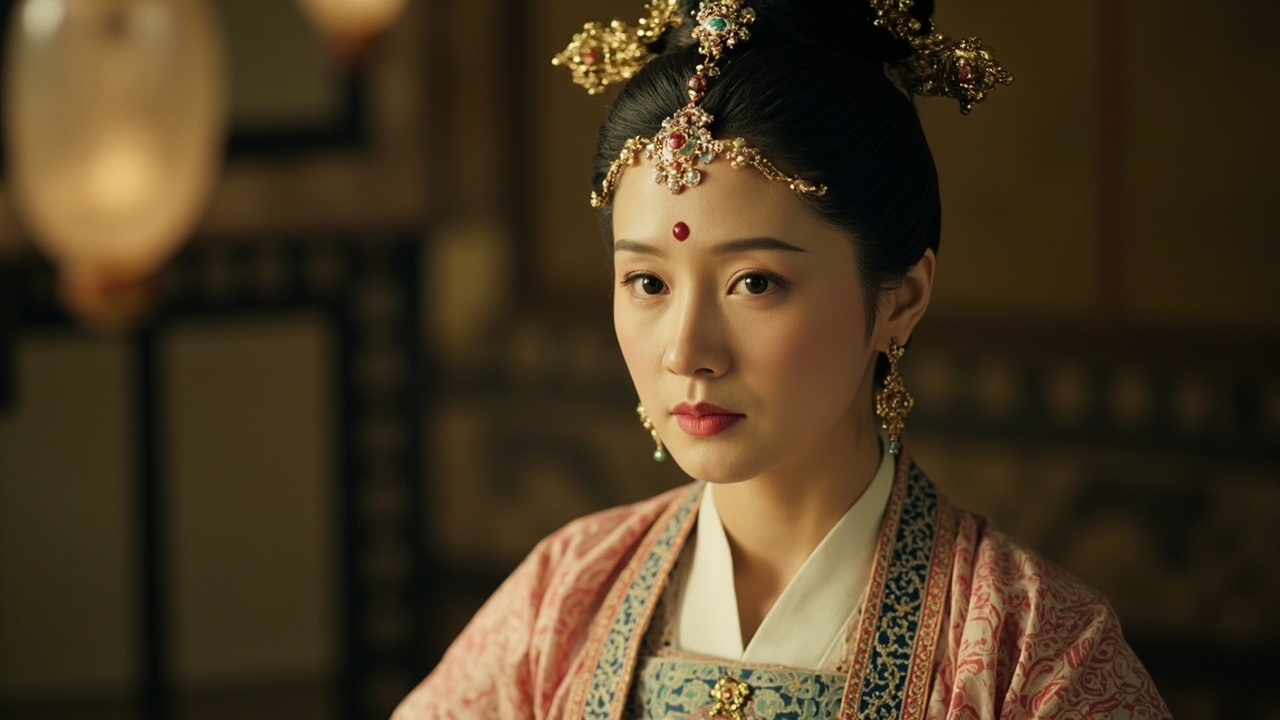
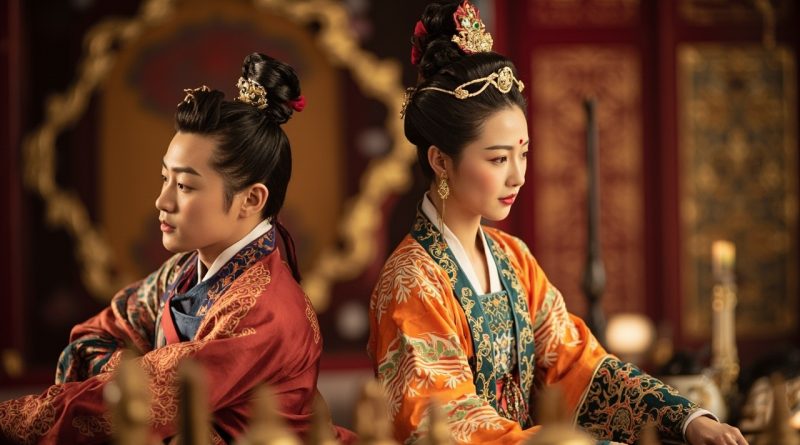
Chinese drama production budgets exploded in recent years. Historical epics routinely spend hundreds of millions on costumes, sets, and visual effects. The Empresses in the Palace series featured thousands of genuine Qing dynasty artifacts. Every court robe was meticulously researched and recreated.
This investment shows on screen. The visual richness surpasses most Western television. Costumes shimmer with actual silk. Palaces feel genuinely ancient. Battle scenes use thousands of real extras rather than CGI crowds.
Western viewers accustomed to comparatively modest television production values find Chinese dramas overwhelming. So much beauty, so much detail, so much care in every frame. The production quality alone justifies watching, regardless of storyline.
International streaming platforms noticed. They began licensing Chinese dramas at premium prices. Netflix, Amazon Prime, and Disney+ all added Chinese historical dramas to their libraries. The quality commanded premium positioning.
## The Storytelling Difference
Here is what makes Chinese dramas addictive: they tell stories differently than Western television.
Western dramas often prioritize plot twist and shock value. Character development serves the plot. Episodes end with cliffhangers designed to ensure next-episode viewing.
Chinese dramas reverse this emphasis. Character relationships drive everything. Viewers invest emotionally in character connections. They care deeply about whether the lead couple gets together. This emotional investment sustains engagement across 40, 50, even 70 episodes.
The pacing feels different. Chinese dramas take time developing relationships. The slow burn intensifies eventual payoff. Western viewers accustomed to rapid-fire plots sometimes complain about pacing. But those who adjust become hooked.
The episodic structure also differs. Chinese dramas typically end episodes at emotional turning points rather than cliffhangers. Viewers want to continue not because of suspense but because of emotional investment. They need to see relationships resolve.
## The Cultural Curiosity Factor
Here is what draws viewers beyond entertainment: Chinese culture itself fascinates.
Historical dramas introduce viewers to Chinese history. They learn about dynasties, customs, and traditions. They develop curiosity about actual historical events depicted in fictionalized forms.
This cultural education feels like side benefit rather than lesson. Viewers absorb Chinese philosophy through drama narratives. They encounter Confucian values, Taoist wisdom, and Buddhist concepts naturally embedded in storytelling.
Fashion represents another cultural draw. Traditional Chinese clothing aesthetics mesmerize international audiences. Hanfu movements gained international attention partly through drama exposure. Viewers order traditional clothing online after watching period dramas.
Food appears frequently in Chinese dramas. Viewers develop cravings for dishes they see characters eating. This food curiosity drives cultural exploration beyond television.
Language learning often follows drama watching. Viewers begin picking up Chinese phrases. They develop interest in studying Mandarin. The entertainment becomes gateway to deeper cultural engagement.
## The Streaming Platform Revolution
Here is what enabled global spread: streaming platforms eliminated geographical barriers.
Previously, Chinese dramas stayed within Chinese-speaking regions. Licensing restrictions prevented international distribution. Fansubs existed but required active effort to find.
Netflix changed everything by adding Chinese content to its global library. Subtitle and dubbing options made dramas accessible. Viewers worldwide could watch legally with proper translations.
YouTube and TikTok amplified discovery further. Clip channels accumulated millions of followers watching drama compilations. Short-form content promoted full-series streaming. The algorithm recommended Chinese dramas to viewers who watched similar content.
This technological infrastructure solved the access problem that previously limited Chinese drama reach. International viewers could discover dramas through casual browsing rather than active searching.
Mobile streaming apps specifically serving diaspora communities also expanded reach. These apps offered Chinese dramas with subtitles in multiple languages. Viewers in non-English-speaking countries gained access.
## The Parasocial Relationship Building
Here is what creates intense viewer loyalty: Chinese dramas build parasocial relationships that Western television struggles to match.
Lead actors become objects of intense admiration. Fan communities form around popular actors. Discussion forums dissect every scene, every expression, every costume choice.
This fan culture mirrors K-pop fandom in intensity. Chinese drama actors have international fan clubs with organized support. Fans vote in awards shows. They trend topics on Twitter. They mobilize to promote their favorite actors’ work.
The drama itself becomes shared social currency. Discussing latest episodes connects fans across geographical boundaries. International viewers participate in the same viewing experience as audiences in China, Taiwan, and Singapore.
Live-tweeting during broadcast creates real-time community. Even viewers watching on delay join communities discussing as if live. The shared experience generates social connection that solitary television viewing lacks.
## The Emotional Satisfaction
Here is what differentiates Chinese dramas from Western content: they deliver emotional satisfaction consistently.
Western television often ends ambiguously. Characters leave viewers uncertain about their futures. Conclusions feel incomplete or deliberately unsatisfying.
Chinese dramas typically deliver clear resolution. Audiences know the ending. They see the lead couple married, enemies defeated, justice achieved. The emotional payoff feels complete.
This satisfaction creates viewing pleasure that leaves audiences wanting more. They seek similar emotional resolution in future dramas. They become habitual viewers seeking repeated satisfaction.
Romance-centric storytelling ensures emotional resolution comes through relationship outcomes. Viewers invested in whether couples end together receive closure. The satisfaction of successful pairings creates positive viewing experiences that generate loyalty.
Comedy elements also feature prominently. Chinese dramas blend genres effectively. Even serious historical dramas include humorous moments. This tonal variety prevents exhaustion while maintaining engagement.
## The Costume and Aesthetic Appeal
Here is what initially draws many international viewers: visual beauty.
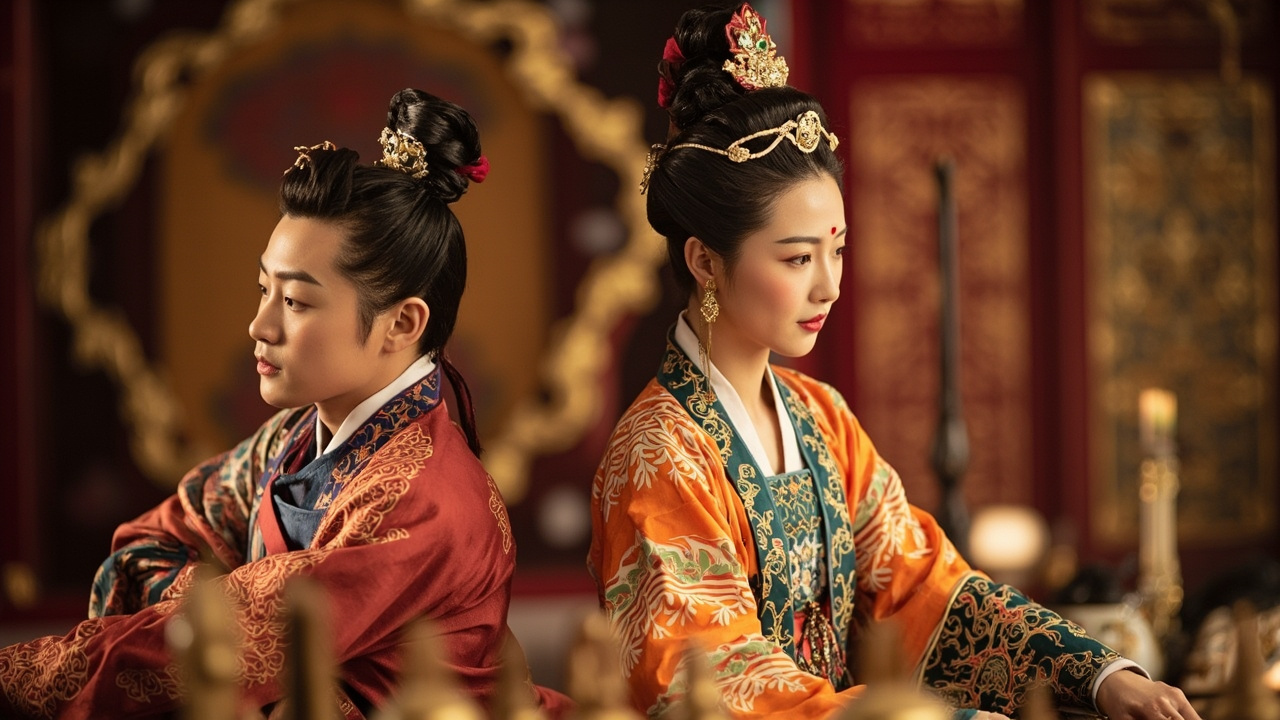
Historical dramas showcase elaborate costumes. Imperial robes glitter with embroidery. Hairstyles incorporate genuine ancient designs. Every visual element demonstrates careful historical research.
This aesthetic richness creates sensory pleasure. Viewers pause to admire costumes rather than advancing quickly through scenes. The visual beauty provides rewards independent of storyline engagement.
The palace drama subgenre specifically features this aesthetic appeal. Intricate power struggles play out amid gorgeous settings. Political machinations occur in beautiful environments. The combination of plot and beauty creates addictive viewing.
Modern dramas offer different aesthetic pleasures. Contemporary fashion, urban settings, and professional environments provide alternative visual styles. But period dramas remain most popular internationally for their distinctive visual landscapes.
## The Escapism Factor
Here is what pandemic viewers sought: complete immersion in another world.
Chinese dramas offer escape from daily concerns. The historical settings remove viewers from contemporary anxieties. Problems of ancient empires feel distant from pandemic, economic, and political stresses.
The emotional intensity also provides catharsis. Dramas elicit strong feelings that temporarily replace mundane emotional experiences. Viewers feel deeply, then return to their lives enriched rather than depleted.
The length of dramas extends this escapism. Viewers can disappear into 50-70 episode sagas for weeks. The extended commitment provides prolonged escape rather than brief entertainment.
This escapist function explains drama addiction patterns. Viewers report difficulty stopping mid-series. They describe binges that consume entire weekends. The escape becomes all-consuming precisely because it delivers such satisfying immersion.
## The Community Discovery
Here is what spreads dramas virally: communities form around shared enthusiasm.
International fan communities organize online. They translate discussion posts, create fan art, and produce reaction videos. This community activity amplifies drama visibility.
Recommendation networks drive discovery. Fans recommend dramas to friends with similar taste profiles. Algorithms then extend recommendations to broader audiences with matching preferences.
This community-driven growth explains rapid international expansion. Korean dramas spread through fan communities for years before reaching mainstream awareness. Chinese dramas follow similar community pathways.
Conventions and meetups now occur internationally. Fans gather to celebrate favorite dramas and actors. These events create in-person community experiences that reinforce digital engagement.
## The Global Entertainment Shift
Here is what the Chinese drama phenomenon represents: global entertainment is genuinely globalizing.
Hollywood once dominated international entertainment exports. American storytelling templates spread worldwide. Local entertainment industries served domestic audiences.
Chinese drama success disrupts this hierarchy. Non-Western storytelling now captures Western audiences. Chinese narrative styles, relationship emphasis, and aesthetic values attract viewers rather than repelling them.
This shift indicates changing cultural power dynamics. Soft power flows more bidirectionally than previously. Chinese cultural products compete successfully in markets that once seemed destined for Western cultural dominance.
The implications extend beyond entertainment. Drama viewers develop broader interest in Chinese culture, products, and perspectives. Entertainment soft power precedes economic and political influence.
## The Quality Diversity
Here is what keeps viewers engaged: Chinese drama production spans diverse quality levels and genres.
Platform dramas target premium audiences with high budgets. Independent productions offer alternative styles. This variety ensures options for different viewer preferences.
Genres span historical romance, urban comedy, fantasy, martial arts, and thriller. Viewer tastes can evolve within Chinese drama ecosystems. Fans sample different genres before specializing in preferred categories.
Quality variation also creates entry points. New viewers can start with accessible, highly-polished productions before exploring more niche content. The ecosystem supports viewer development.
## The Actor Cultivation System
Here is what produces such compelling leads: Chinese entertainment cultivates actors differently.
Talent development begins young in China. Acting schools focus intensively on emotional expression. Actors train in traditional arts including dance and martial arts that enhance screen presence.
The idol system creates devoted fan bases before major acting debuts. Young actors accumulate followings through music, variety shows, and social media. When they transition to acting, audiences already invest in their success.
This cultivation produces actors with exceptional screen charisma. Lead actors in Chinese dramas consistently demonstrate emotional range and physical expressiveness. The training shows in performance quality.
Foreign viewers often develop favorites whose work they follow specifically. This actor loyalty drives continued engagement with productions featuring beloved performers.
## The Future Trajectory
Here is what current trends suggest: Chinese drama international popularity will only increase.
Production quality continues improving. Budgets keep expanding. Storytelling sophistication grows with audience expectations. The content quality gap between Chinese and Western television narrows yearly.
Platform investments accelerate. International streaming services compete for licensing rights. This competition drives better access and wider distribution.
Audience development continues organically. Communities grow through word-of-mouth. New viewers convert through friend recommendations and algorithmic discovery.
Chinese drama represents more than entertainment trend. It signals broader cultural shifts. Non-Western media gains global audiences. Storytelling diversity enriches international entertainment ecosystems.
## The Truth
So why are Chinese dramas becoming so popular worldwide?
Because production quality now matches or exceeds global standards. Because storytelling emphasizes emotional investment over plot mechanics. Because cultural curiosity draws viewers beyond entertainment. Because streaming platforms enabled global access. Because communities amplify discovery and engagement.
Because Chinese dramas offer something Western television often fails to deliver: consistent emotional satisfaction. Because they create parasocial connections that sustain viewer loyalty. Because costume aesthetics, cultural depth, and narrative richness combine into uniquely satisfying viewing experiences.
Because global entertainment is genuinely democratizing. Chinese stories now reach global audiences. Western viewers discover alternatives to their entertainment monoculture. Diversity in storytelling becomes diversity in viewing experience.
The next time someone asks why Chinese dramas spread globally, remember: quality content transcends cultural boundaries. Emotional investment bridges linguistic gaps. Beautiful storytelling needs no translation.
Start watching. You will understand. And then you will recommend it to everyone you know.