Why Are Chinese Families So Close-Knit?
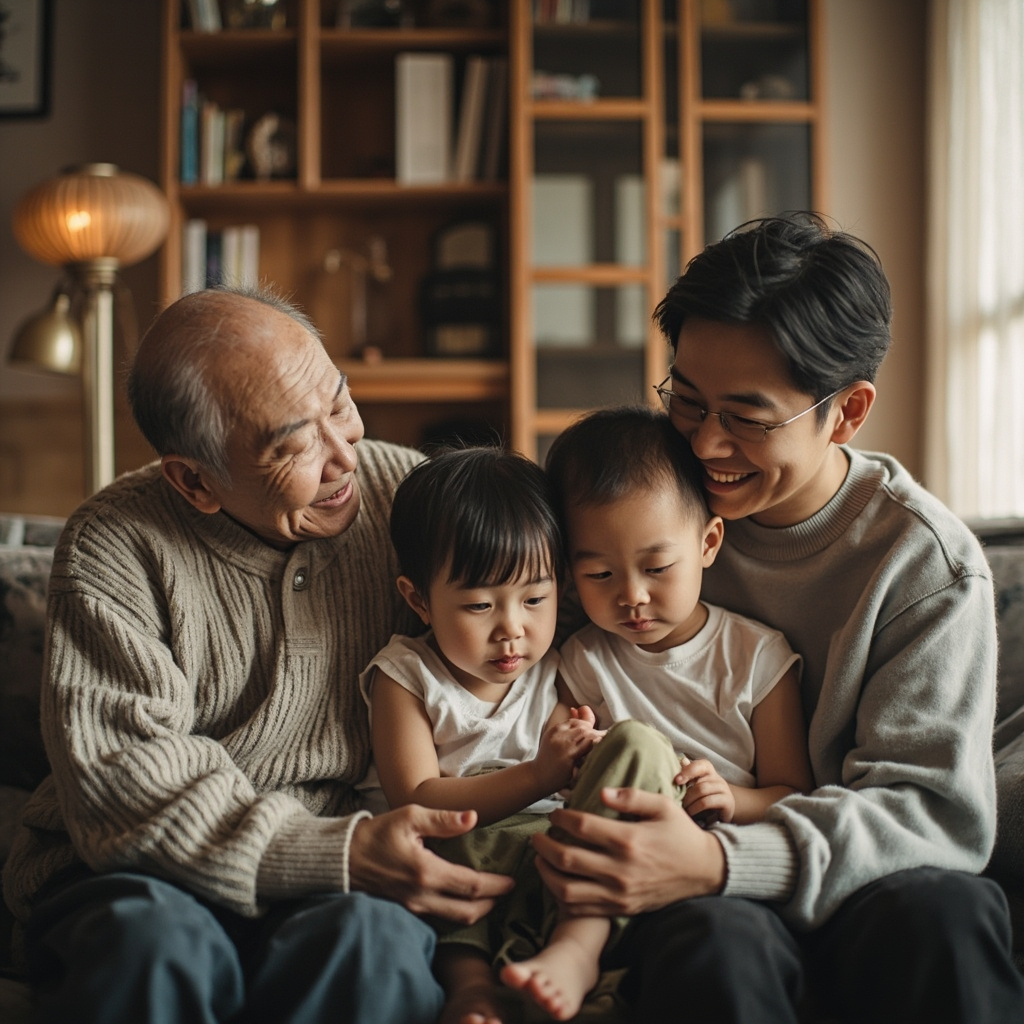
If you have ever spent time with Chinese families – either in China or in diaspora communities abroad – you probably noticed something that might seem unusual from a Western perspective. Chinese families tend to be extremely close. Adult children often live near their parents. Grandparents frequently help raise grandchildren. Extended family gatherings are regular and expected. Decisions about careers, marriages, and finances often involve the whole family rather than just the individual.
But why is this? Why are Chinese families so close-knit compared to many Western societies?
It All Started with Farming
Here is something that puts a lot of Chinese family dynamics in perspective: for most of the last 5,000 years, China was a farming civilization. And farming is fundamentally a family enterprise.
Unlike hunting or trading, agriculture requires sustained cooperation over seasons and years. You plant in spring, tend in summer, harvest in fall, and plan for winter. This cycle requires people who will stick around – family members who share land, labor, and resources generation after generation.
In traditional Chinese villages, extended families typically lived together or very close by, working the same land. This was not sentimentality – it was survival. A family that stayed together had a better chance of making it through bad harvests, diseases, and hard times. Those who fragmented often did not survive.
So the close-knit family structure in China did not emerge from philosophical ideas first – it emerged from practical economic realities that shaped everything that came after.
Confucius Had Something to Do with It
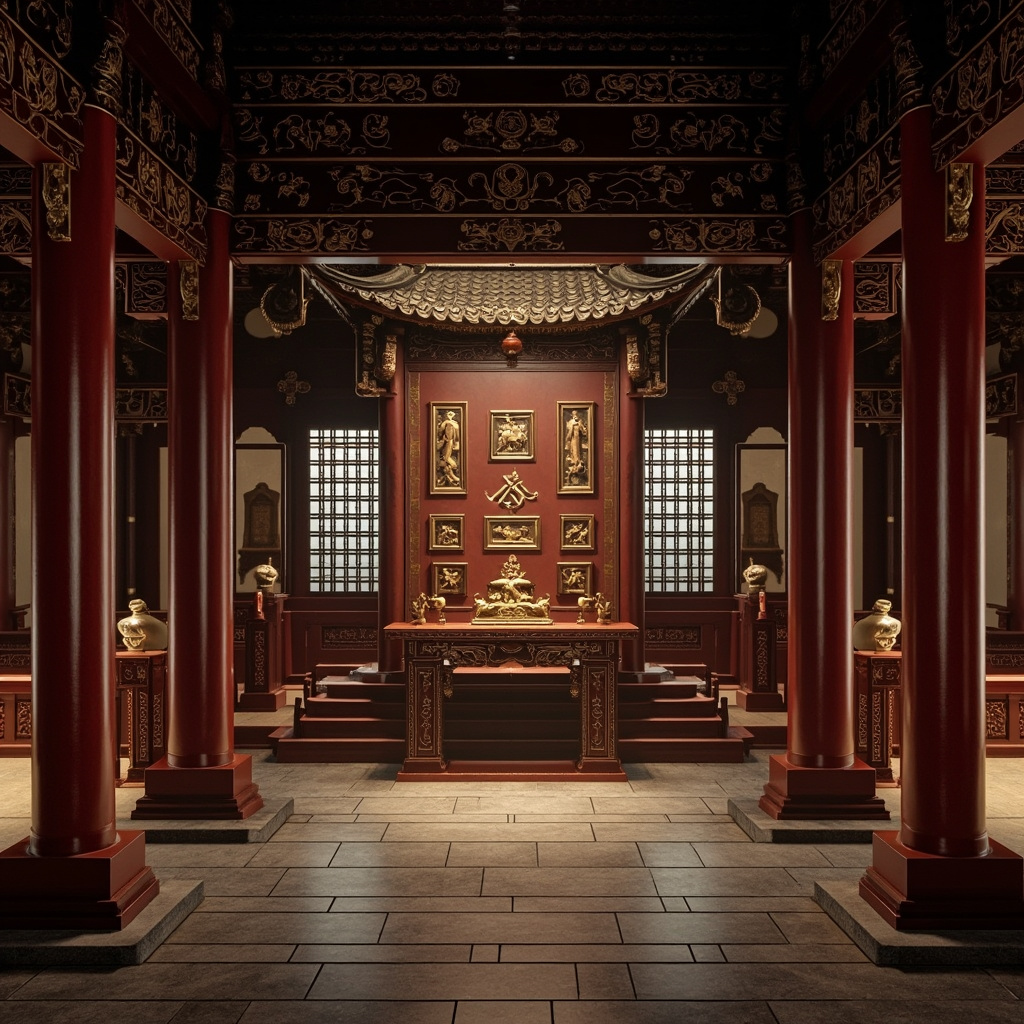
By the time philosophers started writing about family in China, the practical foundations were already set. But Confucius (551-479 BCE) gave these existing practices a philosophical framework that would shape Chinese civilization for over 2,000 years.
Confucius taught that society worked like a family. Just as families had hierarchies (elders above younger), so did societies and governments. The concept of xiao – filial piety, or respecting and caring for your parents – became the foundational virtue of Chinese ethics.
The famous formulation was: xiu shen, qi jia, zhi guo, ping tianxia. Cultivate yourself, regulate your family, govern your state, and bring peace to the world.
Notice the order. Family comes before government. Before you can contribute to society, you need to handle your family responsibilities. This was not just philosophy – it became the operating system for Chinese civilization.
Ancestors Are Always Watching

One thing that surprises Westerners is how much Chinese people care about their ancestors – people who died hundreds or even thousands of years ago.
Qingming Festival – tomb-sweeping day – happens every spring. Families visit ancestral graves, clean them, offer food and wine, and burn paper money. This is not a small event. During Qingming, Chinese airports and train stations fill with people traveling home to participate.
But why does this matter for family closeness? Because ancestor worship creates a sense that you are part of something much bigger than yourself. You are connected to everyone who came before and everyone who will come after. Your actions reflect on your ancestors and affect your descendants.
This creates accountability that extends across time. Being a bad family member is not just letting down your living relatives – it is betraying your ancestors and disappointing your grandchildren yet to be born.
Who Takes Care of Grandma?
In many Western countries, when elderly parents need care, the question is often: should they move to a nursing home or hire professional caregivers? In China, the default assumption is different: family members will care for elderly parents.
The phrase yang er fang lao – raising children to provide for old age – captures this perfectly. Children are not just emotional investments; they are practical old-age insurance.
This was not idealism – it was necessity. For most of Chinese history, there was no government pension, no Social Security equivalent, no nursing home system. If you did not have children to support you in your final years, you were in trouble.
Even today, as China develops modern social safety nets, the expectation that children will care for aging parents remains strong. Putting your parents in a nursing home is still often seen as abandonment in Chinese culture.
Individual vs. Family
Here is a key difference that often causes friction between Chinese and Western people: the relationship between individual and family.
Western culture tends to emphasize individual autonomy and independence. The adult child is expected to leave home, establish their own household, and make their own decisions. Parents who interfere in adult childrens lives are considered problematic.
Chinese culture operates differently. The family is the primary unit, not the individual. This means:
- Career decisions often involve family input
- Marriage partners are assessed by the whole family, not just the individual
- Financial decisions – like buying a house – frequently involve parents or extended family contributing money
- Adult children are expected to prioritize family obligations over personal preferences
This can seem oppressive to Western sensibilities. But it also means you are never alone. When you need help – financial, emotional, practical – your family is there. When relatives are in trouble, you are expected to help them in return.
The Modern Reality
Like everything in China, family dynamics are changing rapidly with urbanization and modernization. One-child policy effects, migration from villages to cities, rising living costs – all of these are reshaping how Chinese families function.
Many young Chinese feel caught between traditional expectations and modern desires. They want independence but also feel guilty about not living up to parental expectations. They see their parents sacrifice everything for their education and feel indebted.
Still, the family remains central to Chinese life in ways that often surprise outsiders. Family gatherings for holidays are still expected. Parents still meddle in childrens marriages. Extended families still coordinate major decisions.
Whether this is beautiful or oppressive – and it can be both – depends partly on your perspective and partly on whether your particular family does it well.
The Takeaway
Why are Chinese families so close-knit? Because thousands of years of farming civilization created structures where family cooperation was essential for survival. Because Confucian philosophy formalized these structures into ethical obligations. Because ancestor worship created accountability across generations. Because there was no other safety net.
Understanding this helps explain a lot about China – why guanxi (relationships) matter so much in business, why family businesses dominate Chinese enterprise, why the concept of face extends to your whole family.
The Chinese family is not just a social unit – it is a survival strategy that has been refined over millennia.
