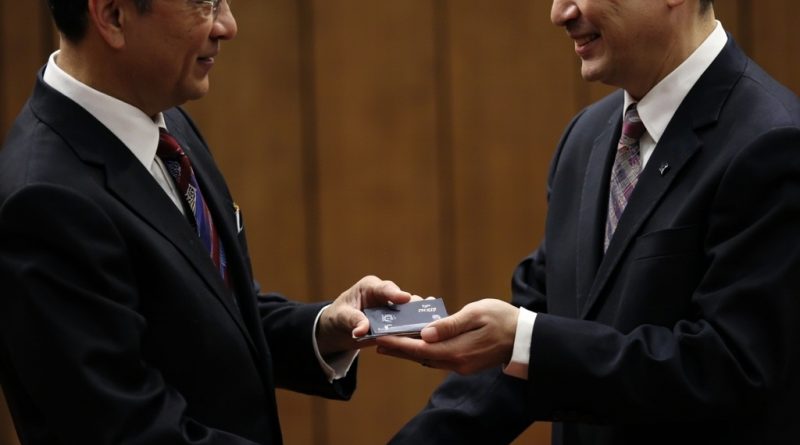
Why Do Chinese People Care About Face?
Why Do Chinese People Care About Face?
Let me tell you about something that shapes every decision we make, every relationship we build, and every story we tell about ourselves: face, or 面子.
Foreigners find this concept confusing. Face sounds like vanity. Like we are obsessed with how we appear to others. But that is not what face is. Face is deeper. Face is the invisible social currency that makes Chinese society function.

## What Face Actually Means
Here is the simple version: face is your reputation. Your dignity. Your social standing in the eyes of your community.
But that does not capture it fully.
Face is also the space you create for others and the space others create for you. It is mutual respect made invisible. It is the reason we do not embarrass people in public. It is the reason we give gifts that are too generous. It is the reason we work jobs we hate to provide for families in ways that look effortless.
My grandmother explains it best: face is like air. You do not see it, but without it, you cannot breathe.
## The Origin Story
Our concept of face goes back further than written history.
During the Han Dynasty, our ancestors formalized the idea of social harmony. The goal was simple: keep the community peaceful. If everyone worried about their reputation, everyone would behave. Chaos would be avoided.
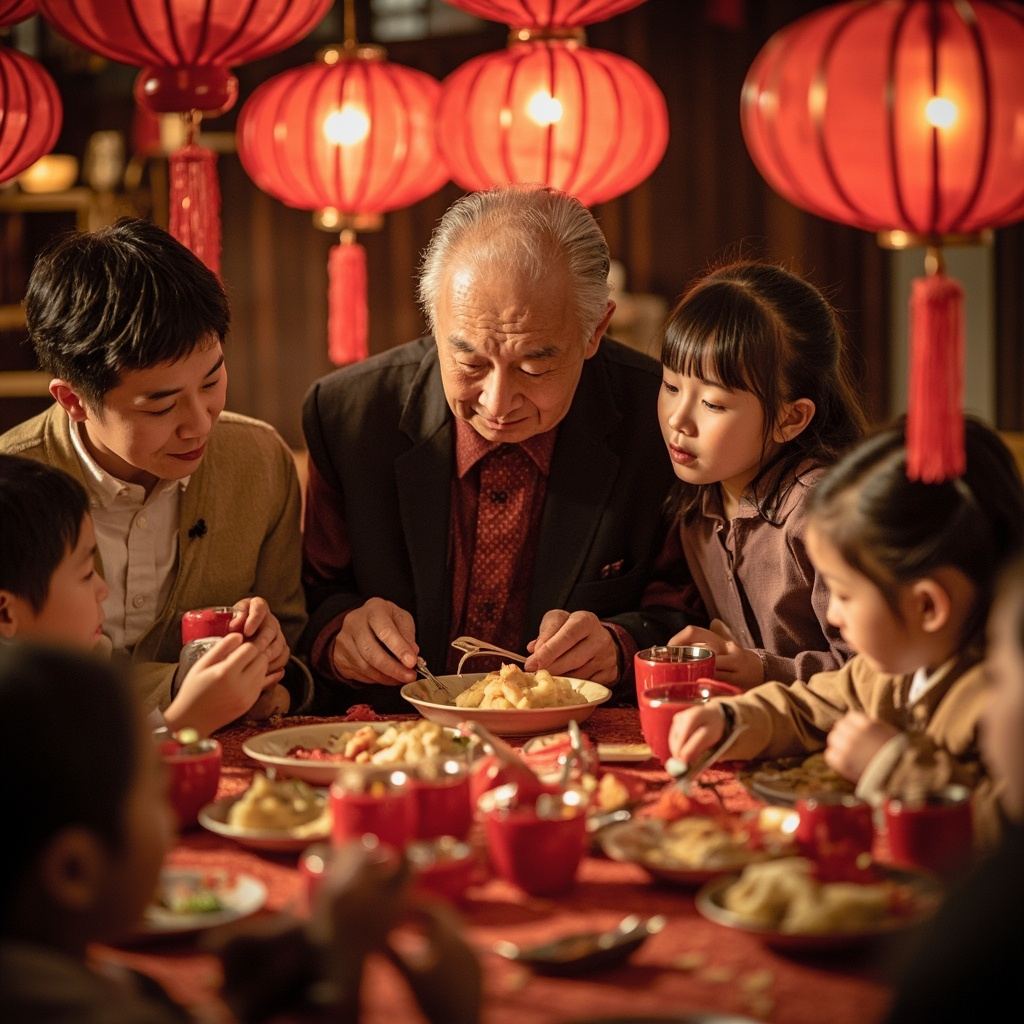
Confucius taught us about the importance of proper conduct. About knowing your place in society. About treating others with the respect they deserve. Face is the enforcement mechanism of all of this.
When you give someone face, you are acknowledging their position in the social order. When you take someone’s face, you are challenging their place in society. Neither is acceptable.
## Why We Never Embarrass Someone Publicly
Here is what foreigners find baffling: we never call someone out in public. We do not correct our bosses in meetings. We do not reject a gift in front of others. We do not say no directly when it might cause embarrassment.
The reason is face.
If I correct my boss in front of colleagues, I am taking his face. Even if I am right. Even if the correction is helpful. The public humiliation outweighs any benefit of the correction.

This is why business negotiations in China take so long. No one wants to be the one who says no directly. That would give the other person face. And we cannot be seen as accepting charity or admitting defeat.
Instead, we say things like “this needs more consideration” or “the timing is not quite right.” Both sides understand this means no. Both sides save face. Everyone walks away with their dignity intact.
## Face in the Family
Family is where face matters most.
When I was growing up, my parents made sacrifices that made no financial sense. They bought clothes they could not afford so I would not look poor at school. They saved every penny for my education even when it meant eating instant noodles for weeks.
This was face. Not vanity. Face.

My success was their success. My failure would be their failure. This is not pressure. This is love expressed through the language of face.
When my cousin got a promotion at work, the whole family celebrated. When another cousin failed his university entrance exam, the family did not speak of it. Not because we were ashamed. Because we were protecting her face. She had already heard the disappointment from her parents. She did not need the extended family adding to it.
## The Generosity Connection
Here is a foreigner’s question: why do Chinese people insist on paying for everything?
The dinner bill. The wedding gift. The red envelope for the baby. Always paying. Always generous. Always more than necessary.
This is face in action.
When you pay for dinner, you are not just buying food. You are showing your guests that you can afford to host them. You are honoring them with your willingness to spend. You are gaining face in their eyes.
Refusing to let someone pay is also a face issue. It says: I do not trust you to provide for yourself. I do not believe you can afford this. Neither side wants to be the one who accepts too little or gives too little.
## Why It Gets Misunderstood
Foreigners call face a form of pride. We call it survival.
In a society where relationships determine everything, your reputation is not superficial. It is your professional future. It is your marriage prospects. It is your children’s opportunities.
Face is not about vanity. It is about the web of obligations and respect that holds society together.
The next time someone asks you why we make such a big deal about not embarrassing people, tell them: because in a culture that survives through connection, dignity is not optional. It is the foundation of everything.
And because sometimes the kindest thing you can do is let someone keep their dignity intact, even when the truth might hurt.
