Why Do Chinese People Celebrate Dragon Boat Festival?
Why Do Chinese People Celebrate Dragon Boat Festival?
Let me tell you about the holiday that smells like bamboo and tastes like rice: Dragon Boat Festival, or Duanwu Festival.
Every fifth day of the fifth month of the lunar calendar, we gather with family. We eat zongzi. We watch dragon boat races. We hang calamus and mugwort on our doors. This is not just a tradition. This is our memory of a man who lived over two thousand years ago.
Foreigners see dragon boats and zongzi and think: colorful festival. Fun tradition. What they do not see is the sadness underneath. This is a holiday that began in mourning.
## The Story of Qu Yuan
Our Dragon Boat Festival starts with a poet.
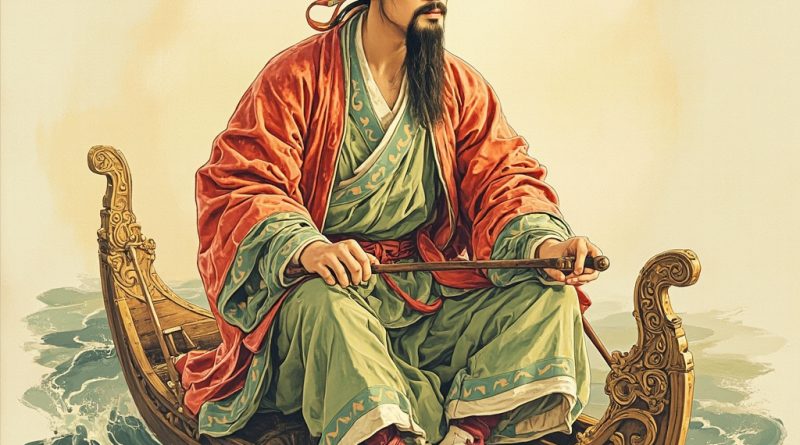
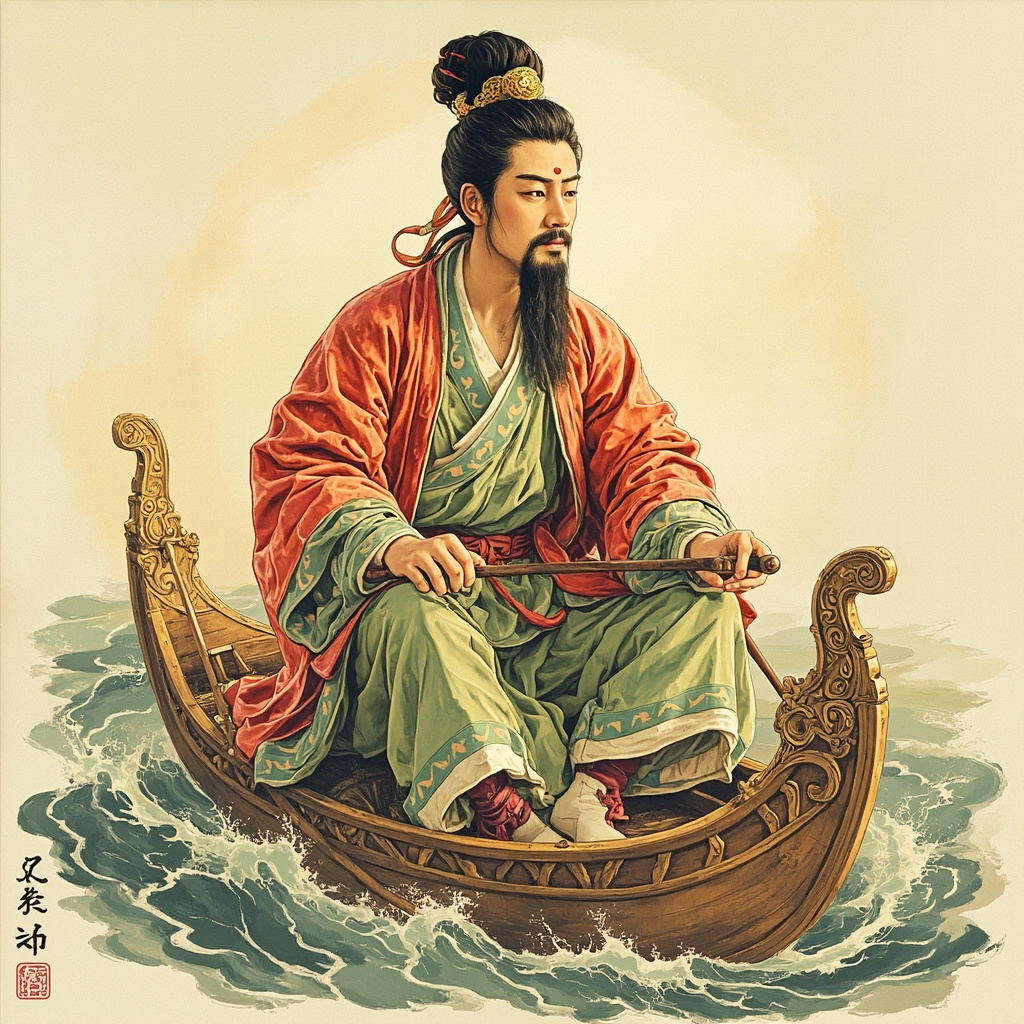
Qu Yuan lived during the Warring States period, around 340 BCE. He was a minister in the kingdom of Chu. He was brilliant. He was loyal. He wanted his kingdom to unite all of China under proper governance.
The king did not listen. Qu Yuan warned about the dangers of aligning with the state of Qin. The king preferred comfortable alliances. Qu Yuan was exiled.
While in exile, Qu Yuan wrote poetry. His words still echo through Chinese literature today. His love for his country. His grief at its decline. His hope that someday, someone would listen.
When the kingdom of Chu finally fell to Qin, Qu Yuan could not bear it. He walked to the Miluo River. He embraced a stone. He jumped.
The local people rushed to save him. They raced their boats to find him. They beat drums to keep evil spirits away. They threw zongzi into the water so the fish would eat the rice instead of his body.
They could not save him. But they remembered.
## Why We Race Boats
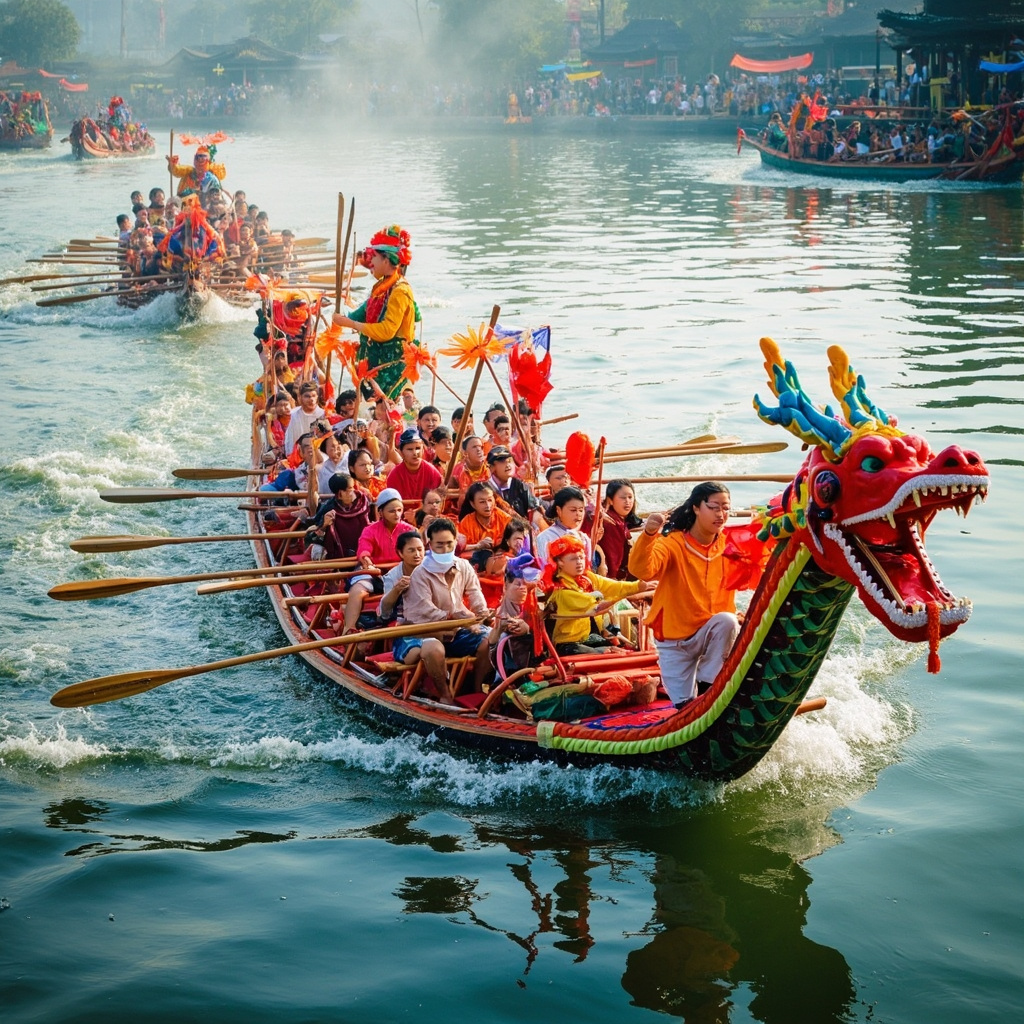
Here is what foreigners find strange: we celebrate by racing boats shaped like dragons.
The story goes that when Qu Yuan jumped into the Miluo River, local fishermen raced out in their boats to save him. They could not find him. They beat drums and splashed water to keep the fish and water spirits away.
This became the dragon boat race. The dragon head on the bow. The drums that set the pace. The synchronized rowing that requires perfect coordination.
This is not just sport. This is ritual reenactment. Every stroke is a search for Qu Yuan. Every beat of the drum is a call across two thousand years.
## Why We Eat Zongzi
Alongside the boats, we eat zongzi.
The story goes that after Qu Yuan drowned, local people threw rice into the river to feed the fish. They did not want the fish to disturb his body.
Qu Yuan’s spirit appeared and said: the rice is being eaten by the fish. Please wrap it in silk and tie. Bind it so the fish cannot get to it.
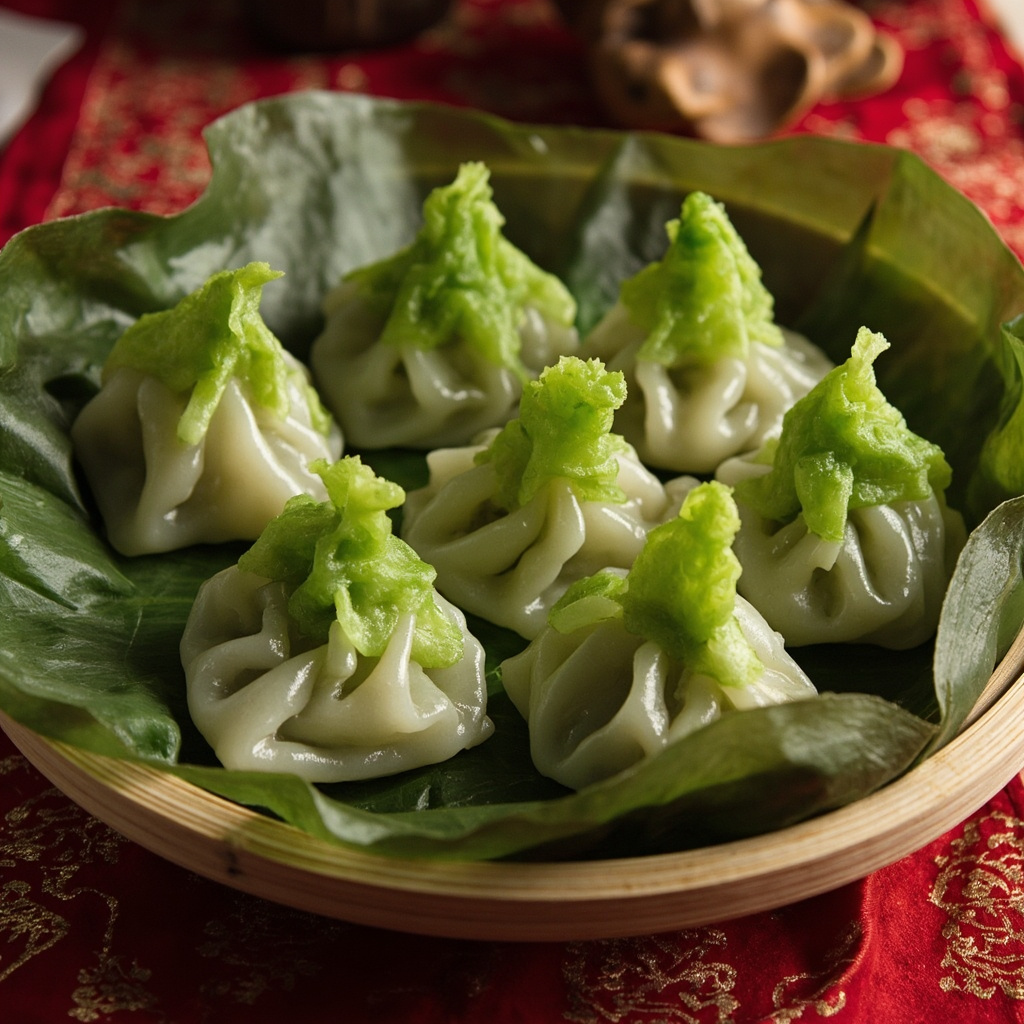
This is why we wrap rice in bamboo leaves and tie it with string. This is why zongzi is sticky and dense. It is not just food. It is an offering. It is respect for a man who gave everything for his country.
The taste of zongzi is the taste of memory.
## The Food Variations
Here is where regional pride comes in.
Northern zongzi are sweet. They stuff them with red bean paste or dates. Some even put sugar in the rice itself.
Southern zongzi are savory. Pork belly. Salted egg yolk. Sausage. Chestnuts. The fillings vary by province, by family, by personal preference.
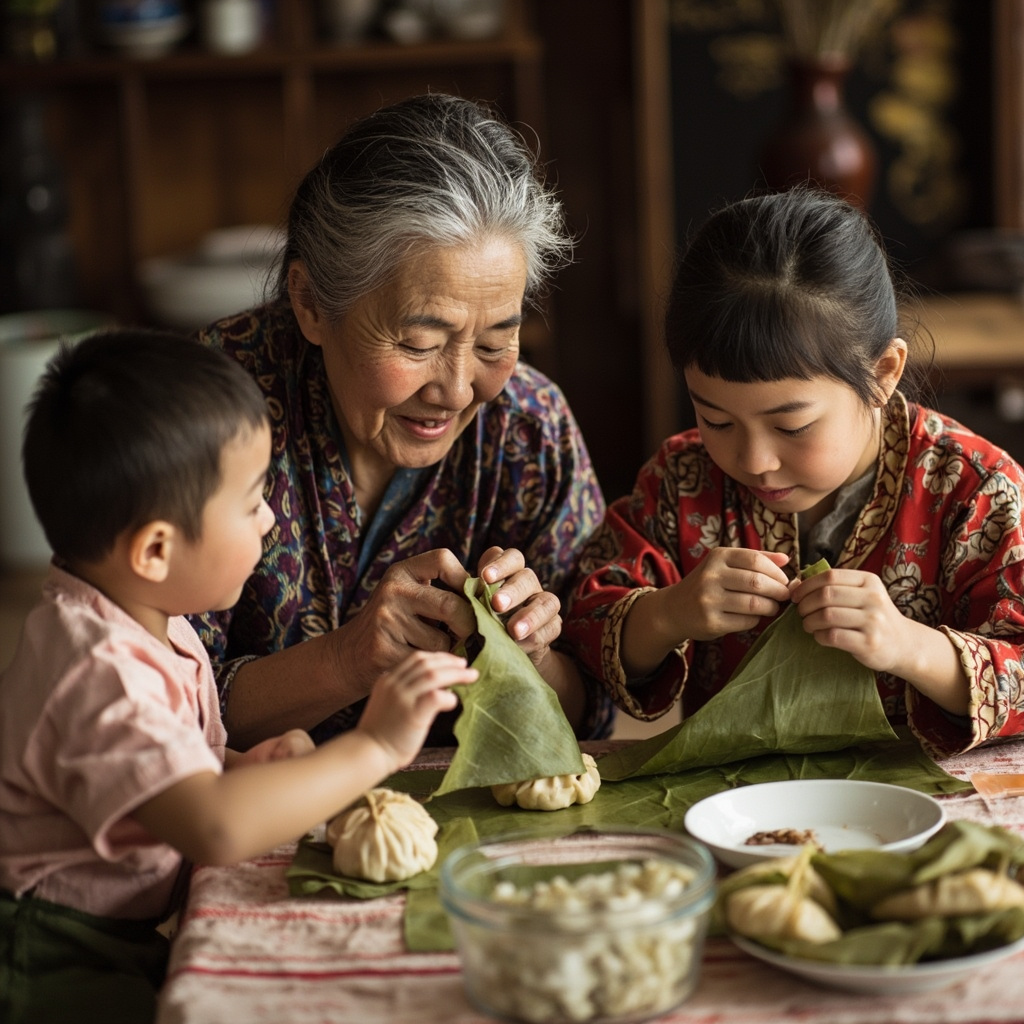
Every family has their recipe. My grandmother’s zongzi were always the best because she had been making them for sixty years. The bamboo leaves had to be fresh. The rice had to be soaked overnight. The filling had to be just right.
This is not something you can rush. Like mourning, like respect, like memory: it takes time.
## Why We Hang Plants on Doors
Dragon Boat Festival is not just about boats and food. We also hang calamus and mugwort on our doors.
The old belief is that these plants ward off evil spirits and disease. During the fifth month, when the weather turns hot and damp, illness spreads more easily.
Hanging these plants is not superstition. It is practical wisdom wrapped in tradition. We take care of our families the best way we know how.
My mother still hangs calamus on our door every Dragon Boat Festival. I used to think it was old-fashioned. Now I understand: it is connection. It is doing what our ancestors did. It is being part of the continuity.
## The Family Gathering
Like most Chinese holidays, Dragon Boat Festival is about family.
We gather for a meal. We eat zongzi together. We talk about our lives. We tell stories about Qu Yuan to children who may not fully understand yet.
This is how traditions survive. Not through textbooks. Through families. Through the smell of bamboo leaves in the kitchen. Through the taste of rice that has been prepared the same way for generations.
## The Truth
So why do we celebrate Dragon Boat Festival?
Because we remember. We remember a poet who loved his country more than himself. We remember his words, his sacrifice, his legacy.
Because every race of the dragon boat is a search for something lost. Every bite of zongzi is an offering of respect. Every hang of calamus on the door is a hope for health and safety.
Because in a culture that values history, that values family, that values continuity, we need holidays that connect us to our past.
The next time someone asks you why you are eating rice wrapped in leaves and watching boat races, tell them: because two thousand years ago, a man gave everything for his country, and we have not forgotten.
We will never forget.
