Why Do Chinese People Drink So Much Soup?
Why Do Chinese People Drink So Much Soup?
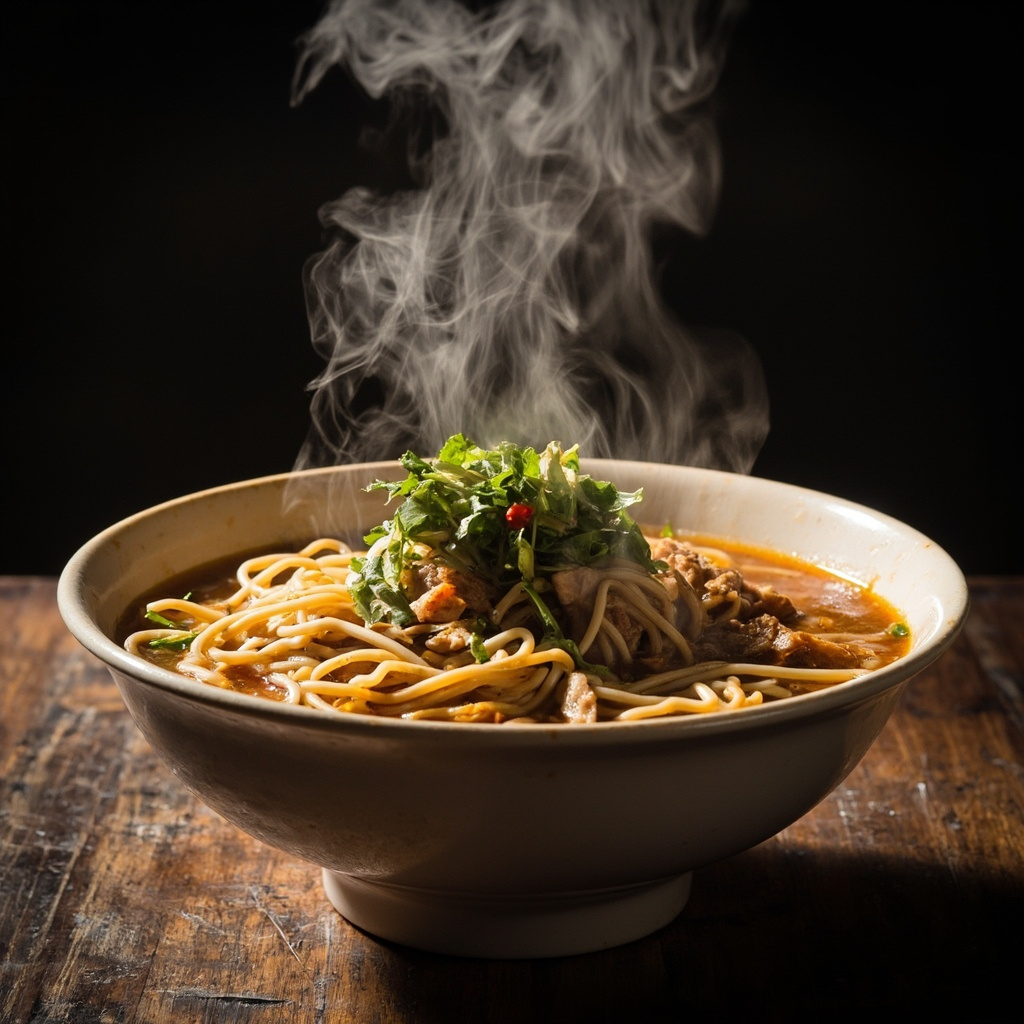
Here is a scene that confuses many foreigners dining in China: everyone is eating peacefully, and then someone slurps a giant bowl of hot soup directly after the meal. Not as a starter. As a finisher.
The foreigner thinks: did I miss something? Is this a digestif? Are they still hungry?
This is not rude. This is not strange. This is just Tuesday in China.
We drink soup like it is the most natural thing in the world. And honestly, after understanding why, you might start doing it too.
## Why We Drink Soup After the Meal Instead of Before
This is probably the most common point of confusion. In Western dining, soup is typically a starter. With us, soup often comes at the end — or throughout the meal. The timing varies by region. But the soup is always there.
## Is It Rude to Slurp Soup?
Short answer: no. If anything, it shows you are enjoying it. The sound is considered evidence of pleasure, not bad manners.
## Why Soup Appears at Every Meal
Not every meal, but many. And when soup appears, it is not optional decoration. It has a job to do.
## Do We Really Make Soup From Scratch Every Day?
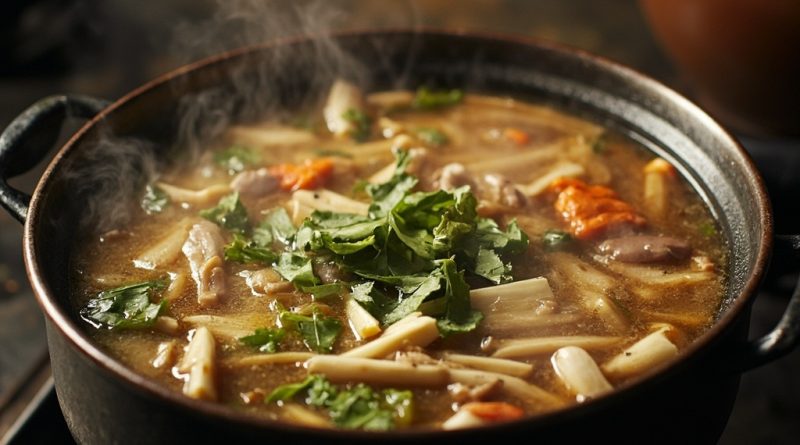
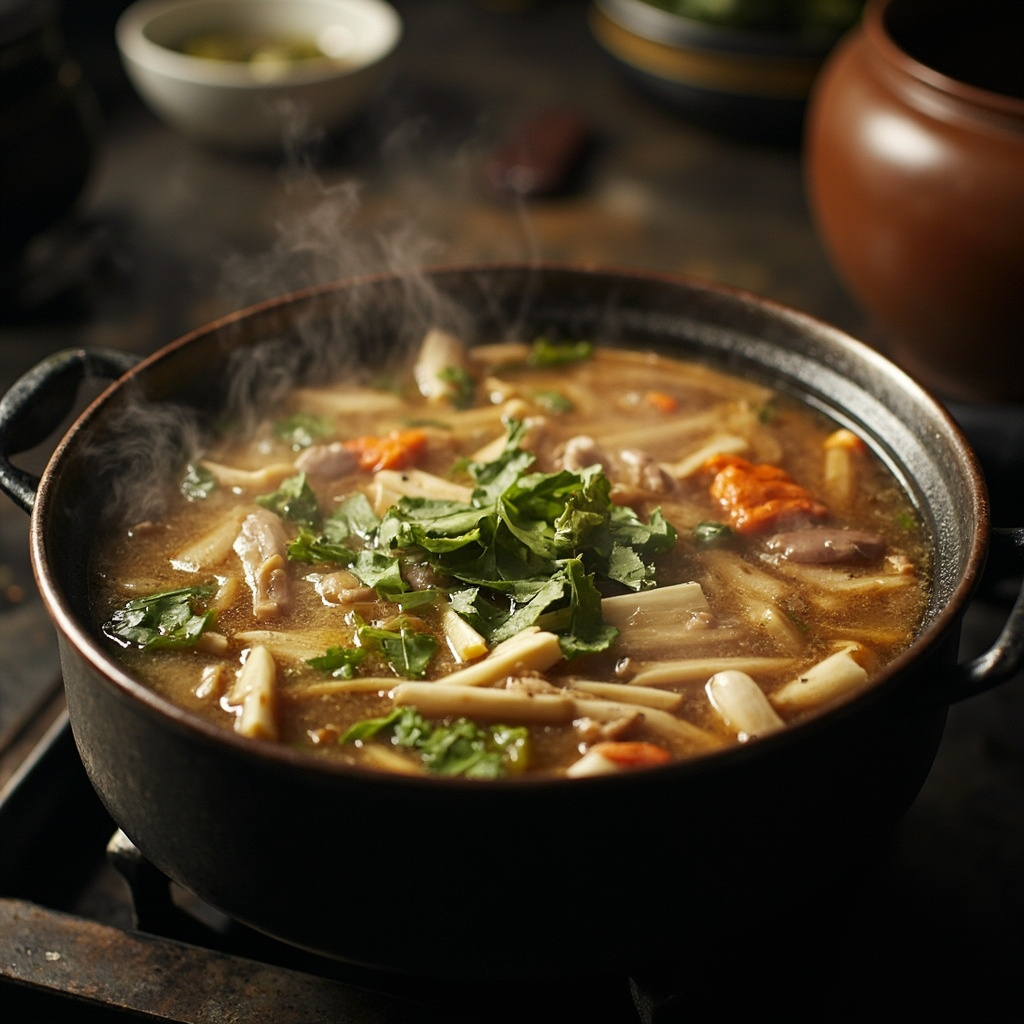
In many households, yes. And it is not as burdensome as it sounds. Once you have the ingredients in the pot, you let it simmer for hours while doing other things.
## Our Soup History: 5,000 Years of Soup
Our soup culture dates back to the Neolithic era.
Archaeological evidence from the Yangshao culture shows pottery vessels specifically designed for boiling water and cooking soup. These are some of the earliest cooking vessels ever found.
The Chinese character for soup appears in oracle bone inscriptions from the Shang Dynasty. This is not a new habit. This is civilization-old.
By the Han Dynasty, soup had become central to our cooking and medicine. Medical texts from that era prescribed 95 soup-based formulas out of 113 total prescriptions. When your medical system is built on soup, you take soup seriously.
## The Philosophy: Why Soup Matters
Our phrase 宁可食无肉,不可食无汤 — “better to eat without meat than without soup” — is not exaggeration. It is a statement of values.
Here is what soup represents in our food culture:
**Warmth:** In our medicine philosophy, the body needs warmth. Hot soup, consumed regularly, is believed to support digestion, circulation, and overall health.
**Balance:** A meal often features a range of flavors and textures. Soup provides a liquid element that ties everything together. It cleans the palate between courses and provides a soothing counterpoint to stronger flavors.
**Nourishment:** In our food-as-medicine tradition, soup is how you deliver nutrients. Medicinal herbs go into soup. Bone broth delivers collagen. Soup is where health and food meet.
**Effort:** Making good soup takes time. The time investment signals care. A pot of slowly simmered soup at a family table is an act of love.
## The Regional Differences
Not all our soup is the same. Regional climates and cultures have produced dramatically different soup traditions:
**Cantonese soup:** This is where our soup culture reaches its peak. In Guangdong, the phrase 宁可食无菜,不可食无汤 — “better to eat without vegetables than without soup” — reflects how seriously we take it. Our soup is often medicinal, built on the principle that food and medicine come from the same source. Different soups for different seasons, different constitutions, different ailments.
**Northern soup:** Famous for 汤泡饭 — soup over rice. This is practical: northern China is colder, and the rice-soup combination is warming and filling.
**Sichuan soup:** Known for its use of pepper and chili. Not just warming but actually heating, designed to make you sweat and release internal dampness.
## Soup Etiquette
Let me address the awkward moments:
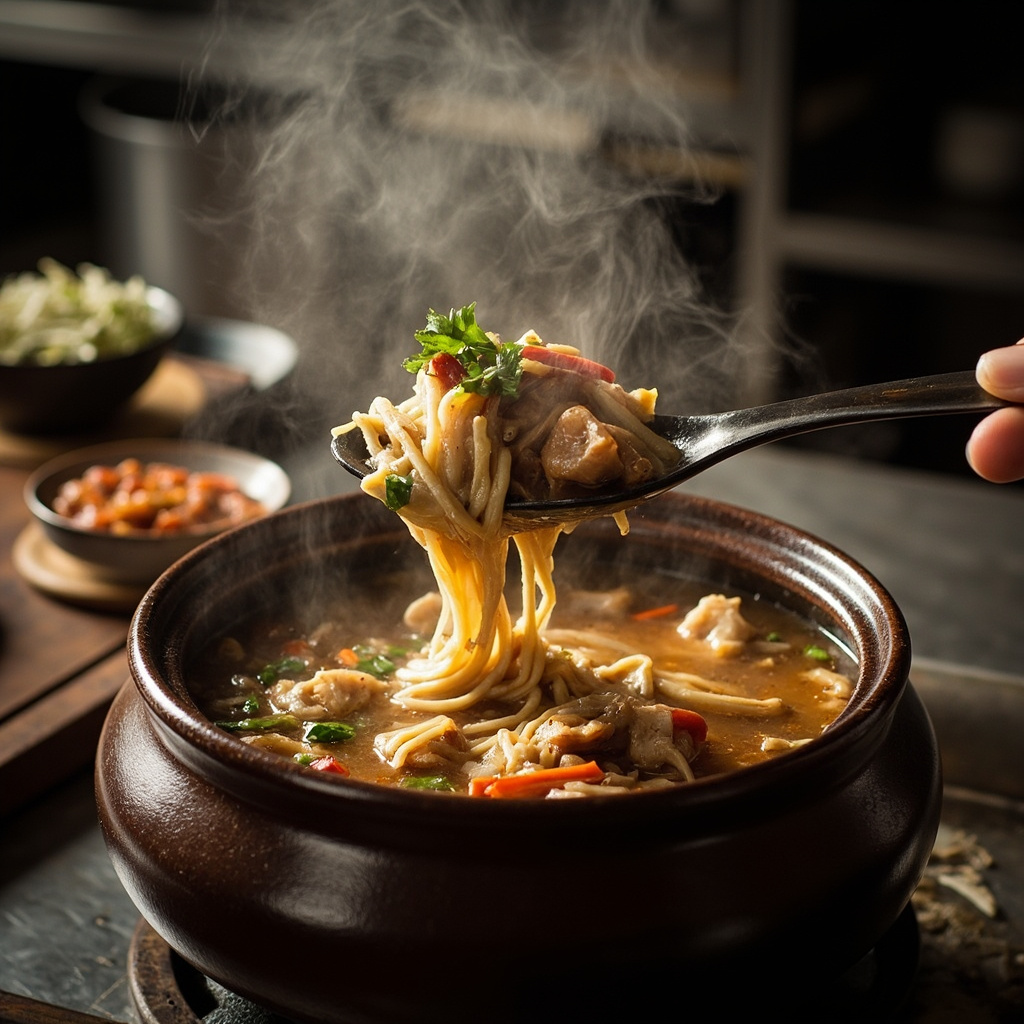
**The Slurping:** In Western dining, slurping is rude. With us, it often signals enjoyment. If you are eating noodle soup, a good slurp shows you are savoring it.
**The Bowl to Mouth:** It is acceptable — even common — to bring the soup bowl directly to your lips and drink. This is different from Western etiquette, where you must always use a spoon.
**The Timing:** The “soup at the end” thing confuses people. In many restaurants, soup arrives after the main dishes, almost like a dessert. The theory: clean the palate after the meal, aid digestion, signal completeness.
## Why You Should Start Drinking Soup
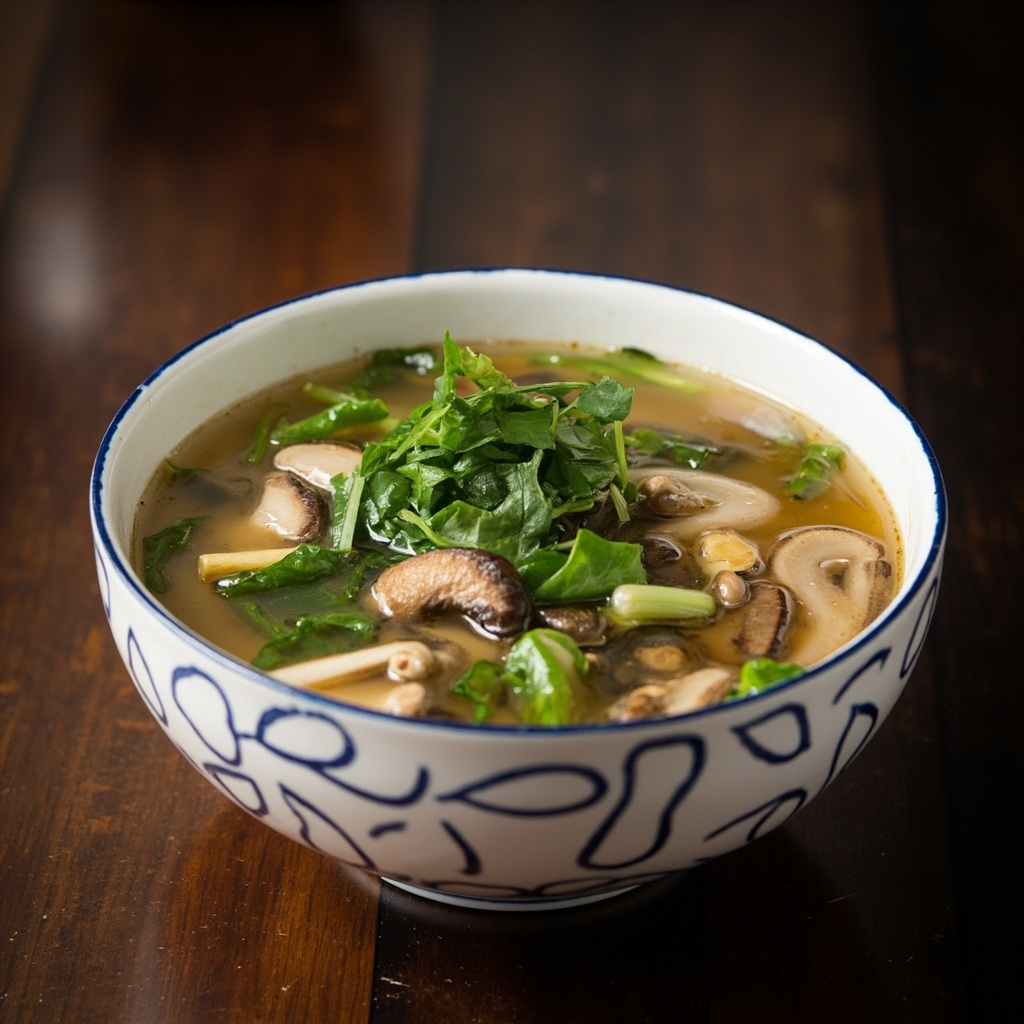
This is not a pitch for our medicine philosophy. This is practical observation:
Soup is hydration + nutrition in one delivery system. The hot liquid provides fluid, warmth, and whatever nutrients are in the pot. For people eating primarily dry foods, soup adds moisture that others typically get from drinks.
The next time you finish a meal and someone brings out soup, do not look confused. You have been preprogrammed by your own culture to see soup as a starter or a sick-day food. With us, it is a finish line. And the person who just served you soup has probably been simmering it since this morning.
Respect the soup.