Why Do Chinese People Eat So Many Green Leafy Vegetables?
Why Do Chinese People Eat So Many Green Leafy Vegetables?
Let me tell you something about our cooking that might not be obvious from the outside: we take vegetables seriously. Not just as a side dish. Not as decoration. As the actual point of the meal.
In many Western cuisines, the vegetable is the supporting actor. The steak is the star. The vegetables are what you eat because they are good for you, not because they are exciting.
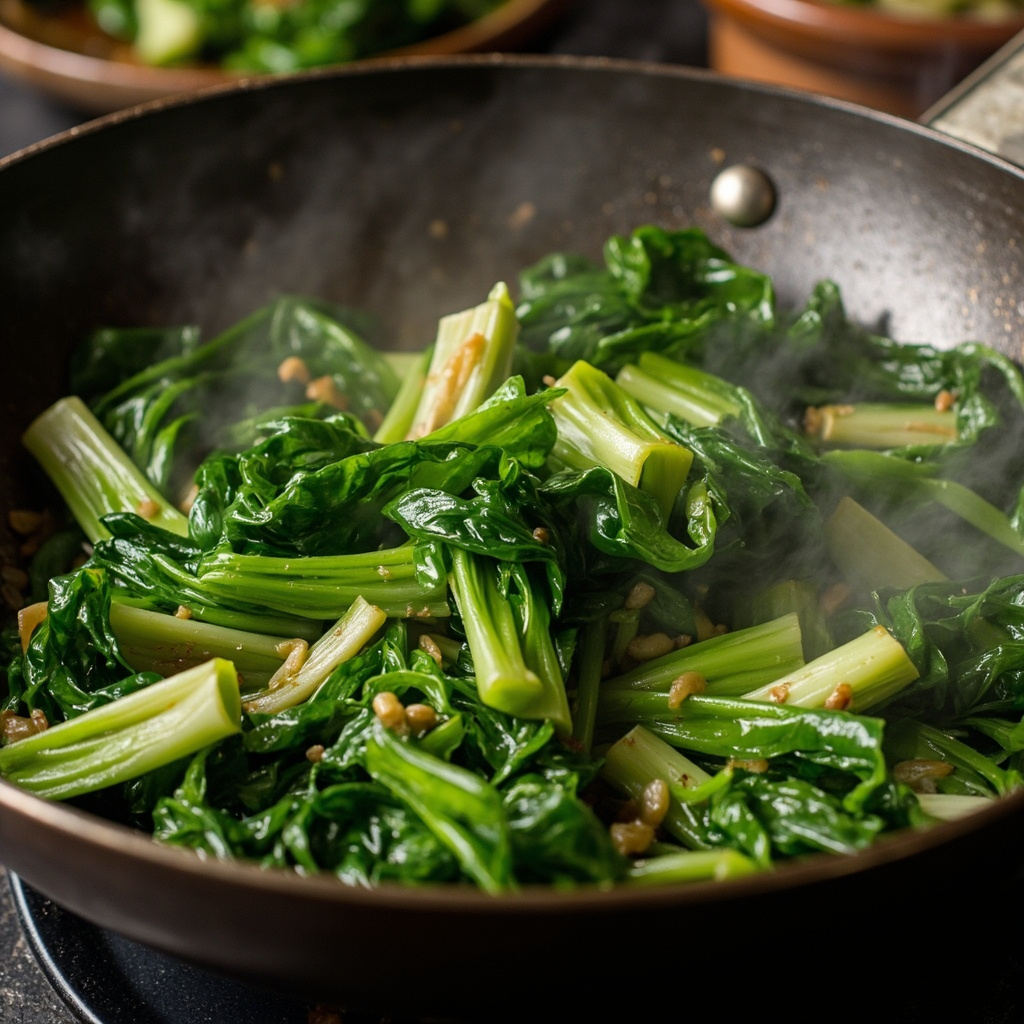
In our cuisine, vegetables can be the main event. A simple stir-fried bok choy with garlic might be the best thing on the table.
Here is how we got here.
## Our Vegetable History Is Older Than Most Civilizations
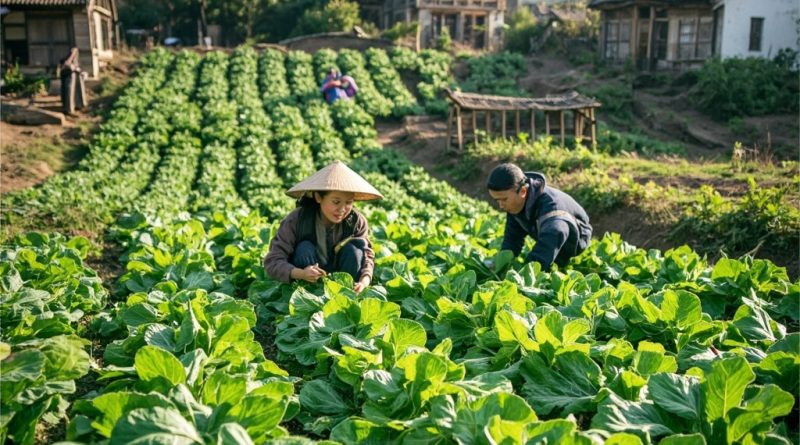
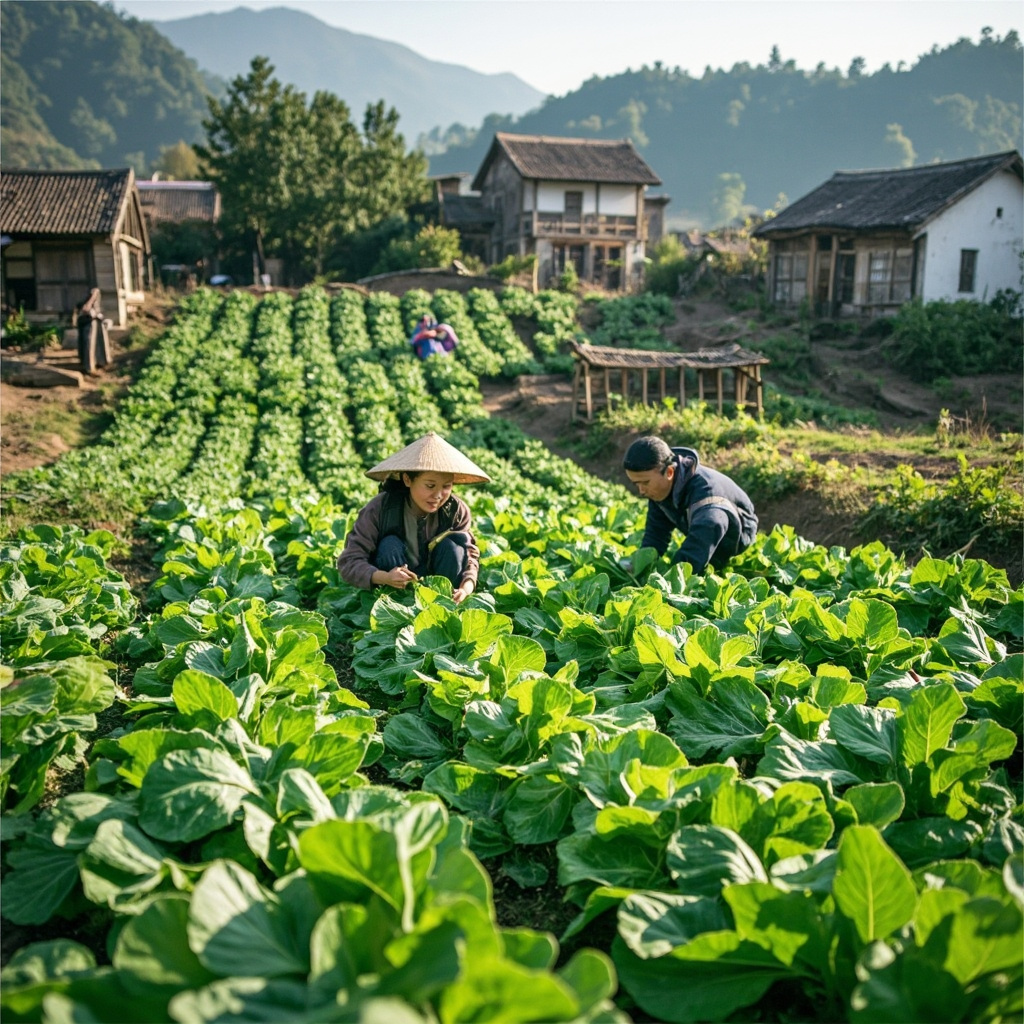
We have been cultivating vegetables for a very long time. Archaeological evidence from ancient sites shows that we were growing vegetables around 5000 BCE. That is not a typo. We started farming vegetables before many civilizations existed.
By the time the Book of Songs was written, we had vegetable gardens specifically for cultivation. This was around 700 BCE. The text mentions dozens of wild vegetables being eaten and cultivated.
We did not start growing vegetables because someone told us to. It was in our nature.
## The Numbers Are Staggering
Let me put our vegetable consumption in perspective:
In 2010, China produced 544 million tons of vegetables — over 50% of total global vegetable production. The United States, by comparison, produced 36 million tons. We produce more vegetables than the entire rest of the world combined.
But more important than production is consumption. We actually eat what we grow. In 2012, China consumed 574 million tons of vegetables domestically. Export was only 6.4 million tons. This means almost all of it stayed in China.
The average Chinese person eats significantly more green vegetables per day than the average Westerner. This is not a health trend. This is culture.
## Why We Prioritize Vegetables
Here is the thing about our cooking philosophy: we believe vegetables are inherently valuable, not just nutritious.
In Western cuisine history, meat was often the prestige food — what the wealthy ate. Vegetables were what the poor ate when they could not afford meat. Even today, there is a lingering hierarchy: a steakhouse is fancy, a vegetable market is common.
We do not share this hierarchy. Our conception of a good meal does not require meat. A meal of rice, vegetables, and soup is perfectly complete. Meat enhances the meal, but it is not the point.
This comes from several sources:
**Agricultural history:** For most of our history, most people were farmers. Farmers grew vegetables because they could — no need for pasture, no need for large animals. A small plot of land could produce enough vegetables for a family. The peasant diet was inherently vegetable-forward not by philosophy but by necessity.
**TCM thinking:** In our medicine tradition, vegetables are considered cooling. Meat is heating. A balanced diet requires both. But for daily eating, cooling foods are considered better for long-term health. This is why we eat vegetables even when we are not specifically trying to be healthy.
**Flavor philosophy:** We discovered that vegetables, cooked correctly, taste amazing on their own. A perfectly stir-fried bok choy has texture, sweetness, and a vegetable flavor that Western cooking rarely achieves. We do not need to hide vegetables under heavy sauces or cheese. The vegetable is the flavor.
## The Variety Is Insane
Here is something that surprises outsiders: we do not just eat lettuce and cabbage. We eat dozens of specific vegetable varieties that most people have never heard of.
By the Han Dynasty, our gardens typically grew 21 vegetable varieties. By the Qing Dynasty, that number had grown to 176 distinct types. We had centuries of vegetable breeding, selection, and cultivation that created varieties optimized for our climate, our soil, and our cooking methods.
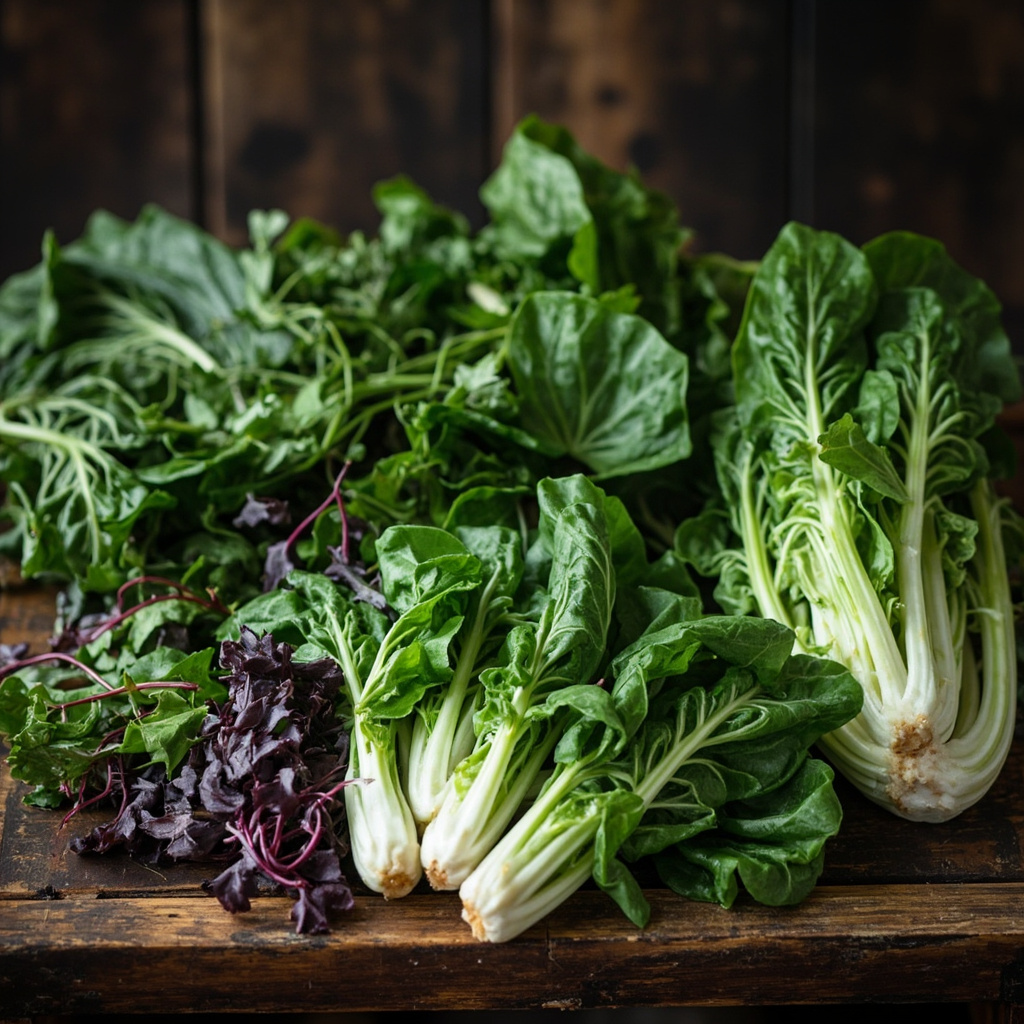
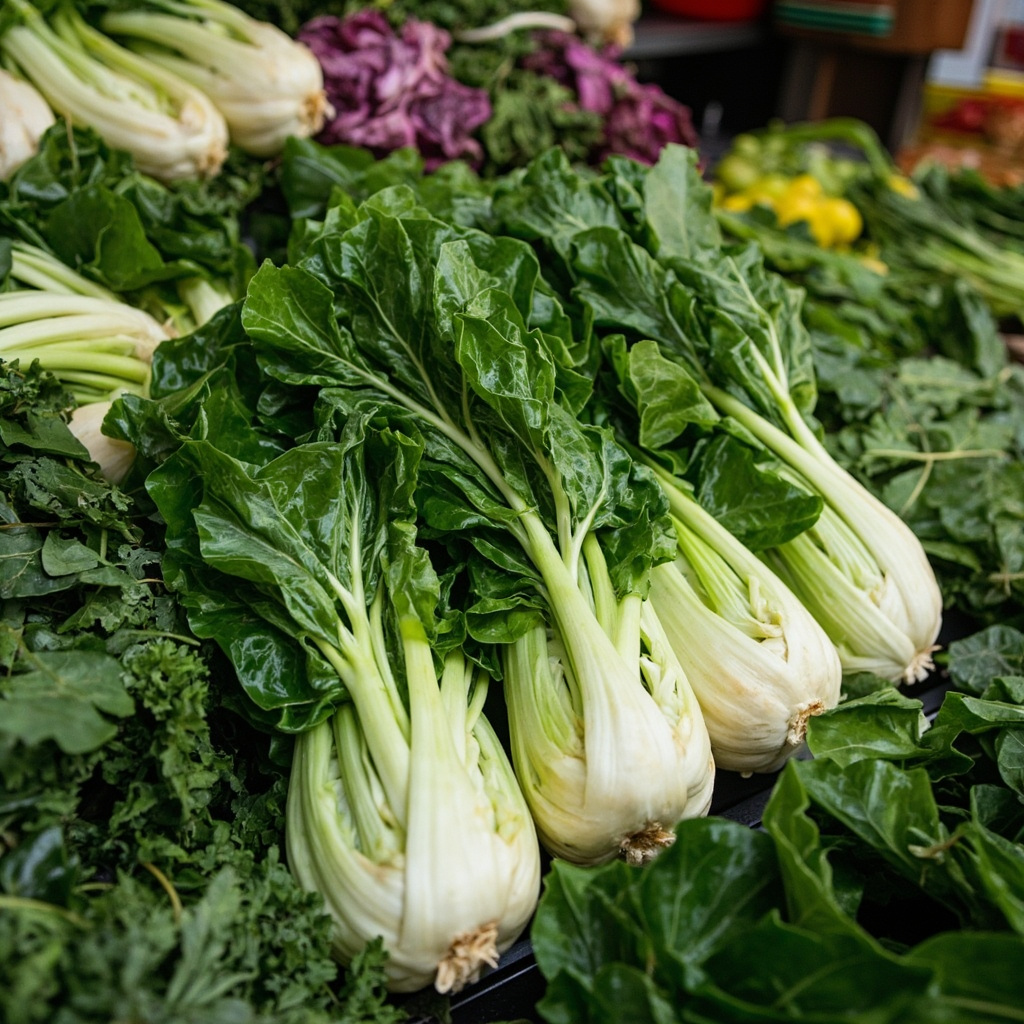
Consider bok choy. It has been cultivated in China for over 1,000 years. We developed multiple sub-varieties: Shanghai bok choy, baby bok choy, Brussels bok choy, and dozens of regional varieties. Each is slightly different in texture, sweetness, and best cooking method.
Or consider our greens: mustard greens, flowering cabbage, water spinach, potherb mustard. These are not exotic imports. They are everyday vegetables that have been on Chinese tables for generations.
Western supermarkets typically carry 3-5 types of green vegetables. A Chinese market might carry 15-20.
## How We Cook Vegetables Matters
Let me explain something about how we cook vegetables that Western cooking does not quite replicate: we cook them fast.
The typical method for green vegetables is: heat oil until smoking, add garlic for 30 seconds, add vegetables, toss for 2-3 minutes, serve. That is it.
The vegetables should still have texture — not raw, not mushy. There should be resistance when you bite, a slight snap. This requires high heat, quick cooking, and not too much water.
Western boiling of vegetables, by contrast, cooks them soft. The nutrients leach out into the water. The texture is gone. The flavor is muted.
We believe this fast-cooking method preserves both nutrients and flavor. Modern nutrition science agrees that quick cooking at high heat preserves more vitamins than prolonged boiling.
## Why Others Find This Strange
I have talked to people who grew up on mushy boiled vegetables. When they encounter our stir-fried greens with their slight crunch and bright color, they sometimes react with surprise. “This is what vegetables taste like?” is a real comment I have heard.
The difference is cooking method, not vegetable quality.
Also worth noting: we eat vegetables at every meal. Breakfast might include stir-fried greens with congee. Lunch and dinner definitely include vegetables. The concept of a meal without vegetables is unusual in our culture.
## What This Means
Our vegetable culture is not a diet or a health trend. It is thousands of years of agricultural development, cooking technique refinement, and food philosophy.
When you eat a Chinese meal with plenty of vegetables, you are participating in a food tradition that predates most of recorded history.
And honestly? Once you get used to properly cooked vegetables — the kind with texture and flavor — going back to mushy boiled vegetables is difficult. We did not invent vegetables. But we might have perfected how to cook them.