Why Do Chinese People Give Red Envelopes?
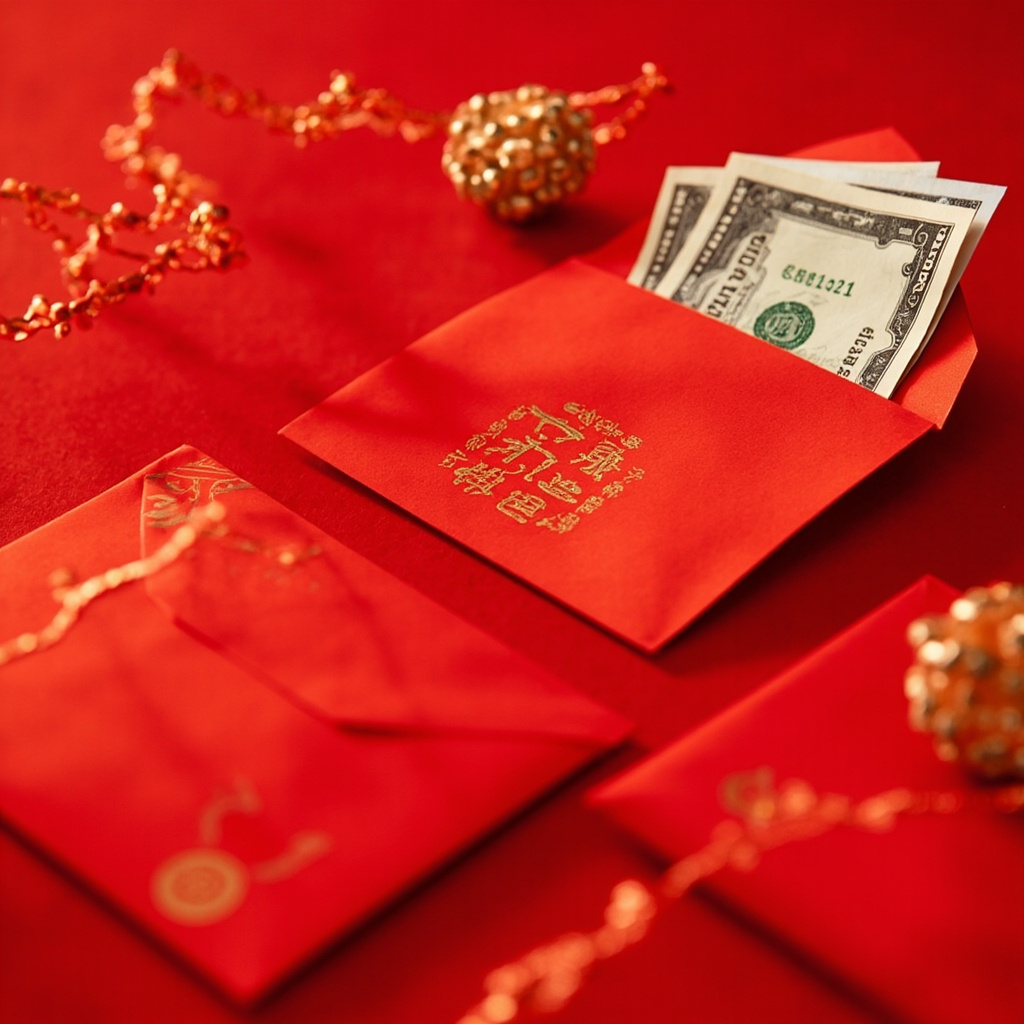
If you have ever celebrated Chinese New Year with Chinese friends – or watched them on social media – you have probably seen the red envelopes. Hongbao. They show up everywhere during the Lunar New Year season: grandma handing one to a kid, coworkers exchanging them, people posting videos of themselves opening dozens of digital ones on WeChat.
But where did this tradition come from? And why does money inside a red envelope matter so much in Chinese culture?
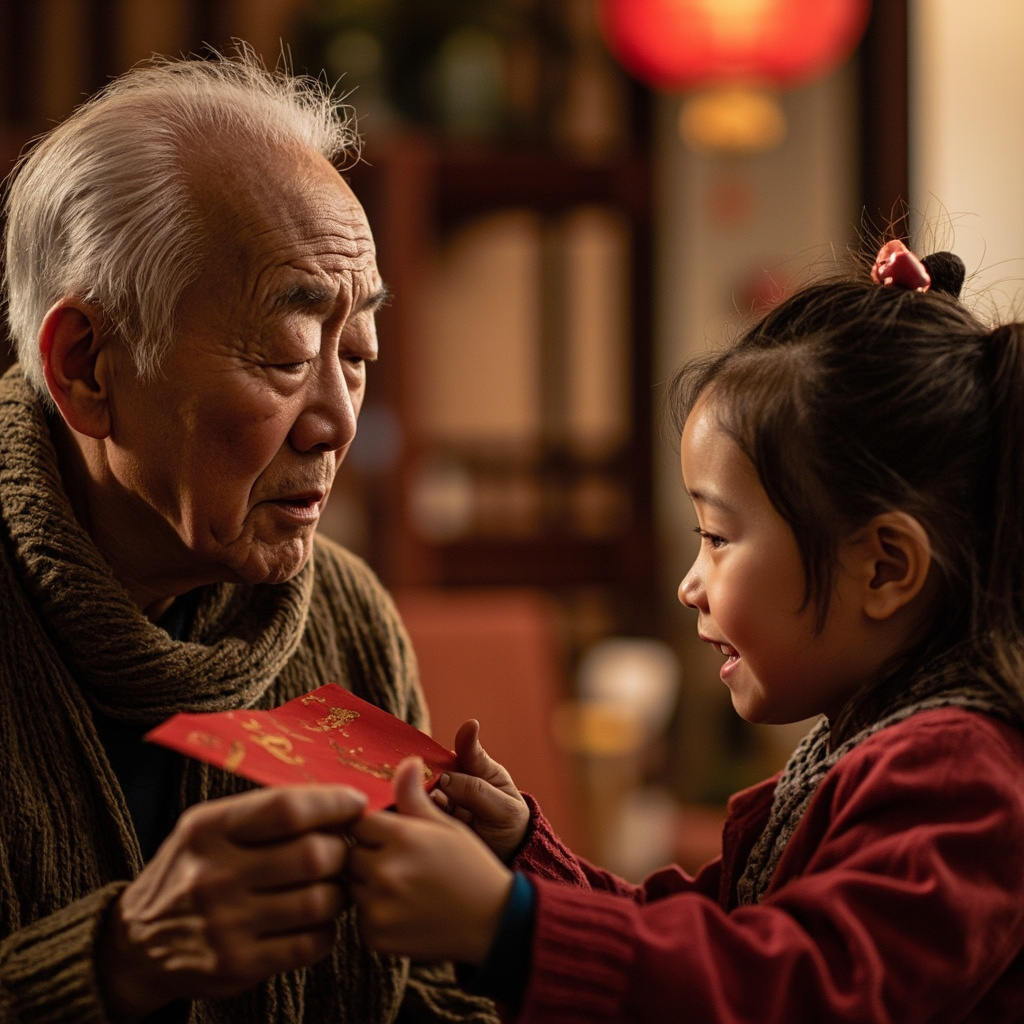
It Started with a Monster Story
The original name for these envelopes was not hongbao – it was ya shui qian, literally money to press down the evil. The story goes like this:
Long ago in ancient China, there was a monster called Sui (祟). This particular monster had a weird hobby – it liked to scare children. Specifically, it would appear on New Years Eve and touch childrens foreheads while they slept, which would make them fall ill or even die. Not exactly the relaxing holiday experience anyone was hoping for.
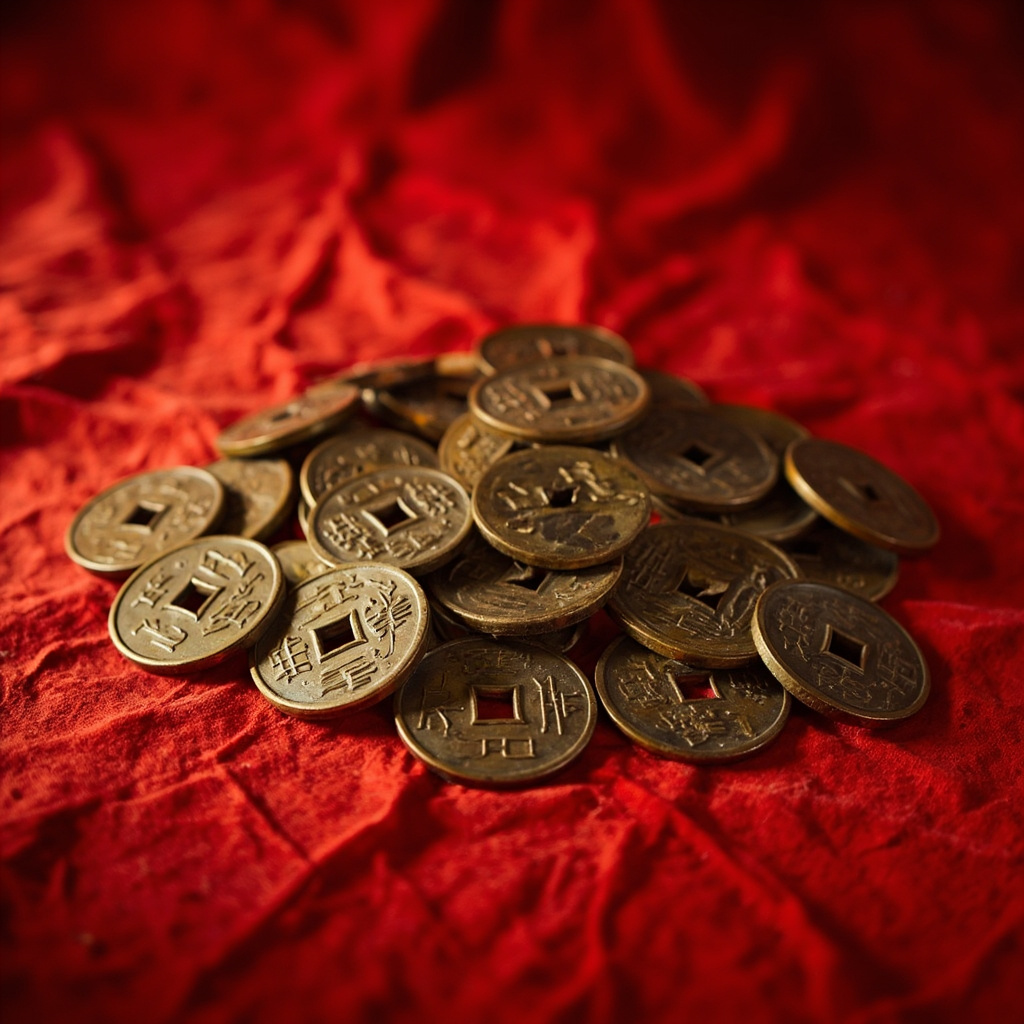
One night, parents discovered that their child seemed immune to the monster. Why? The kid had been playing with some coins that glowed – eight coins strung together on red thread. The coins acted like a protective charm. The parents stayed up all night guarding their child, and when morning came without incident, they tied the coins back on the childs wrist and never took them off.
Word spread. Soon, other parents were giving their children money on New Years Eve – originally called ya shui qian, money to ward off evil. Over time, the name shifted to ya sui qian (压岁钱), which sounds almost identical but uses a different character. By the Ming and Qing dynasties, the custom was nationwide.
Why Red Anyway?
In Chinese culture, red is not just a color. It represents everything good: happiness, fortune, vitality, and success. The color of fire and warmth, it wards off bad luck and attracts good fortune. So wrapping money in red made sense – you were essentially creating a little packet of concentrated good luck to give to someone.
The红纸 (red paper) itself became symbolic. No wonder it shows up at every important life event: birthdays, weddings, the Lunar New Year. If something good is happening, red is probably there.
How It Changed Over Time
The original ya sui qian looked different from what you see today. Those ancient coins on red thread eventually gave way to:
- Strings of copper coins in the Ming and Qing dynasties
- Paper money wrapped in red paper during the Republic era
- Modern red envelopes with printed designs and pre-packaged money
The shapes changed too. Those old Chinese coins were often threaded in groups of 100 or 10,000 – representing longevity and wealth respectively. The paper envelopes we use today are more practical, but the symbolism remains.
Then WeChat Happened
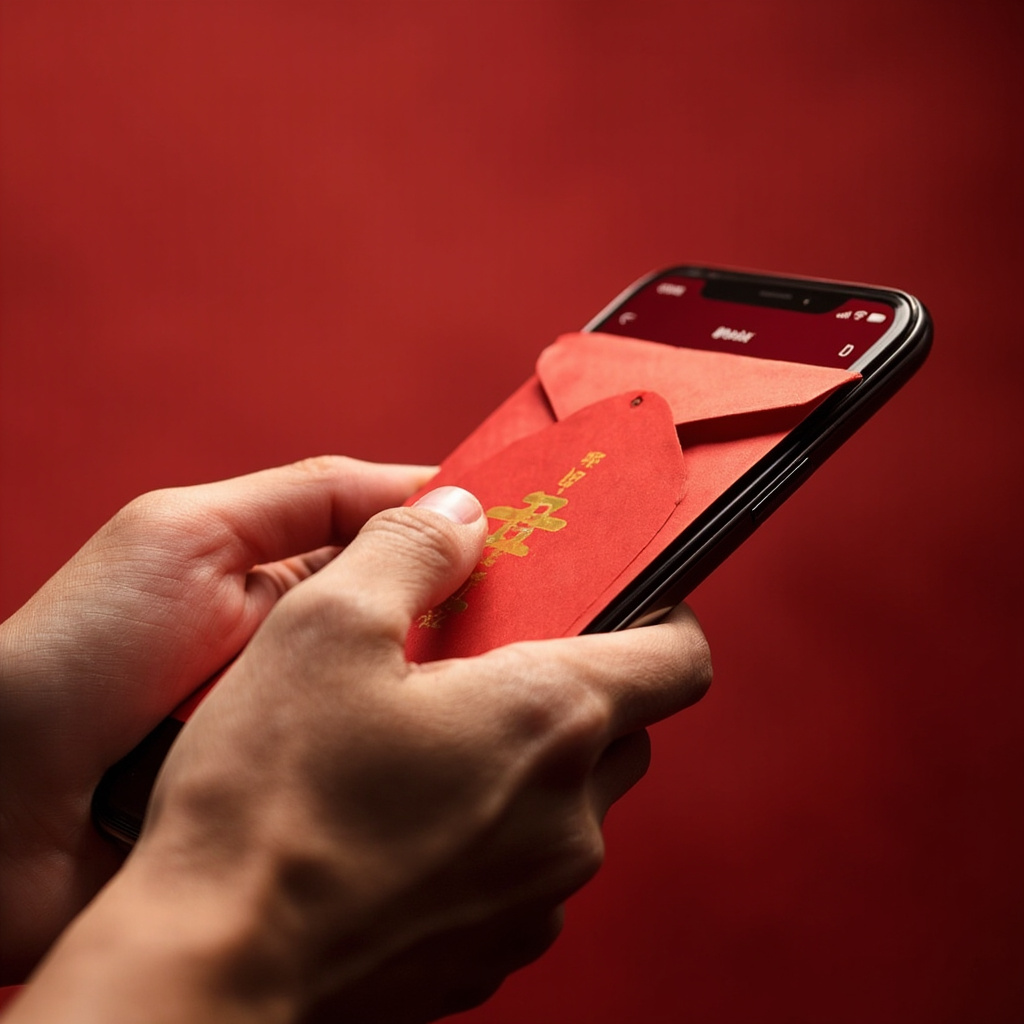
Here is where things get interesting. In 2014, WeChat launched their digital hongbao feature. The idea was simple: let people send red envelopes through their phones instead of physically handing them over.
It caught on faster than anyone expected. Within a few years, the numbers were staggering – billions of digital red envelopes exchanged during Chinese New Year. Some of it was pure practicality: people living far from family could still participate in the tradition. Some of it was social dynamics: group chat red envelopes became a whole thing, with people competing to grab the biggest share or watching money randomly distributed among dozens of recipients.
There is something funny about watching elderly relatives who barely know how to use smartphones suddenly become experts at sending digital hongbao. The tradition evolved, but the underlying meaning did not.
The Numbers Game
Here is something that surprises foreigners: the amount of money in a red envelope actually matters. Certain numbers are considered luckier than others:
- 8 (八, sounds like 发, meaning prosper) – extremely lucky, especially for business
- 6 (六, sounds like 顺, meaning smooth) – good for general wishes
- 9 (久, meaning long-lasting) – associated with longevity and marriage
Then there is what to avoid. The number 4 (四, sounds like 死, death) is considered unlucky. Giving someone 40 yuan would be, well, not great. And odd numbers are sometimes associated with funerals, so even numbers generally work better.
In Guangdong, where people tend to be more pragmatic about these things, the tradition is different. They call red envelopes li xi (利是) instead of hongbao, and the amounts are typically small – even just a few yuan. The gesture matters more than the sum.
Who Gives to Whom
One thing that confuses people: the direction of red envelope giving follows social rules. Typically:
- Elders give to younger people
- Married people give to unmarried people
- Employers might give to employees
- Sometimes people in positions of power give to subordinates as a gesture of goodwill
What is considered appropriate has changed over time too. There was a period when giving very large amounts became competitive and stressful – people felt obligated to give bigger envelopes if they received expensive ones first. Some people found the whole thing materialistic and started倡议 simplifying the tradition.
The Point of It All
So why does this still matter so much in modern China?
Honestly, the money is almost secondary. A red envelope is really about:
- Expressing care and good wishes
- Participating in a tradition that connects you to thousands of years of history
- Reinforcing family bonds and social relationships
- Passing something meaningful to the next generation
Whether it is a digital hongbao sent across the world or a physical envelope passed across a dinner table, the idea is the same: here is a little bit of luck and my warmest wishes for you.
That is not a bad meaning for a red piece of paper.
