Why Do Chinese People Love Baozi?
Why Do Chinese People Love Baozi?
Let me tell you about the thing that has been on our breakfast table for almost two thousand years: baozi.
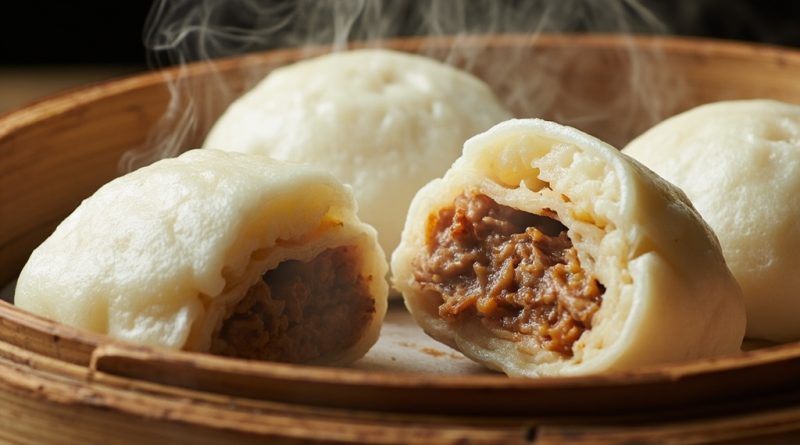
Every morning in China, millions of us reach for the same comfort food. A soft, fluffy bun, warm in our hands, steam escaping when we tear it open. Inside, whatever filling our parents chose. Outside, a texture that makes everything better.
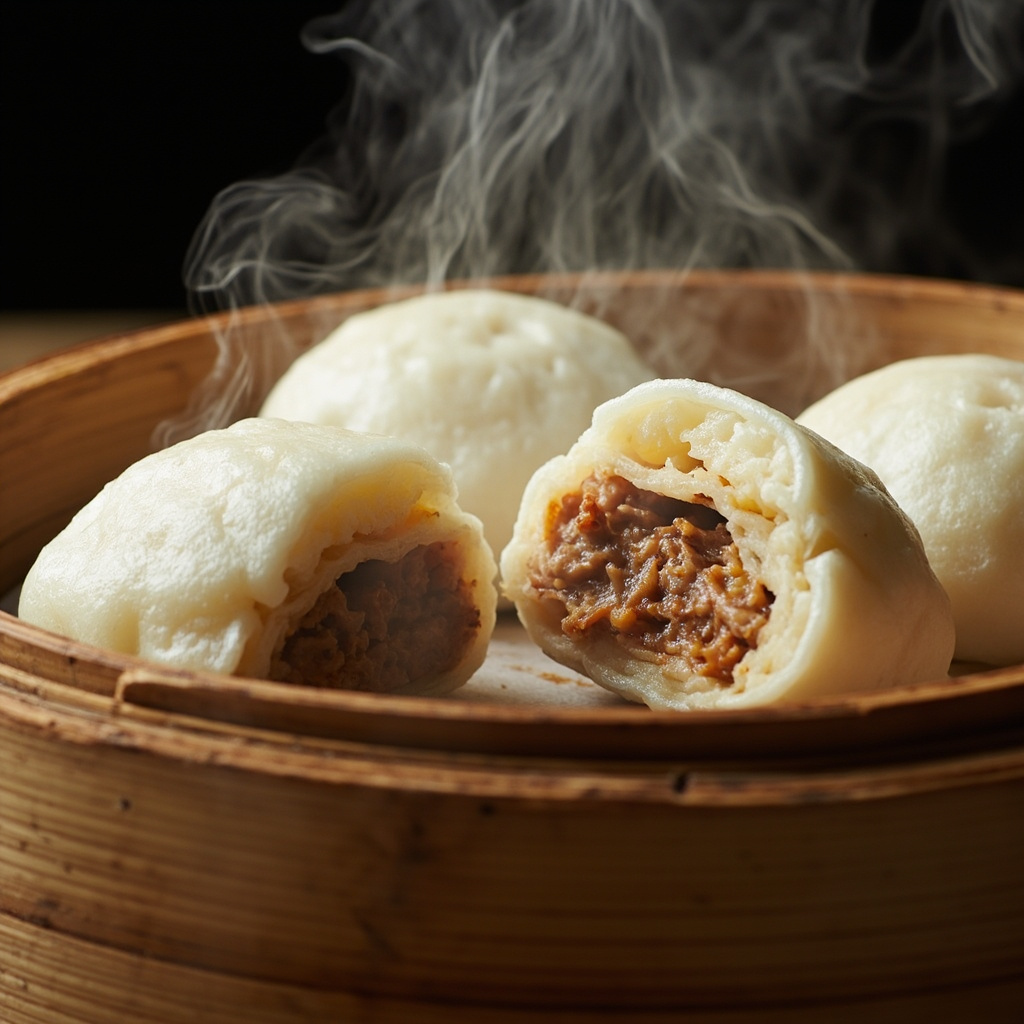
This is how we start the day. This is baozi.
## The Origin Story
Our love for baozi starts with Zhuge Liang, the famous strategist from the Three Kingdoms period.
During his southern campaigns in the 3rd century CE, Zhuge Liang led his army through territory that the locals believed was haunted. The soldiers were afraid to eat the food there.
Zhuge Liang had an idea. He took flour, made a dough, wrapped it around the local meat, and shaped it to look like a human head. He called it “蛮头” — “barbarian head.” The soldiers ate. The army moved forward. Victory followed.
This is how our story goes. Whether it is completely true does not matter. What matters is that we have been eating baozi ever since.
By the Song Dynasty, the name had changed from “蛮头” to “包子.” The filling had evolved. The technique had refined. But the core idea remained: flour wrapped around something delicious.
## Why It Is a Breakfast Food
Here is what foreigners find strange: we eat baozi for breakfast. Not lunch or dinner. Breakfast.
The answer is in the practicality.
Making baozi takes time. The dough needs to rise. The filling needs to be prepared. The steaming takes thirty minutes. This is not a quick process.
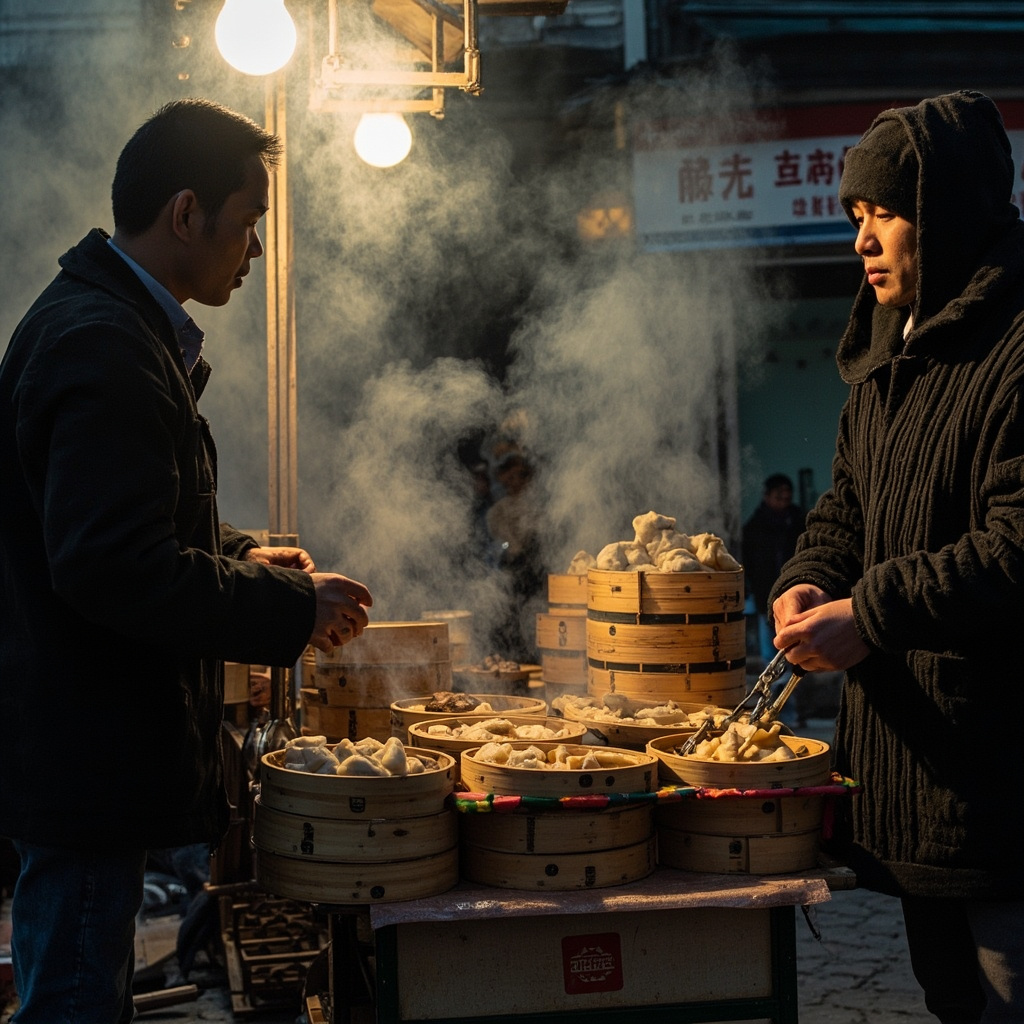
But here is the secret: you can make it the night before. You can steam it fresh in the morning. Or you can buy it from the vendor on the corner who has been steaming it since 5 AM.
In my family, Sunday mornings meant baozi. My grandmother would wake up early, start the steam, and by the time we stumbled into the kitchen, the whole house smelled like bread and pork.
This is normal in China. The breakfast baozi vendor is as common as the coffee shop in other countries. You walk to the corner. You pick your bun. You eat on the way to work.
## The Regional Map
We do not all eat baozi the same way.
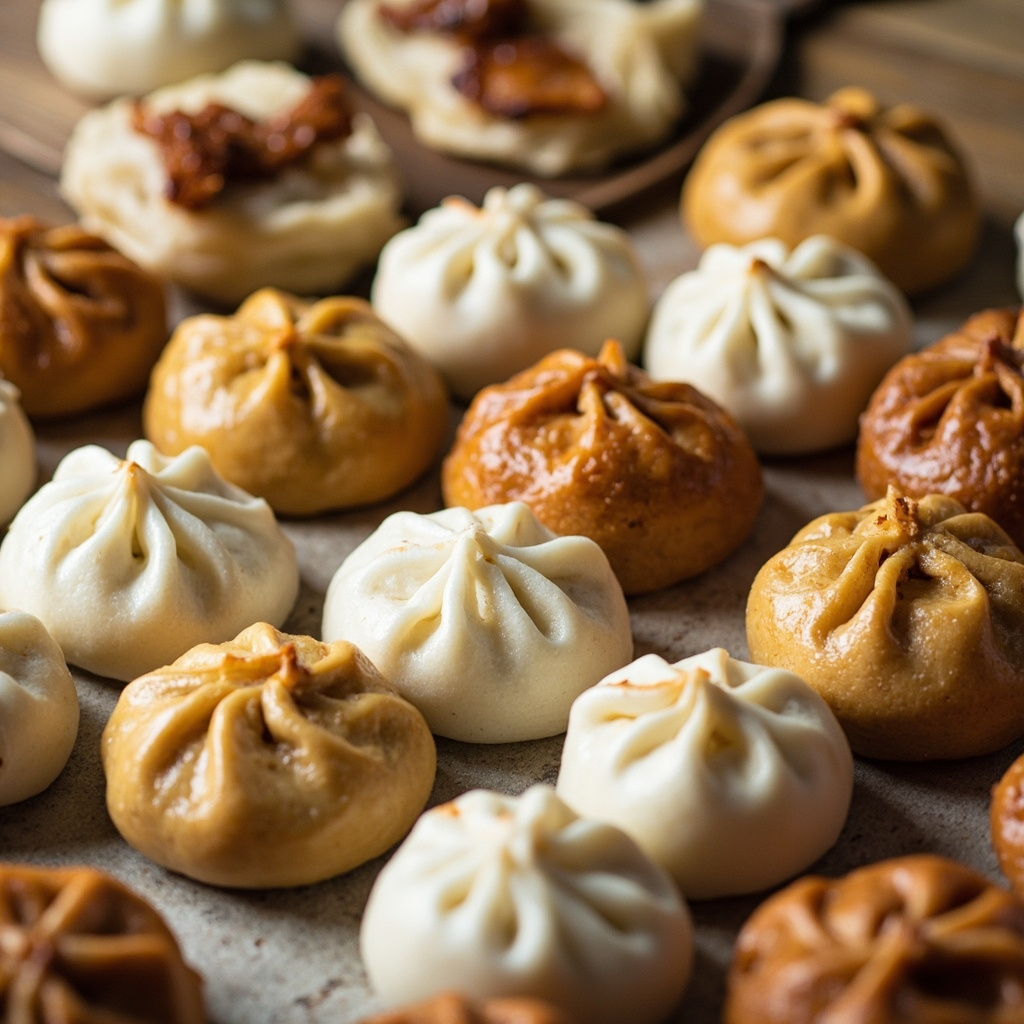
In the north, baozi is hearty. The bun is thick. The filling is generous. Pork and cabbage, pork and onion, pork and everything. Northern baozi is a meal, not a snack.
In Shanghai, they have xiaolongbao. This is a different thing, technically. Smaller, thinner-skinned, filled with soup that explodes when you bite it. But we claim it anyway.
In Guangzhou, they have har gow. Crystal shrimp dumplings. Again, technically different. But in our hearts, it is all baozi family.
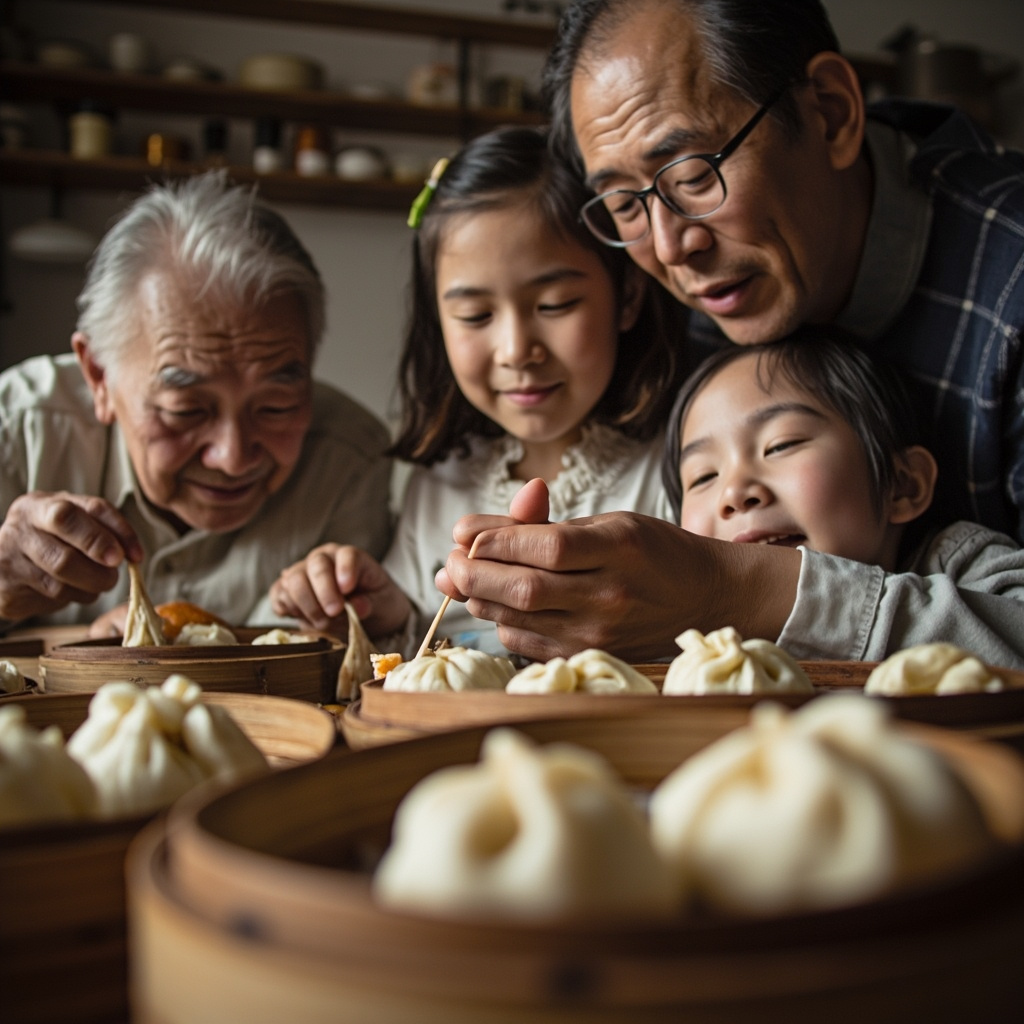
In Xinjiang, they have their own version with lamb and cumin. In Sichuan, the baozi are spicy. In Henan, they stuff everything imaginable.
Each region claims their version is the correct one. Each family believes their recipe is the best. This is how we are.
## Why We Keep Eating It
So why do we love baozi?
Because it is the original fast food. You can eat it with one hand while walking. You do not need utensils. You do not need a table. You do not need time.
Because it is affordable. A baozi costs less than a dollar. A meal that fills you up and tastes good for that price is a miracle.
Because it is consistent. The steamed bun is always soft. The filling is always hot. The steam always smells like home.
Because after two thousand years, we have figured out that some foods do not need to be complicated to be perfect.
The next time someone asks you why we eat steamed buns for breakfast instead of cereal or toast, tell them: because sometimes the oldest foods are the most satisfying. Because warmth and softness in the morning matters. Because baozi has been feeding us since before your country existed.
