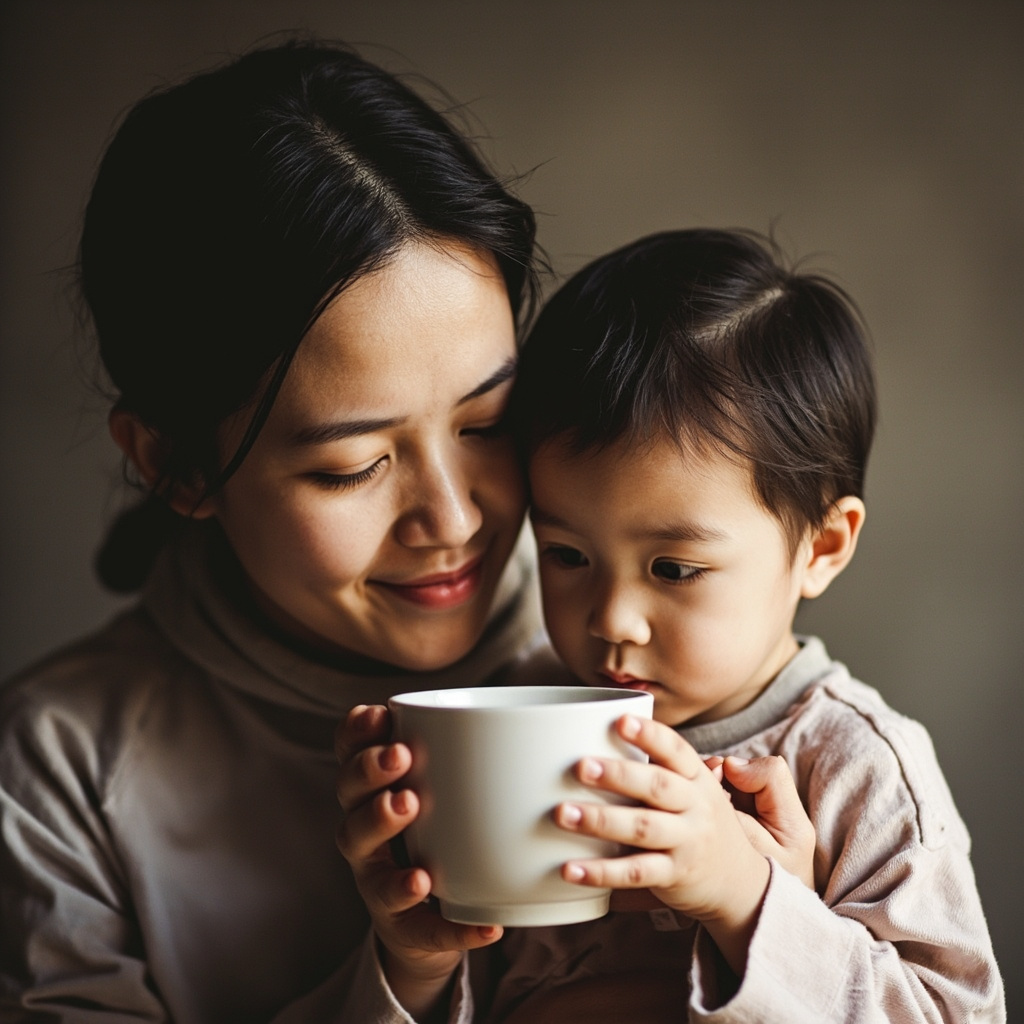
If you have spent any time talking to Chinese people, you have probably heard the phrase drink more hot water. It is the go-to advice for everything from colds to stomach aches to general wellness. But why is hot water so deeply embedded in Chinese daily life? The answer involves thousands of years of tradition, a pivotal national campaign in 1952, and ancient health philosophy.
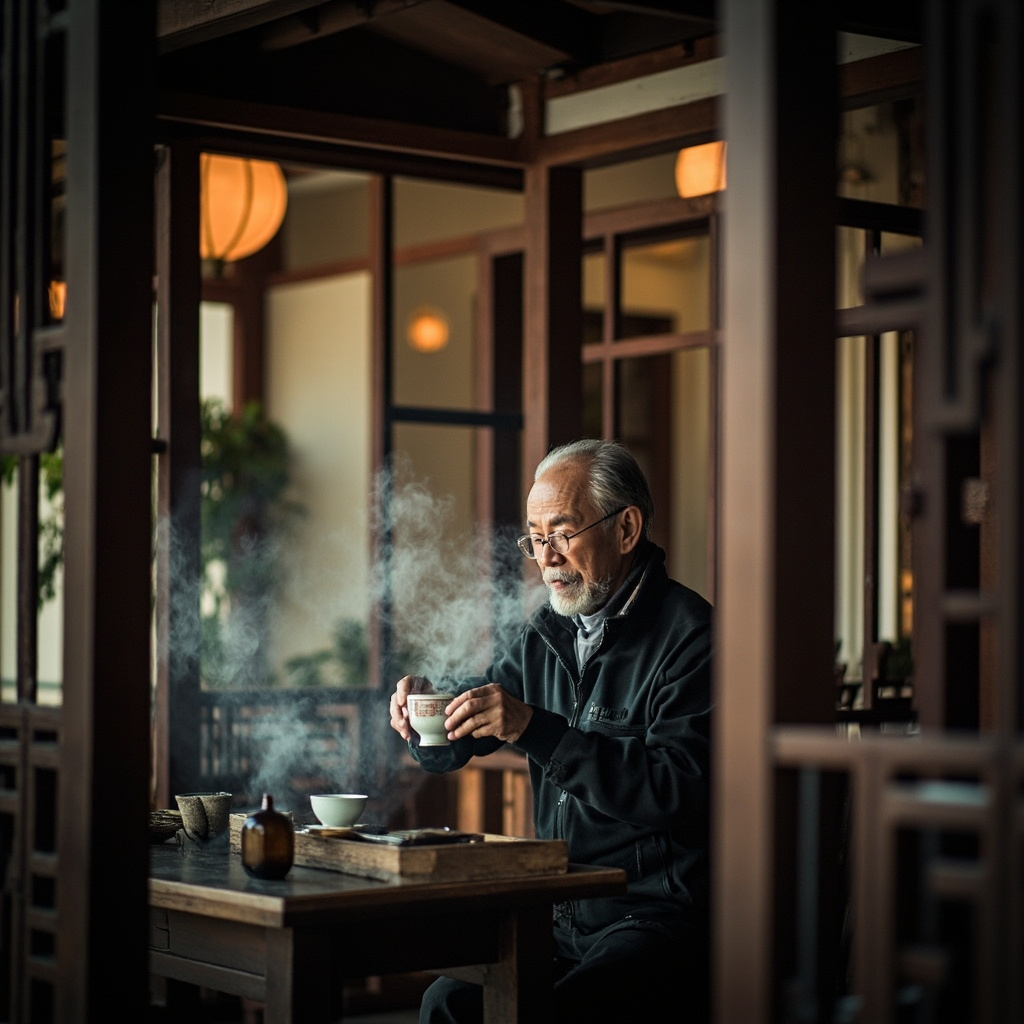
A Tradition That Dates Back Millennia
The habit of drinking hot water in China stretches back thousands of years. Archaeological evidence suggests that the Chinese were boiling water as early as the Neolithic period. Ancient texts from the Shang Dynasty mention the practice of drinking boiled water as a health measure.
By the Tang Dynasty (618-907 CE) and Song Dynasty (960-1279 CE), tea houses serving hot beverages had become central to Chinese social life. The Chinese discovered that boiling water not only made water safer to drink by killing bacteria and parasites, but also aligned with their understanding of health and balance in the body.
The 1952 Turning Point: A National Health Campaign
However, the habit of drinking hot water did not become truly universal until 1952. During the Korean War, China faced what it believed to be biological warfare threats from the United States. In response, the Chinese government launched the Patriotic Health Campaign (爱国卫生运动).
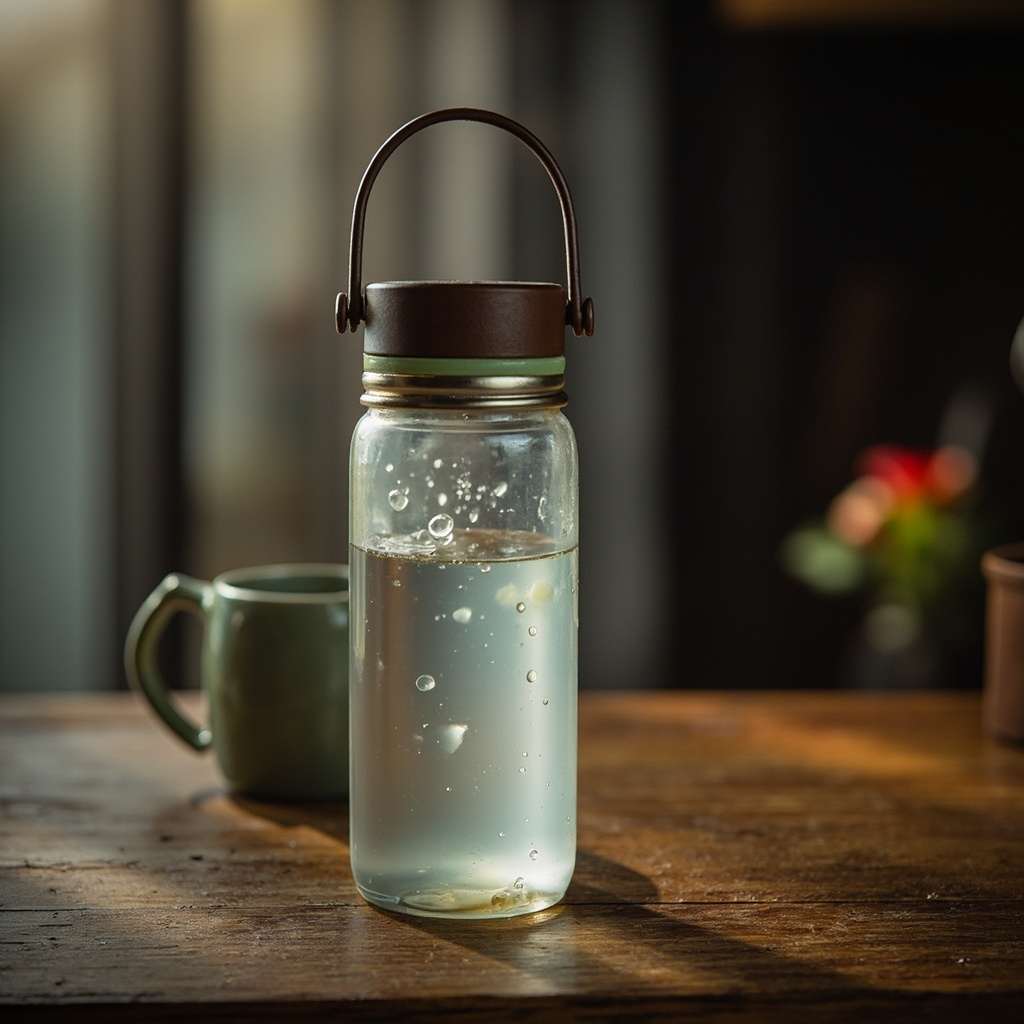
This campaign encouraged – and in many cases required – citizens to boil all drinking water. Schools, factories, and communities were organized to provide boiled water to everyone. thermos bottles became standard household items across the nation.
After the campaign ended, the habit remained. By the 1970s, drinking hot water had become deeply ingrained in Chinese daily life – not just during the health campaign, but as a permanent cultural practice.
The Traditional Chinese Medicine Connection
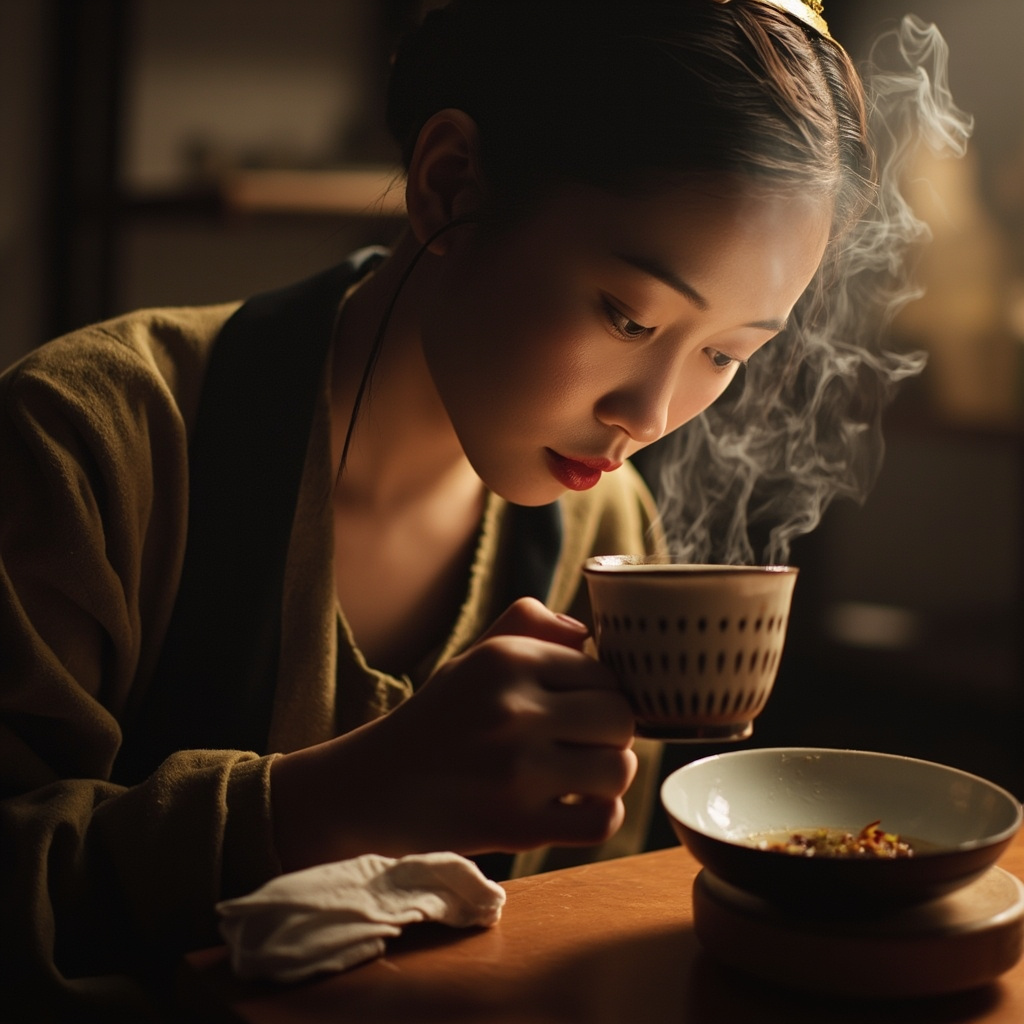
Traditional Chinese Medicine (TCM) provides another layer of understanding. According to TCM philosophy, the human body functions best when it maintains a certain balance. Cold drinks and food are believed to shock the digestive system, particularly the spleen, which TCM practitioners consider the foundation of overall health.
TCM teaches that warm water:
- Aids digestion by supporting spleen function
- Promotes circulation throughout the body
- Helps the body eliminate toxins through sweating and urination
- Warms the meridians and maintains energy flow
These beliefs have been passed down through generations, making hot water the default recommendation for nearly every health concern.
A Contrast with Western History
Interestingly, the West took a different path to water safety. While China developed the habit of drinking hot water, Europe and America focused on improving water infrastructure and disinfection technology. By the 19th century, Western countries had largely solved waterborne diseases through clean water systems rather than through the habit of drinking hot water.
This historical difference explains why cold drinks became the norm in Western culture while hot drinks remained central to Chinese daily life.
The Modern Reality
Today, China has excellent drinking water infrastructure. Tap water in most cities is generally safe after boiling. But the habit of drinking hot water remains deeply embedded. Every household has a kettle or thermos. Restaurants serve hot tea with meals. The phrase drink more hot water continues to be offered as genuine concern for someones wellbeing.
The Bottom Line
When someone in China tells you to drink hot water, they are not just being polite. They are passing on thousands of years of tradition, shaped by public health needs, ancient wisdom, and a cultural belief in the healing power of warmth. It is one of the most visible threads connecting modern Chinese life to centuries of health philosophy and national history.