Why Do Chinese People Love Food So Much?
Why Do Chinese People Love Food So Much?
Let me tell you something about us: we do not just eat to live. We live to eat.
This is not metaphor. This is who we are.
We think about food differently than most cultures. Food is not just fuel. It is history, it is family, it is love, it is identity. When we ask someone “have you eaten?” we are really asking “are you okay?”
Here is how we got here.
## The Philosophy That Started It All
We have a phrase that captures our relationship with food: “民以食为天” — food is heaven for the people.
This is not a casual expression. It comes from ancient texts, from thinkers who understood that a society without reliable food is a society on the edge of collapse. Food security was literally survival. When we say food is heaven, we mean it.
Our ancestors watched dynasties fall because of famine. They watched people revolt when there was not enough to eat. They understood, at a visceral level, that food is the foundation of everything.
This is why we take food so seriously. It is not cultural quirk. It is survival instinct encoded into culture over thousands of years.
## We Show Love Through Food
Here is something that surprises visitors who spend time with our families: we do not always say “I love you” out loud. But we show it constantly through food.
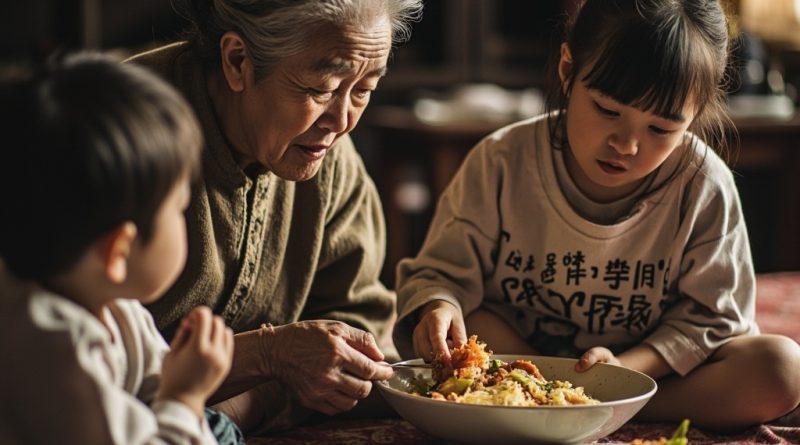
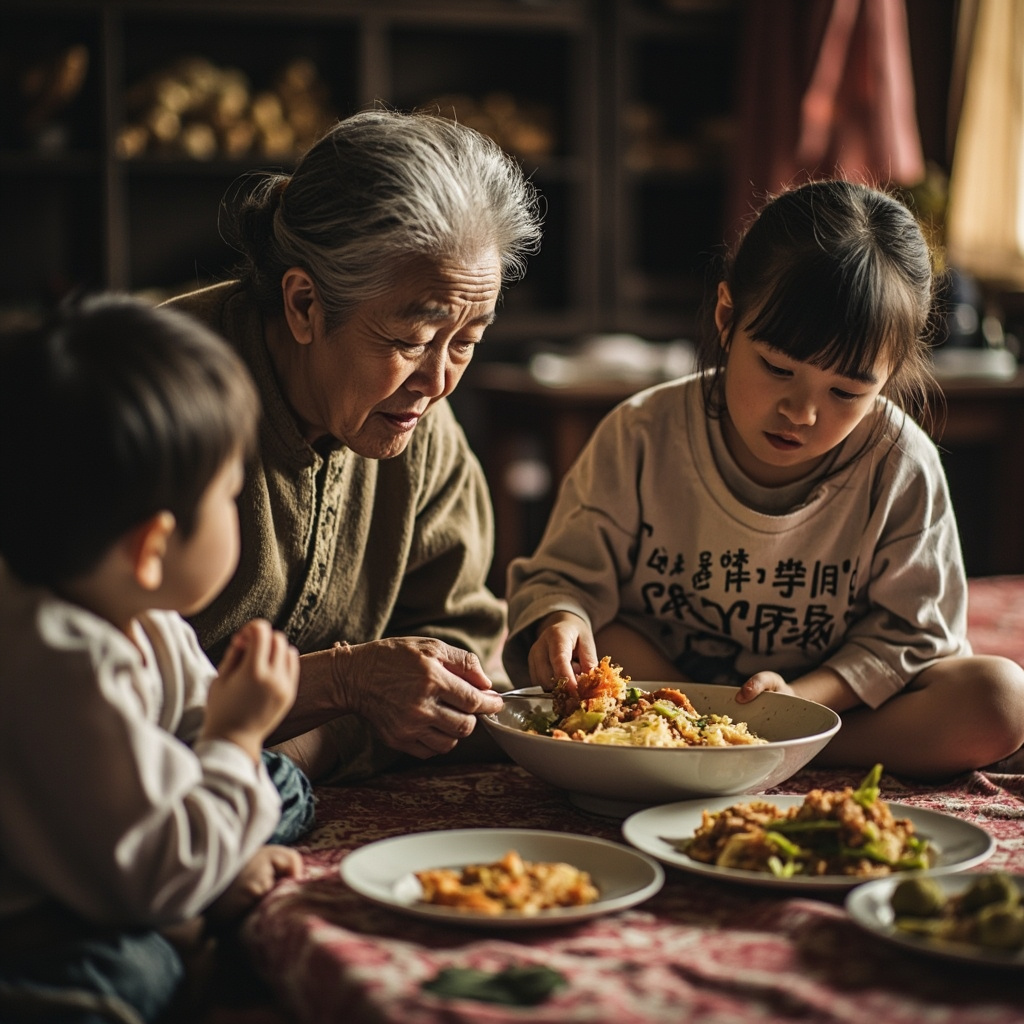
Our mothers will pile food onto your plate until you are begging them to stop. Our grandmothers will refuse to let you leave hungry. If you are visiting our home and we let you leave hungry, we have failed as hosts.
The phrase “吃什么” — what should we eat — is the most common question in our households. Not “how are you?” Not “what did you do today?” “吃什么?” Because feeding you is how we express care.
## Our Food History Is Unmatched
We have been thinking about food, writing about food, and perfecting food for longer than most civilizations have existed.
We developed the concepts of the eight major cuisines. We created the philosophy of yin and yang applied to food. We wrote entire texts about what to eat and when. We mapped the connection between food and health.
While other cultures were developing their food traditions, we were codifying ours into a system. The result is that food for us is not just eating. It is a discipline, an art, a science.
We did not just cook. We theorized about cooking. We developed the five flavors as a framework for understanding taste. We created the concept of the balance of hot and cold foods for health. We built an entire food philosophy that goes back thousands of years.
## Food Is Social Currency
In many cultures, business is done over dinner. With us, business is done over many dinners. Plural.
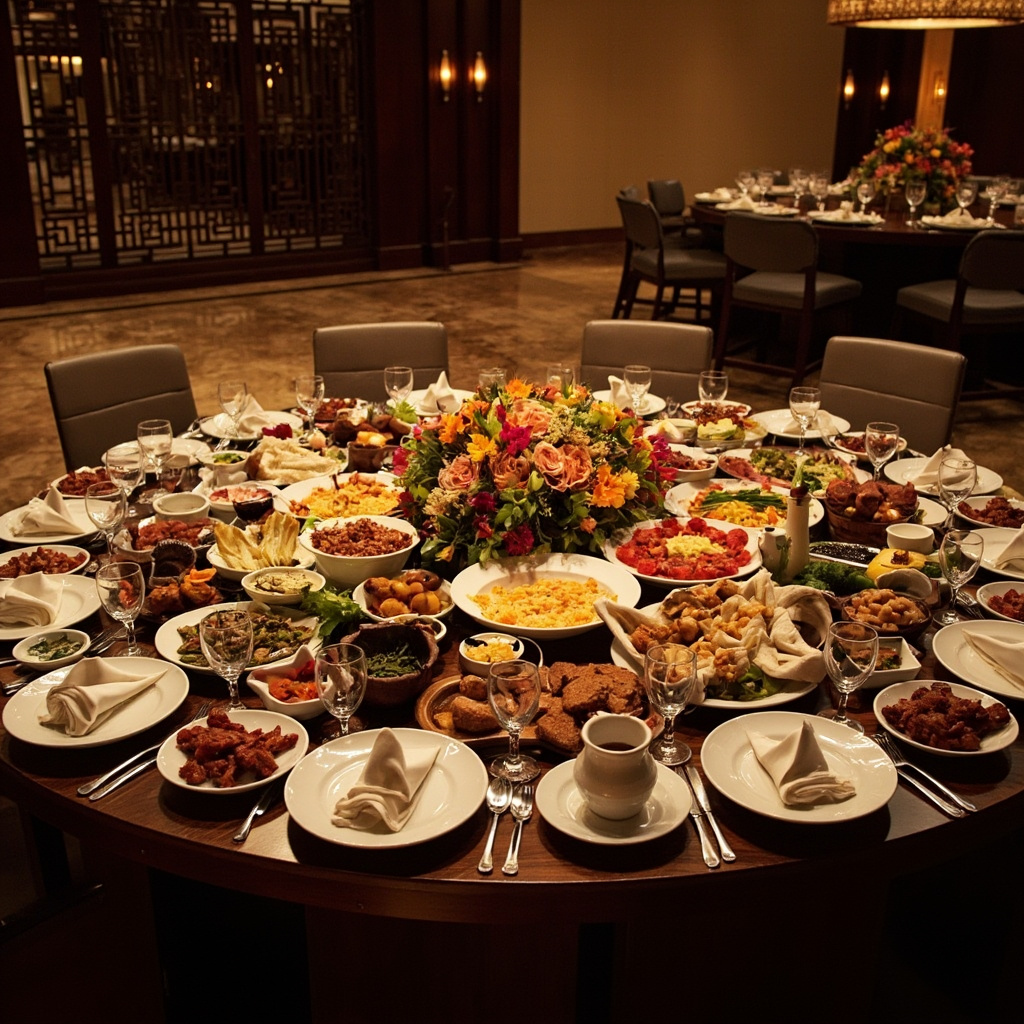
The Chinese business banquet is legendary. The round table with the lazy susan, the multiple courses, the ceremonial toasts, the carefully orchestrated seating arrangements — all of this is not just eating. It is communication. It is relationship building. It is trust establishment.
When we have a potential business partner, we do not meet for coffee. We invite them to dinner. We order too much food. We drink. We talk. We bond. Then we do it again. And again. And eventually, if all goes well, we have a relationship strong enough to do business.
This is why visitors sometimes find our business culture exhausting. They want efficiency. We want relationship first.
## The Variety Is Our Pride
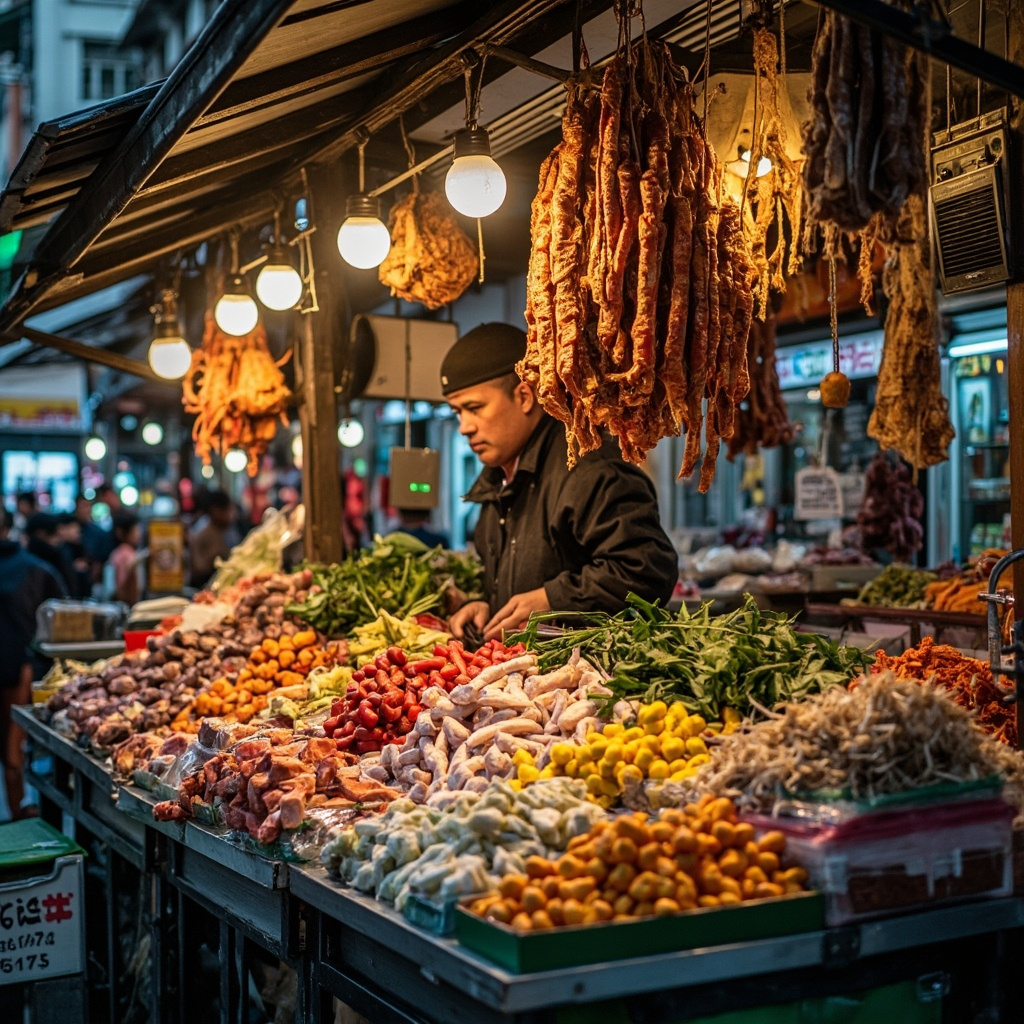
We do not just have one cuisine. We have dozens. Each region, each province, each city has its own distinct food culture. And we are intensely proud of all of it.
Sichuan food is famous for its bold flavors. Cantonese food is famous for its freshness and subtlety. Hunan food is famous for its direct heat. Northern food is famous for its wheat-based dishes. The list goes on.
We argue about which cuisine is best constantly. We defend our regional food like it is our family honor. Because it is.
The variety is not accident. It is the result of thousands of years of regional development, climate variation, agricultural innovation, and cultural exchange within our enormous country.
## What This Means
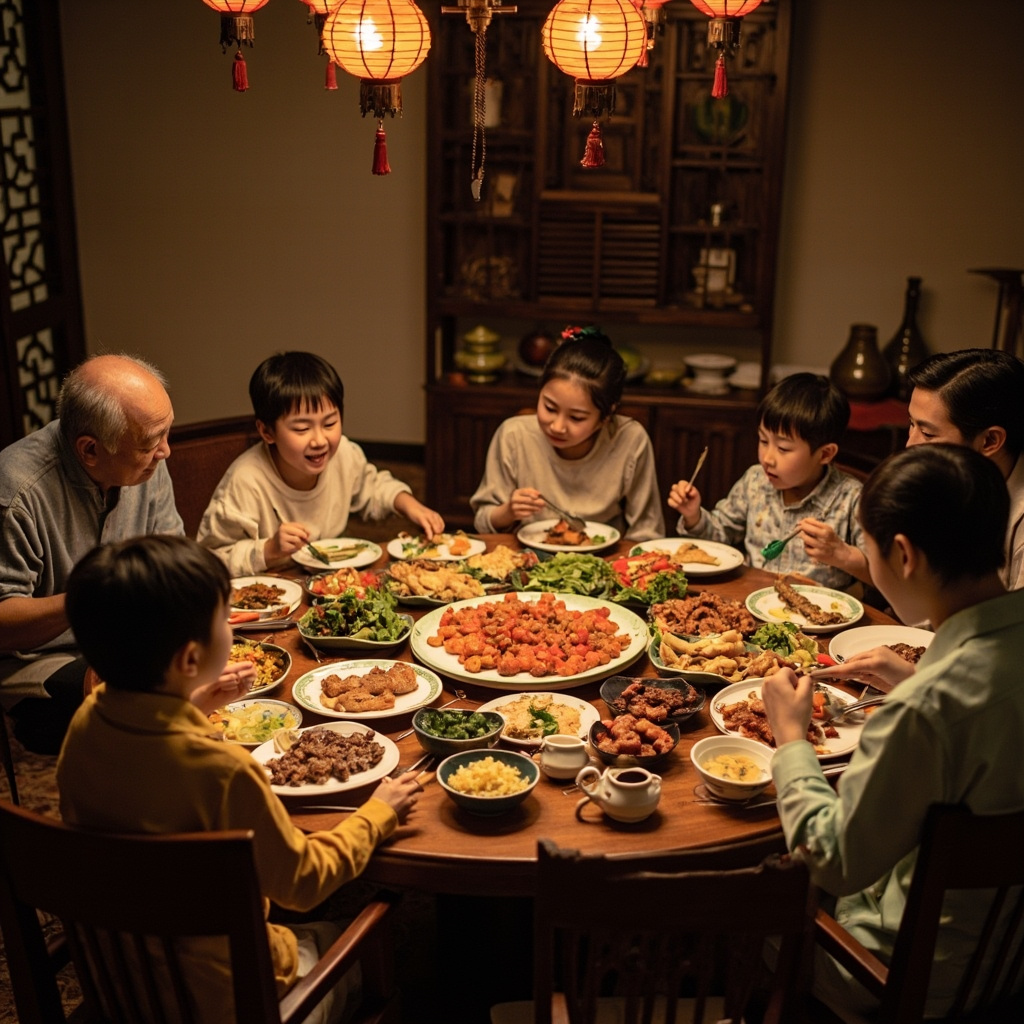
When you eat with us, you are not just eating. You are participating in a cultural tradition that predates most of recorded history.
You are being welcomed into a family structure where feeding you is the first act of hospitality. You are being offered a seat at a table where food is the language of love.
You are experiencing something that we have been refining since before most countries existed.
The next time someone asks you why Chinese people love food so much, you will understand: it is not a preference. It is identity. It is history. It is who we are.
And honestly? Once you have eaten well with us, going back to other food cultures can feel a little boring.