Why Do Chinese People Love Hand-Pulled Noodles?
Why Do Chinese People Love Hand-Pulled Noodles?
Let me tell you about something we have been pulling apart and stretching for over two thousand years: hand-pulled noodles, or lamian.
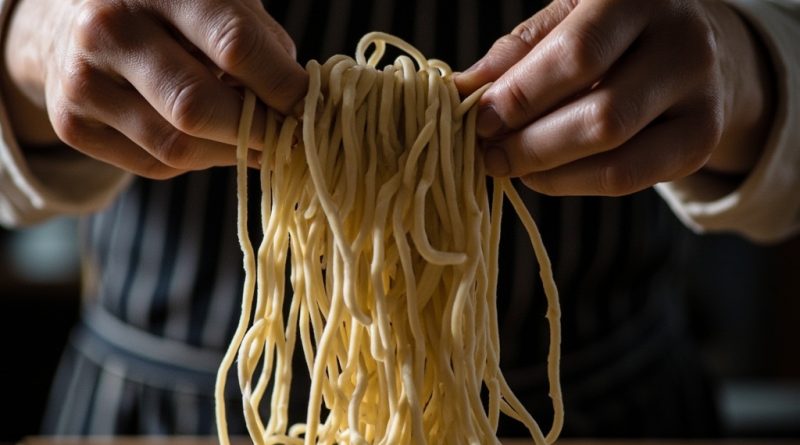
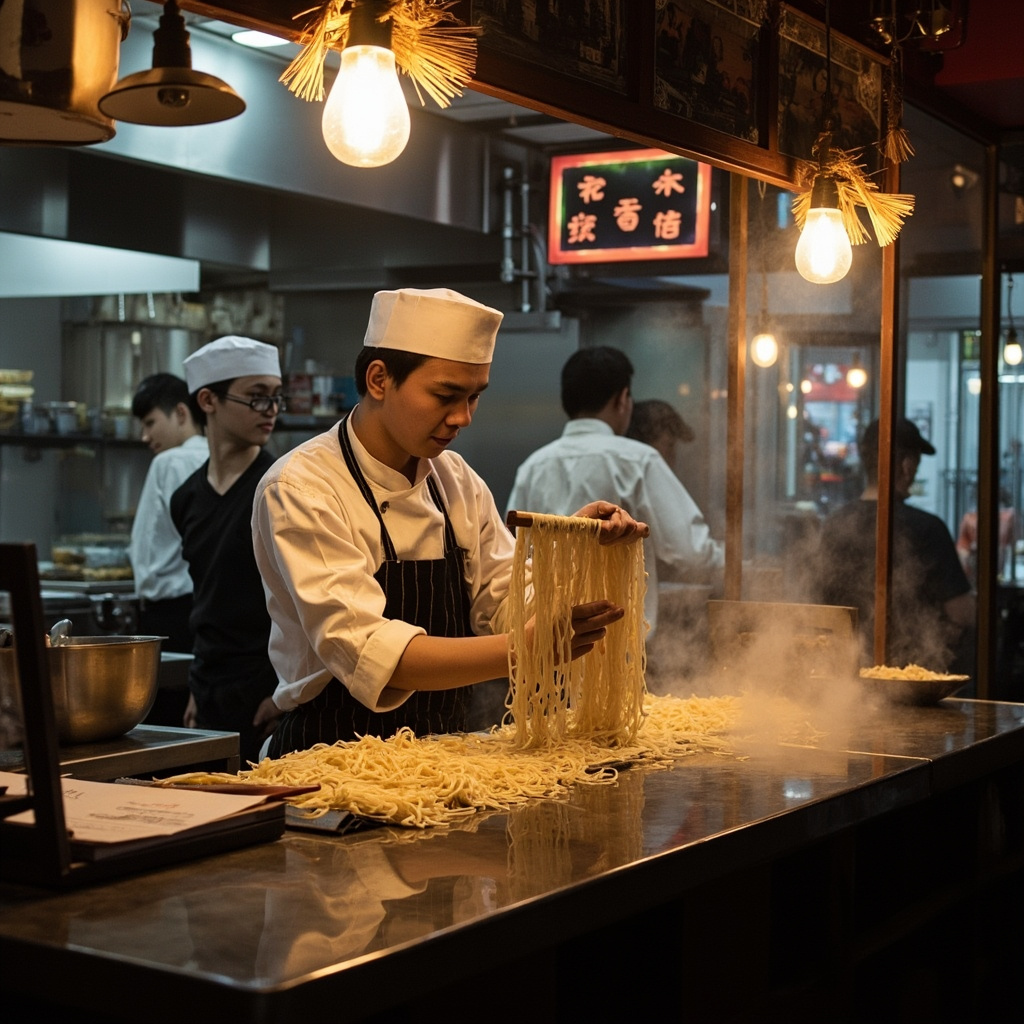
There is a show in every noodle shop worth visiting. The chef takes a lump of dough. He stretches it. Folds it. Stretches it again. And again. The dough becomes thinner, longer, until finally there are strands fine as horsehair hanging from his hands.
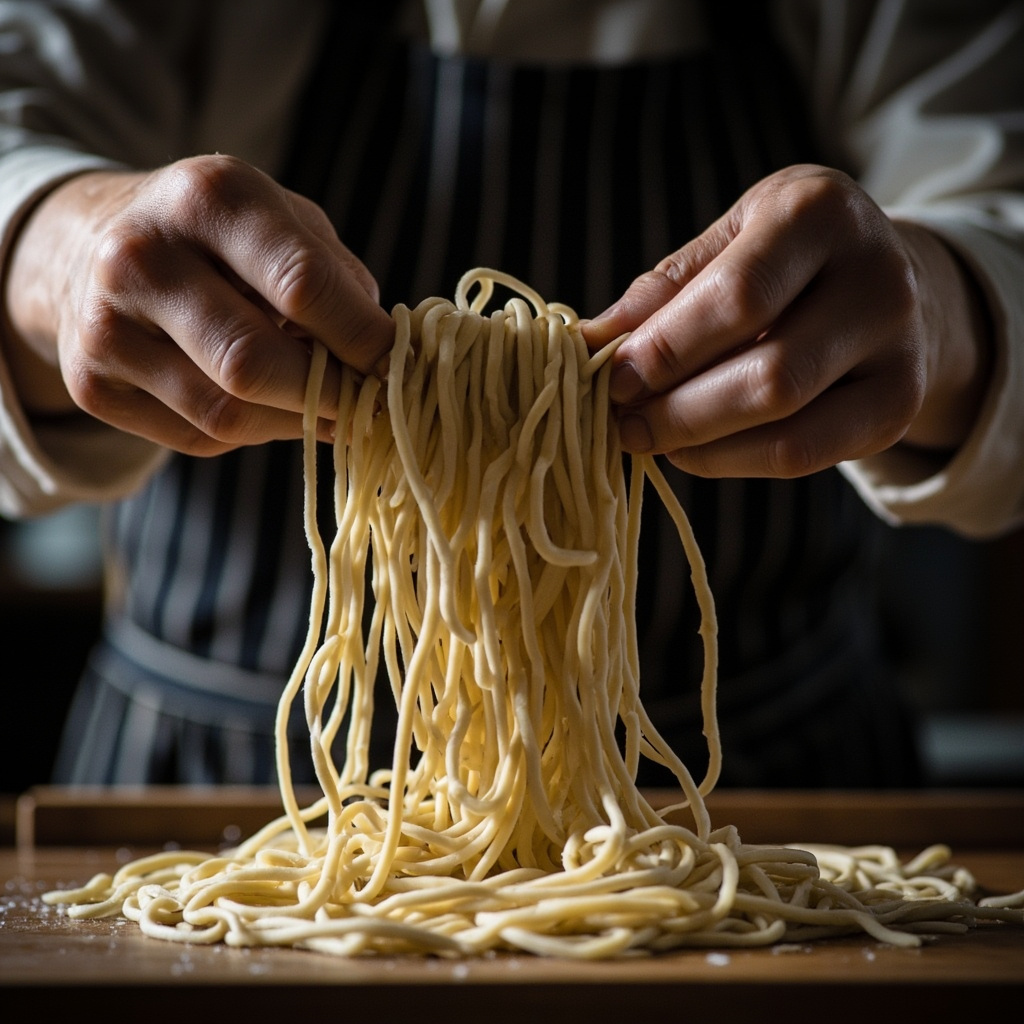
This is not performance. This is how we make noodles. And after watching it once, you understand why we love lamian.
## The Story in Our History
Our noodles go back further than many people think.
Around 2000 BCE, our ancestors were making wheat-based foods along the Yellow River. By the Han Dynasty, noodles had become a staple. But hand-pulled lamian specifically? That story starts in the Tang Dynasty.
Legend says that during the Tang, a general named Liu Bowen watched his soldiers pull dough into strands to feed the troops faster. The technique spread. The emperor’s court got wind of it. Soon, pulling noodles became an art form.
By the time we reach the Qing Dynasty, the city of Lanzhou had made beef noodles its signature dish. The story goes that a Muslim merchant named Ma Qilong perfected the recipe we still eat today: clear broth, tender beef, hand-pulled strands, and the perfect balance of salt and spice.
This was around 1799. We have been refining it ever since.
## Why We Pull Instead of Cut
Here is what foreigners find strange: we pull noodles by hand instead of using a machine or cutting them.
The answer is in the texture.
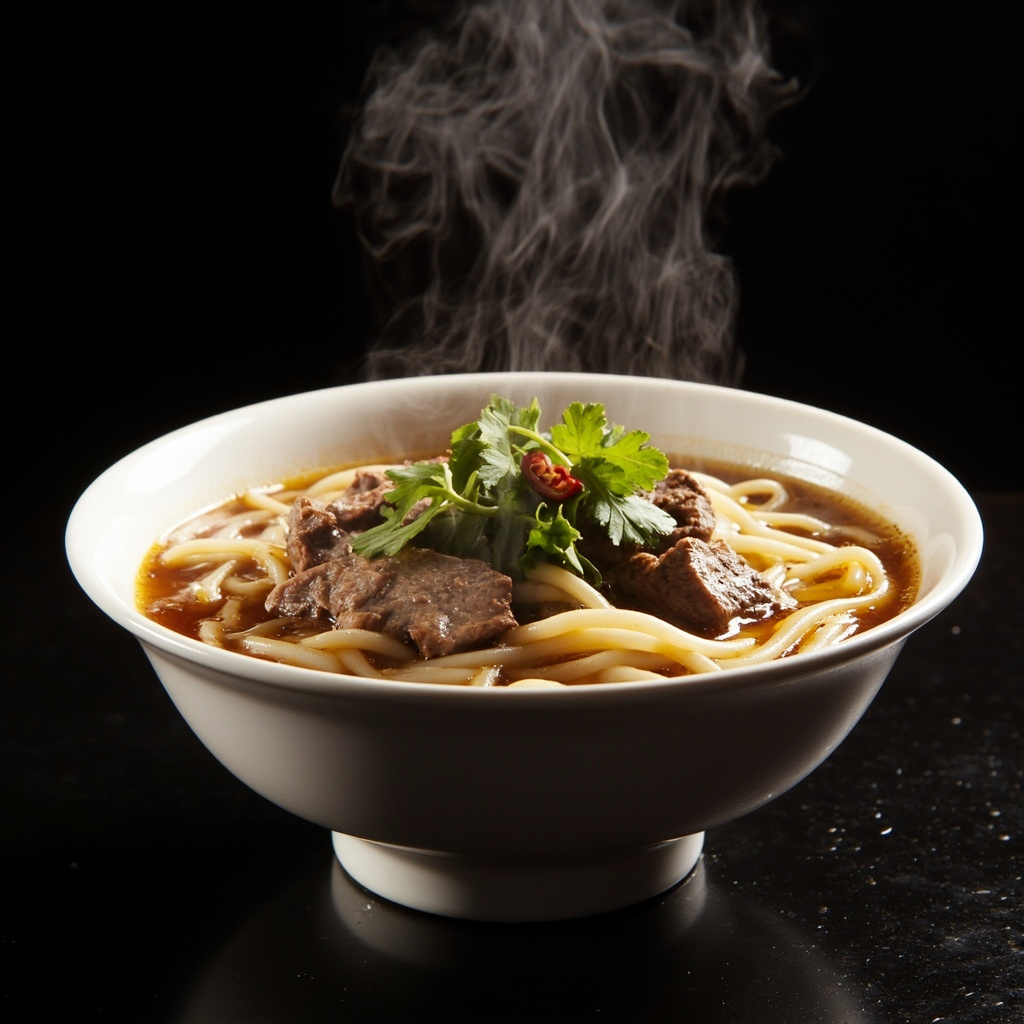
When you pull dough, you are aligning the gluten strands in one direction. This gives the noodle its signature bounce. Its resistance when you bite. Its ability to hold broth without becoming soggy.
My grandfather used to say: a machine-cut noodle is dead. A hand-pulled noodle is alive. The pull gives it soul.
Is this science? Maybe not. But try eating both side by side and tell me you do not feel the difference.
## The Lanzhou Question
When someone says “Chinese noodles,” we think of Lanzhou first.
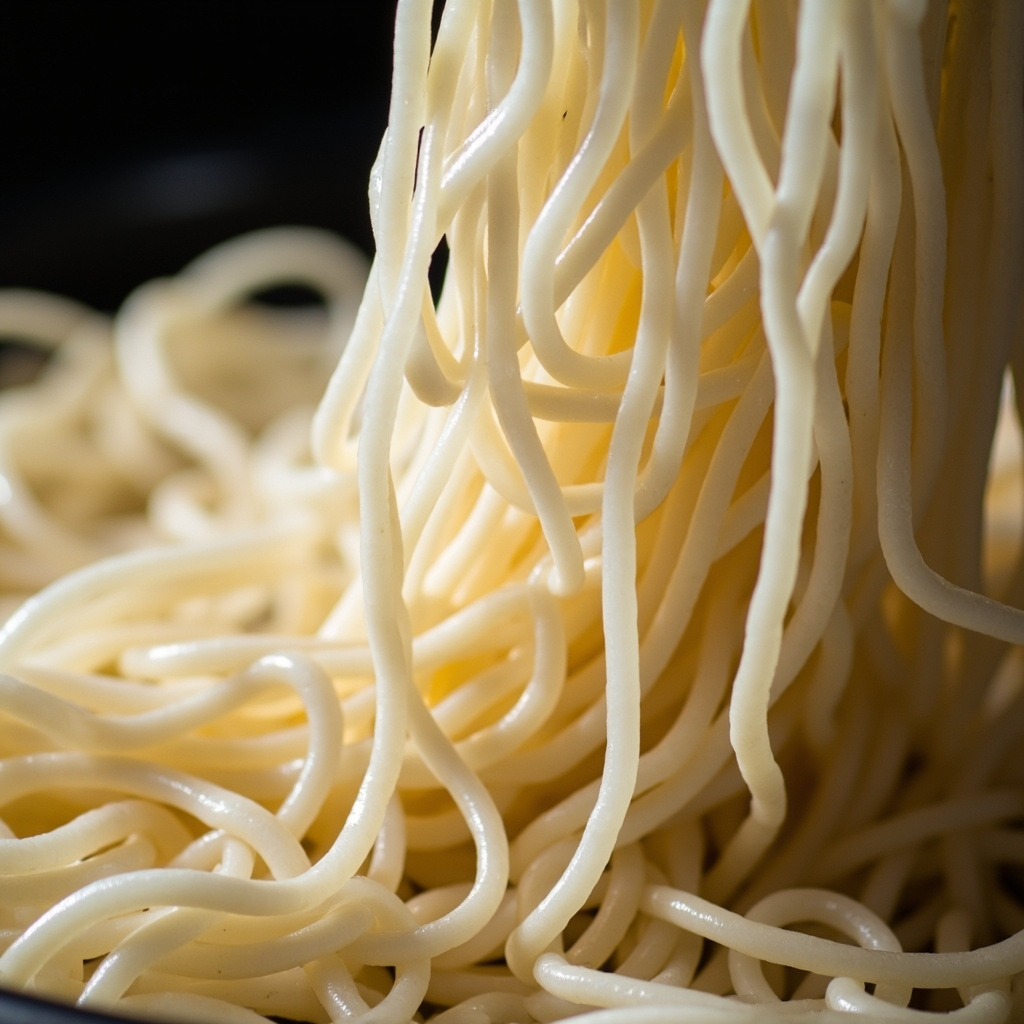
Lanzhou beef noodles are the baseline. Clear soup. Sliced beef. Hand-pulled strands. Cilantro, radish, sometimes chili oil. Simple ingredients, perfect balance.
But Lanzhou is just the beginning.
In Xi’an, they eat biang biang noodles. These are wide belts of dough, slapped against the board until they make a sound you can hear across the street. Oil, chili, garlic. The noodles are thick and chewy and completely satisfying.
In Shanxi, they have刀削面 (daoxiao). The chef holds the dough against his chest and slices pieces directly into the boiling pot. The result is a thick, triangular noodle with a soft center and crispy edges.
In Henan, someone is always eating zhaliang. Thick noodles in a savory sauce made from fermented beans and onions.
Each region claims theirs is the best. Each family believes their recipe is the correct one. This is normal.
## Why It Is Everywhere Now
Forty years ago, you had to go to specific cities to find good lamian. Today, you find it everywhere.
Here is why: in the 1980s,青海 (Qinghai) entrepreneurs from a place called Hualong started traveling across China with their noodle carts. They set up in cities. They fed workers. They spread.
The Belt and Road Initiative later helped bring lamian to Central Asia, Southeast Asia, even Europe. Chinese workers overseas opened noodle shops. The technique traveled with them.
Now you can find lamian in New York, London, Sydney. The chefs are sometimes not Chinese. But the pull is still the same. The bounce is still there.
## The Moment of Eating
Here is what I want you to understand: lamian is not just food. It is an experience.
You sit down. The broth arrives first, steaming. Then the noodles, piled high in a bowl, your portion clearly pulled fresh just moments ago.
You lift the strands with chopsticks. They cling together, resisting. You blow on them, take your first bite. The chew is firm. The broth floods your mouth with salt and warmth.
You do not rush this. Good lamian takes time to eat. Each strand demands attention.
My uncle from Lanzhou says you can tell the quality of a noodle shop by how long it takes for your bowl to arrive. If they bring it immediately, the noodles were pre-made. If you wait five to ten minutes, they are pulling your order fresh. The wait is the compliment.
## Why We Keep Pulling
So why do we love hand-pulled noodles?
Because after two thousand years, we have figured out that some foods are not just ingredients. They are performance. They are craft. They are the chef showing you what he can do with flour and water and time.
Because the pull is not just technique. It is respect. For the wheat. For the dough. For the person who will eat it.
Because once you have had a bowl of lamian pulled by someone who has been pulling for thirty years, you understand why no machine will ever match it.
The next time someone asks you why we pull noodles by hand instead of using a pasta maker, tell them: because some skills take a lifetime to learn, and the results speak for themselves.
