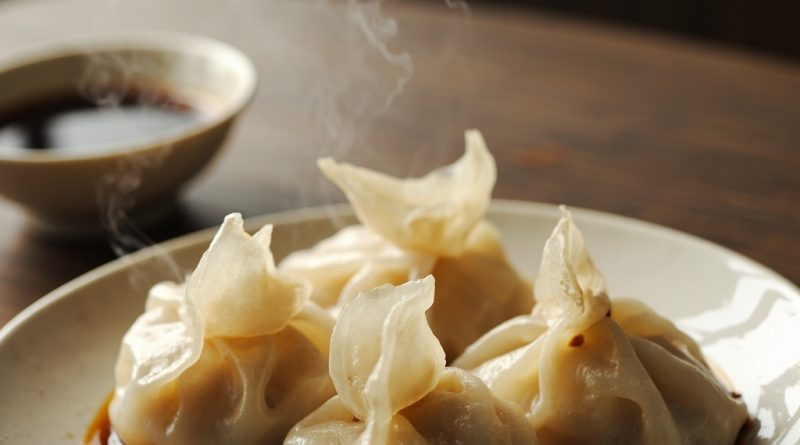
Why Do Chinese People Love Jiaozi?
Why Do Chinese People Love Jiaozi?
Let me tell you about something that has been on our table for almost two thousand years: jiaozi.
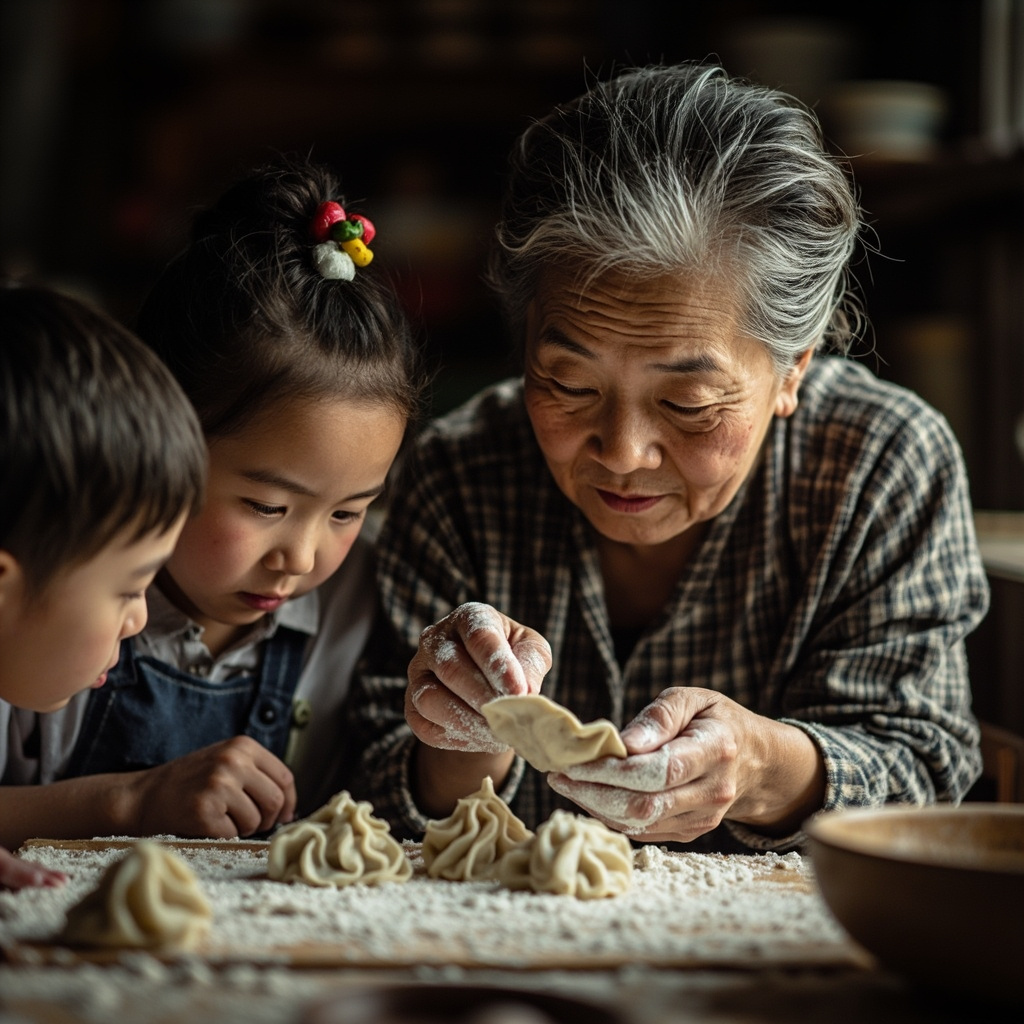
Every Chinese New Year, my family gathers around the kitchen table. Flour everywhere. Bowls of filling. Grandmother at the center, showing us how to fold the dough just right. This is not just cooking. This is ritual. This is memory. This is us.
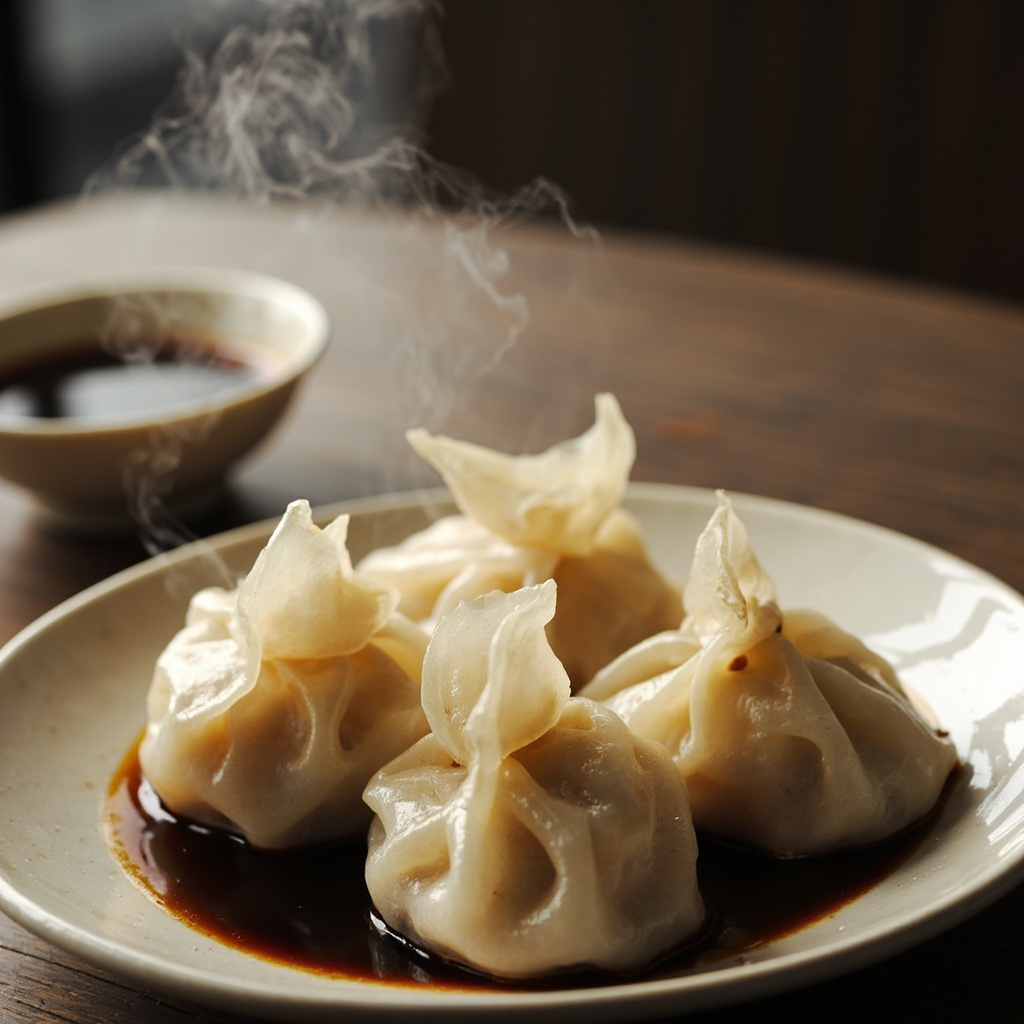
Jiaozi is not just a dumpling. It is a story we tell ourselves every year.
## The Origin Story
Our love for jiaozi starts with Zhang Zhongjing, the Han Dynasty physician.
During the winter of the year he was serving as a local official, he saw many people with frostbitten ears. Their ears were dying from the cold. Zhang Zhongjing could not stand by.
He took lamb, herbs, and other ingredients. He wrapped them in dough made from flour and water. He shaped them like ears. He fed them to the sick. And the ears healed.
This is why we call jiaozi “earlier than the ears” (娇耳). The shape of the dumpling was designed to look like the body part it was meant to save.
This was around 180 CE. We have been eating jiaozi ever since.
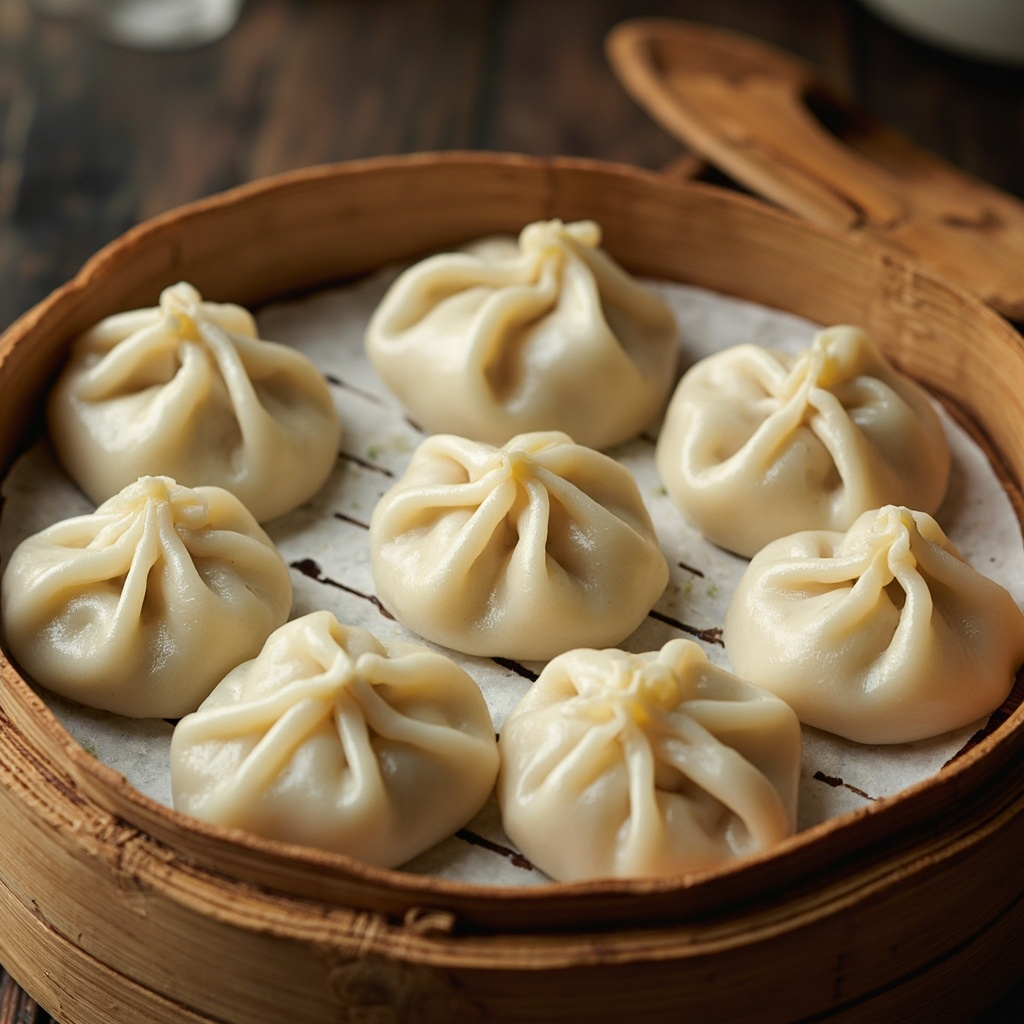
## Why We Make Them Together
Here is something foreigners find strange: we do not just eat jiaozi. We make them together.
A single person can make jiaozi. But a family making jiaozi together is a completely different experience.
The work is divided. Someone mixes the filling. Someone rolls the dough. Someone folds each piece. Someone boils the pot. And everyone talks while they work.
My grandmother used to say: the more hands, the better the jiaozi. Not because of the technique. Because of the energy. Because of the conversation. Because of the time spent together.
This is why jiaozi is associated with festivals and family. Making jiaozi is an excuse to gather. The dumpling is just the reason.
## The New Year Connection
Why do we eat jiaozi during Chinese New Year specifically?
The story is in the name. The character for jiaozi (饺子) looks like the ancient Chinese currency. Eating jiaozi during the new year is a prayer for wealth. For prosperity. For the year to come.
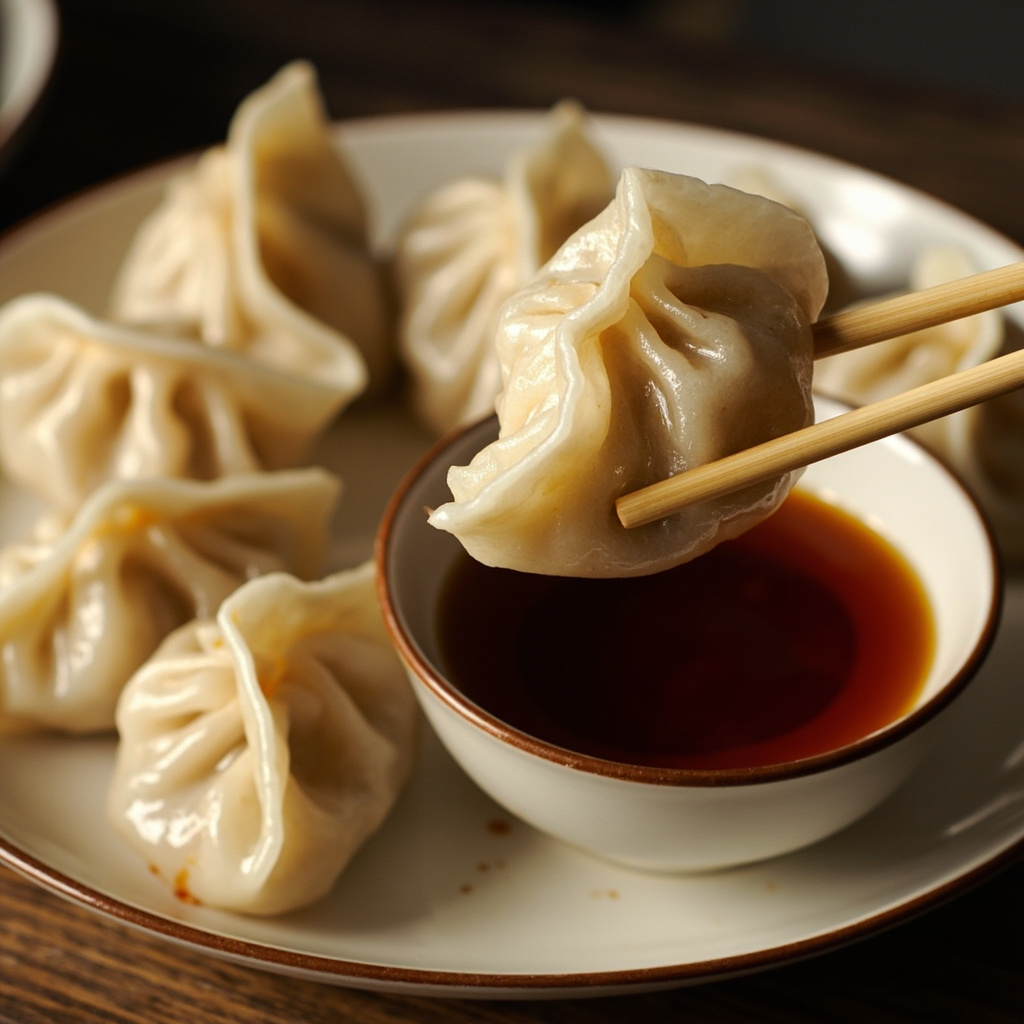
But the real reason is simpler. New Year is when family comes home. Everyone gathers. And making jiaozi together gives us something to do with our hands while we reconnect.
In my family, we start making jiaozi at midnight on New Year’s Eve. We work through the night. At dawn, we eat the first jiaozi of the new year together. This is not superstition. This is ritual. This is how we mark the moment when one year becomes another.
## The Regional Map
We do not all make jiaozi the same way.
In Northern China, jiaozi is a staple. The skin is thick and chewy. The filling is usually pork and cabbage, or lamb and radish. The portions are generous. The jiaozi are big.
In my grandmother’s family in Shandong, they made jiaozi the size of my palm. Three would fill a bowl. The skin was almost like bread. The filling was simple but flavorful. Eating them felt like a meal, not a snack.
In Southern China, jiaozi becomes something different. The skin is thinner. The filling is more delicate. Shrimp is common. The jiaozi are smaller and more refined.
In Sichuan, they make dumplings called “water-boiled mutton” that are spicy. The broth is fiery red. The dumplings swim in chili oil. This is not the mild northern style.
Each region claims theirs is the best. Each family believes their recipe is the correct one. This is normal.
## The Way We Eat
Here is how jiaozi is served in my house.
First, the dipping sauce: soy sauce with black vinegar. Sometimes with a drop of sesame oil. Sometimes with chili oil. Everyone has their ratio.
Second, the timing: jiaozi are not served one at a time. They come in bowls of ten or twenty. You take what you want. You eat while they are hot. Cold jiaozi is a crime.
Third, the etiquette: when someone older puts jiaozi in your bowl, you take it. When someone younger hands you the last jiaozi in the pot, you say thank you. This is not formal. This is just how we are.
## Why We Love It
So why do we love jiaozi?
Because it tastes good. The pork and cabbage combination, the chewy skin, the umami from the soy sauce. It is satisfying in a way that is hard to explain to someone who has not grown up with it.
Because it connects us to our history. We have been eating this since Zhang Zhongjing. We have been making it together as families for generations. Every jiaozi is a small connection to everyone who ever ate a jiaozi before us.
Because it is free. You can make jiaozi with cheap ingredients. Flour, meat, vegetables. Nothing fancy. But when you fold it with care, when you boil it until the skin is translucent, when you dip it in sauce and bite through everything at once, it becomes something special.
The next time someone asks you why we eat dumplings that look like money and taste like home, tell them: because sometimes the simplest foods carry the most meaning. Because we are not just feeding our bodies. We are feeding our connections to each other.
And because once you have had hot jiaozi on a cold winter night, with your family around you, with the steam rising and the conversation flowing, you understand why this humble dumpling has been on our table for two thousand years.
