Why Do Chinese People Love KTV?
Why Do Chinese People Love KTV?
Let me tell you about something we do that confuses foreigners to no end: we go to KTV.
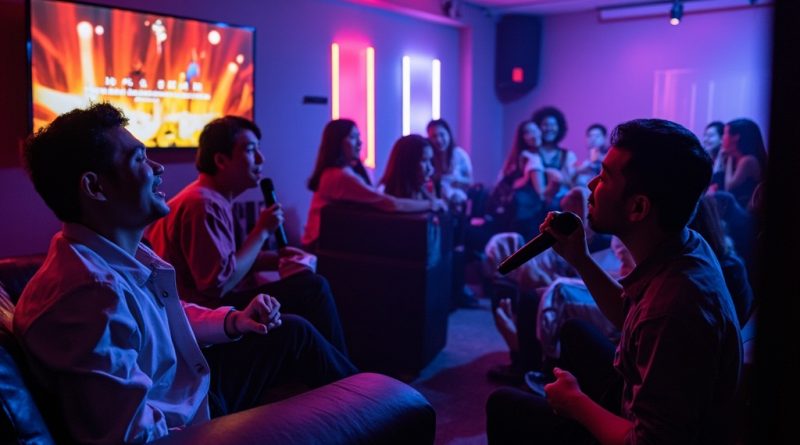
For those who do not know, KTV is karaoke the Chinese way. You rent a private room with your friends. You eat, drink, and take turns singing popular songs on a big screen while everyone else cheers or pretends to text.
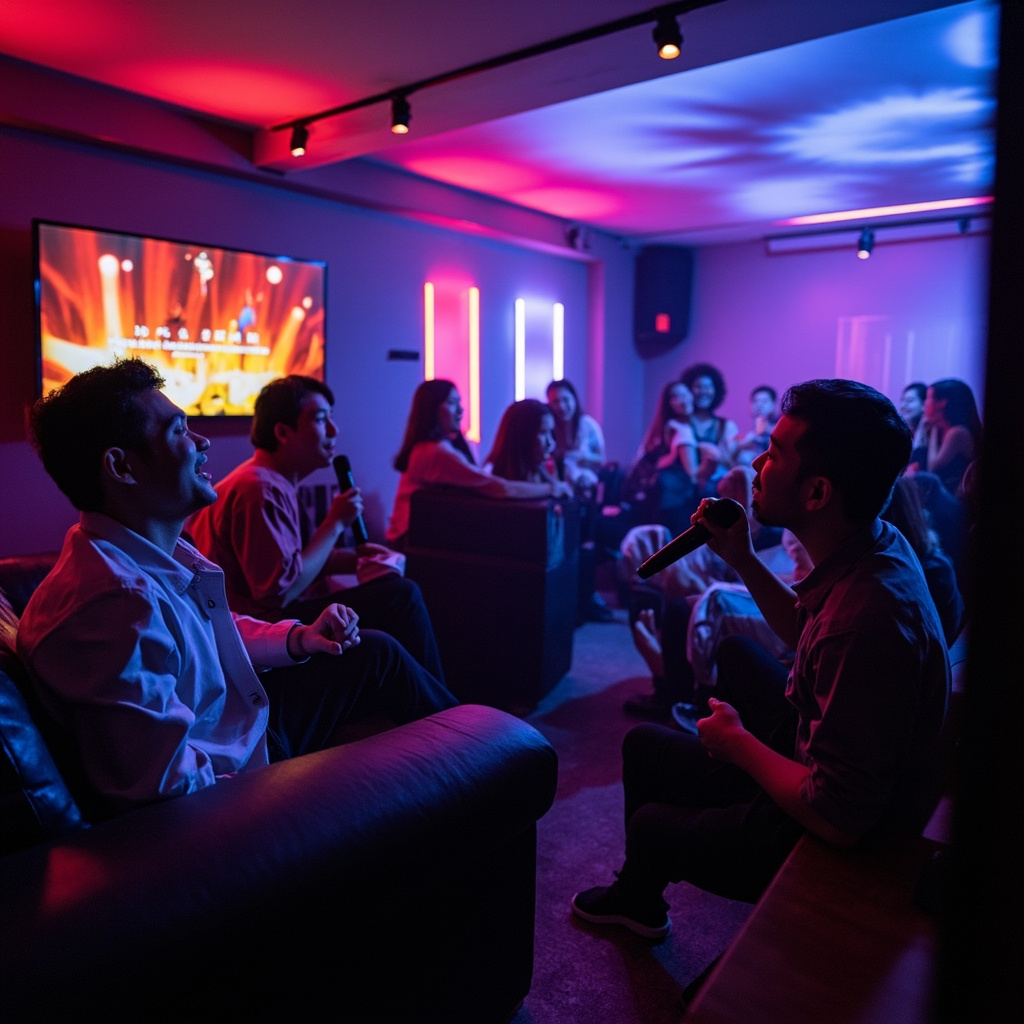
Foreigners often ask: why not just sing at home? Why pay for a room? Why is this such a big deal?
Here is why.
## The Origin Story
Our love for KTV starts with Japan, but the Chinese version became something entirely our own.
In 1988, the first karaoke machine appeared in Guangzhou, at the Dongfang Hotel. This was revolutionary. Before this, singing was for professionals or the extremely wealthy. Now anyone could be a star for three minutes.
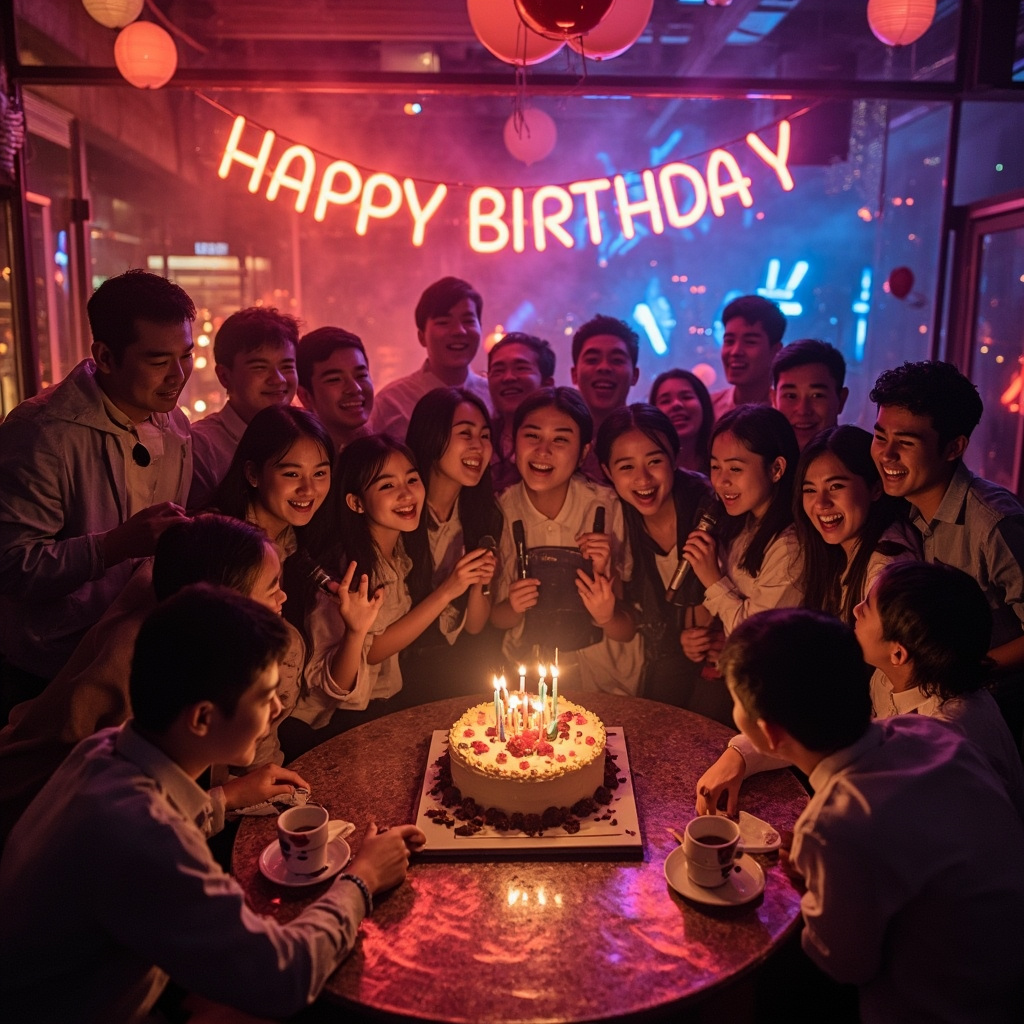
By the 1990s, KTV had exploded. The台湾 (Taiwan) investors brought the franchise model. Suddenly there were KTV chains everywhere. Young街 (street) could rent a room for an afternoon for less than a dollar.
By 2000, KTV was woven into our social fabric. It was where deals got closed. It was where friendships deepened. It was where lovers broke up and made up.
## Why We Need the Room
Here is what foreigners do not understand: it is not about the singing.
It is about the space.
In Western karaoke, you sing in front of strangers at a bar. This is terrifying for many Chinese people. We prefer privacy. We prefer the group we came with.
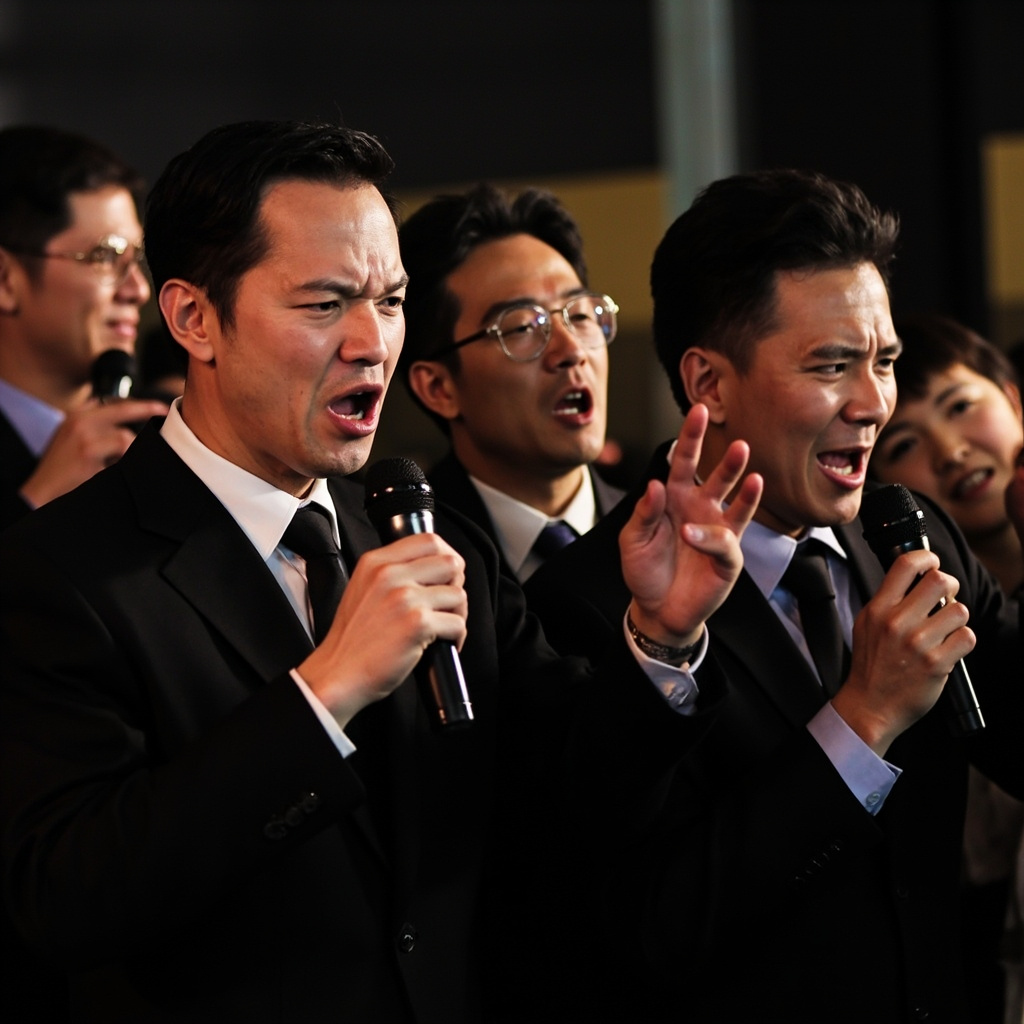
The KTV room gives us permission to be embarrassing. You can sing badly. You can dance. You can do your dramatic three-minute ballad without judgment from anyone outside your group.
This is freedom.
In my family, my father only sings when we go to KTV. At home, never. At a bar, impossible. But in the KTV room with his brothers and his kids around him, he becomes someone who knows all the lyrics to 1980s Mandarin pop songs.
## The Social Currency
KTV is not just entertainment. It is social currency.
In Chinese work culture, refusing a KTV invitation is almost offensive. Your boss asks everyone to go, and you say no? You are marking yourself as difficult. As not a team player.
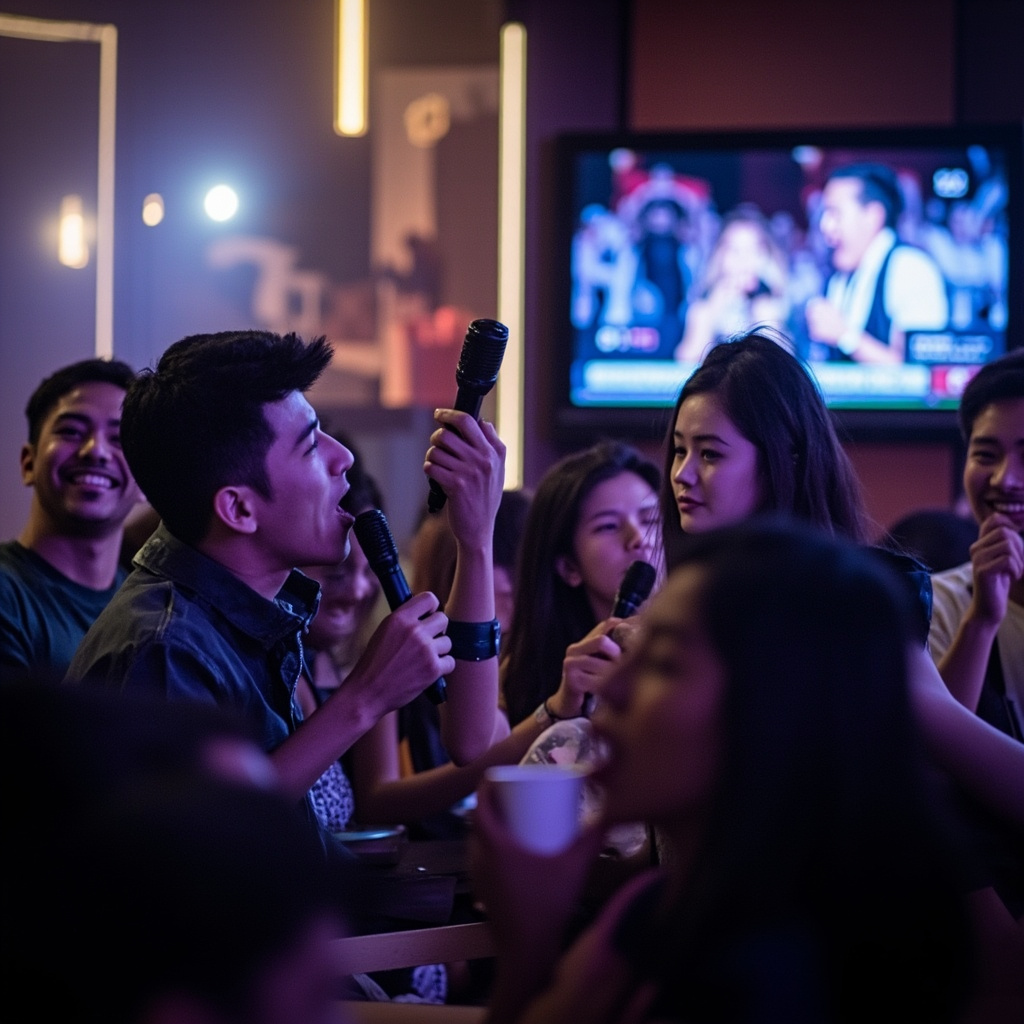
This sounds negative, but here is the flip side: KTV is where hierarchies flatten. Your CEO might sing a love song badly while you clap. Your junior might reveal hidden musical talents. The room creates equality through shared embarrassment.
I have seen more genuine connections formed over a bad rendition of “月亮代表我的心” (The Moon Represents My Heart) than through years of formal meetings.
## The Food and Drink Factor
Western karaoke usually means drinks at a bar. Chinese KTV means a table full of food.
This is us. We cannot just sit and sing. We need to eat. KTV rooms come with menus: fruit plates, chicken wings, cold dishes, beer, tea. The singing is almost secondary to the grazing.
When my university friends gather for KTV, we spend as much time debating the menu as we do choosing who sings next.
## The Generational Divide
Like everything in China, KTV culture has a generational split.
My parents’ generation loves老歌 (old songs). The 1980s and 90s Mandarin pop that everyone knows. When they enter a KTV room, the first hour is guaranteed to be classics.
My generation, we mix it up. Cantonese pop, Taiwanese ballads, some Mandopop from the 2000s.
My younger cousins? They do not really go to KTV anymore. They prefer 在线唱 (singing online), using apps where they can sing without leaving their rooms.
This is changing KTV culture. But it is not killing it. The room still matters for certain occasions.
## Why We Keep Coming Back
So why do we love KTV?
Because it is one of the few places where we can be fully ourselves with our people. No performance for strangers. No pretending to be professional. Just singing badly with your friends while eating and drinking.
Because three minutes of being the star of your own music video, even in a room of only ten people, is a kind of therapy we invented.
Because in a culture that values harmony and fitting in, KTV gives us permission to stand out, just for a moment.
The next time someone asks you why we rent a private room to sing instead of going to a bar, tell them: because some things are better shared with the people you trust, even if the song is off-key.
