Why Do Chinese People Love Red?
Why Do Chinese People Love Red?
Let me tell you about a color that is not just a color in our culture. It is identity.
Walk into any Chinese celebration — a wedding, Chinese New Year, a business opening — and you will be engulfed in red. Red banners, red envelopes, red lanterns, red everything. This is not decoration. This is who we are.
Here is the answer: red has been sacred to us for over 5,000 years. It is not superstition. It is our history.
## Why Red Became Sacred
Here is what our ancestors understood that the rest of the world did not figure out until much later: red is the color of life.
Our ancient people watched blood flow from wounds and saw that when it stopped, life stopped. They watched the sun rise red in the morning and understood that light came from fire, from heat, from life itself. They watched the scarlet birds fly overhead and understood that red meant vitality, energy, power.
This is why red became sacred to us. It was not random. It was survival instinct. When you live in a world where survival is not guaranteed, you pay attention to what represents life. Red was that color.
## The Ancient Origins
Our love for red dates back further than most civilizations exist.
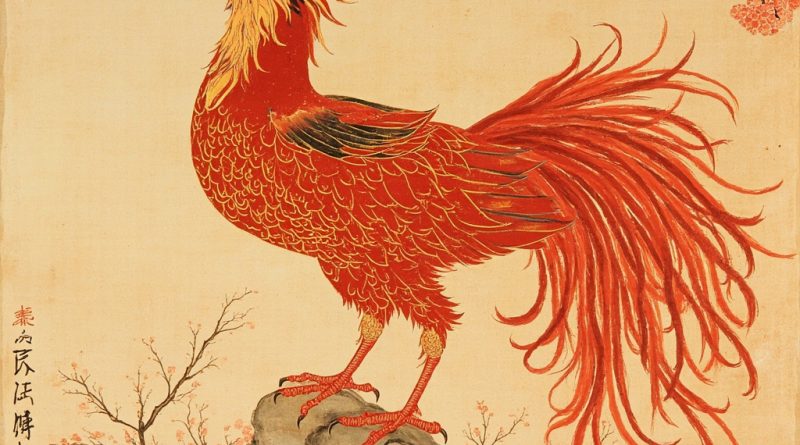
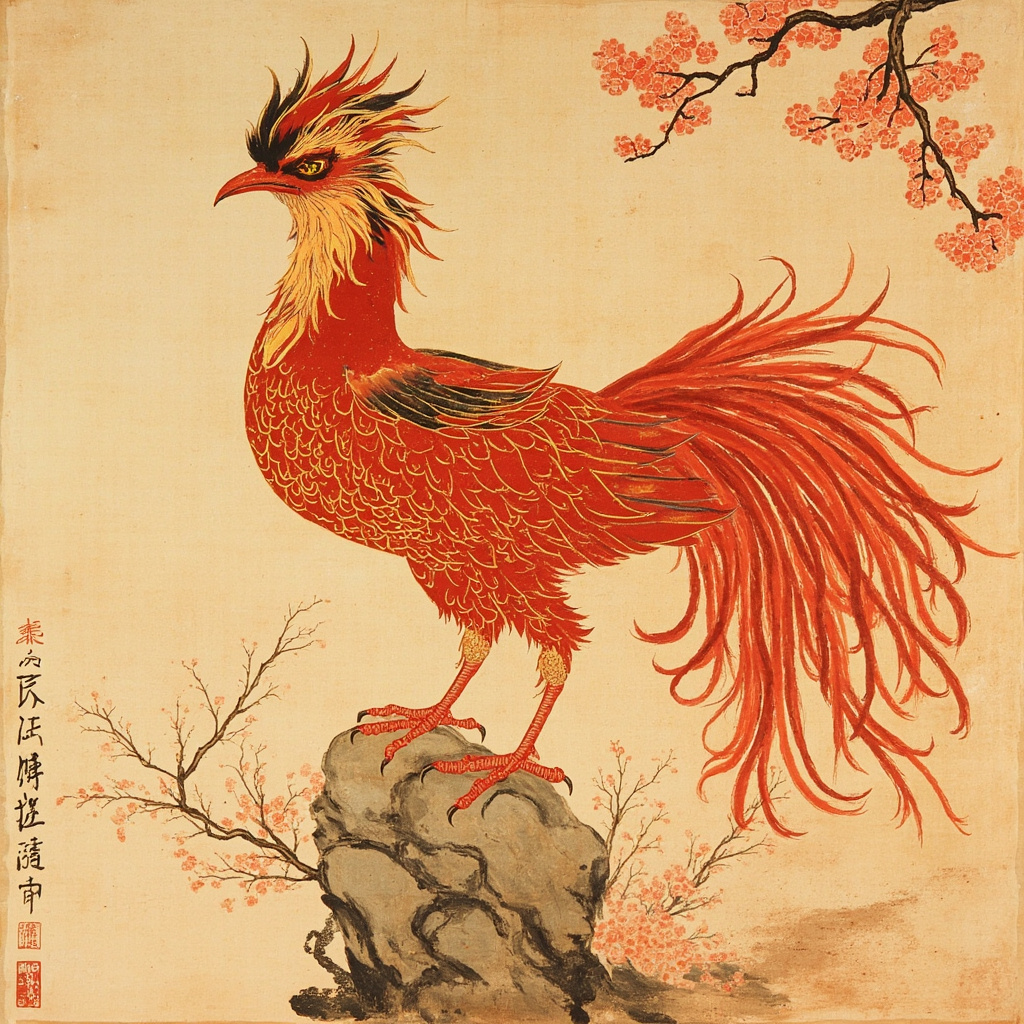
During the Shang Dynasty, our ancestors were already using red ochre to paint burial chambers. Red was associated with the sun, with fire, with life energy. The Four Symbols of ancient Chinese astronomy included the Vermilion Bird — a red mythical bird — representing the south and summer. This is thousands of years old.
The Five Elements system, developed over 2,000 years ago, assigned red to fire. But this was not arbitrary assignment. Fire gives warmth. Fire gives light. Fire keeps predators away. Fire means survival. Of course fire was red. Of course red was powerful.
When others ask why we love red, the answer is simple: we figured out red meant life before most of the world figured out agriculture.
## Red in Our Daily Life
Here is what surprises visitors: red is not just for holidays. Red is everywhere.
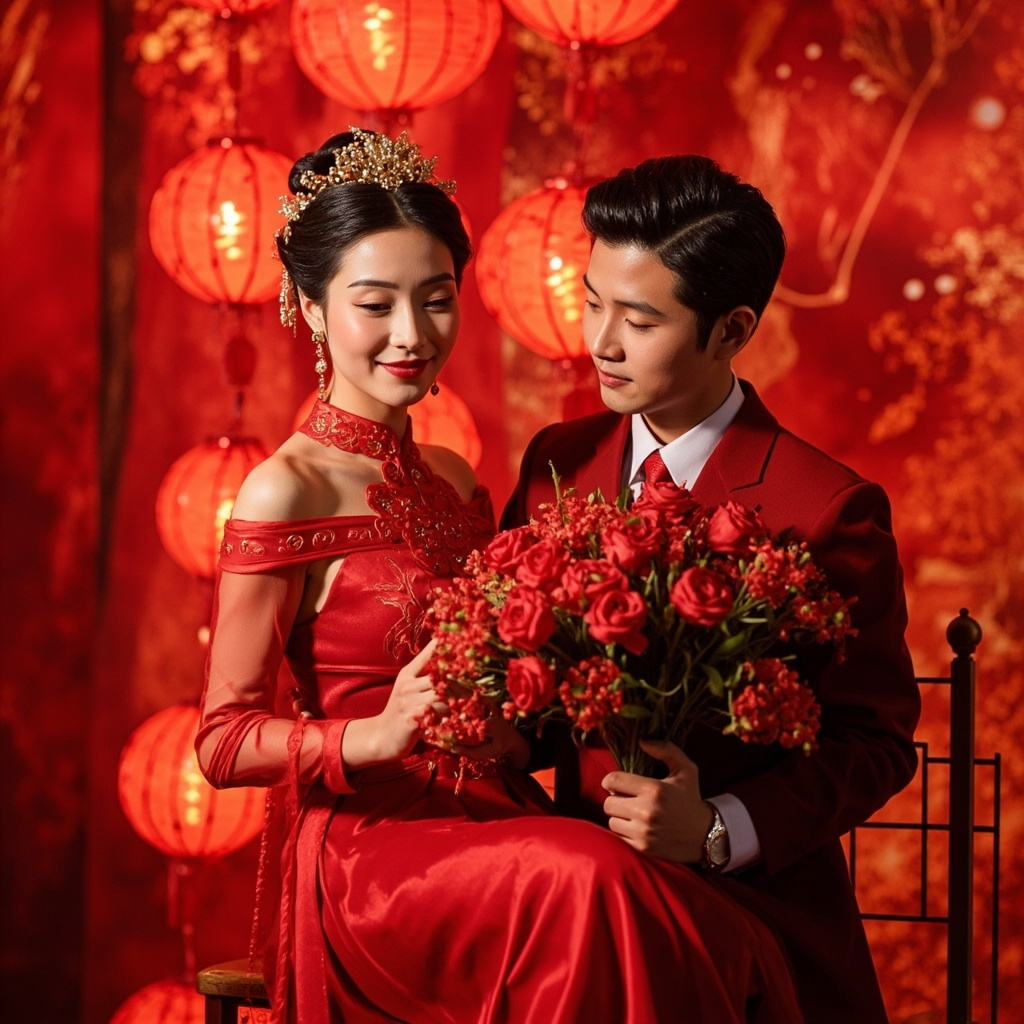
When a baby is born, we give red eggs. When someone gets engaged, we give red gifts. When we open a business, we hang red lanterns. When we celebrate the New Year, we wrap money in red envelopes. When we get married, we dress in red from head to toe.
This is not optional tradition. This is identity. We do not choose red because it is pretty. We choose red because we are Chinese.
## The Wedding Question
Visitors always ask about our weddings: why is everything red? Why does the bride wear red instead of white?
Let me explain the wedding thing.
Our ancestors chose red because red represents life and vitality. Marriage is about creating new life, continuing the family line. Of course the wedding would be red.
The red qipao for brides developed over centuries. The double happiness character (囍) in red appears everywhere. Red envelopes contain money for luck. The color is not decoration. It is blessing.
White? White is for funerals. White is mourning. We do not wear white to weddings. We wear red because we are celebrating life.
## The Red Envelope Question
Everyone asks about red envelopes. Why do we give money in red paper?
Here is the history: red envelopes started as money wrapped in red paper to protect against evil spirits. Our ancestors believed that red scared away bad luck. When we give money in red envelopes, we are not just giving money. We are giving protection and blessing.
The amount matters less than the color. The color says: we wish you luck, prosperity, life.
## Why Not Other Colors?
Here is what visitors do not always understand: we do not just randomly pick red. We tested other colors against the standards of our philosophy and red won.
Red represents fire, which represents yang, which represents activity, energy, life. Blue represents water, which represents yin, which represents calm, passivity. Green represents wood, which represents growth but not specifically life energy.
Red was always going to be our primary color because red is the most life-like color. The sun is red at dawn when life begins. Fire is red when it burns brightest. Blood is red when life flows.
We did not choose red arbitrarily. We chose it because it was the obvious choice.
## The Communist Thing
Some visitors ask: is your love for red connected to communism?
No. Our love for red predates communism by about 4,000 years. The communist government adopted red because it was already our most important color. Red did not become meaningful because of communism. communism adopted red because it was already meaningful to us.
When the PRC was founded and people waved red flags, they were not creating new tradition. They were tapping into existing tradition. Red was already sacred. The flag just acknowledged that.
## What This Means

When you see red in our culture, you are not seeing a color. You are seeing 5,000 years of history.
Every red envelope is a wish for prosperity. Every red lantern is a prayer for good fortune. Every red wedding dress is a celebration of life. Every red couplet on the door is protection against bad luck.
Red is not our favorite color. Red is our identity.
The next time someone asks why we love red, tell them: because our ancestors watched the sun rise, watched fire burn, watched blood flow, and understood that red meant life. We have been celebrating that for 5,000 years.
And honestly? Once you grow up with red meaning luck, prosperity, and celebration, every other color feels a little less special.