Why Do Chinese People Love Sichuan Peppers?
Why Do Chinese People Love Sichuan Peppers?
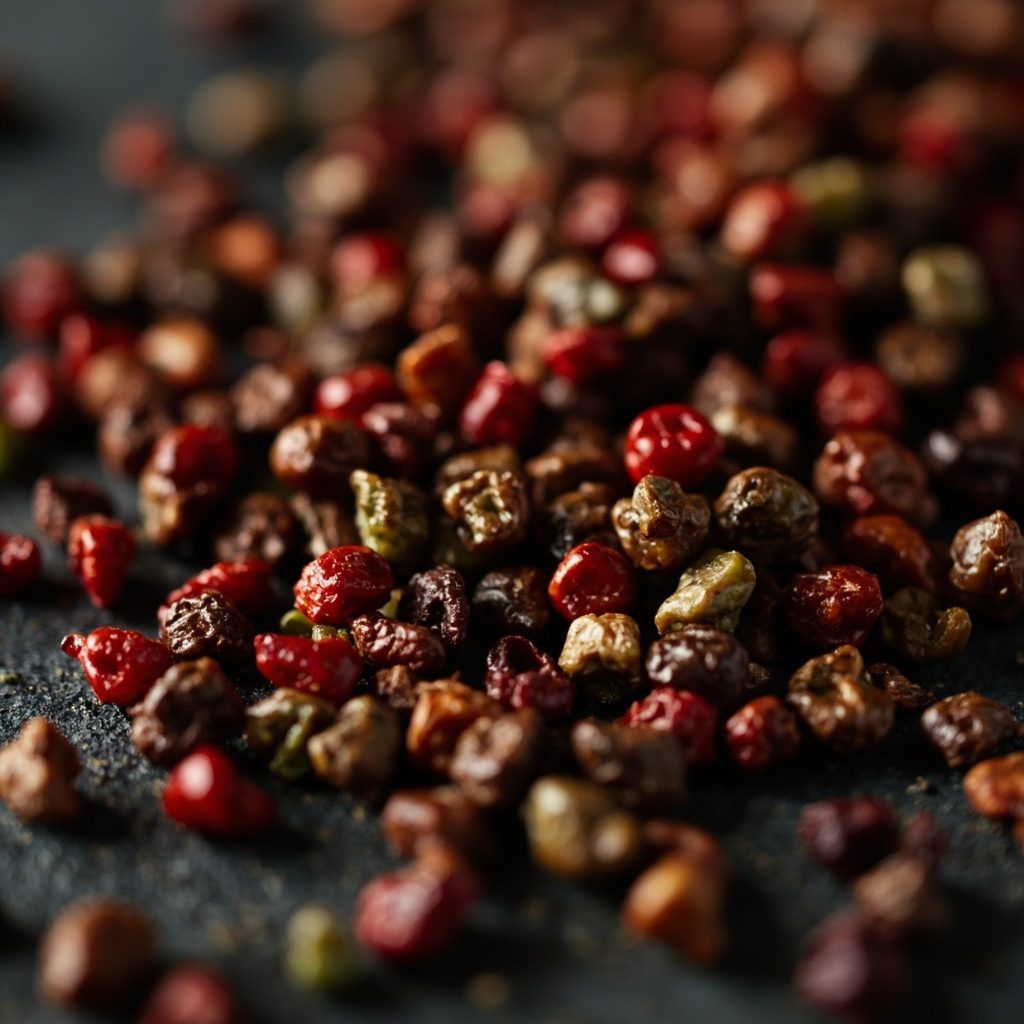
Let me tell you about a sensation that no other cuisine in the world can replicate: the moment Sichuan pepper hits your mouth and your lips start tingling. Your tongue goes slightly numb. There is a vibration, a buzzing, a feeling that is neither taste nor pain. It is something entirely its own.
This is what we call “麻” — the numbing sensation. And it is one of the defining characteristics of our most beloved cuisine.
Here is what foreigners always ask first: why does this pepper make your mouth go numb instead of hot?
## The Question Everyone Asks
Here is what surprises people: Sichuan pepper does not trigger the same receptors as chili peppers. Chili triggers pain receptors — that is why it feels hot. Sichuan pepper triggers a different nerve response entirely, the same nerve that detects vibration and touch. When the compound in Sichuan pepper (hydroxy-alpha-sanshool) hits that nerve, your brain gets a signal that your lips are vibrating, even though they are not.
So technically, “numbing” is not a taste. It is a tactile sensation. Your mouth thinks it is being gently buzzed.
This is why chili-heads and Sichuan pepper-heads are not necessarily the same people. You can love Sichuan food and not be able to handle capsaicin heat.
## Why We Love This Feeling
Here is what foreigners do not always understand: we do not just tolerate the numbing sensation. We seek it out. We love it.
The combination of “麻” (numbing) and “辣” (spicy hot) is what makes Sichuan food unique. It is not just hot. It is hot AND buzzing. It is an experience, not just a flavor.
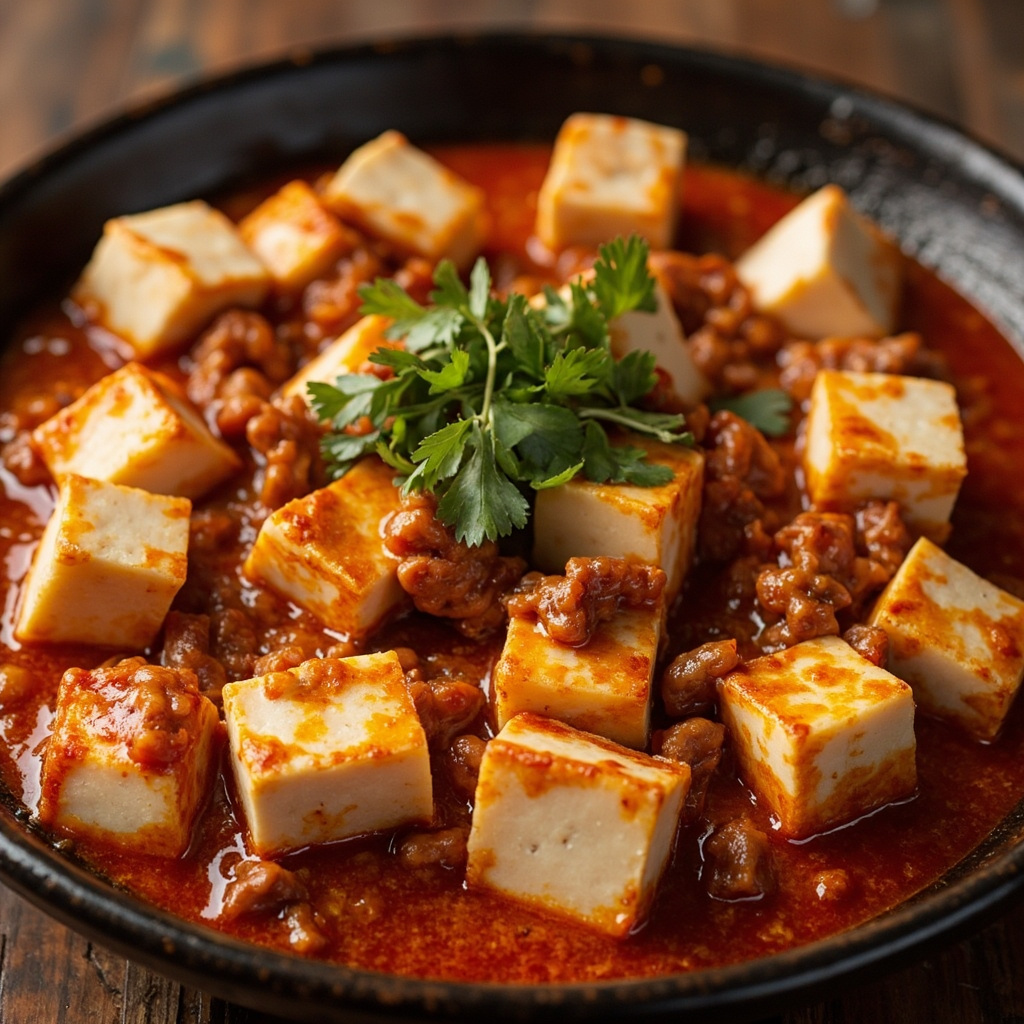
When we eat mapo tofu or dan dan noodles, the numbness actually enhances the other flavors. It makes your mouth more sensitive to salt and umami. It changes the texture of the food in your mouth. The Sichuan pepper is not just seasoning. It is the experience.
## Our Pepper History Is Older Than Chili
Here is what many people do not realize: chili peppers came to China only about 400 years ago, during the Ming Dynasty. But we have been using Sichuan pepper for at least 2,000 years.
Archaeological evidence from the Sanxingdui site shows Sichuan pepper shells from the late Shang Dynasty — over 3,000 years ago — pressed into bronze vessels. We were using this spice before most of what we call “ancient China” even existed.
When chili arrived from the Americas, we did not abandon our native pepper. We combined them. The famous “麻辣” (mala) combination — numbing and spicy together — is our innovation. Chili brought the heat. Sichuan pepper brought the tingle. Together, they created something neither could achieve alone.
## Why Sichuan Pepper Grows Where It Grows
The Sichuan pepper plant is native to our mountains. It grows wild in the mountains of Sichuan and the Qinling range. The climate, the soil, the altitude — these conditions produce the best quality pepper.
This is why we call it “Sichuan” pepper. It is not just a name. The geography matters. The pepper that grows in Hunan or Guizhou is similar but not quite the same. The Sichuan pepper from the mountains of our home province is what we consider the real thing.
Our ancestors did not just discover this pepper. They cultivated it, selected the best varieties, and developed specific uses for specific dishes.
## How We Use It
Here is what surprises foreigners who are new to Sichuan food: we use Sichuan pepper in more ways than just whole peppercorns.
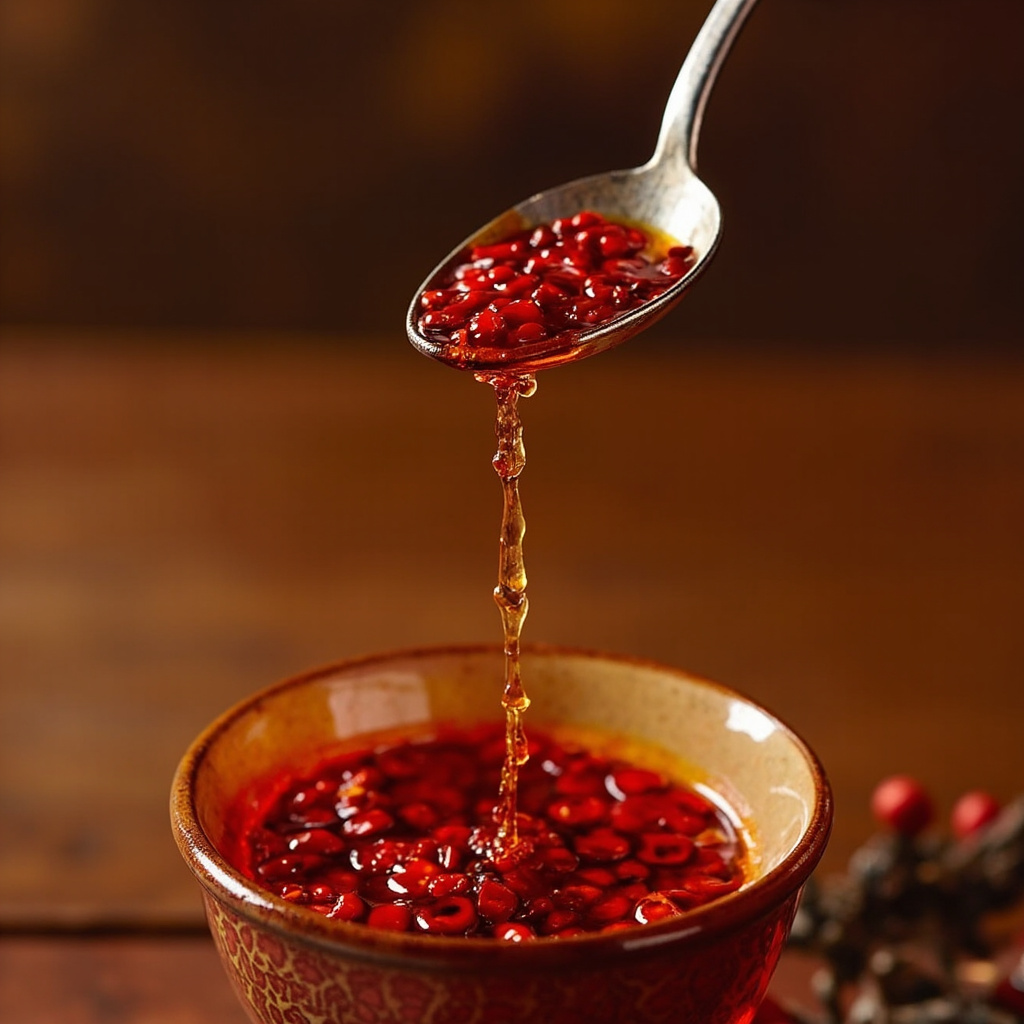
We make 花椒油 — Sichuan pepper oil — by infusing the pepper in hot oil. We use it in 椒盐 — pepper salt — as a finishing seasoning. We mix it into 红油 — the famous red oil — where it floats in a beautiful red suspension, each drop carrying that tingling sensation.
We add it to hot pot broth, where the oil carries the pepper throughout the entire pot. We sprinkle it on noodles, on dumplings, on vegetables. It appears in both meat and fish dishes.
The pepper appears in sweet applications too — some desserts use Sichuan pepper for a surprising kick at the end.
## The Technique Matters
Here is what our grandmothers know: Sichuan pepper is not just about quantity. It is about releasing the flavor correctly.
The pepper needs to be heated — briefly toasted in a dry wok or bloomed in hot oil — before it releases its full aromatic potential. Raw pepper is harsh. Properly cooked pepper is fragrant and tingling without being overwhelming.
This is why our restaurant dishes taste different from homemade attempts. The technique of preparing the pepper — how hot, how long, what oil temperature — matters enormously.
## What Foreigners Should Know
If you are new to Sichuan food, here is my advice:
The first bite of Sichuan pepper can be confusing. Your mouth will feel strange. That is normal. Your brain is processing a sensation it does not recognize.
Give it a few bites. Your mouth will adapt. The numbness becomes pleasant. The combination of heat and tingle becomes exciting.
Start with dishes that use pepper in oil form — the sensation is more gentle, more integrated. Mapo tofu is a good entry point. Dan dan noodles are next level.
Avoid diving straight into a mala hot pot if you are new. That is advanced training.
## The Bottom Line
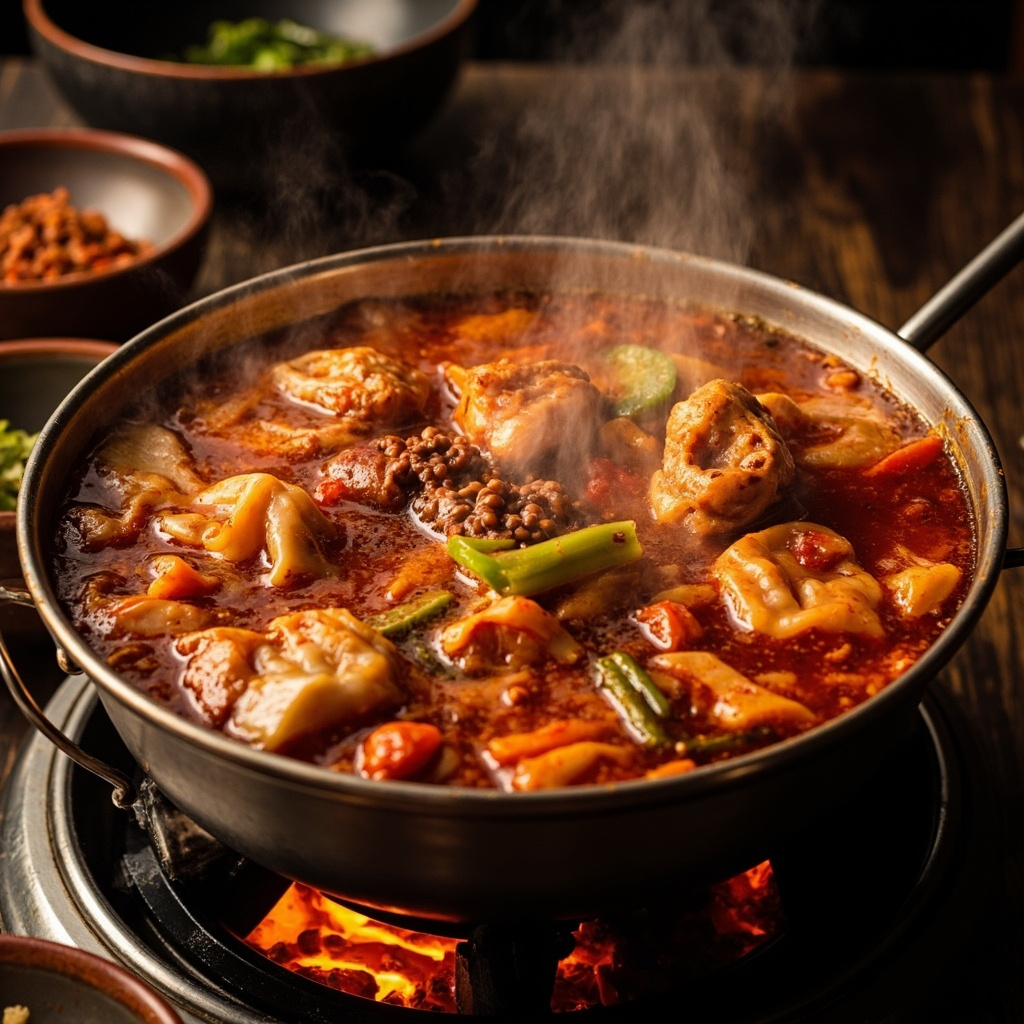
We love Sichuan pepper because it is ours. We discovered it, cultivated it, and turned it into something the world has never quite replicated. When chili came to China from the Americas, we did not forget our native spice. We combined them and created the mala sensation.
This is what Sichuan food is. Not just spicy. Not just numbing. Both at once, in harmony, creating an experience that is entirely ours.
The next time your mouth tingles after a bite of mapo tofu, remember: you are experiencing something that our ancestors discovered over 2,000 years ago and we have been perfecting ever since.