Why Do Chinese People Love Tea?
Why Do Chinese People Love Tea?
Let me tell you about a leaf that shaped our entire civilization: tea.
For us, tea is not just a beverage. It is history, philosophy, medicine, hospitality, and identity all wrapped up in a cup of hot water.
The answer goes back about 5,000 years.
## The Legend of Shennong
Our oldest stories say that tea was discovered by Shennong, the Divine Farmer, around 2737 BCE. The legend goes that Shennong was traveling when he felt sick, and a leaf fell from a tree into the water he was boiling. He drank the water and felt immediately better.
Whether this is literally true does not matter. What matters is that the story captures something real: we have been drinking tea for a very, very long time.
By the time archaeologists started digging, they found evidence of tea cultivation at the Hemudu culture site — around 5000 BCE. We were drinking tea before most civilizations learned to write.
## Why Tea Won Over Other Drinks
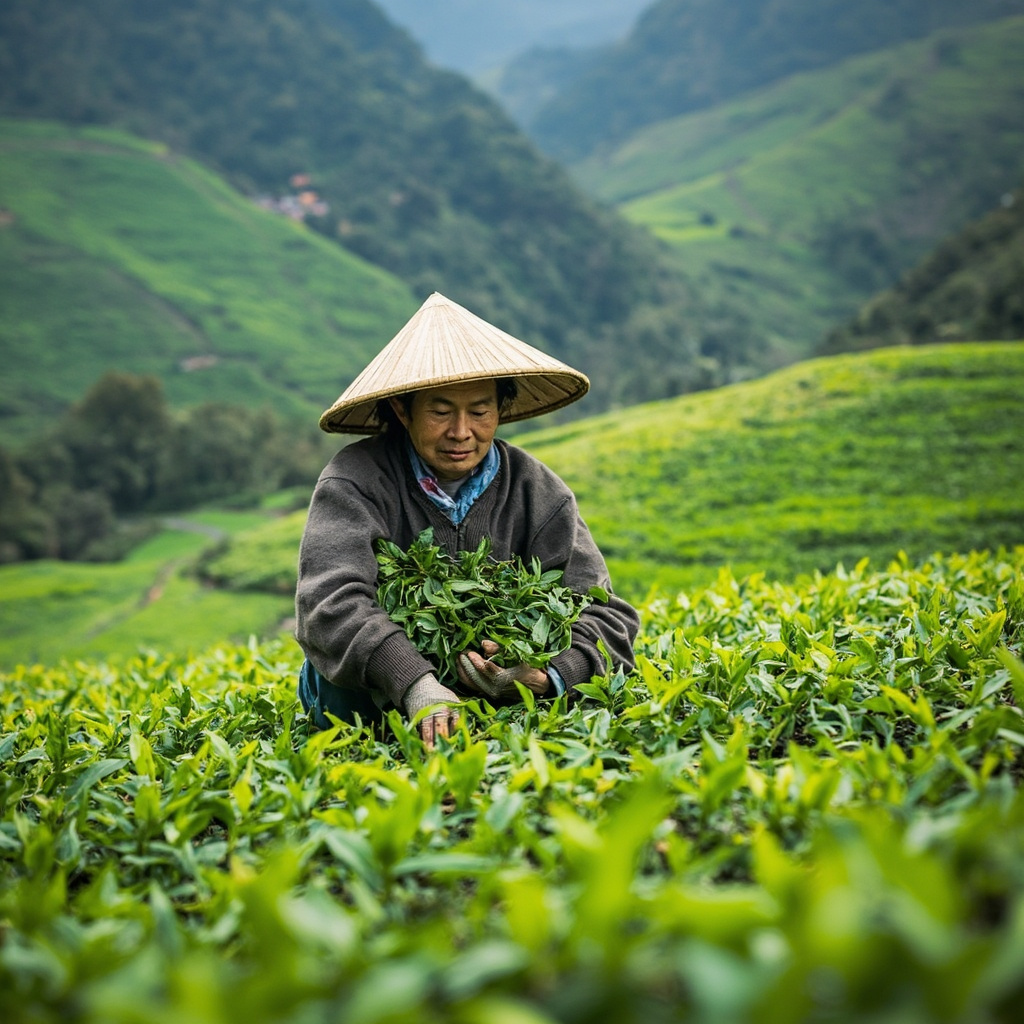
Here is what our ancestors figured out: tea grows well in our climate. The mountainous regions of our country — Sichuan, Yunnan, Hunan — are perfect for tea cultivation. Unlike coffee, which requires very specific conditions, tea is adaptable.
More importantly: our water was not always safe to drink. Boiling water for tea killed bacteria. The tea leaves added flavor that made the water palatable. We discovered something the rest of the world would not figure out for millennia: boiling water saves lives.
This is why tea became our default drink. It was healthy, it was available, and it tasted good.
## The Tang Dynasty: Tea Becomes Art
During the Tang Dynasty, tea transformed from a daily drink into something more. The poet Lu Yu wrote the 茶经 — The Classic of Tea — the world’s first comprehensive guide to tea. This text did for tea what Euclid did for geometry: it systematized everything known about the subject.
Suddenly, tea was not just a drink. It was a discipline. People studied the proper way to grow tea, harvest it, process it, and brew it. Tea houses appeared in every city. The act of drinking tea became a ritual.
This is when tea became embedded in our identity. We were not just drinking tea. We were perfecting it.
## Why We Drink Tea Instead of Coffee
This is a question visitors ask a lot. We have the climate for coffee, but we never developed a coffee culture. Why?
The simple answer: we had tea first. Coffee did not reach China until the late 19th century, and by then, tea was already everywhere. We had 4,000 years of tea tradition. Coffee could not compete.
But there is something deeper. Tea fits our philosophy. The act of brewing tea — the waiting, the pouring, the savoring — aligns with our ideas about balance, patience, and mindfulness. Coffee is quick and utilitarian. Tea is slow and contemplative.
We did not reject coffee. We simply never needed it.
## Tea Is How We Show Hospitality
Here is what surprises visitors: when you visit a Chinese home, the first thing we offer is tea. Not water. Not coffee. Tea.
This is not optional. If we offer you water when you visit, something is wrong. Tea is the default. It is how we welcome guests, how we show respect, how we begin any interaction.
The phrase “茶叙” — tea conversation — means to sit down and talk over tea. Business meetings happen over tea. Family gatherings happen over tea. Friends catching up happen over tea.
When we say “喝一杯” — let’s have a cup — we mean tea, not alcohol. We solve problems over tea. We celebrate over tea.
## The Tea Ceremony We Do Not Talk About
We do not have a formal tea ceremony like Japan. Our tea culture is too casual for that. But we have rituals.
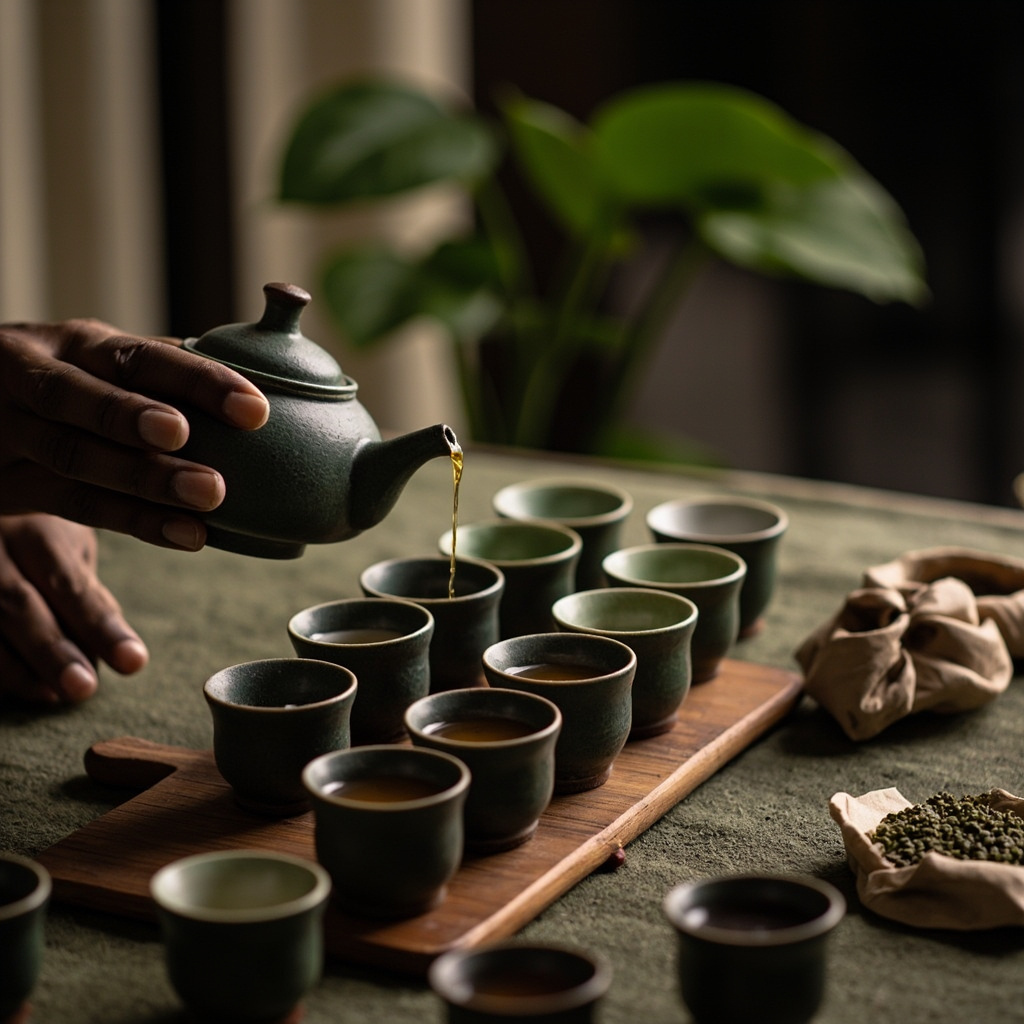
The way we pour tea for guests has rules. You never fill a cup completely — you leave room. You always pour for others before yourself. You tap two fingers on the table when someone pours for you, as a sign of respect.
These are not written down anywhere. Children learn them by watching. They are part of how we are raised.
## Why Tea Is Good For You
Our ancestors did not wait for modern science to figure out that tea is healthy. They knew.
Tea was first recorded as medicine in ancient texts. It was said to “quench thirst, eliminate heat, aid digestion, and refresh the mind.”
Modern research has confirmed what we knew for thousands of years: tea contains antioxidants, improves metabolism, and has compounds that support overall health. We were right. Tea is good for you.
## The Bottom Line
We love tea because tea found us 5,000 years ago and never left. It became part of our identity, our hospitality, our daily ritual.
When you drink tea in China, you are not just drinking a beverage. You are participating in a tradition that predates most of recorded history. You are connecting with every generation of Chinese person who ever lived.
And honestly? Once you get used to good tea, water starts to taste a little boring.
The next time someone asks you why Chinese people love tea, tell them: because tea is older than our civilization, more essential than coffee, and more meaningful than just a drink.
Tell them we figured something out 5,000 years ago that the rest of the world is still learning.