Why Do Chinese People Put Chilis in Everything?
Why Do Chinese People Put Chilis in Everything?
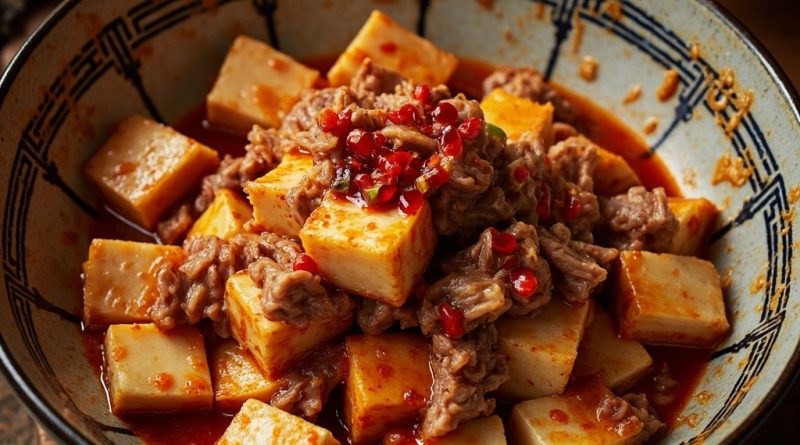
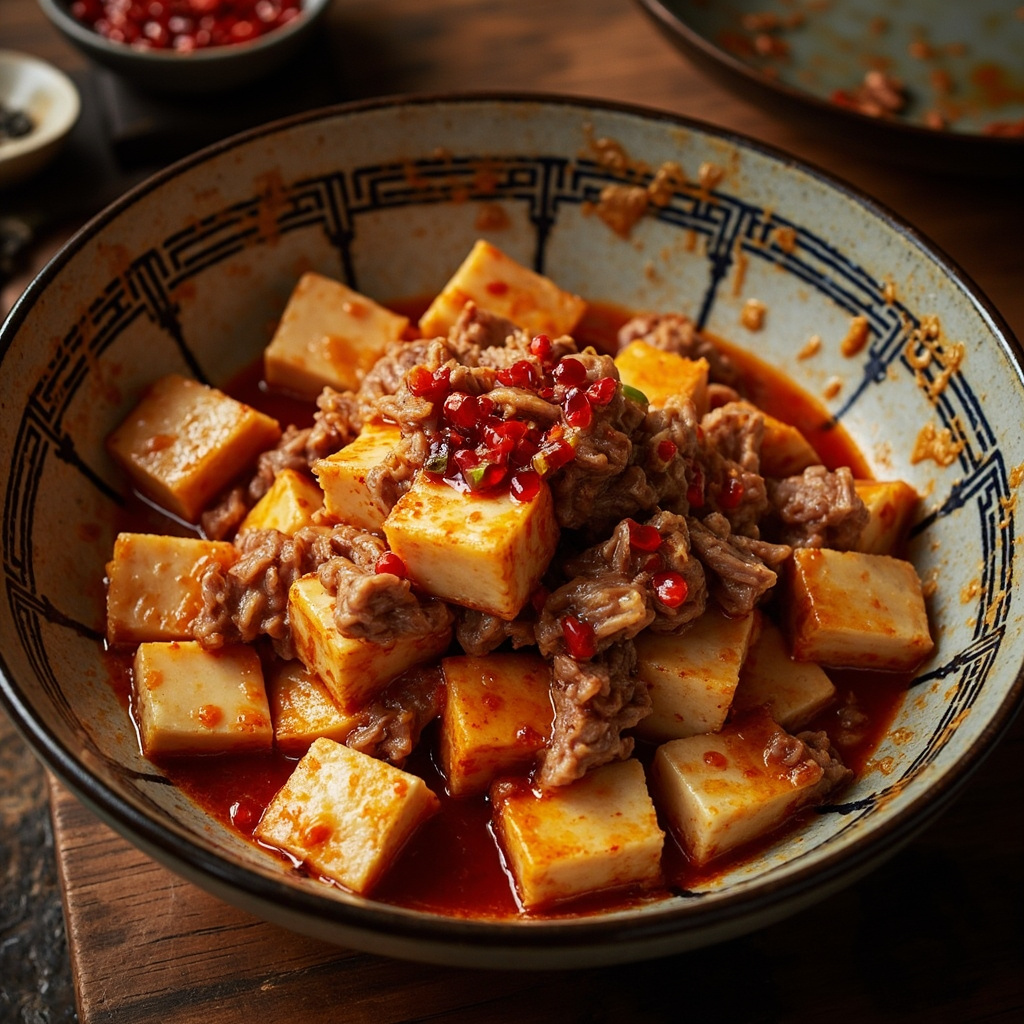
I still remember the first time I ate mapo tofu in Chengdu. My mouth was on fire for twenty minutes. Not the pleasant “wow this is spicy” kind of fire. The actual “did I just burn my entire digestive system” kind of fire.
And the thing is? The Sichuanese person sitting across from me barely noticed. He just kept eating, completely unbothered, occasionally apologizing in that way people do when they forget that not everyone grew up eating chili oil for breakfast.
This is the thing about chili in China: it is not exotic here. It is not a special occasion ingredient. It is just… Tuesday. And understanding why requires throwing out everything you think you know about Chinese food.
## Here Is What Foreigners Always Get Wrong
The assumption most Westerners carry is that Chinese food is “mild” and Asian cuisines are the “spicy” ones. This is backwards.
China is one of the original homes of chili peppers. Not introduced from the Americas later like in India or Thailand. Chili has been growing in Sichuan and Hunan for over 300 years. When you eat Sichuan food, you are eating a cuisine that evolved alongside chili, not one that adopted it from somewhere else.
The second wrong assumption: that “Chinese food” is one thing. It is not. Most foreigners have never been to Sichuan or Hunan. They have eaten Cantonese food in a takeout box. Cantonese cooking is subtle, light, uses ginger and scallion more than chili. But the China that consumes the most chili per capita? That is Sichuan and Hunan, hands down. And their food is not “a little spicy.” It is nuclear.
## The Actual History Nobody Talks About
Chili peppers reached China via the same route that brought corn, potatoes, and tobacco: the Columbian Exchange, starting in the 16th century when European traders hit the Americas and then spread crops everywhere.
But here is the part that surprises people: Chinese people did not just passively receive chili peppers. They domesticated them, hybridized them, and turned chili oil into a cooking medium in a way that no other cuisine has replicated.
The specific pepper varieties that developed in Sichuan (the famous Sichuan peppercorn is actually a different species — the numbing one) and Hunan are genetically distinct from what you find in Mexican or Indian cooking. Chinese chili breeders spent centuries selecting for specific traits: color, oil content, heat level, flavor profile. The result is not one chili but dozens of distinct Chinese varieties.
This is plant science conducted by farmers with no written records, just generations of careful selection. It is equivalent to the breeding sophistication that gave us thousands of tomato varieties in Italy or pepper varieties in Mexico — but nobody talks about it because China and chili is not a story Europeans tell themselves.
## Why Sichuan Specifically Went Crazy
Sichuan is landlocked, sits in a basin, and has humidity that does not drain properly. People there have always had problems with dampness in their bodies — this is Traditional Chinese Medicine thinking, which Western medicine does not endorse but which has been part of Chinese health philosophy for thousands of years.
The folk wisdom is that chili (especially Sichuan peppercorns) help with dampness. They make you sweat, which allegedly releases the dampness from your system.
Modern nutritionists would say: chili peppers trigger endorphin release, which makes you feel good. The ” Sichuan pepper high” is real — capsaicin binds to pain receptors, your brain releases natural painkillers, and you feel euphoric.
So maybe the TCM people and the endorphin people are describing the same thing in different languages.
Either way: people in Sichuan have been eating extreme heat for generations. Their tolerance is not built overnight. It is genetic selection working on human bodies over centuries. The people who could not handle spice literally did not survive as well in that environment, because spicy food was medicine and nutrition. Over time, the population that remained was selected for spice tolerance.
This is not a comfortable thing to think about. But it is probably true.
## The Hunan Question
Hunan is sometimes called “the land of fish and rice” — but it should be called “the land of辣椒” (lajiao, chili).
Hunan food is different from Sichuan food in an important way. Sichuan cooking uses both chili AND Sichuan peppercorns. The combo creates that famous “málà” sensation — spicy plus numbing. Hunan cooking uses primarily dried chilies, and the heat is more direct, more aggressive, more in-your-face.
If Sichuan food is a slow burn with complex notes, Hunan food is getting punched in the mouth.
This difference matters, and most foreigners do not know it. They lump all “spicy Chinese food” together and assume it is all the same. It is not.
## The Real Reason Foreigners Cannot Handle It
Let me be direct: most foreigners who claim they “cannot handle spicy food” are actually people who grew up eating mild European food and then tried Sichuan cooking once and had a bad experience.
The issue is not that chili is inherently unbearable. The issue is tolerance.
Tolerance to capsaicin (the compound that makes chili hot) is almost entirely learned. Babies do not have a tolerance. Children who grow up in Sichuan develop it. Children who grow up in Stockholm do not.
You can develop tolerance. I have seen it happen. The key is gradual exposure over months, not one heroic attempt to eat a plate of laziji chicken and declare spicy food is not for you.
The mechanism: capsaicin binds to receptors in your mouth called TRPV1 receptors. With repeated exposure, these receptors become less sensitive. What felt like “fire” eventually feels like “warmth.” What felt like “warmth” eventually feels like “not enough.”
The people who say “I could never develop a tolerance” are usually people who tried once, got hurt, and decided it was not worth it. That is fine. But it is not biology. It is choice.
## What Nobody Tells You About Chili Oil
Here is the thing that blows people away: in many Chinese homes, chili oil is not even considered “spicy.” It is considered a condiment, like ketchup. You put it on everything. Noodles? Chili oil. Dumplings? Chili oil. Even plain rice sometimes.
The assumption Westerners make is that chili = pain. But in Chinese culinary culture, chili is more like… salt. It is a seasoning. You add it to food to make it more interesting. The goal is not to make food so hot that you suffer. The goal is to make food stimulating enough that your palate stays engaged.
This is a fundamentally different relationship with heat than most Westerners have. For a typical American, “spicy” means “can I handle this or not?” For a Chinese person raised on chili, “spicy” means “is this boring or interesting?”
The question is not “is this too hot?” The question is “does this have enough flavor?”
## The Dark Side Nobody Talks About
Let me complicate the narrative a bit, because the “chili is wonderful and ancient” story is only half the story.
In rural Sichuan and Hunan, there are communities where children are fed chili oil from infancy. I am talking babies, not toddlers. The belief is that it builds tolerance and strengthens the digestive system. Medical professionals would say this is hard on an infant is developing digestive system and can cause long-term problems with stomach lining.
There are also data suggesting that populations in regions with extremely high chili consumption have elevated rates of certain digestive system cancers. The research is not conclusive — correlation is not causation, and these regions also have other lifestyle factors — but the question is being studied seriously.
None of this means chili is evil or that Sichuan food is dangerous. It just means that the “chili is healthy” narrative that circulates in wellness circles is probably overstated. Everything in moderation includes chili.
## The Actual Answer
So why do Chinese people put chilis in everything?
The full answer is: because they can. Because they have been doing it for hundreds of years. Because their cuisine developed in regions where chili grew well and became embedded in the culture. Because tolerance is learned and once you have it, mild food feels boring. Because the endorphin rush is real and addiction to it is a thing. Because their grandmother put chili oil on everything and their grandmother is never wrong about food.
And maybe also because, when you strip away all the history and biology and cultural context, chili just makes food taste better. That is the simplest explanation and probably the truest one.
The next time you are in a Sichuan restaurant and the host recommends the spicy dish, maybe try it. Not because it is good for you. Not because it is healthy. Not because of tradition.
Just because sometimes food should make your mouth do something it does not do every day.
