Why Do Chinese People Use Chopsticks Instead of Forks and Knives?
Why Do Chinese People Use Chopsticks Instead of Forks and Knives?
Here is a question that has probably occurred to every foreigner who has sat down at a Chinese restaurant: why do these people insist on eating with two thin sticks?
It is not a dumb question. Using chopsticks to eat is genuinely counterintuitive if you did not grow up with them. The logic of a fork — stab something, bring it to your mouth — is obvious. The logic of chopsticks — pinch something, bring it to your mouth — requires actual practice.
And yet 1.3 billion Chinese people manage just fine. So what is the deal?
## The Short Answer: Cooking
Here is what most foreigners do not know: chopsticks were not originally invented for eating. They were invented for cooking.
Back in the Neolithic era, Chinese people were boiling their food in large pots of water. The pot was too hot to touch directly. So people used两根细棍 (two thin sticks) to grab pieces of food out of the boiling water. This was practical. Nobody wanted to burn their fingers retrieving a piece of meat from a pot of boiling soup.
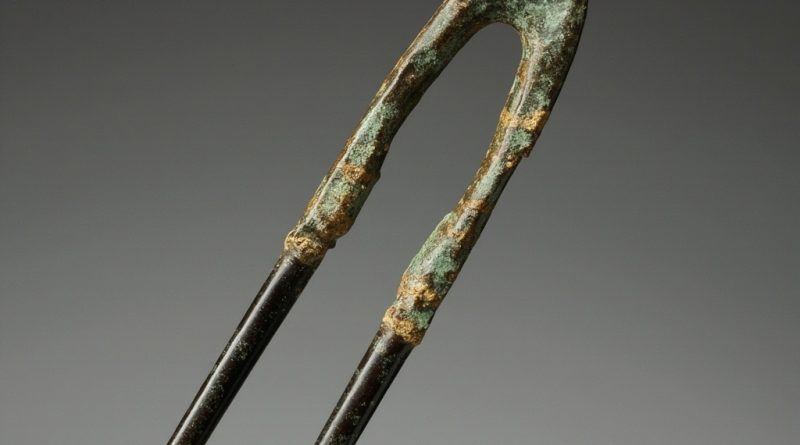
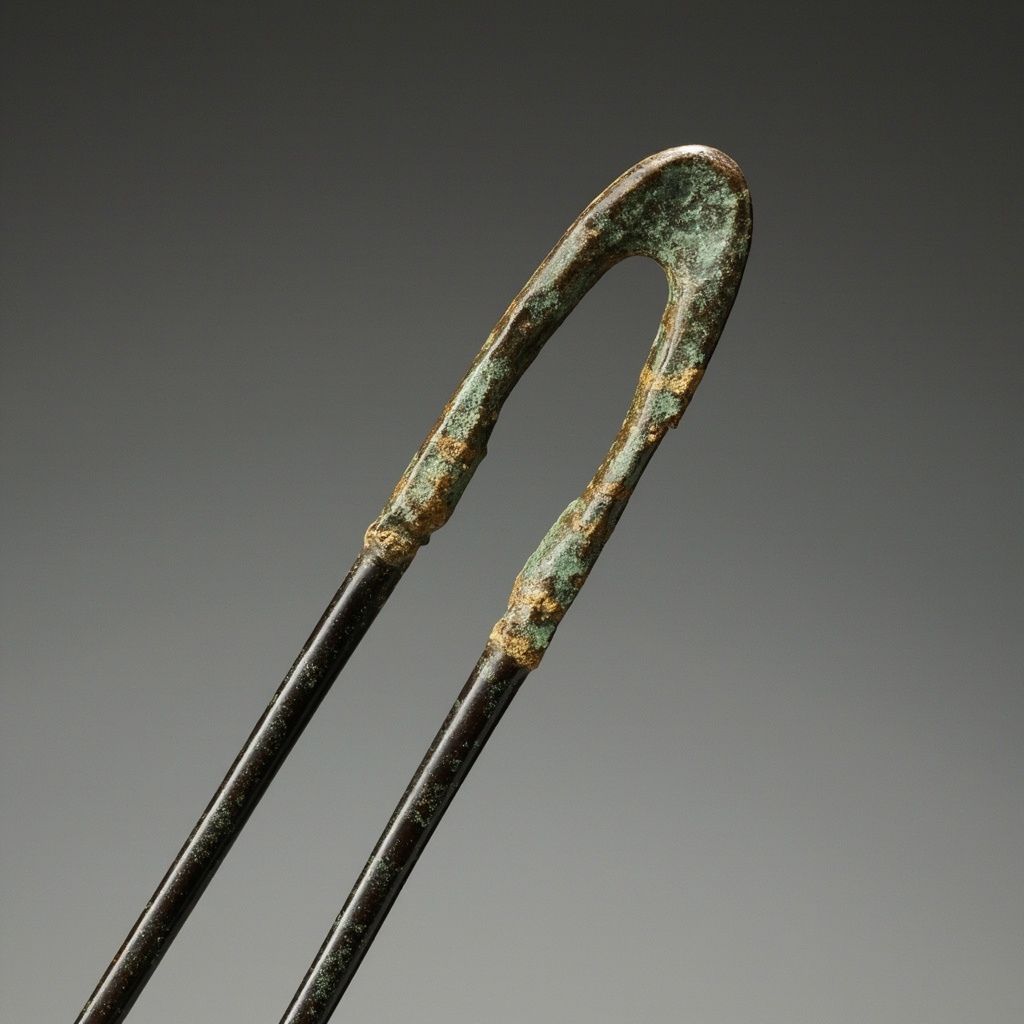
The earliest confirmed chopsticks date to around 1200 BCE, during the Shang Dynasty. Archaeological finds in Yin Xu (the ruins of the Shang capital) have revealed bronze chopsticks. Which means the people using them were not peasants — they were royalty. Bronze was expensive. Only rich people had bronze chopsticks.
This tells us something interesting: chopsticks started as a cooking tool, graduated to a dining tool, and for a long time remained a privilege of the elite before eventually becoming universal.
## The Fork Is Actually the Weird One
Most people grow up thinking the fork is the normal, natural way to eat. It is not. The fork is a relatively recent European invention — it did not become common in Western dining until the 18th century.
Before forks, Europeans ate with their hands, with spoons, or with knives. The knife-at-table tradition in Western dining exists because people used to bring their own knives to the table and cut their own meat. The fork replaced the hand as the primary utensil for solid foods, and the rest is dining etiquette history.
So when Chinese people look at Western dining customs, they are equally puzzled. Why do you need a separate utensil for every different type of food? Why does your knife stay on the table while your fork comes up to your mouth? Why are there so many pieces of silverware?
The question cuts both ways.
## What Chopsticks Say About Chinese Food
The existence of chopsticks is not unrelated to the way Chinese food is prepared and served. Here is the connection:
Chinese cooking relies heavily on stir-frying — small pieces of food cooked quickly over high heat. When you cut your ingredients into small, uniform pieces before cooking (which Chinese recipes typically require), you do not need a knife at the table. The food is already bite-sized.
This is different from Western cooking, where a main course often features a large piece of meat — a steak, a roast chicken, a pork chop — that you cut at the table. The knife stays because the food needs cutting.
In Chinese dining, the knife is in the kitchen. The cook has already done the cutting. What arrives at your table is ready to eat with chopsticks.
This extends to the serving style too. Chinese meals are served family-style, with multiple dishes in the center of the table. Everyone uses their own chopsticks to grab from the communal plates. If you were using forks, you would need a separate fork for every dish, or keep switching forks. With chopsticks, one pair does the job across all dishes. More efficient.
## The Size Matters
Not all chopsticks are the same, by the way. If you have eaten at Chinese, Japanese, and Korean restaurants, you have probably noticed the differences.
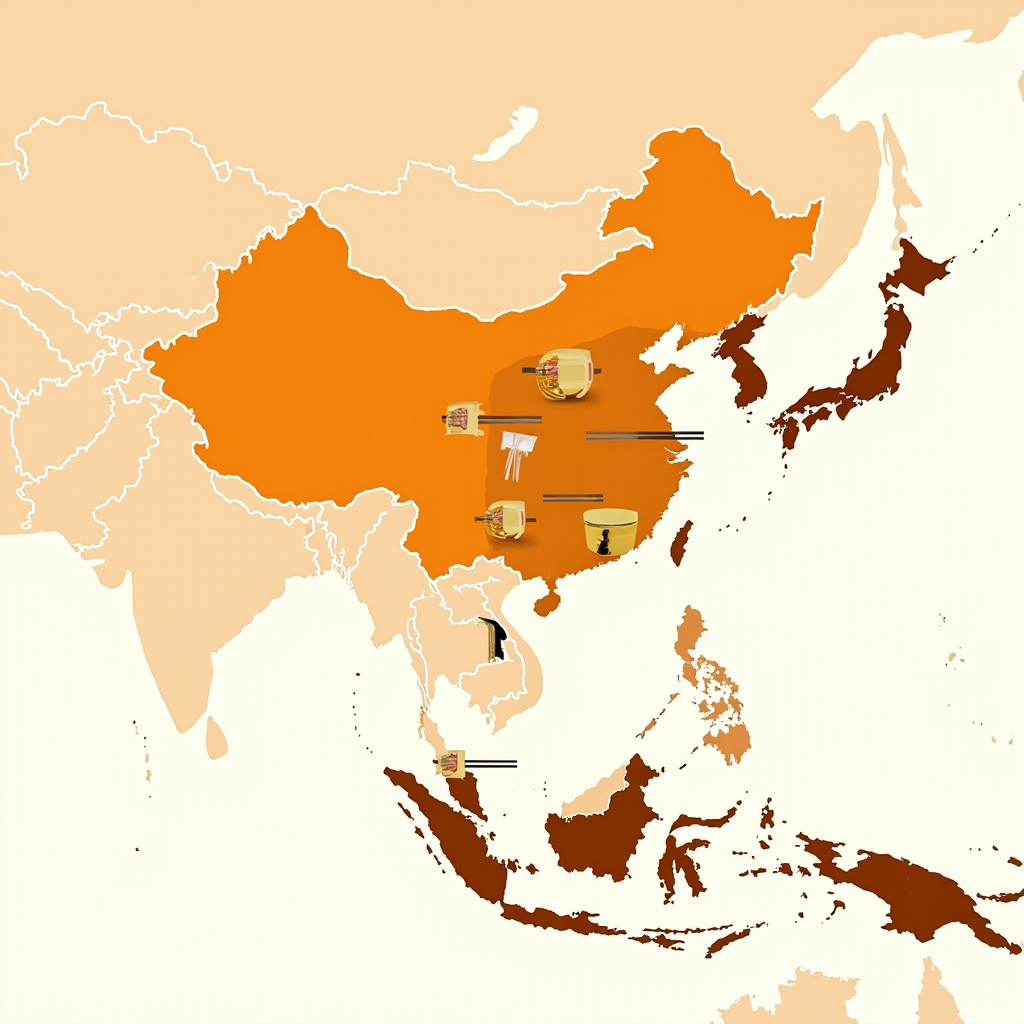
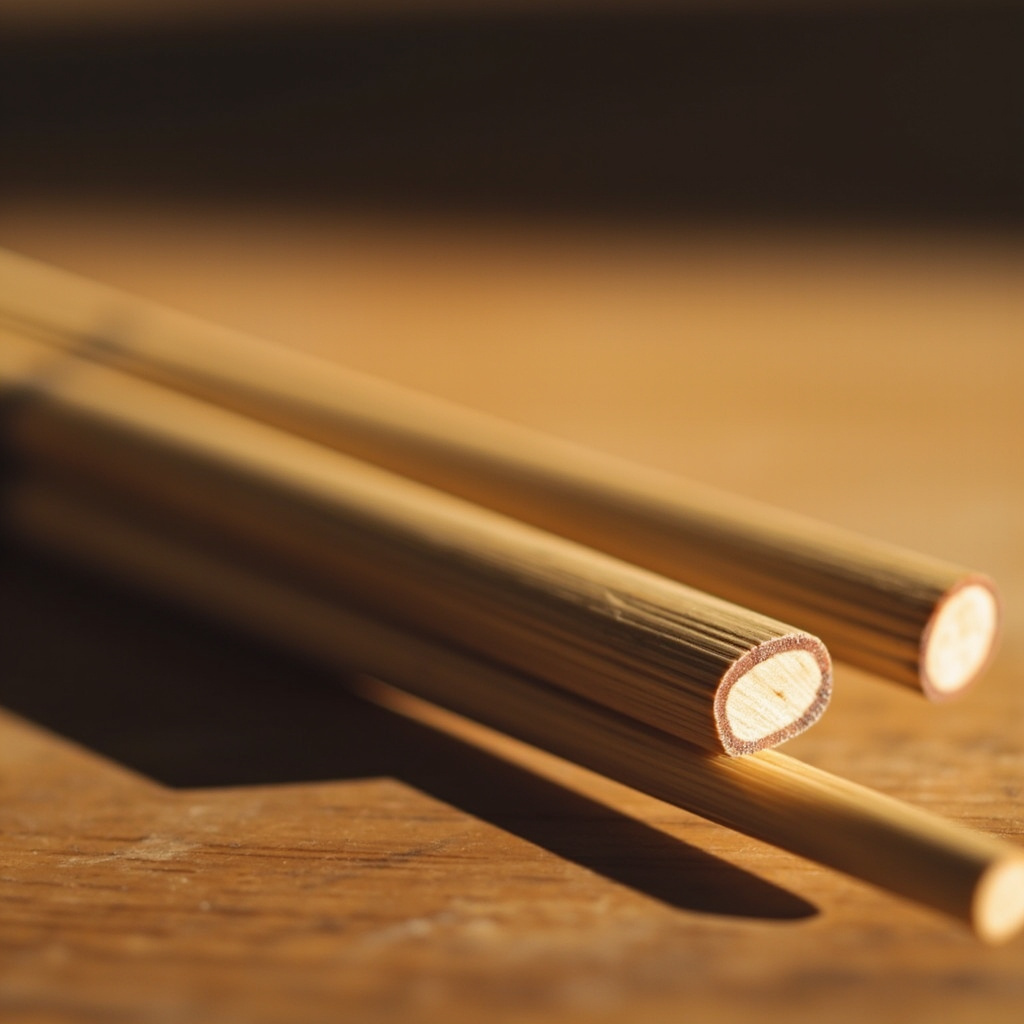
**Chinese chopsticks** are the longest — usually 22 to 35 centimeters. The extra length comes from the dining style: with multiple dishes on a table, you need reach. Chinese chopsticks are also usually round or square with rounded ends, made from bamboo or wood.
**Japanese chopsticks** are shorter and have pointed tips. This makes sense given the Japanese dining style, which features more individual portions and foods like fish that need careful bone removal. The point helps with precision work.
**Korean chopsticks** are metal and flat — which surprises most people the first time they encounter them. The flat shape makes them less likely to roll off the table (a practical concern) and the metal is more durable and hygienic, fitting Korean culinary traditions of grilled and shared dishes.
If you cannot use chopsticks gracefully, you are probably using Chinese chopsticks. They are harder to master than the Japanese version, which is more forgiving due to the point.
## The Etiquette Problem
Foreigners often find Chinese chopstick etiquette intimidating. There are rules. Some of them make sense; some of them seem designed to confuse visitors.
Standing chopsticks vertically in a bowl of rice is taboo — it looks like incense at a funeral and reminds people of death. Pointing with chopsticks is considered rude. Passing food from chopstick to chopstick (instead of using the other end) is also not done.
But here is one that surprises people: you are supposed to use the opposite end of your chopsticks to take food from a shared plate. The end that goes in your mouth is your end. The other end is the serving end. This is actually more hygienic, and some argue it originated as a form of 公筷 (shared chopsticks) before China officially invented the shared utensil concept.
The real rule is simple: if you are not sure, watch what the Chinese person next to you is doing and do the same. This works in most situations.
## Why Chopsticks Stuck Around
Here is a question worth asking: why did chopsticks never get replaced by forks in China, the way they were in most of the rest of East Asia?
Japan adopted chopsticks from China but later developed their own dining culture around them. Korea also uses chopsticks but switched to metal (probably for durability and the practical benefits mentioned above).
China kept the original bamboo/wood design and never really experimented with forks. Why?
Part of the answer is culinary. Chinese cuisine, with its stir-fried pieces, its shared dining style, and its emphasis on rice as the foundation, simply did not create a need for the fork. The chopsticks worked perfectly.
Another part of the answer is cultural inertia. By the time Western dining customs spread globally, China had its own deeply embedded food culture and was not in a position where foreign customs were being imposed. When missionaries tried to introduce forks to Qing Dynasty China, they largely failed. The Chinese food system was too developed, too sophisticated, and too self-contained to need modification.
## The Bottom Line
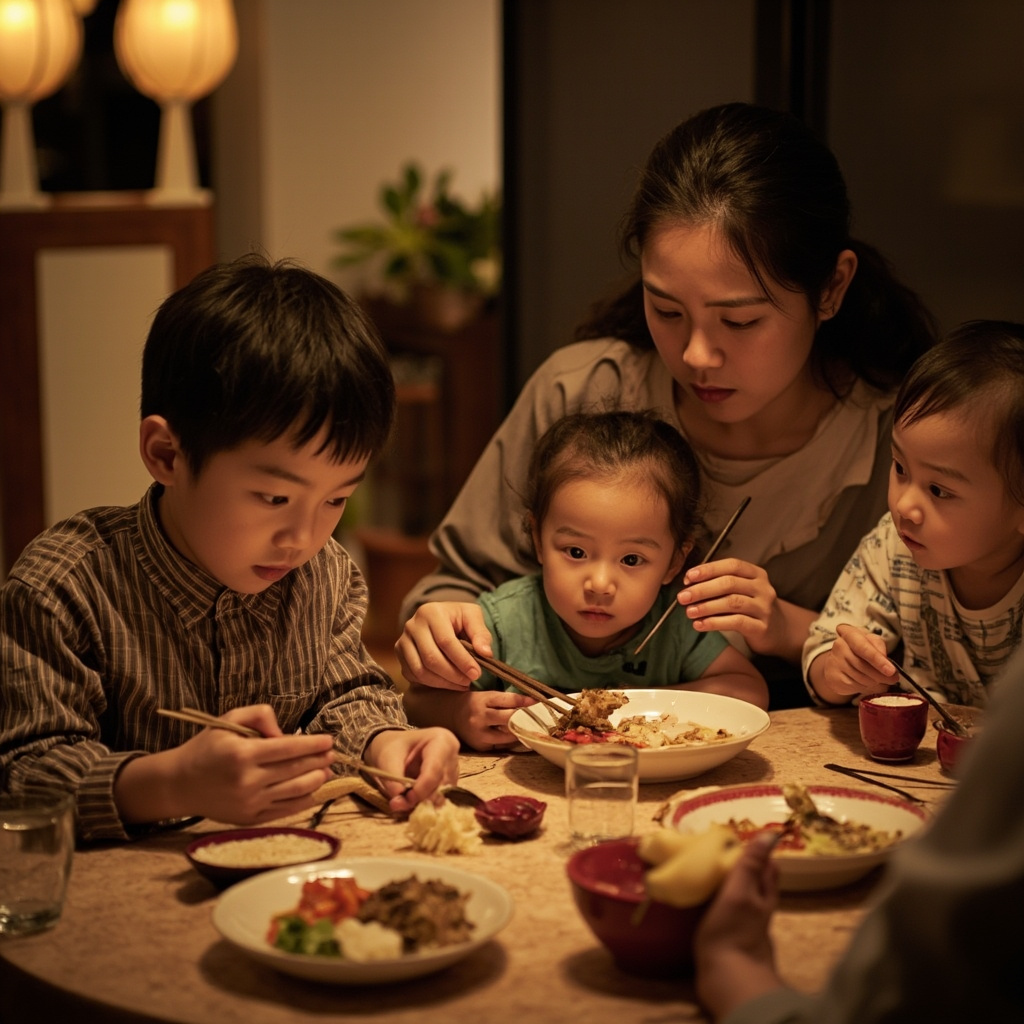
Chinese people use chopsticks instead of forks because chopsticks are the right tool for Chinese food. Not philosophically right — practically right. The cooking style, the portion sizes, the shared dining format, the ingredient preparation — all of it fits chopsticks.
The fork would be awkward for most Chinese dishes. Try eating a bowl of noodles with a fork. Or using a fork to grab a piece of tofu from a shared hot plate. It can be done, but it is not better.
So next time you are struggling to pick up a piece of meat with your chopsticks, remember: you are not bad at chopsticks. You are just working against the grain of your own culinary background. Chinese children spend years practicing. By the time they are ten, they can do things with chopsticks that look like a magic trick to outsiders.
You will get there. Probably.