Why Do Chinese Surnames Come First Before Given Names?
Why Do Chinese Surnames Come First Before Given Names?
Here is what confuses every foreigner meeting Chinese people for the first time: the name order.
Western convention puts given names last. John Smith. Mary Jones. The family name comes first because family matters most.
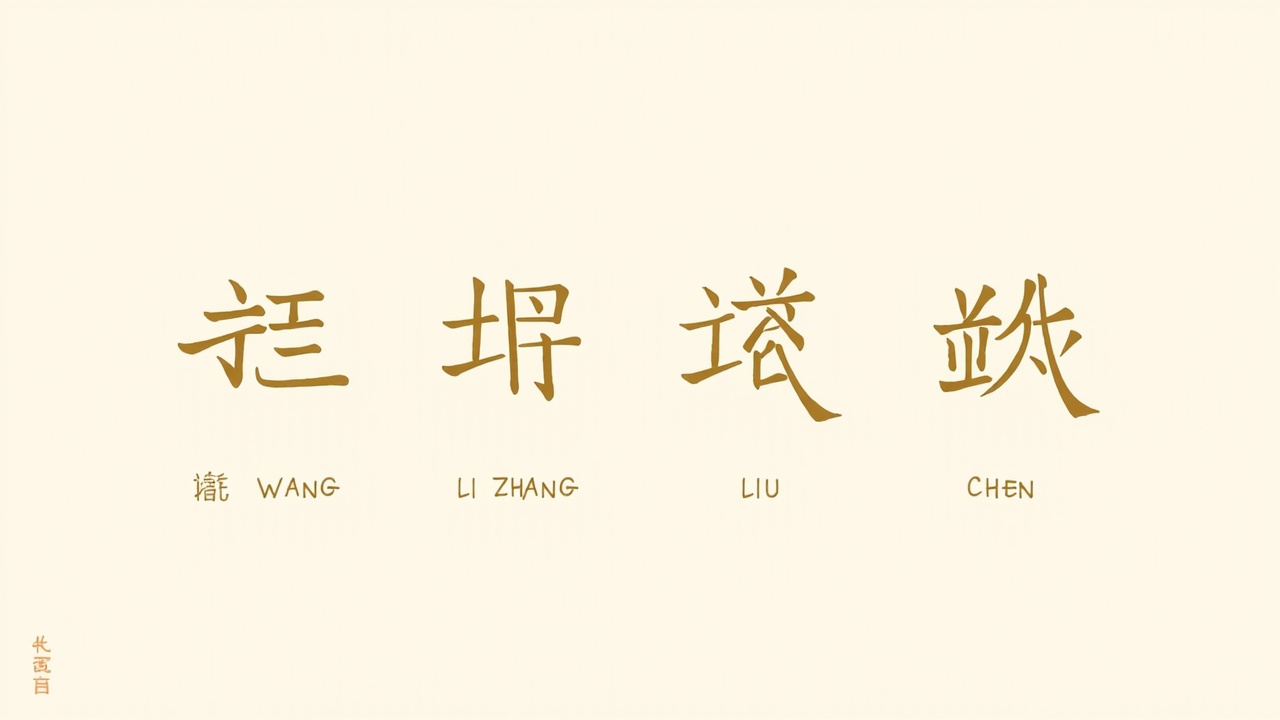
But in China, the opposite. Li Wei. Wang Xiaoming. Chen Ailing. The surname comes first, the given name second.
This reversal frustrates foreigners constantly. They memorize Chinese names backwards. They accidentally call people by their given names when they mean to show respect.
Yet this is not confusion at all. It is a different philosophy. A different understanding of identity. A different answer to the question: who are you?
Here is why Chinese names put surnames first, and what this reveals about Chinese culture.
## The Ancient Surname System
Here is what many people do not realize: the Chinese surname system predates most Western civilizations.
Chinese surnames have existed for over 4,000 years. The earliest written records show family names used during the Shang Dynasty, from 1600 to 1046 BCE.
The original Chinese surname system was nothing like today. During ancient times, surnames indicated which clan you belonged to. They were matters of tribe and lineage, not individual identity.
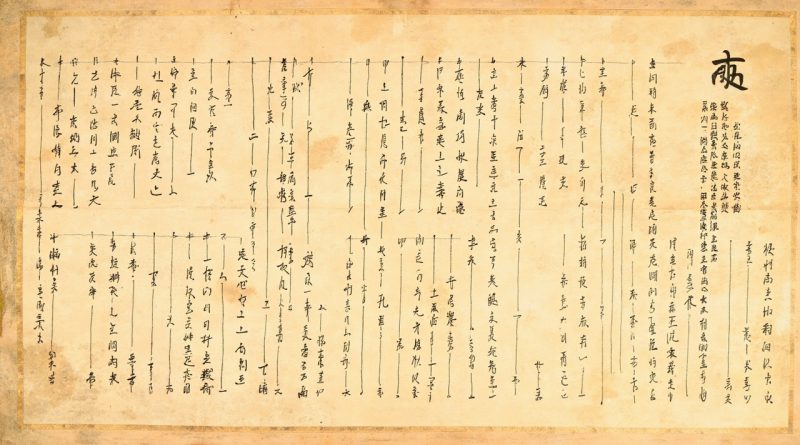
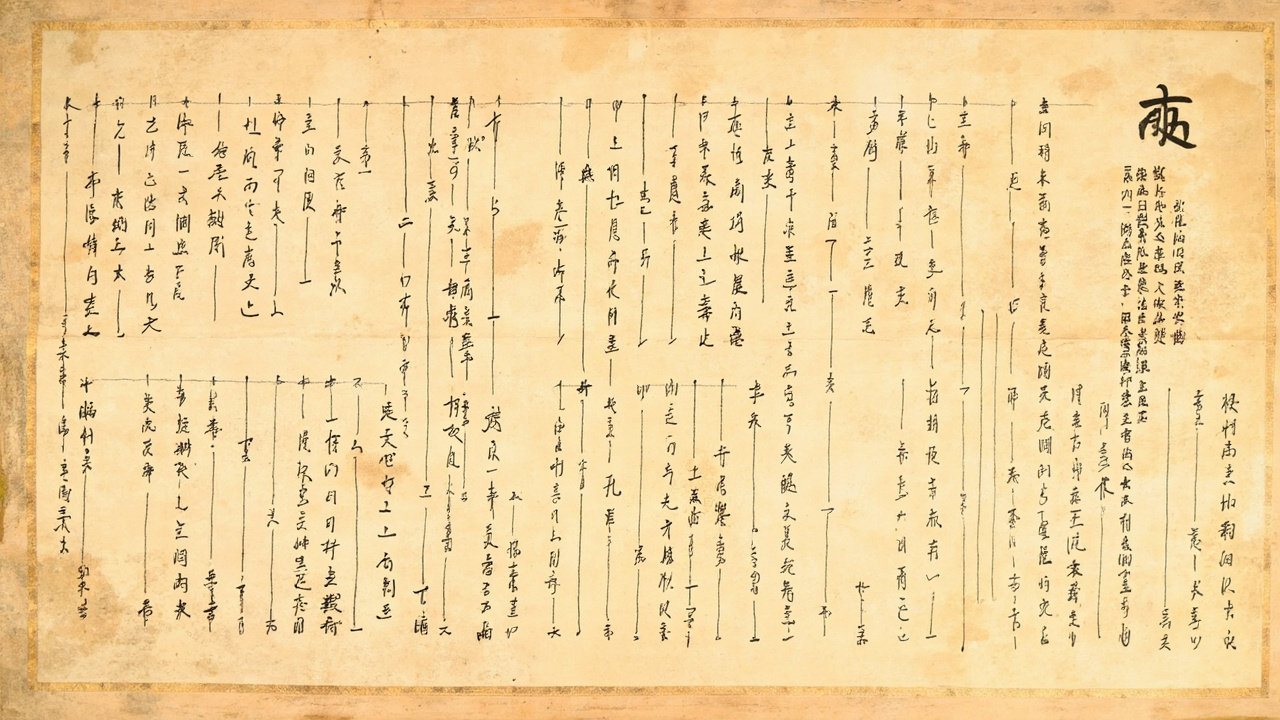
The famous Hundred Family Surnames document appeared during the Song Dynasty. It listed the most common surnames in order of social importance at the time. Wang (king) came first because the imperial family held that name.
This historical depth matters. Chinese people do not follow some arbitrary naming convention. They participate in a system that stretches back to the Bronze Age. Their family name connects them to thousands of years of ancestors who carried the same designation.
## The Philosophy of Family First
Here is the deeper meaning: surname-first naming reflects a fundamentally different understanding of self.
In Western tradition, individual identity stands primary. You are John Smith, a unique person who happens to belong to the Smith family. Your individuality comes first.
In Chinese tradition, family identity comes first. You are a Wang, descended from Wangs. Your individual name exists within the context of your family line.
This philosophical difference shapes everything. Western children are taught to develop their own unique talents. Chinese children are taught to honor their family name. Your actions reflect on your entire lineage. Shame carries across generations.
When a Chinese person introduces themselves, they do not just say their name. They announce their family. The surname represents ancestors going back thousands of years. The given name represents the individual within that family context.
This philosophy explains why changing your name is unthinkable. Your surname connects you to your entire existence. To discard it would sever your link to ancestors and descendants alike.
## The Social Structure
Here is what the naming order really represents: a social organization system.
Chinese surnames originally indicated tribal affiliation. During ancient times, people with the same surname actually shared common ancestry. The surname was not arbitrary. It marked genuine kinship.
This kinship system shaped Chinese civilization. People with the same surname formed networks of mutual obligation. They helped each other financially. They provided social support. They looked out for each other in business and politics.
This clan system explains why Chinese surnames clustering matters so much. In any Chinese village, certain surnames dominate. Families with the same surname often claim descent from a common ancestor, even when genealogical records prove otherwise.
The surname-first naming convention reminds everyone of this social structure. Your surname identifies your clan network. Your given name distinguishes you within that network. Together, they locate you precisely in Chinese society.
Foreigners often do not understand this. They see Chinese names as arbitrary identifiers, like Western names. But Chinese names carry social information that Western names cannot contain.
## The Practical Consequences
Here is what this naming order actually changes in daily life: almost everything.
Chinese names sound different when spoken. Without the surname first, the rhythm would feel wrong. Native speakers immediately recognize foreign-accented name order. It marks you as someone who does not understand the system.
Business cards follow surname-first order. Email signatures use surname-first order. Official documents list names surname-first. This consistency creates automatic familiarity for native speakers but constant confusion for foreigners.
The given name in Chinese culture often carries more personal meaning than Western given names. Parents choose names carefully. They select characters with positive meanings. They consider how the name sounds when combined with the surname.
This naming care reflects Chinese attitudes toward language. Every character carries weight. Every name choice matters. To reverse the order would shuffle this careful construction into something that sounds awkward or meaningless.
## The Generational Element
Here is what surprises many foreigners: Chinese given names often follow generational patterns.
Within a single family, cousins share a name element. This common element indicates shared generational position. It allows strangers to immediately identify possible familial relationships.
When meeting a Chinese person, asking their generational name element creates immediate connection. Discovering shared generational naming reveals possible distant kinship. The surname-first convention makes this discovery easier because the surname establishes the family, and the given name reveals the generational element.
Western names lack this generational structure. Cousins might share grandmother’s maiden name, but this is coincidence rather than intentional design. Chinese naming incorporates family planning in ways Western culture never developed.
This generational thinking shapes Chinese family relationships. uncles and aunts by marriage might carry the same generational name element as parents. The naming creates parallel family structures that cross traditional kinship boundaries.
## The Foreigner Challenge
Here is what makes Chinese names difficult for foreigners: the entire naming philosophy differs.
Westerners memorize Chinese names by repetition. They learn to say the surname first through drill. But this memorization lacks understanding. The name order feels arbitrary because the philosophy behind it remains invisible.
Many foreigners eventually adopt Chinese-style name order when living in China. They select Chinese surnames for business use. They accept that Chinese colleagues will use these surnames rather than their given names.
This adoption is not merely practical accommodation. It represents genuine appreciation of Chinese philosophy. The surname-first order makes sense when you understand that family identity precedes individual identity.
Some foreigners never adjust. They insist on being called by their given name first. Chinese colleagues accommodate this preference, but the accommodation marks the foreigner as someone who does not truly understand Chinese culture.
The naming order serves as a test. Does this foreigner respect Chinese conventions enough to learn them? Or does this foreigner expect Chinese society to accommodate Western preferences?
## The Written Dimension
Here is what complicates everything: Chinese characters carry meanings that Western letters cannot.
A Chinese surname is not merely a sound. It is a combination of characters that might mean mountain, water, fire, or field. The meaning attaches to the family identity.
Chinese given names similarly carry character meanings. A name might mean eastern, precious, harmony, or wisdom. Parents select characters for their meanings as much as their sounds.
When written in pinyin romanization, these meanings disappear. Li Wei might romanize as Lee Way or some other variation depending on which characters the name uses. The same pronunciation can represent completely different characters and meanings.
This written dimension explains why Chinese people often insist on proper character usage. A name written incorrectly changes its fundamental nature. The surname with wrong characters might reference an unrelated family entirely.
Foreigners who learn to read Chinese begin understanding this dimension. They see the character meanings embedded in names. They stop treating names as arbitrary sound combinations.
## The Global Context
Here is what puts everything in perspective: surname-first naming is not uniquely Chinese.
Korean names follow surname-first convention. Japanese names can use either order depending on context. Vietnamese names traditionally put surnames first though modern usage varies.
East Asian naming conventions share common philosophical roots. Family-centered societies across the region developed similar solutions to the naming problem. The Western given-name-first convention represents a cultural exception, not a universal standard.
This regional perspective helps explain why reversing name order for international use creates confusion. When Chinese names appear in Western-style documents, the surname-first order disappears. Chinese people must explain that their family name appears first, not last, whenever filling out international forms.
The expectation that everyone will use given-name-first ordering assumes Western convention is universal. Chinese convention suggests otherwise. Neither is wrong. They simply reflect different cultural priorities.
## The Modern Adaptation
Here is what has changed recently: Chinese diaspora communities face constant name order negotiation.
When moving to Western countries, Chinese immigrants must choose. Should they maintain surname-first ordering and constantly explain it? Or should they reverse their names for Western convenience?
Most choose adaptation. They put given names first on Western documents. They accept Western business cards. They answer to Western-style name order.
But family gatherings maintain traditional order. Chinese names in domestic contexts preserve the original sequence. The adaptation is situational, not absolute.
Second-generation Chinese growing up in Western countries often struggle with this duality. Their Chinese names feel foreign. Their Western names feel inauthentic. The surname-first convention reminds them that their identity spans two cultural frameworks.
Some refuse adaptation entirely. They insist that Western institutions learn Chinese naming conventions. This insistence demands cultural accommodation that Western society often resists providing.
## The Official Recognition
Here is what surprised many people when it became news: international organizations now recognize Chinese naming conventions.
Chinese passport holders have their names printed surname-first as required. International forms now sometimes offer dual-column entry for names. Some universities have stopped requiring Chinese students to reverse their names.
This recognition came through decades of advocacy. Chinese communities abroad pressed for accommodation. Chinese government representatives negotiated for proper name ordering in official documents.
The victory represents more than naming convenience. It represents acceptance that Chinese culture need not subordinate itself to Western conventions. The surname-first order has earned global recognition as legitimate and correct.
## The Business Card Ritual
Here is what every China visitor must learn: business cards are serious business.
When exchanging business cards in China, the ritual matters. You present your card with both hands, name facing toward the recipient. You receive their card with both hands. You study it respectfully before placing it carefully, never in your back pocket.
The name order on these cards follows Chinese convention. Foreigners presenting cards with given-name-first ordering mark themselves as unsophisticated. Chinese colleagues quietly judge this error.
Taking notes on someone’s card during the exchange is appropriate. The name order tells you immediately how to address this person. Mr. Li. Ms. Wang. The surname provides the title of respect.
Business card translation requires similar attention. When translating Chinese names for Western documents, you must reverse the order. But you must also clearly label which is surname and which is given name, because the labels themselves carry meaning.
## The Truth
So why do Chinese surnames come first before given names?
Because Chinese culture prioritizes family over the individual. Because names reflect social structure rather than personal identity. Because the surname connects you to ancestors stretching back thousands of years. Because your given name distinguishes you within your family line rather than establishing individual uniqueness.
Because this convention makes perfect sense within Chinese philosophy. It only appears backwards from the perspective of Western culture, which happens to be the dominant global framework, not a universal standard.
When you meet a Chinese person, understanding their name order means understanding their culture. The surname first reminds everyone that we exist within families, not apart from them. Our ancestors precede us. Our descendants will follow.
That is why Chinese names put surnames first. It is not error. It is philosophy made visible in daily life.
The next time you meet someone named Wang Wei, do not try to reverse it. Accept that Wang comes first for reasons that make Chinese civilization unique.
Names are not just identifiers. They are cultural declarations. Chinese names declare family identity as primary. That declaration deserves respect.