Why Does China Celebrate Spring Festival (Chinese New Year)?
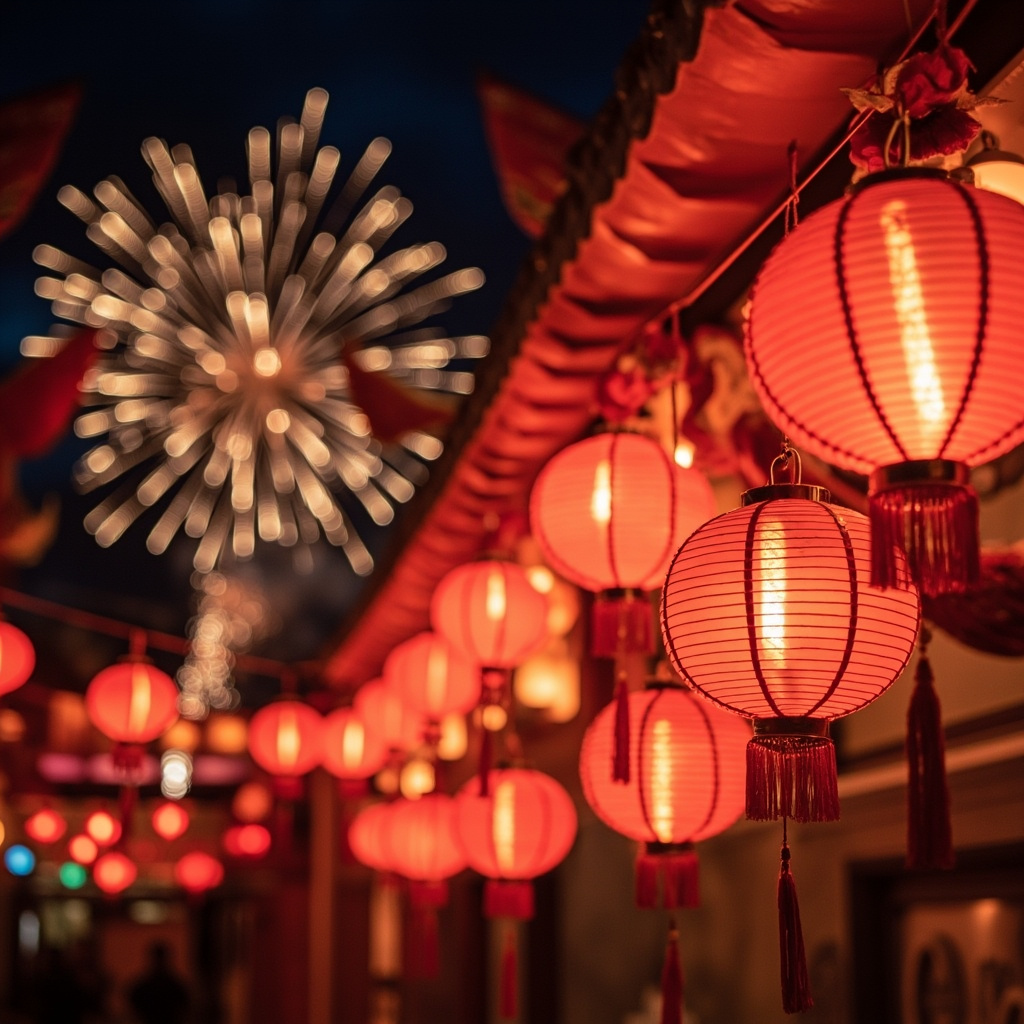
Every year, approximately 1.4 billion people in China – plus millions more across the diaspora – participate in the largest annual human migration on Earth. They travel home to be with family during Spring Festival, also known as Chinese New Year. But why does China celebrate this holiday? What is the history and meaning behind the worlds biggest annual celebration?
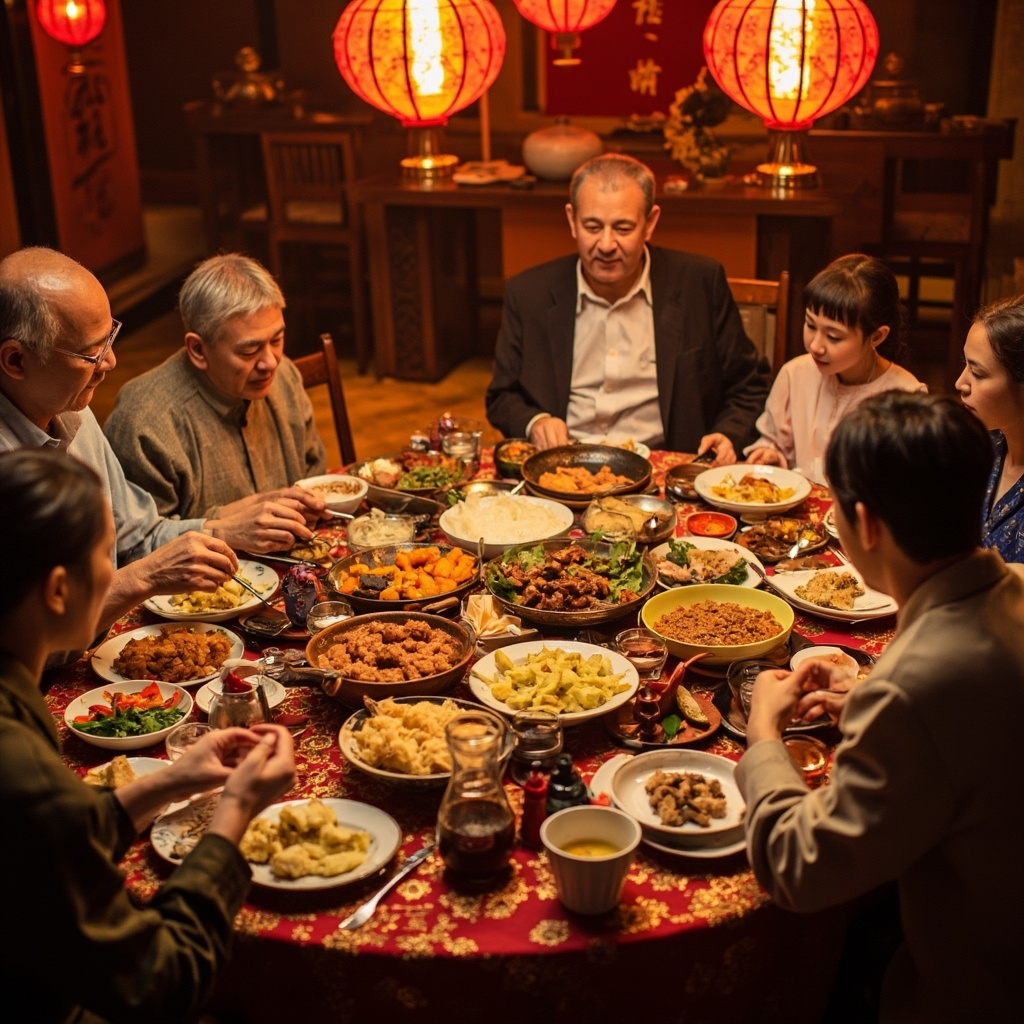
Ancient Origins: A Calendar for Farmers
Spring Festival traces its roots to the Shang Dynasty (1600-1046 BCE), when Chinese people held ceremonies to mark the end of winter and the beginning of the agricultural year. These early celebrations combined religious rituals honoring gods and ancestors with practical observations about the natural world.
The ancient Chinese operated on a lunisolar calendar, carefully tracking both the moon phases and solar movements. The first day of the new year fell somewhere between January 21 and February 20 on the Gregorian calendar – when the first new moon after the winter solstice appeared. This timing was critical for farmers, who needed to know when to prepare their fields for planting.
The word nian (年) originally meant harvest in ancient Chinese. The festival marked not just a calendar change but the completion of the agricultural cycle – a time to celebrate that the family had survived another year and to pray for the next harvest.
The Legend of Nian: How the Monster Became a Celebration
Popular legend adds drama to the origins. According to folklore, a monster called Nian (年兽, literally year-beast) would emerge on New Years Eve to terrorize villages. The monster was afraid of three things: the color red, fire, and loud noises.
Villagers discovered they could scare the monster away by decorating in red, lighting fireworks, and making noise. Thus, the traditions of wearing red, setting off firecrackers, and celebrating loudly at New Year were born.
While historians view this as legend rather than literal history, the story reflects genuine cultural values: the importance of community cooperation against threats, the symbolism of renewal, and the cultural significance of the color red in Chinese tradition.
The Most Important Family Reunion of the Year
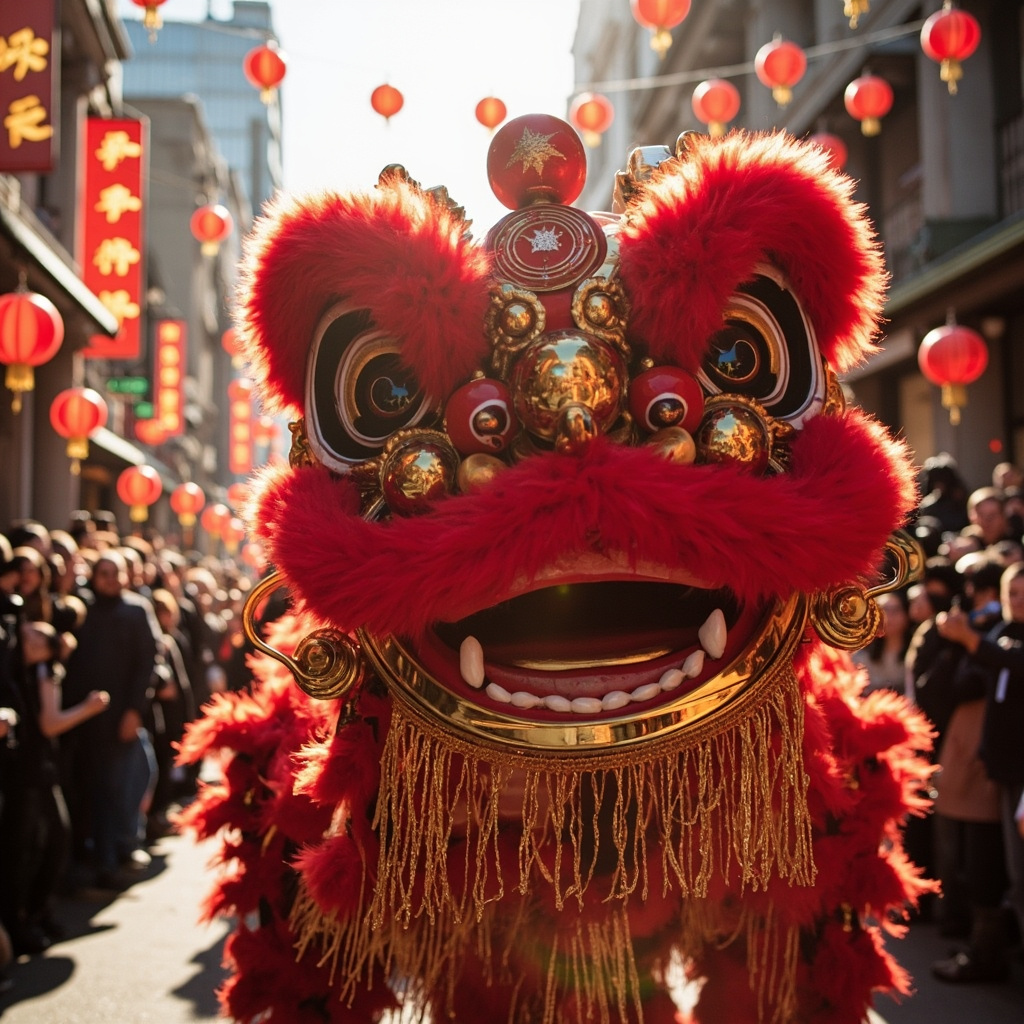
Modern Spring Festival centers on family. The weeks leading up to New Year see the worlds largest human migration as migrant workers, students abroad, and overseas Chinese return to their hometowns for reunion dinners.
The reunion dinner (年夜饭) on New Years Eve is the most important meal of the year. Families that might see each other only once annually gather around tables laden with symbolic dishes:
- Fish (鱼) – Pronounced yú, meaning abundance and surplus
- Dumplings (饺子) – Shaped like ancient gold ingots, representing wealth
- Noodles (面条) – Representing longevity
- Spring rolls (春卷) – Named after the season, symbolizing wealth
- Glutinous rice cakes (年糕) – Nian gao, meaning higher year after year
After dinner, families typically watch the CCTV New Years Gala – a four-hour variety show broadcast nationally on Chinese New Years Eve that has been a tradition since 1983.
The Red Envelope Tradition
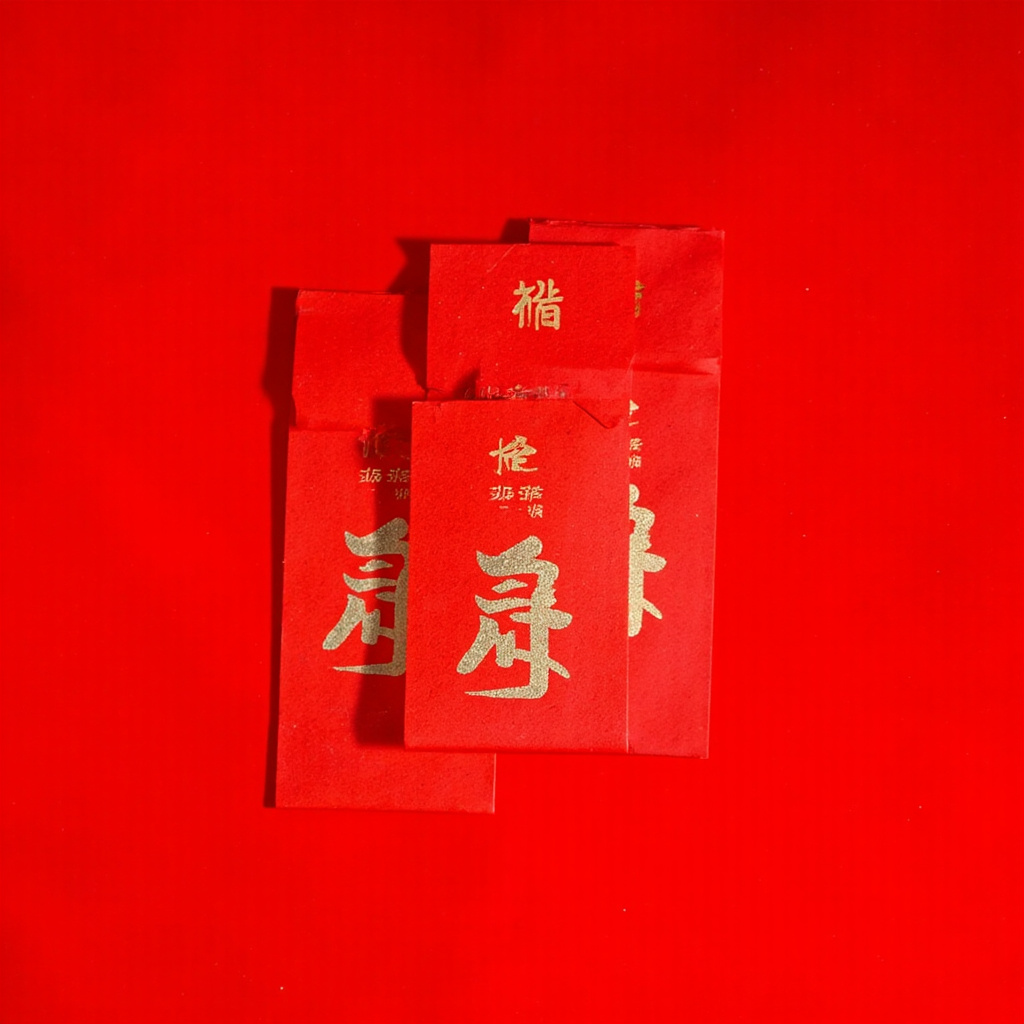
One of the most recognizable Spring Festival traditions is the red envelope (红包, hongbao). Parents and elders give hongbao containing money to children and unmarried young adults, symbolizing:
- Luck and good fortune – The red color wards off evil spirits
- Blessings from elders – Money represents wishing the recipient prosperity
- Intergenerational care – The tradition reinforces family bonds and filial respect
The amount of money matters – even numbers are preferred (meaning harmony), while the number 4 is avoided (sounds like death). The number 8 is especially lucky (sounds like prosperity).
Why the Festival Lasts 15 Days
Ancient Chinese society was primarily agricultural. After the winter solstice, farmers had little work until spring planting began. The 15-day festival provided a structured period of rest, celebration, and community bonding before agricultural work resumed.
Each day of the festival has traditional activities:
- New Years Eve – Reunion dinner, staying up all night (守岁, watching the year out)
- New Years Day – Visiting parents and elders, wearing new clothes
- Second day – Married daughters returning to their birth families
- Fifteenth day (Lantern Festival) – Lighting lanterns, eating sweet rice balls (tangyuan)
Regional Variations
While the core traditions are shared, Spring Festival celebrations vary across China:
- Northern China – Dumplings are essential for New Years Eve dinner
- Southern China – Rice cakes and sweet rice balls are preferred
- Sichuan – Lantern Festival dragon dances are especially elaborate
- Guangdong – Flower markets and citrus trees are central to celebrations
- Rural areas – Traditional temple fairs and folk performances remain popular
Modern Changes
Contemporary Spring Festival has evolved with technology and changing lifestyles:
- Digital hongbao – WeChat red envelopes have become extremely popular
- New Years travel rush – Chunyun (春运) sees 3 billion trips during the 40-day travel period
- Environmental concerns – Many cities now restrict fireworks due to air pollution
- Global spread – Spring Festival is celebrated worldwide and is now observed in some form in over 20 countries
The Bottom Line
Why does China celebrate Spring Festival? Because it is far more than a holiday – it is the cultural expression of family bonds, agricultural heritage, and the deepest values of Chinese society: respect for ancestors, care for family, and hope for the future.
For Chinese people worldwide, Spring Festival remains the one time when cultural identity, family connection, and ancient tradition converge. It is a celebration of survival, gratitude, and renewal that has continued unbroken for over 3,000 years.
