Why Does China Have Serious Air Pollution? 7 Major Causes Explained
China has made incredible economic progress over the past few decades, but this rapid industrialization has come with a significant environmental cost: some of the most serious air pollution in the world. If you have ever seen photos of smog-covered cityscapes in Beijing, Shanghai, or other major Chinese cities, you have witnessed this problem firsthand. But what exactly causes it? Let us break down the seven major causes of air pollution in China.
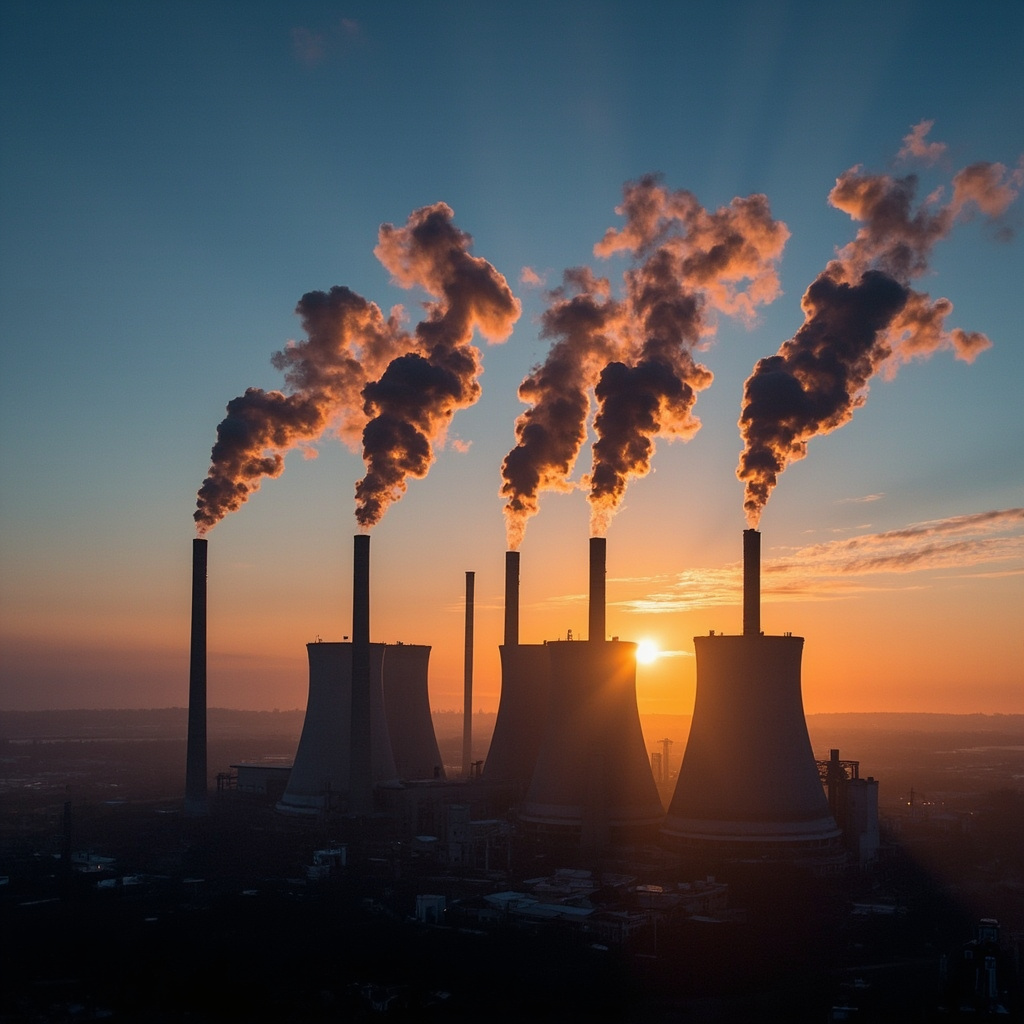
1. Heavy Dependence on Coal Power
China is the world’s largest coal consumer. Despite massive investments in renewable energy, coal still powers an enormous portion of Chinese industry and electricity generation. Coal-fired power plants release huge amounts of sulfur dioxide, nitrogen oxides, and particulate matter into the atmosphere. In northern China especially, the burning of coal for both electricity and heating during cold winters creates a thick, unhealthy haze that can persist for days.
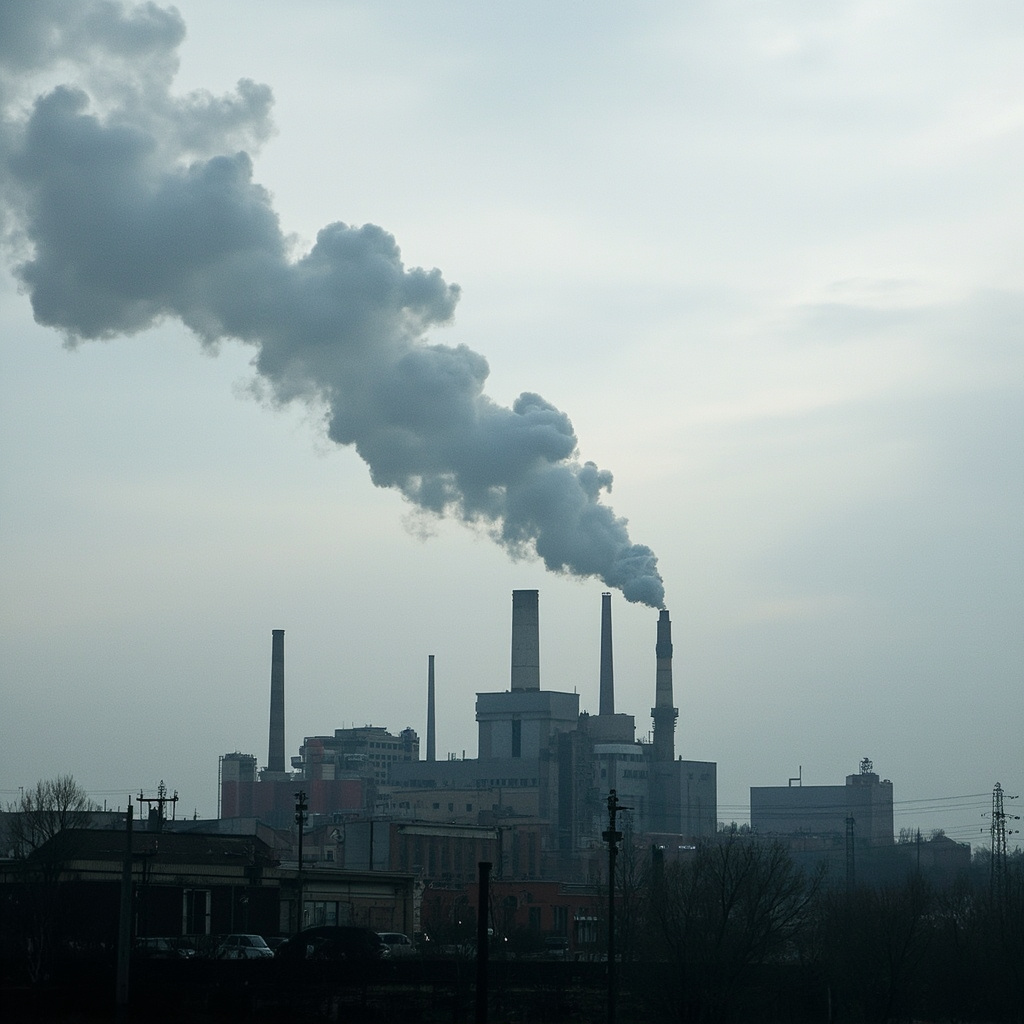
2. Rapid Industrialization and Manufacturing
China has become the factory of the world. Steel mills, cement factories, chemical plants, and textile manufacturers operate around the clock across the country. These industrial facilities emit vast quantities of pollutants, including volatile organic compounds (VOCs), heavy metals, and fine particulate matter (PM2.5). The sheer scale of Chinese manufacturing means that even with pollution controls, the total emissions remain enormous.
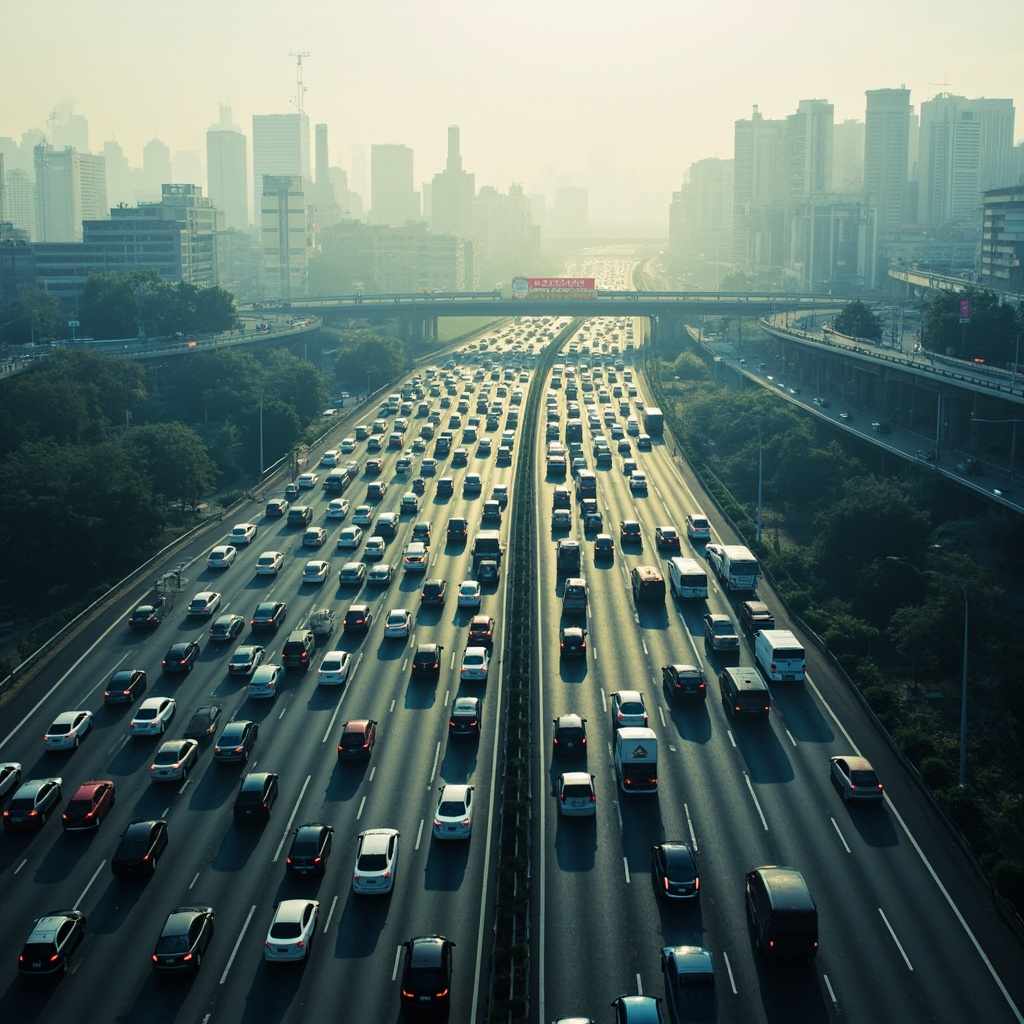
3. Massive Vehicle Numbers and Traffic Congestion
China has hundreds of millions of vehicles on its roads, and that number grows every year. Car ownership exploded as the middle class expanded, leading to chronic traffic jams in major cities. Idling engines in traffic produce carbon monoxide, nitrogen oxides, and hydrocarbons. In cities like Beijing and Chengdu, vehicle emissions are one of the biggest contributors to ground-level air pollution.
4. Geographic and Meteorological Factors
Northern China has natural geographic features that make pollution worse. The North China Plain is surrounded by mountains on three sides, which trap cold, dense air in the winter and prevent pollutants from dispersing. This phenomenon, called atmospheric inversion, can lock smog close to the ground for extended periods. Many northern cities experience their worst air quality in winter precisely because of these conditions.
5. Agricultural Activities and Straw Burning
Rural China also contributes significantly to air pollution. After the harvest, farmers traditionally burn leftover crop straw to clear fields quickly for the next planting season. This practice, called field burning, releases massive amounts of smoke and particulate matter into the atmosphere. Although the government has banned or restricted straw burning in many provinces, it still occurs widely and creates regional pollution episodes, especially in the summer and autumn.
6. Construction Dust and Urban Expansion
Chinese cities are constantly growing. New subway lines, housing complexes, shopping malls, and expressways are under construction at any given time. Construction sites generate enormous amounts of dust, which contains fine particles that can penetrate deep into the lungs. This dust, combined with road surface wear from heavy truck traffic, creates chronic particulate pollution in and around urban areas.
7. Cross-Border Pollution from Neighboring Regions
Air pollution does not respect borders. Industrial facilities in neighboring countries and cross-border winds can carry pollution into China. At the same time, pollution generated in China can drift to Japan, South Korea, and other neighbors. This regional dimension makes air pollution a diplomatic issue in East Asia as well as a domestic public health challenge.
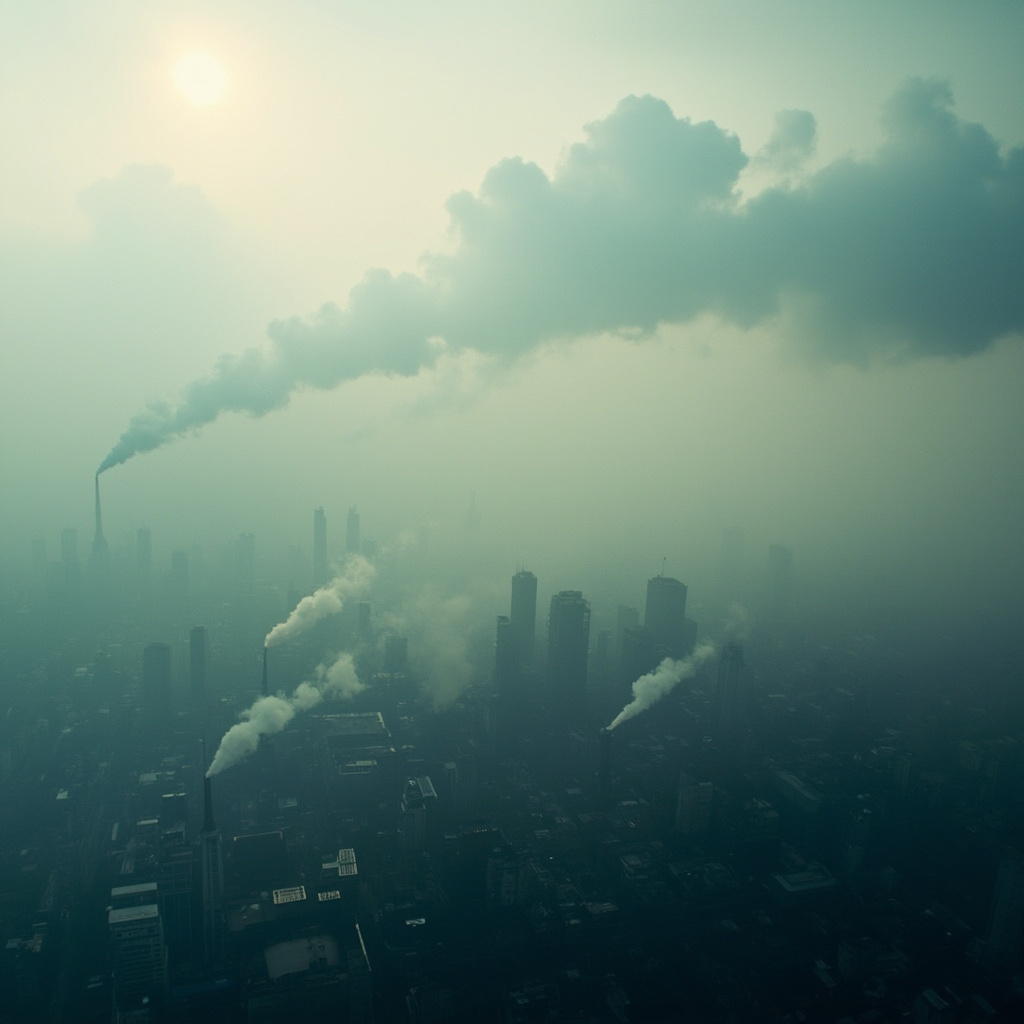
What Is Being Done About It?
The Chinese government has recognized air pollution as a serious threat to public health and has launched major clean-air campaigns since 2013. Measures include closing or upgrading old coal plants, enforcing vehicle emission standards, promoting electric vehicles, restricting industrial production during heavy pollution episodes, and investing heavily in solar and wind energy. Air quality in many major cities has measurably improved over the past decade, though challenges remain.
Conclusion
Air pollution in China is caused by a combination of coal dependence, massive industrial output, exploding vehicle numbers, geographic trapping, agricultural burning, construction dust, and cross-border factors. Understanding these causes helps explain why solving the problem is so complex and why it takes sustained, multi-pronged policy efforts over many years. The good news is that China’s progress on clean energy and stricter environmental enforcement is already producing real results.
