Why Does China Have So Many Dialects?
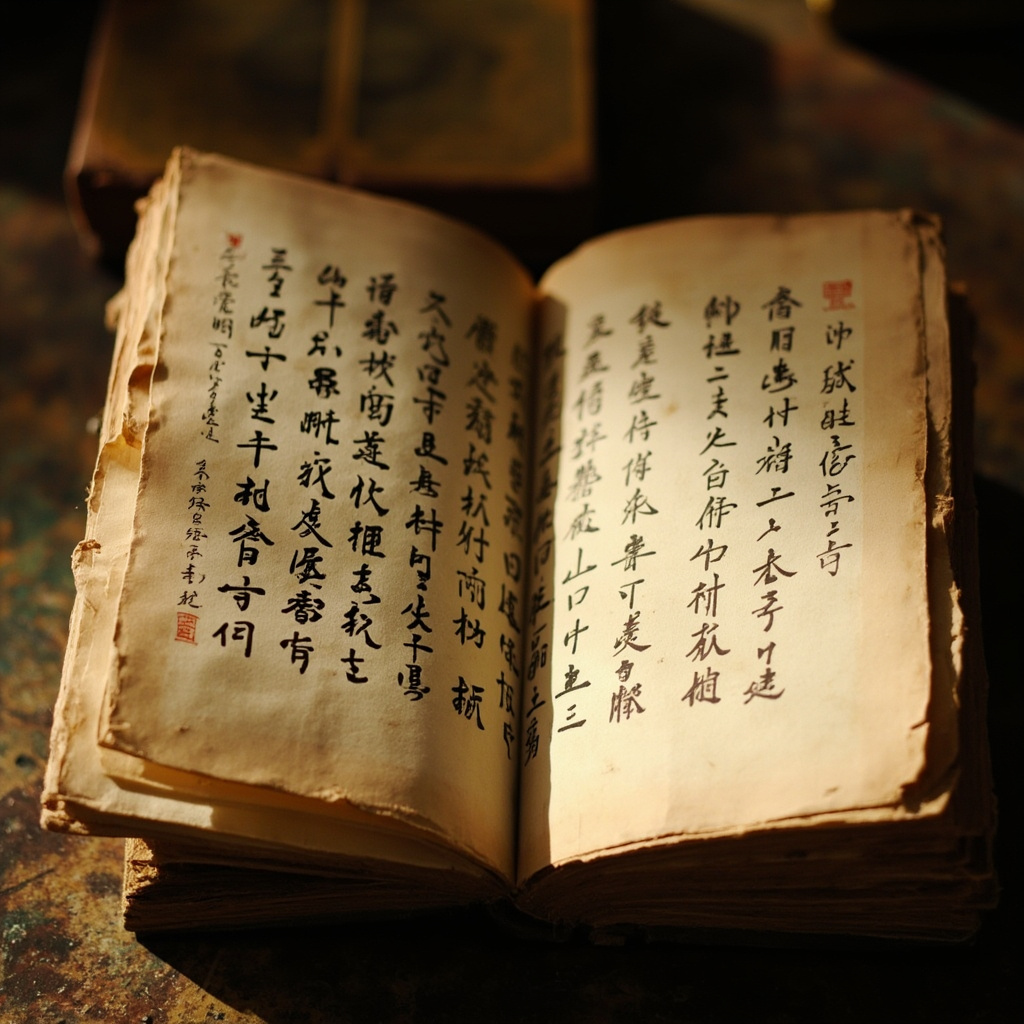
If you have ever met Chinese people from different parts of China, you might have noticed something surprising: they sometimes cannot understand each other when speaking, even though they all read and write the same characters. This is because China has an extraordinary diversity of dialects – some linguists estimate there are over 200 distinct linguistic varieties spoken across the country. But why does China have so many dialects? The answer involves geography, history, and the unique nature of the Chinese writing system.

Understanding Chinese Dialects: More Than Accents
When we talk about Chinese dialects, we need to clarify something important: what Chinese people call dialects (方言) are often mutually unintelligible. Cantonese speakers from Guangdong cannot understand Shanghainese speakers without learning. Mandarin speakers from Beijing struggle with Hokkien from Fujian.
Linguists classify Chinese dialects into several major groups:
- Mandarin (北方话) – Spoken by about 70% of Chinese, covers most of northern and southwestern China
- Wu (吴语) – Including Shanghainese, spoken in Jiangsu and Zhejiang provinces
- Min (闽语) – Including Hokkien, Taiwanese, spoken in Fujian, Taiwan, and Southeast Asia
- Cantonese (粤语) – Spoken in Guangdong, Guangxi, Hong Kong, and among overseas Chinese
- Hakka (客家话) – Scattered across southern China and diaspora communities worldwide
- Xiang (湘语) – Spoken in Hunan province
- Gan (赣语) – Spoken in Jiangxi province
- Jin (晋语) – Spoken in Shanxi province and Inner Mongolia
Geography: Mountains, Rivers, and Isolation

China geographic size and diverse terrain created natural barriers that separated populations for millennia. Consider:
- Mountain ranges – The Qinling Mountains, Nanling Mountains, and countless other ranges divided population centers
- River systems – Major rivers like the Yangtze, Yellow River, and Pearl River created distinct regional corridors
- Vast distances – From the Korean border to Southeast Asia, China spans thousands of miles
- Islands and coastal regions – Fujian, Guangdong, and Taiwan developed maritime connections rather than overland routes
Before modern transportation, a farmer in Sichuan might never travel to Fujian. Their speech evolved independently, diverging gradually until mutual unintelligibility developed.
History: A Unified Empire with Diverse People
China has been unified as a single empire multiple times throughout history (221 BCE under Qin Shi Huang, for example), yet linguistic diversity persisted. Why?
The Writing System Connection
Unlike European languages which developed writing systems based on phonetics, Chinese developed a logographic script where each character represents a word or concept, not a sound. This meant:
- People across China could read the same texts despite speaking differently
- Official documents used classical Chinese readable to educated elites everywhere
- The written language united China intellectually even when spoken languages diverged
- There was less pressure to standardize spoken language for communication
Imperial Administration
The Chinese imperial system governed through local elites who maintained regional languages and customs. Central governments typically did not try to homogenize spoken language – they ruled through existing power structures rather than transforming them.
The Role of Migration
Chinese history involves massive population movements that created new dialect regions:
- Northern migrations – During times of war, populations fled south, bringing earlier forms of Mandarin to new areas
- Hakka migrations – The Hakka people migrated repeatedly across southern China, establishing isolated communities
- Overseas Chinese – Chinese diaspora communities preserved older dialect forms that have since changed in mainland China
- Urban and rural divides – Cities often developed distinct speech patterns from surrounding countryside
Why Dialects Matter to Chinese People
For Chinese people, dialect is far more than a communication tool – it carries deep cultural meaning:
- Identity – People identify strongly with their regional dialect as a marker of where they come from
- Family bonds – Many families speak their home dialect at gatherings, preserving heritage
- Literature and art – Cantonese opera, Shanghainese theater, and regional folk songs depend on local speech
- Cultural pride – Regional languages represent unique cultural traditions worth preserving
The Threat of Dialect Loss
Today, many Chinese dialects face extinction. Mandarin education, urbanization, and mass media are gradually replacing regional speech. UNESCO lists several Chinese dialects as endangered. The Shanghainese generation gap is particularly stark – young people speak Mandarin among themselves while elders preserve the local tongue.
Efforts to preserve dialects include:
- Cantonese education in Hong Kong schools
- Local television and radio programming in regional languages
- Cultural organizations documenting endangered varieties
- Social media communities celebrating dialect heritage
The Bottom Line
Why does China have so many dialects? Because China is vast, geographically diverse, and developed a writing system that united people visually while allowing spoken languages to evolve independently for millennia.
Chinese dialect diversity represents not a failure of national unity but rather the richness of Chinese civilization – a civilization that managed to absorb and accommodate extraordinary linguistic variety while maintaining cultural cohesion through shared writing, shared values, and shared identity.
Today, as younger generations gravitate toward Mandarin, this linguistic diversity is narrowing. But for now, China remains one of the most linguistically diverse nations on Earth – a living laboratory of how human languages evolve, diverge, and sometimes converge over thousands of years.
