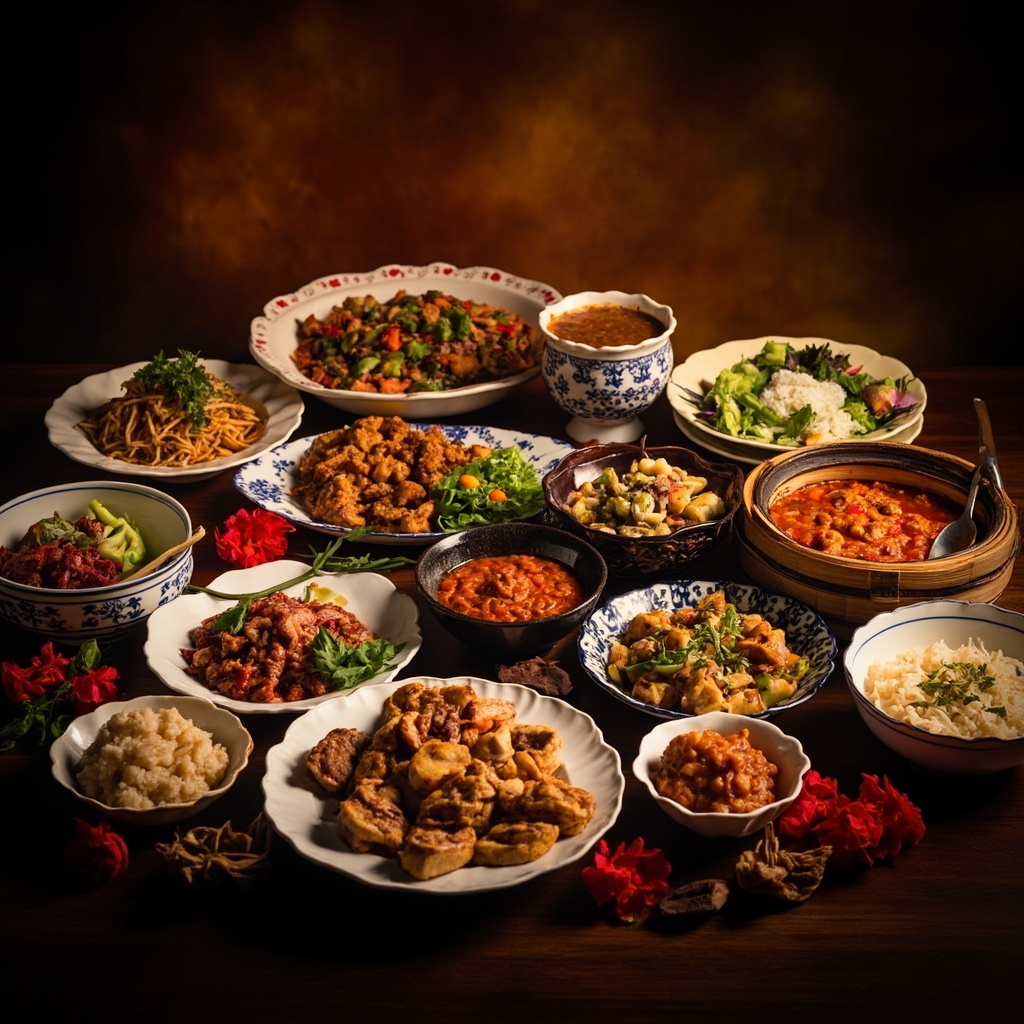
If you have ever tried to answer the question What is Chinese food?, you probably found it surprisingly difficult. That is because Chinese food is not one thing – it is a family of dozens of distinct regional cuisines, each with its own flavors, cooking techniques, and philosophy.
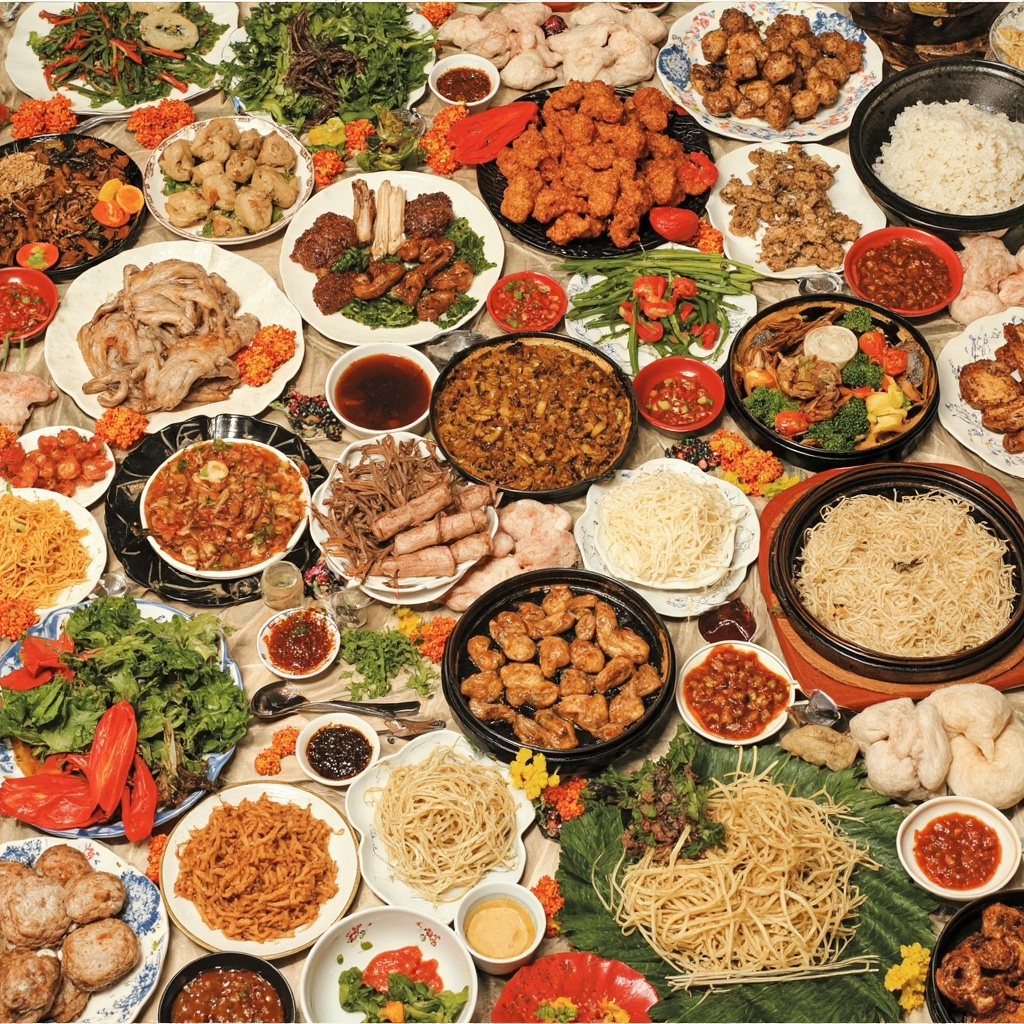
The Eight Major Cuisines
Chinese culinary tradition recognizes eight major regional cuisines. Think of them like different personalities – each has its own character, strengths, and signature moves in the kitchen.
- Shandong cuisine – The bold and briny pioneer from northern China, famous for its fresh seafood and clear soups
- Sichuan cuisine – The fiery showman with its famous mala (numbing and spicy) punch
- Cantonese cuisine – The refined minimalist that lets ingredient quality speak for itself
- Jiangsu cuisine – The elegant artist with delicate flavors and beautiful presentation
- Fujian cuisine – The umami master with its rich soups and red-cooked dishes
- Zhejiang cuisine – The fresh and soft seafood lover
- Hunan cuisine – The straightforward spicy character without the numbing
- Anhui cuisine – The wild herb specialist from the mountains
A Country of Extremes
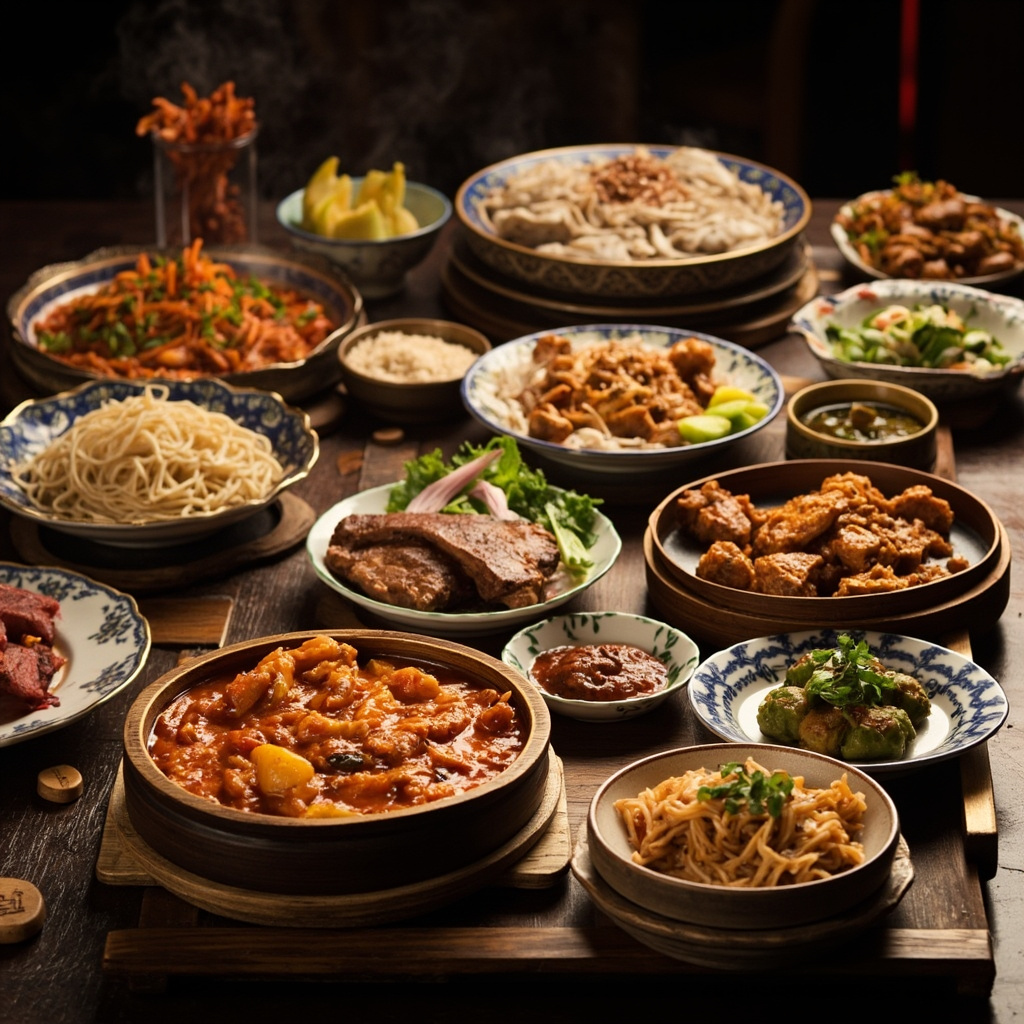
China is enormous – spanning 9.6 million square kilometers of wildly diverse terrain. This vast land contains every type of terrain imaginable: mountains, deserts, grasslands, coastlines, tropical forests, and frozen plateaus.
Here old saying captures the wisdom perfectly: the mountain people eat what the mountain provides, the water people eat what the water provides.
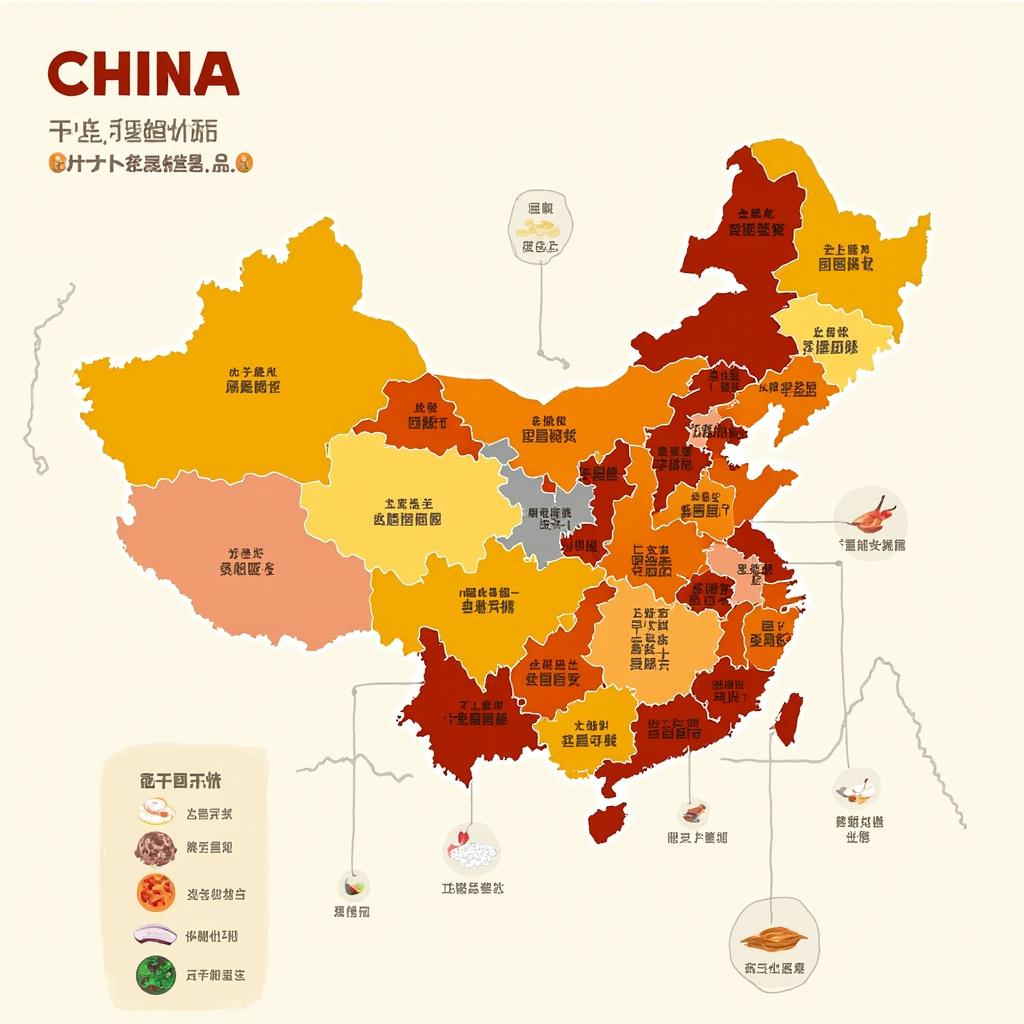
This means northern China – cold and dry – became the land of wheat, millet, and hearty beef and lamb. Coastal regions mastered the art of fresh seafood. Southern China, warm and rainy, became the kingdom of rice, vegetables, and poultry. Western China, with its deserts and grasslands, embraced lamb, camel, and dairy.
Climate Shapes Taste
There a famous rhyme in China that goes: the east burns with spice, the west turns sour, the south is sweet, and the north loves its salt.
This reflects how climate shaped flavor preferences across the country. In the damp, cold winters of Sichuan and Hunan, people discovered that chili peppers helped warm the body and fight off the chill. In the endless warmth of Guangdong, locals preferred lighter, fresher dishes that would not feel heavy in the heat.
The Cooking Toolbox
What makes Chinese cuisine remarkable is not just the variety of ingredients, but the incredible range of cooking techniques. Chinese cooks developed methods that Western kitchens barely use: high-heat stir-frying that locks in crunch, slow braising that transforms tough cuts into silk, steaming that preserves natural flavors, and smoking that adds deep, complex notes.
Each region gravitated toward techniques that suited its ingredients and climate. The seafood-rich coast developed delicate steaming and quick wok work. The mountainous interior mastered slow cooking and fermentation.
Why It All Matters
When you understand these forces – geography, climate, history, and isolation – the diversity of Chinese food suddenly makes perfect sense. Every dish tells a story of the land and people who created it.
So the next time you encounter yet another Chinese regional cuisine, remember: you are not just tasting food. You are tasting thousands of years of regional adaptation, innovation, and the Chinese talent for making the most of whatever nature provides.