Why Does China Have Such an Intense Education System?
Why Does China Have Such an Intense Education System?
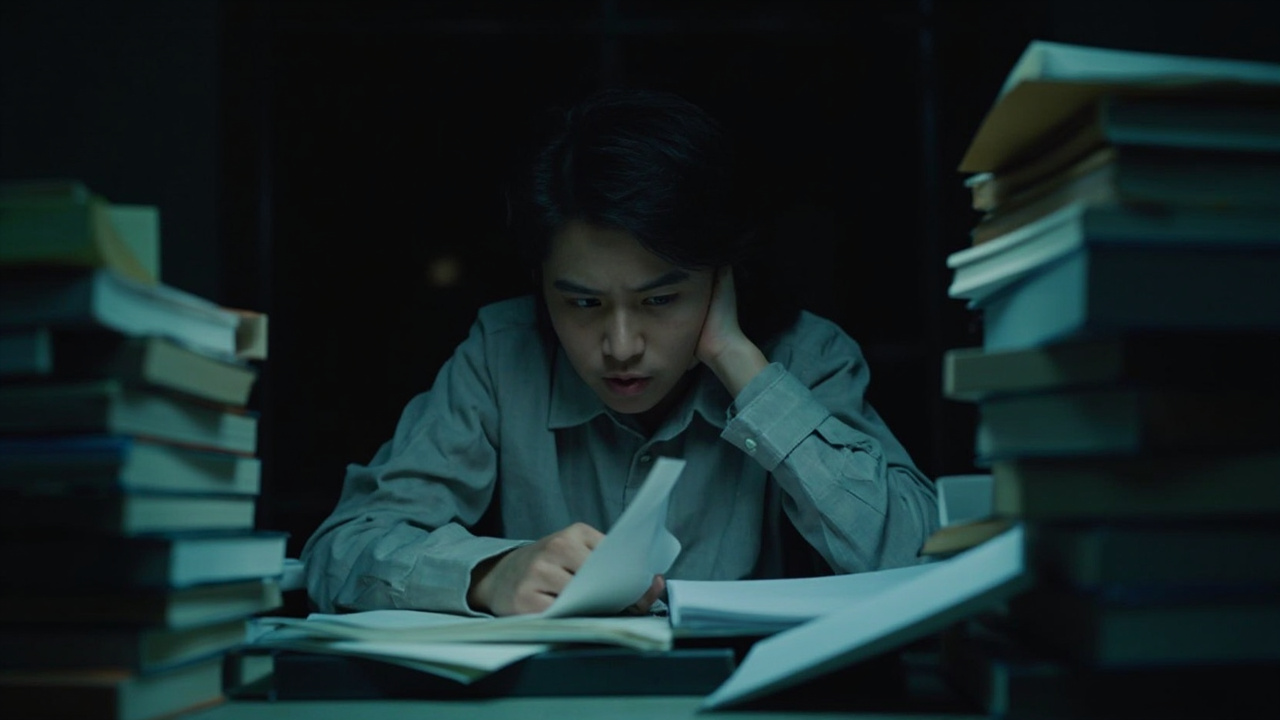
Here is what a typical Chinese student’s day looks like: school from 7:30 AM to 5 PM. After dinner, tutoring sessions until 10 PM. Weekends reserved for remedial classes. Holidays spent in exam prep camps.
This schedule would be considered child abuse in many countries. In China, it is normal. Expected. Celebrated even.
Chinese students spend more time studying than students anywhere else in the world. They start formal education earlier. They finish homework later. They take more exams. They compete more fiercely.
The Gaokao, China’s university entrance exam, determines life outcomes with brutal finality. One test. Three days. Entire futures decided.
Here is why China developed such an intense education system, and what this reveals about Chinese society.
## The Historical Depth
Here is where this intensity comes from: imperial examination traditions dating back 1,400 years.
The imperial examination system selected government officials based on knowledge of Confucian classics. Passing required memorizing thousands of texts. Success meant becoming a scholar-official with guaranteed income and social status.
This system created the world’s first standardized meritocratic selection. It did not matter whether your grandfather was a emperor or a farmer. What mattered was your performance on the exam.
The intensity was intentional. Studying Confucian texts for decades prepared students for government service. The knowledge itself mattered less than the discipline required to master it.
This historical legacy created cultural expectations around education. Chinese families view academic success as moral achievement. The dedication required for exam success reflects well on family values.
Imperial traditions also established examination as the path to social mobility. This belief persists today. Education remains the primary route for families to improve their circumstances across generations.
## The Population Pressure
Here is what makes competition so fierce: there are always more qualified applicants than available spots.
China has 1.4 billion people. Top universities like Peking and Tsinghua accept only a few thousand students each year. Millions compete for limited positions. Rejection is mathematical certainty for most.
This population pressure creates what economists call a positional good. University admission depends not on absolute performance but relative ranking. You do not need to be excellent. You need to be better than most.
The competition never ends because the stakes never diminish. Winning university admission leads to better jobs. Better jobs lead to higher income. Higher income leads to better opportunities for children. The cycle continues.
Parents understand this positional reality viscerally. They know their child’s academic performance determines family trajectory. The intensity of effort reflects the intensity of consequences.
## The One-Child Legacy
Here is how the one-child policy amplified everything: all family resources concentrated on single children.
When each family could have only one child, that child received undivided attention and investment. Extended families gathered around the single grandchild. All hopes and resources flowed to one recipient.
This concentration created what researchers call “4-2-1” family structure. Four grandparents, two parents, one child. The single child would support aging relatives while parents sacrificed everything for their success.
独生子女 became the most educated, most coddled, most pressured generation in Chinese history. They carried entire family ambitions on their shoulders. Educational failure meant letting everyone down.
The intensity of parental investment reflects the intensity of potential loss. When you have only one chance, you invest everything in that chance. Chinese parents do exactly that.
## The Meritocratic Promise
Here is what makes the system feel fair: it promises meritocratic outcomes.
Chinese education ideology holds that anyone can succeed through effort. Family background matters less than individual dedication. The exam does not care about your parents’ connections or wealth.
This meritocratic belief provides hope even as competition intensifies. Students believe their effort will determine their fate. This belief motivates extraordinary dedication.
The belief also justifies intense pressure. If success comes from individual effort, then failure reflects individual inadequacy. Students internalize responsibility for their performance. They push themselves because they believe they can succeed.
Social mobility statistics complicate this meritocratic narrative. Research shows family income predicts educational outcomes strongly. But the belief persists because alternatives seem worse.
## The Economic Stakes
Here is what makes education matter so much: income differences between university graduates and everyone else are enormous.
Chinese universities with prestigious credentials open doors to high-paying jobs. Graduates from top schools earn multiple times more than workers without degrees. The lifetime earnings gap exceeds one million yuan for most career paths.
These economic stakes create rational incentives for extreme effort. The marginal benefit of Gaokao points translates directly into lifetime income differences. Every study hour offers potential returns that justify sacrifice.
Employers use university pedigree as screening mechanism. A Tsinghua degree signals intelligence and discipline to any employer. The degree itself may matter less than the signal it sends about the holder.
The credential economy means families will pay anything for educational advantage. Tutoring costs consume enormous shares of household income. Parents view these expenses as investments with certain returns.
## The Cultural Values
Here is what Chinese culture demands: respect for education as moral undertaking.
Chinese tradition venerates learning as virtue, not merely as economic investment. Scholars hold highest social status. Academic achievement reflects well on family ancestors. Educational failure carries moral as well as practical dimensions.
Parents view their own educational investment as expressions of love. Pushing children to study harder means caring more, not loving less. The intensity of pressure reflects intensity of parental devotion.
Students themselves absorb these cultural values. They understand education as duty to family, not merely personal advancement. This sense of obligation motivates effort that purely individual incentives could not sustain.
The cultural emphasis also creates social consequences for educational choices. Dropouts bring shame to families. Academic success earns respect across community networks. These social rewards and punishments shape behavior powerfully.
## The Government Design
Here is how the state engineered this system: education became tool for social management.
The Gaokao emerged from Communist Party efforts to standardize university admissions after 1949. The exam created merit-based selection that replaced old aristocratic privileges. This meritocracy built regime legitimacy by promising equal opportunity.
The party also used education to direct human capital development. University quotas allocated students to fields based on national priorities. Education served state goals rather than individual preferences entirely.
Standardized curricula ensured ideological consistency. Students learned party-approved knowledge at every level. The education system created workers and citizens loyal to regime priorities.
This state-directed approach persists despite market reforms. The party still controls curriculum standards, textbook content, and university admissions processes. Individual choice exists within state-designed parameters.
## The Tutoring Industry
Here is what grew alongside formal education: shadow education system larger than most countries’ school systems.
Chinese families spend over 100 billion yuan annually on private tutoring. This shadow education system operates before, after, and during school. It adds hours to already intensive schedules.
The tutoring industry emerged because school content alone proves insufficient for exam success. Top performers need advantages that schools cannot provide. Tutoring fills gaps and creates edges.
The intensity of tutoring reflects competitive dynamics. When all students receive extra help, no student gains advantage. But when any student receives help, all students must follow. Arms race dynamics escalate without limit.
Online tutoring platforms accelerated these dynamics. Students in remote villages now access the same tutors as urban elites. The playing field leveled in some ways while competition intensified overall.
## The Psychological Cost
Here is what the intensity produces: generations of students carrying psychological burdens.
Research documents alarming mental health statistics among Chinese students. Depression rates exceed global averages. Suicide represents leading cause of death for 15-25 year olds. The pressure manifests in documented psychological harm.
The Gaokao generates what Chinese call “Gaokao neurosis” – examination anxiety severe enough to require clinical treatment. Some students break down completely during exam season. The stakes literally become unbearable.
Yet the system continues because alternatives seem worse. Parents accept psychological costs as necessary price for future benefits. Students push through anxiety because quitting seems impossible.
The normalization of intensity prevents questioning. Students believe their suffering is universal and inevitable. They do not compare their experiences to less intensive alternatives because alternatives seem illegitimate.
## The Future of Chinese Education
Here is what is changing: cracks appear in the intensive model.
Government policies now limit tutoring hours. Population decline reduces competition intensity. Economic slowdown diminishes returns to elite education. New pathways emerge beyond traditional university routes.
These changes remain modest compared to system fundamentals. The cultural reverence for education persists. Family investment in children’s academic success continues regardless of policy signals.
Some analysts predict gradual relaxation as demographic pressures ease. With fewer students competing for university spots, intensity might diminish naturally. This optimistic scenario assumes cultural values remain constant.
Others see persistent intensity regardless of structural changes. Chinese families will continue viewing education as primary mobility pathway. The competition may simply shift to new battlegrounds.
## The Truth
So why does China have such an intense education system?
Because imperial examination traditions established educational meritocracy 1,400 years ago. Because 1.4 billion people make competition for limited spots mathematically brutal. Because one-child policies concentrated all family hopes on single children.
Because meritocratic beliefs promise that effort determines fate. Because economic stakes between university graduates and everyone else exceed one million yuan lifetime. Because Chinese culture venerates education as moral achievement.
Because the state designed system to select talent and build legitimacy. Because tutoring industry emerged to fill competitive gaps. Because alternatives to intensive education seem illegitimate rather than merely difficult.
The psychological costs are real and documented. The human suffering is genuine. Yet Chinese families continue investing everything because the system works as designed.
It produces academically accomplished students who compete successfully worldwide. It creates disciplined workers who power economic development. It maintains social mobility pathways that keep societies stable.
Whether these outcomes justify human costs remains contested. The debate itself seems luxury available only to those who have already succeeded.
For the millions currently grinding throughGaokao preparation, the question is not whether the system is worth it. The question is only how to survive it.
That is why Chinese education is so intense. Because the alternative – falling behind in the most competitive society on earth – seems worse.