Why Does Filial Piety Matter So Much in China?
Why Does Filial Piety Matter So Much in China?
Let me tell you about the most important relationship in Chinese culture.
In America, the most important relationship is between spouses. Husband and wife. That is the foundation of the family.
In China, something different is true. The most important relationship is between parent and child.
This is filial piety. In Chinese, we call it xiaoshun. It means respect for your parents. Obedience to your elders. Care for your ancestors.
And it is the foundation of everything in China.
## The First Commandment
Here is what Confucius taught over 2,500 years ago: the first duty is to your parents.
In the West, the Ten Commandments begin with God. In China, our most important teaching begins with parents.
Honor your father and mother. Obey your elders. Care for your ancestors. These are not suggestions. They are obligations.
My grandmother still remembers the old saying: “A child who does not honor their parents is not human.” This is how seriously we take filial piety. It is not morality. It is identity.
## The One-Child Reality
Here is the modern pressure: when there is only one child, the duty doubles.
Most Chinese families have one child. That one child carries the weight of two parents and four grandparents. There is no sibling to share the burden. There is no one else to rely on.
When my parents grew old, I became their only support. Their health. Their happiness. Their future. All of it fell on me.
This is not a choice. This is filial piety in the modern age.
I know friends who work in cities far from their parents. They send money home every month. They call twice a week. They fly back for every holiday. They do this not because they want to. They do this because they must.
## The Obedience Expectation
Here is something that surprises foreigners: in China, children are expected to obey.
Western parenting says: raise independent children. Let them make their own choices. Respect their decisions.
Chinese parenting says something different. Parents know best. Children should listen. The parent-child relationship is hierarchical, not equal.
This expectation continues into adulthood. When I wanted to change jobs, I consulted my parents. When my cousin wanted to marry someone from another province, her parents vetoed it. When my friend wanted to move abroad, his parents said no.
We call this controlling. Chinese people call it love.
My parents made decisions for me because they loved me. They had experience I lacked. They could see dangers I was blind to. Their guidance was not limiting my freedom. It was protecting me from mistakes.
## The Care Obligation
Here is the practical side: when parents grow old, children care for them.
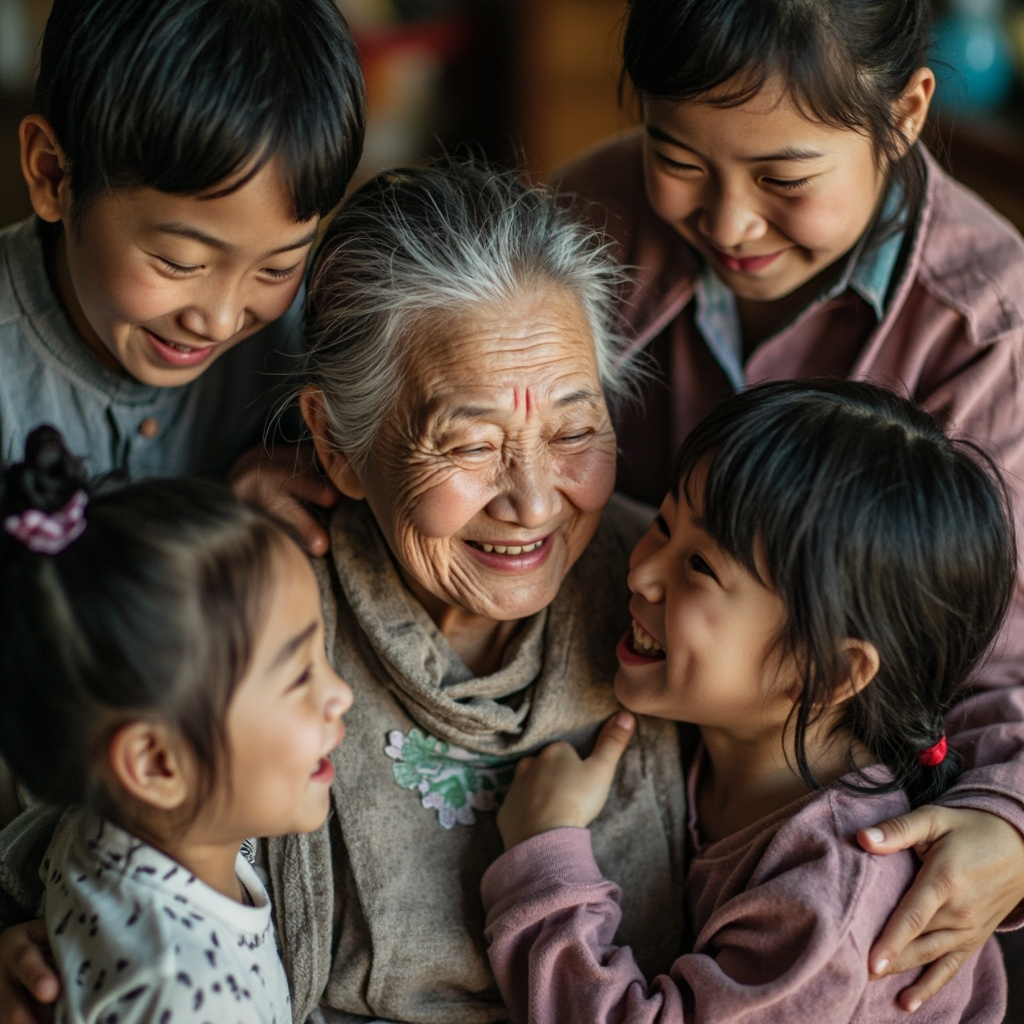
In America, the elderly go to nursing homes. In China, the elderly go to their children’s homes.
This is not law. It is custom. It is expectation. It is filial piety.
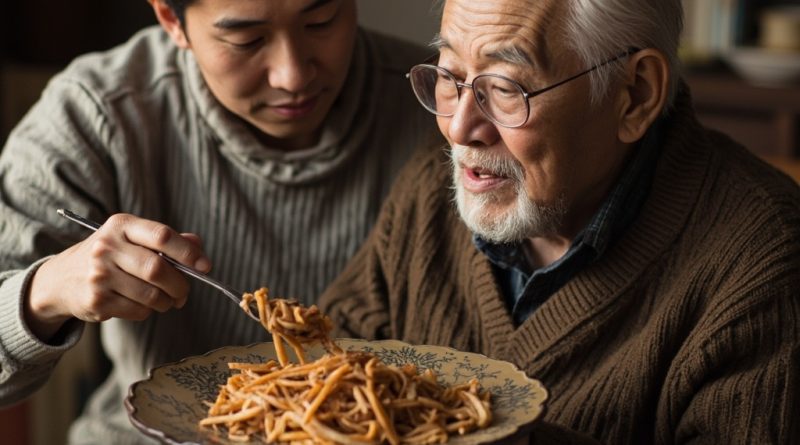
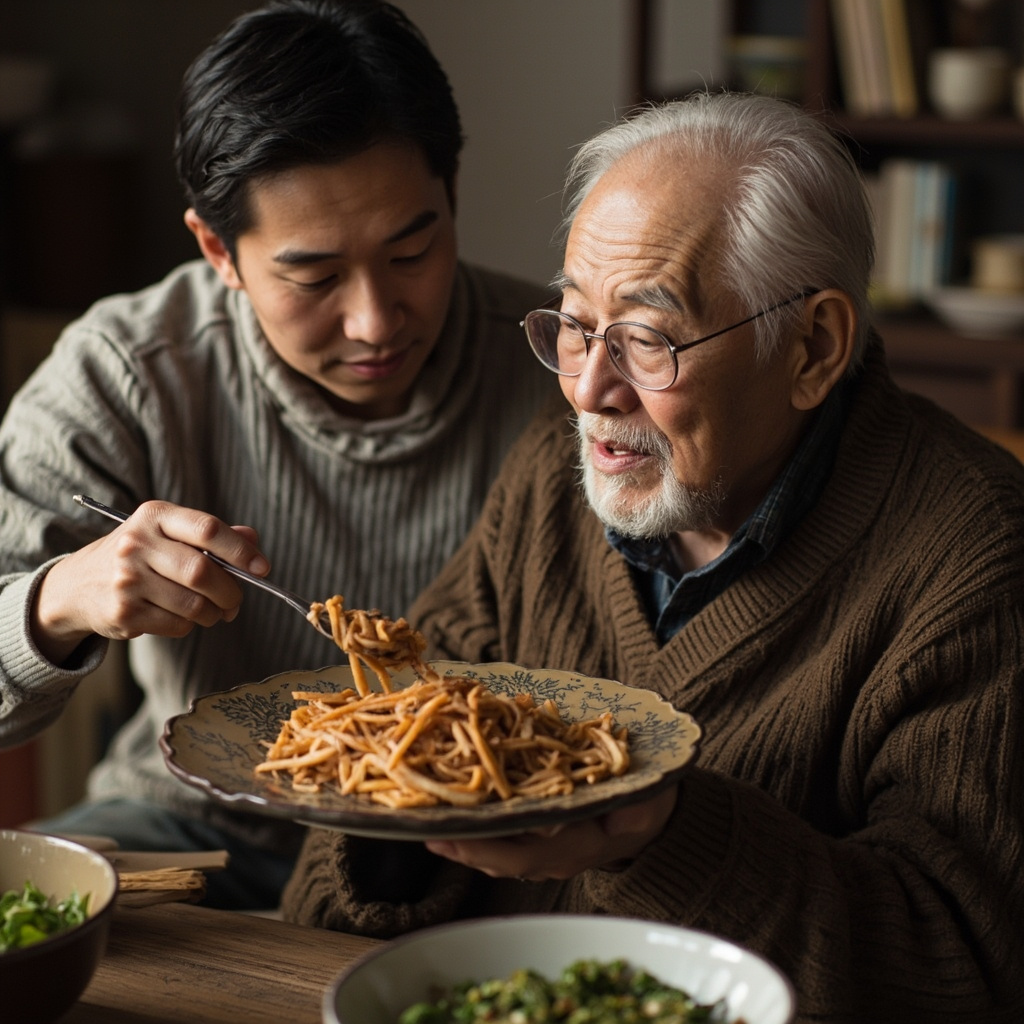
When my grandfather had a stroke, my mother moved into his house for six months. She slept on a folding bed. She fed him by hand. She changed his clothes. She bathed him.
This was not a sacrifice. This was duty. This was what daughters do.
In China, putting your parents in a nursing home is still seen as abandonment. It means you failed them. It means you did not fulfill your filial obligation.
## The Ancestor Veneration
Here is the spiritual dimension: filial piety extends beyond death.
We do not just care for living parents. We care for dead ones too.
Every Chinese home has an ancestor altar. Photographs of dead relatives. Incense burned daily. Food offered on special days.
On Qingming, we visit graves. On Ghost Festival, we burn paper money. On death anniversaries, we gather and remember.
This is not superstition. This is connection. Our ancestors are still with us. They watch over us. We honor them by continuing the family line. By achieving things they could not. By making them proud.
## The Face Connection
Here is the social pressure: filial piety is public.
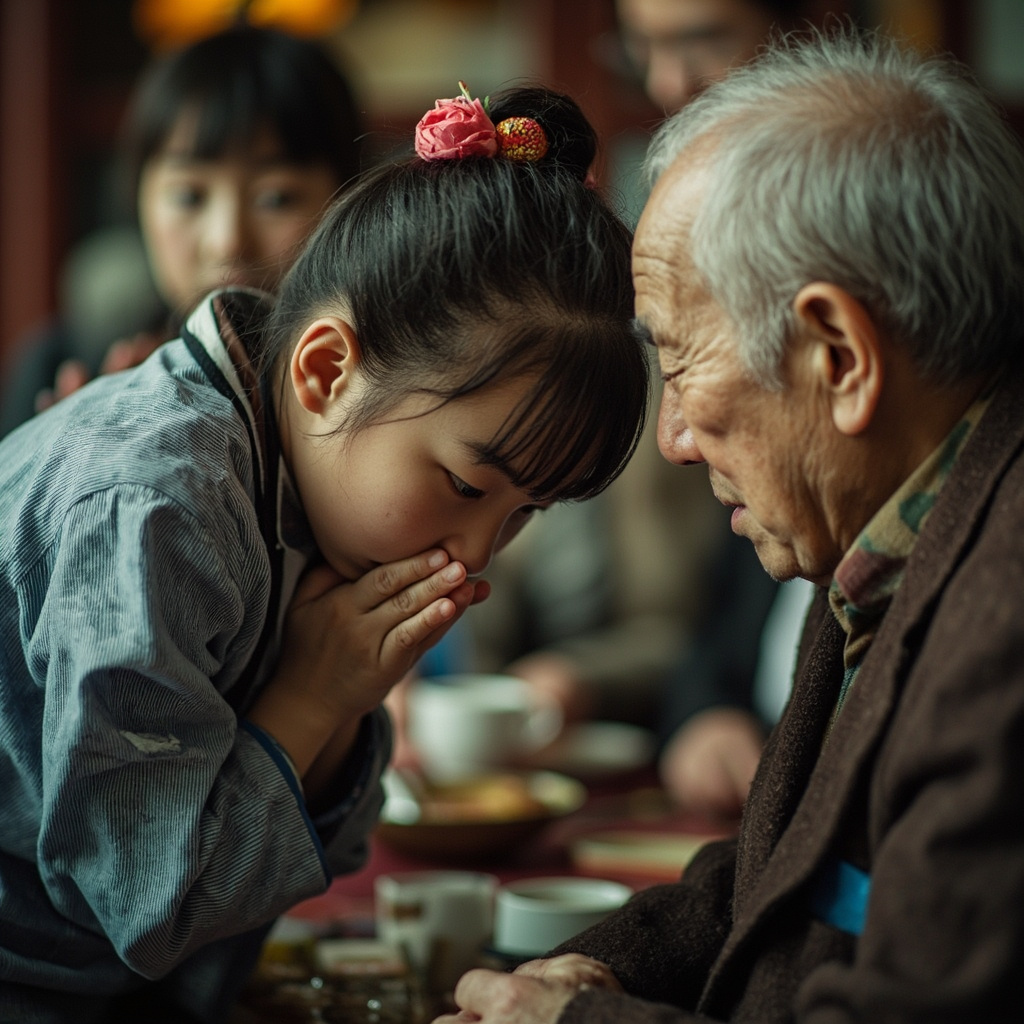
In China, how you treat your parents is everyone’s business. Neighbors watch. Relatives judge. Friends compare.
When my uncle moved his mother into a care home, the neighbors talked for years. They called him ungrateful. They said he had no shame. His reputation suffered.
When my neighbor’s son passed his university exams, the whole neighborhood celebrated. The mother gained face. The family was honored.
Your treatment of your parents reflects your character. It shows whether you are grateful or selfish. Whether you are reliable or irresponsible. Whether you are a good person.
## The Guilt Weapon
Here is the dark side: filial piety can be weaponized.
“After everything we did for you, this is how you repay us?”
“How could you be so selfish?”
“We sacrificed our whole lives for you.”
These phrases are common in Chinese families. They are guilt. They are manipulation. They are the weaponization of filial piety.
My friend wanted to study abroad. Her parents said no. She went anyway. The guilt they laid on her was crushing. They said she was abandoning them. They said they would die alone because of her selfishness.
She went. But the guilt never left. She called it the price of following her dreams.
This is the double edge of filial piety. It creates obligation. It creates guilt. It creates duty that can crush individual desire.
## The Modern Tension
Here is what is changing: young Chinese are pushing back.
The new generation grew up differently. They have their own dreams. Their own ambitions. Their own ideas about happiness.
They do not want to sacrifice their lives for parental expectations. They want to choose their own careers. Their own spouses. Their own cities.
But the pressure remains. “When you have your own children, you will understand,” parents say. “This is our culture. This is who we are.”
And young people find themselves torn. Between their own desires and their obligations. Between their parents’ dreams and their own. Between filial piety and individual freedom.
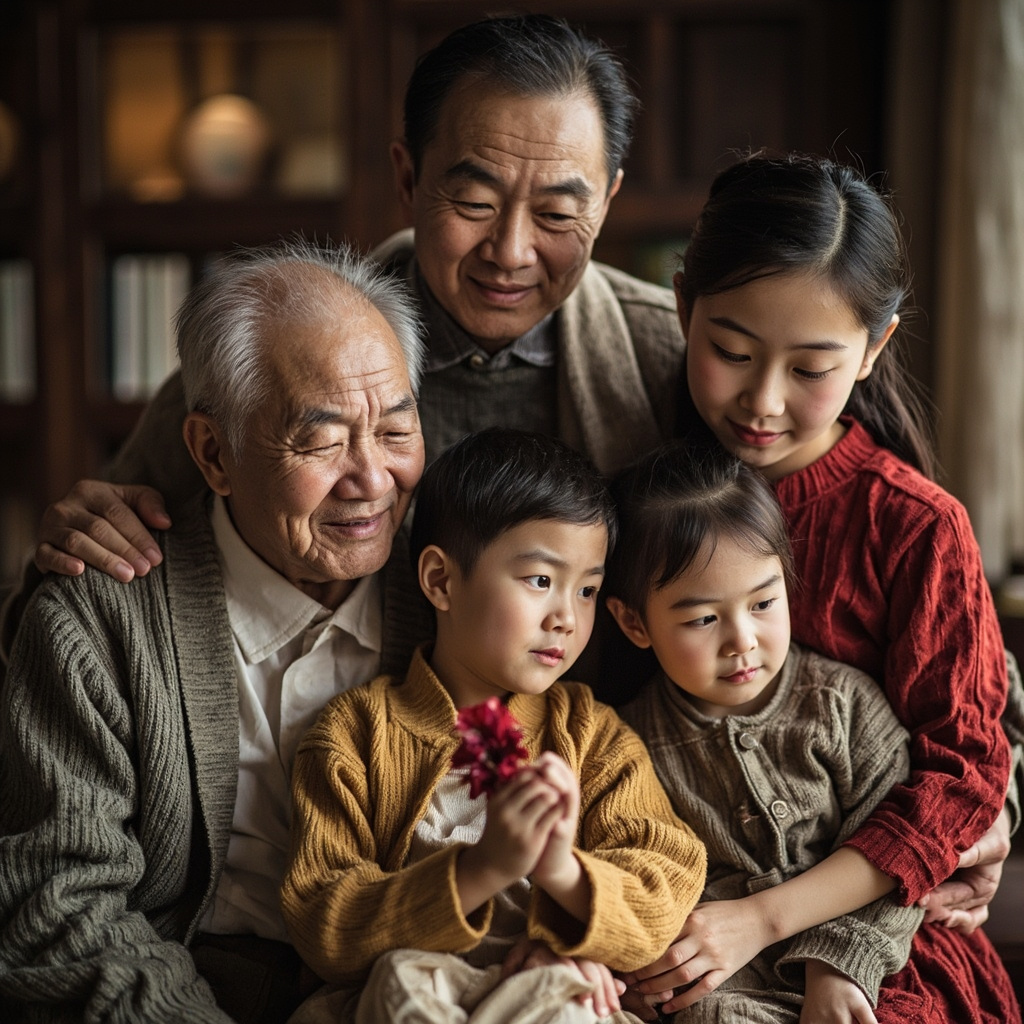
## The Balance
Here is how some families find balance: mutual respect.
My parents never demanded blind obedience. They explained their reasoning. They listened to my perspective. They treated me as someone capable of thought.
And I never abandoned them. I visited regularly. I cared for them in illness. I honored their wishes when I could. I found ways to fulfill my filial duty while still living my own life.
This is not Westernization. This is adaptation. Filial piety does not have to mean sacrificing yourself entirely. It can mean caring for each other across generations. It can mean mutual support. It can mean love that respects both the parent and the child.
## The Truth
So why does filial piety matter so much in China?
Because it is the foundation of Chinese society. Because it has held families together for 5,000 years. Because it creates stability in a changing world. Because our ancestors watching over us is not superstition but connection. Because the young must honor the old for civilization to continue.
Because when my grandmother was dying, I held her hand. Because when my mother grows old, I will hold hers. Because this is what we do for family.
The next time someone asks you why filial piety matters so much in China, tell them: because we do not abandon our parents when they become inconvenient. Because we do not forget them when they grow old. Because family is not a convenience but a commitment.
Because in China, the measure of a person is not their personal achievement. It is how well they honor those who gave them life.
Filial piety is not oppression. It is love. It is duty. It is the Chinese way of saying: you gave me everything, and I will spend my life saying thank you.
