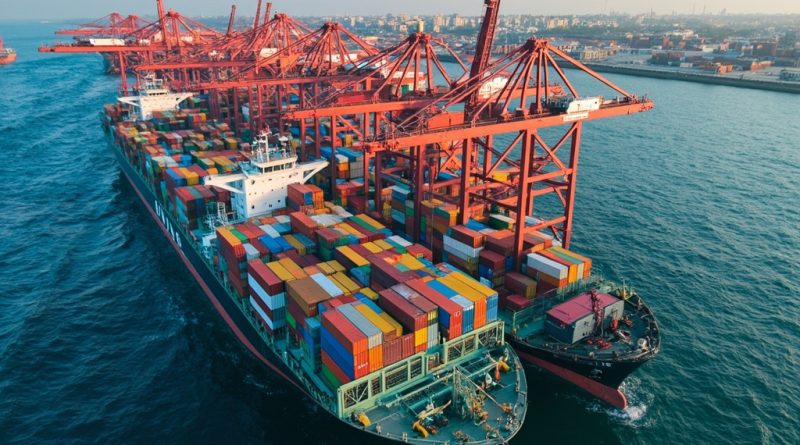
Why Is China Called the World’s Factory?
Why Is China Called the World’s Factory?
Let me tell you about the place that makes almost everything you own: China.
Look around you right now. Your phone. Your clothes. Your shoes. The parts inside your computer. The packaging on your food. If you live in America or Europe, most of it says Made in China.
This is not an accident. This is by design.
Foreigners often ask: how did this happen? Why China? Why did manufacturing move there instead of somewhere else?
Here is why.
## We Were Ready
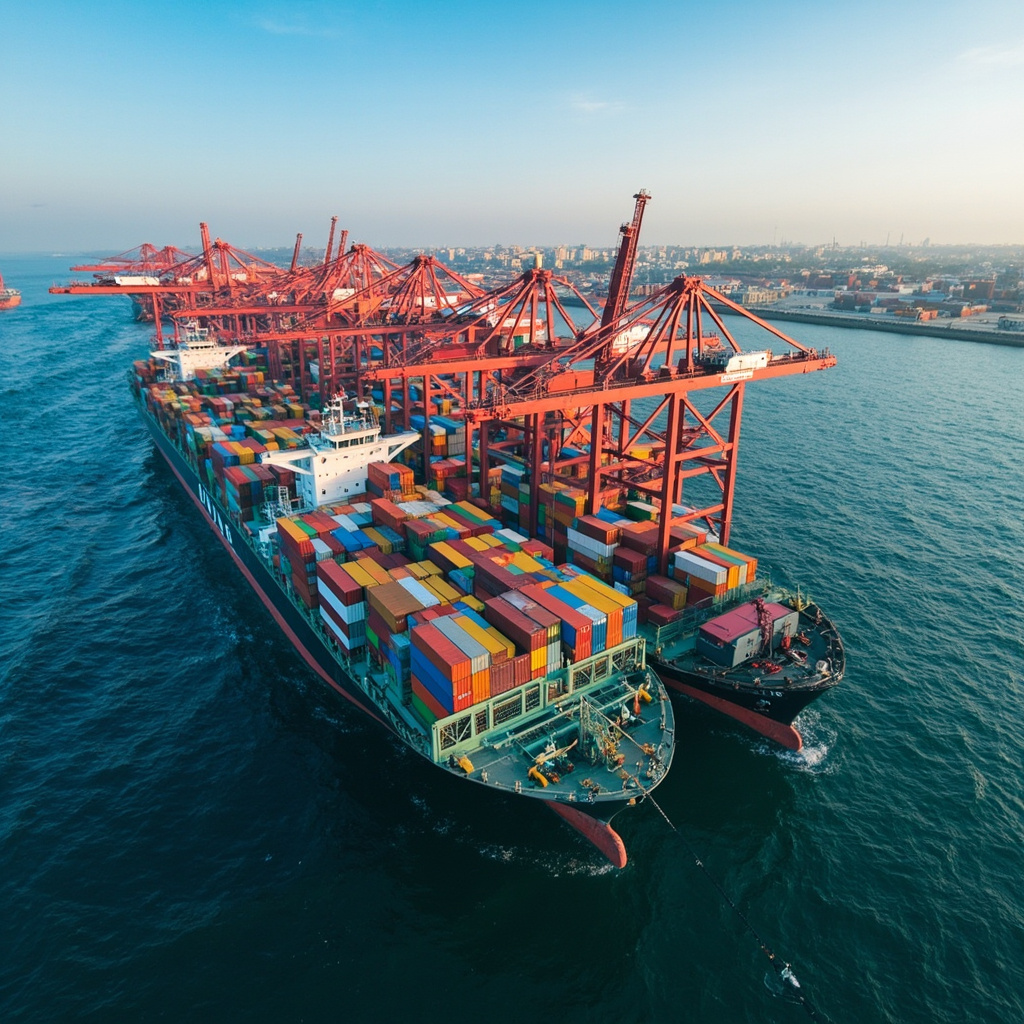
When factories started moving to China in the 1980s and 90s, we were ready.
We had the infrastructure. Roads. Ports. Basic utilities. Not perfect, but functional.
We had the workers. Millions of people who had farming experience and understood how to work with their hands. People who knew how to show up on time. How to follow instructions. How to do repetitive work for hours without complaint.
We had the government. Local officials who understood that factories meant jobs. Jobs meant stability. Stability meant fewer problems. They were motivated to help.
Foreign companies looked at China and saw: low wages, willing workers, government cooperation. What they did not fully see was what we were about to become.
## The Speed Factor
Here is what surprised everyone: we could build factories faster than anyone else.
In America, building a factory takes years. Permits. Environmental reviews. Zoning hearings. Union negotiations. Legal challenges.
In China, when the government decides it wants a factory built, things move.
When Foxconn wanted to build a massive iPhone assembly plant in Shenzhen, they did it in months. Not years. Workers were hired, trained, and producing within a year.
This speed is not just government efficiency. It is the workforce. We have people who want jobs. Who are ready to start tomorrow. Who will work the night shift if needed.
Foreign companies discovered: in China, you do not wait for workers. Workers are waiting for you.
## The Quantity of Workers
Here is something that cannot be overstated: we have a lot of people.
Three hundred million people moved from rural areas to cities in the past thirty years. That is the entire population of the United States, relocating in a generation.
These workers were available for factory jobs. They came from villages where they had little opportunity. They were willing to work for wages that would seem impossibly low to Western workers.
Companies came to China and found: workers who were disciplined. Workers who wanted to improve their lives. Workers who understood that a factory job was better than farming.
The supply of willing workers kept wages low. Low wages attracted more companies. More companies created more jobs. This cycle fed itself for decades.
## The Supplier Ecosystem
Here is what people do not realize: China is not just where things are assembled. It is where things are made.
Every product has components. Components need suppliers. Suppliers need their own suppliers.
Over time, China built an ecosystem. Want to make a smartphone? Every component is available within hours of the factory. Want to make clothing? The fabric, buttons, zippers, thread are all manufactured nearby.
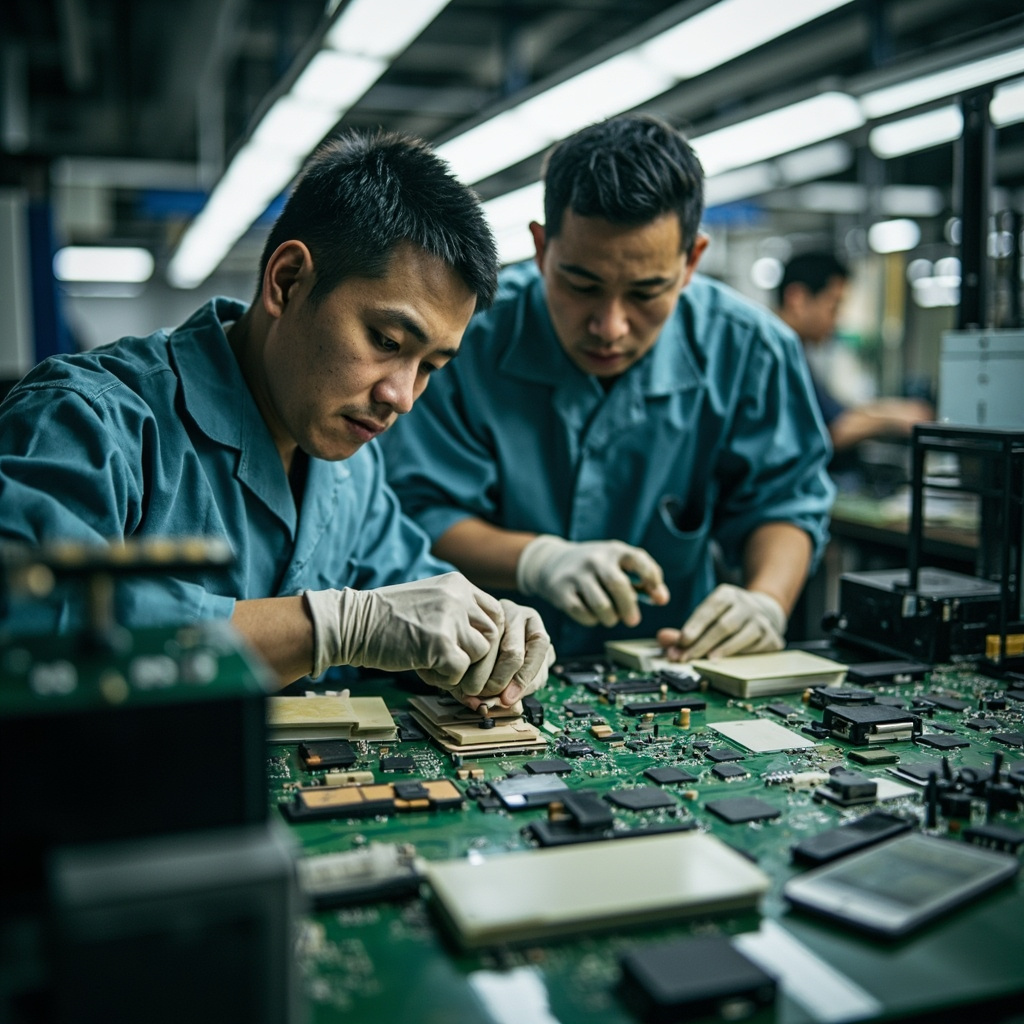
This ecosystem is incredibly difficult to replicate. It took decades to build. Companies that moved factories to other countries discovered: you cannot just move production. You have to rebuild the entire supply chain.
Vietnam can make shoes. But can it make the glue? The machinery? The specialized textiles? These are in China.
## The Technology Growth
Here is what has changed recently: we are not just assembling anymore.
Chinese factories used to be called the world’s factory because we assembled things designed elsewhere. Now, we design and manufacture.
Huawei builds smartphones that compete with Apple. DJI makes drones that dominate the global market. BYD makes electric cars that are reaching European customers.
We learned. We invested in education. We built research centers. We sent students abroad and they came back with knowledge.
The world factory is becoming the world innovator. This is what happens when you invest in your people for decades.
## The Cost We Paid
I will not pretend manufacturing came without cost.
Our rivers were poisoned. Our air turned gray. Workers in factories worked long hours for low pay. Villages were demolished to make way for industrial zones.
Millions of people left their families to work in cities. Children grew up without parents. Elderly parents were left in villages without care.
We made a bargain. Economic growth in exchange for environmental damage and social disruption. We are still paying for that bargain.
## Why It Is Hard to Move
So why do not companies just move to cheaper countries?
Some are. Nike moved some production to Vietnam. Samsung moved some to India.
But here is the reality: rebuilding is expensive. Quality control is harder. Logistics are more complicated. The ecosystem is not there.
When Apple tried to reduce its China dependency, they found: Chinese workers could assemble phones with precision that took years to train. Vietnamese workers needed more time. Indian workers had higher defect rates.
This is not about being better. It is about having a trained workforce. Having suppliers nearby. Having infrastructure that works.
It took forty years to build what we have. It will take decades to build something similar elsewhere.
## The Truth
So why is China called the world’s factory?
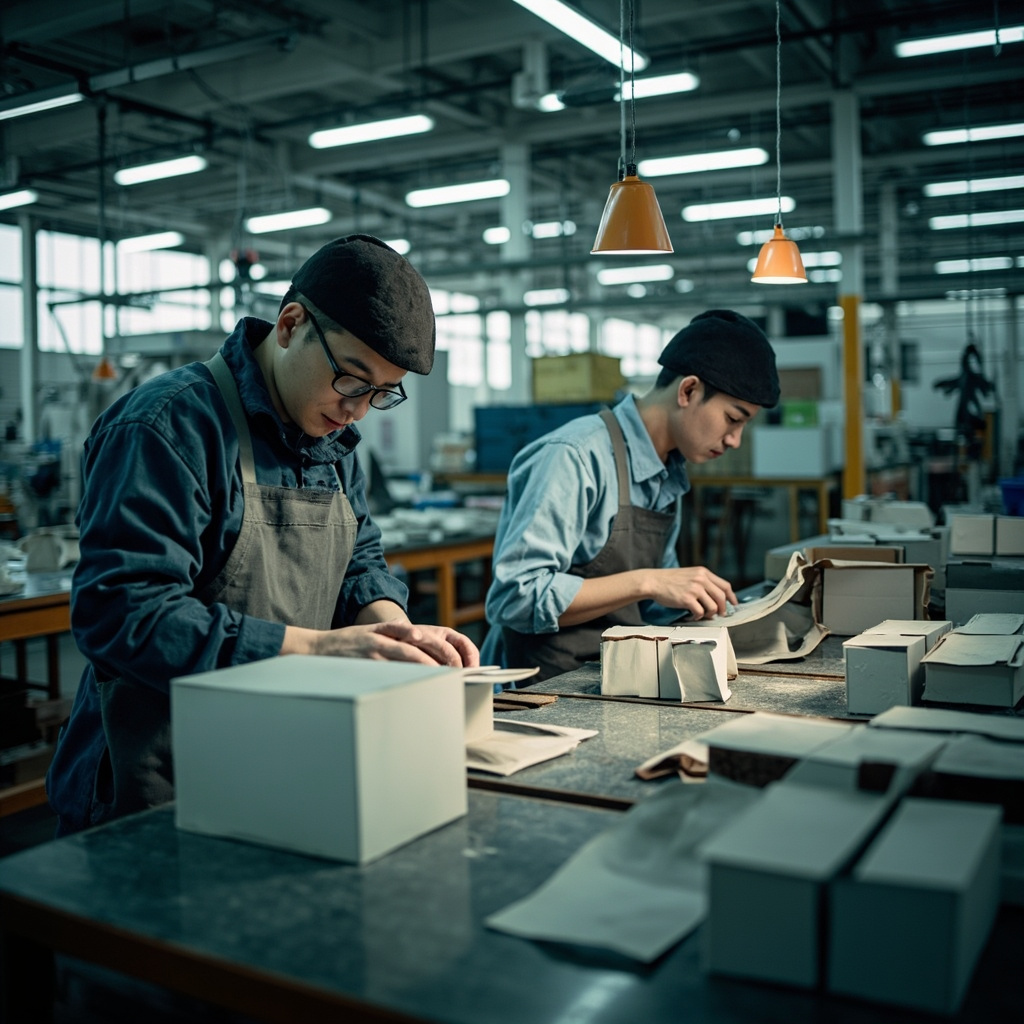
Because we were ready when the opportunity came. Because we had the workers, the infrastructure, the government support. Because we built an ecosystem that makes production efficient.
Because over decades, we invested in capabilities. We learned. We trained. We adapted.
The world factory title was not given to us. We earned it through decades of work, sacrifice, and investment.
The next time someone asks you why everything is made in China, tell them: because when the world needed a factory, China was ready. And we did not stop working until we became indispensable.
