Why Is Chinese BBQ (Kao Rou) So Popular?
Why Is Chinese BBQ (Kao Rou) So Popular?
Here is what happens every summer evening in China: the streets transform.
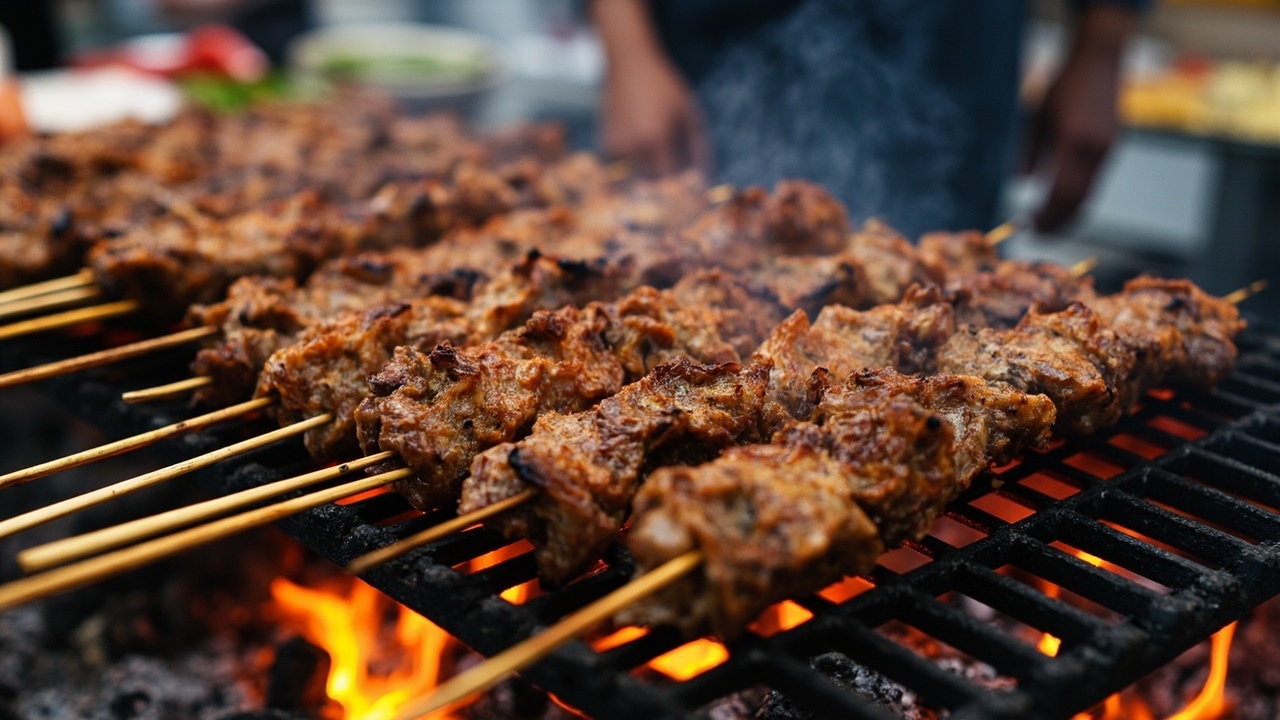
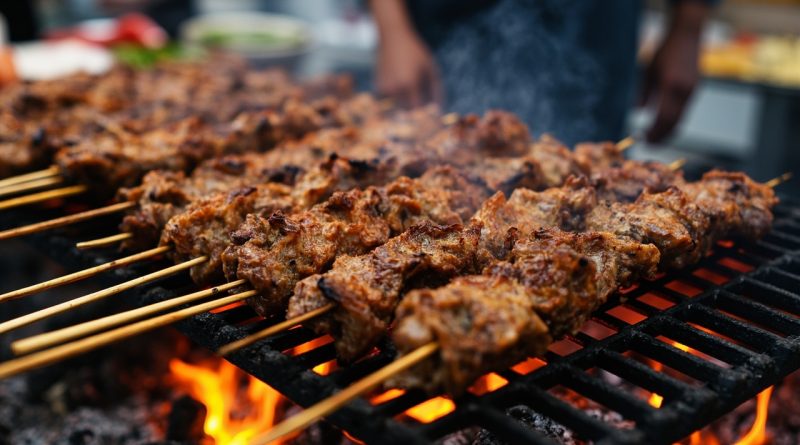
Street vendors wheel out their grills. Charcoal ignites. Smoke rises. The smell of cumin and chili fills the air. Within minutes, crowds gather. Friends call friends. Beer appears. The evening social ritual begins.
This is kao rou, Chinese BBQ. And it is woven into Chinese life in ways that surprise foreigners who encounter it for the first time.
In Western countries, BBQ means backyard cookouts or restaurant experiences. In China, kao rou is street food culture. It is social ritual. It is urban nightlife. It is the great equalizer that brings everyone together under smoky skies.
Here is why Chinese BBQ has become so popular, and what makes it fundamentally different from Western BBQ traditions.
## The Street Food Culture
Here is what makes Chinese kao rou unique: it happens on the street.
In Western countries, BBQ is typically private. Backyard parties, family gatherings, exclusive restaurant dining. The smoke stays contained. The experience stays controlled.
In China, kao rou explodes into public space. Street vendors set up on sidewalks. Night markets dedicate entire sections to grilled meat. The smoke drifts through neighborhoods. The smell announces itself for blocks.
This public nature creates accessibility. Anyone can join. No invitation required. Walk up, point at what looks good, pay a few yuan. The social barrier to entry is zero.
The street setting also creates atmosphere that restaurant BBQ cannot match. Neon signs flicker. Motorcycles zoom past. Other diners chat loudly. The urban chaos becomes backdrop for primal pleasures: fire, smoke, meat, community.
Foreign visitors often describe their first kao rou experience as overwhelming. The sensory assault seems chaotic. But those who push through initial discomfort discover something magical. The disorder creates intimacy. Strangers become friends over shared skewers.
## The Social Ritual
Here is why kao rou matters more than just food: it creates community.
Chinese social culture emphasizes group activities over individual experiences. Dining reflects this value. Shared dishes. Round tables. Communal eating. Food as social glue.
Kao rou amplifies these tendencies. Grilled skewers arrive at the table in piles. Diners grab what they want. Conversation flows around the shared food. The act of eating connects as much as the food itself.
The ordering process reinforces social bonds. Someone takes charge of ordering. They call out quantities. They ensure everyone has enough. This natural leadership emerges organically around kao rou tables.
Beer flows freely at kao rou sessions. Alcohol lowers social barriers. Strangers become friends after shared skewers and beers. The combination of food, drink, and fire creates rapid intimacy.
Business relationships form over kao rou. Negotiations happen with skewers in hand. Deals close with another round of beers. The informal setting enables conversations that formal meetings cannot.
## The Taste Explosion
Here is what makes Chinese BBQ so addictive: the flavors.
Lamb skewers seasoned with cumin and chili represent the quintessential kao rou experience. The cumin comes from Central Asian trade routes. The chili from the Americas. Chinese kao rou blends influences from across Eurasia.
The meat preparation matters crucially. Lamb is typically sliced thin against the grain. This creates maximum surface area for char. The exterior chars while the interior stays juicy. Each skewer delivers textural contrast.
The char itself carries essential flavor. Chinese diners prize the slightly burnt edges. The smoky, almost carbonized meat provides intensity that purely cooked meat cannot match. Seeking these charred bits represents accepted practice.
Dipping sauces amplify everything. Chilis, garlic, sesame. Each diner customizes their skewers. The personal customization makes each bite individual even while sharing communal food.
The combination of cumin, chili, garlic, and sesame creates flavor profiles entirely different from Western BBQ. Where American BBQ emphasizes sweet and tangy, Chinese kao rou emphasizes savory and spicy. The taste is more aggressive, more immediate.
## The Accessibility Factor
Here is what democratizes kao rou: it is incredibly cheap.
In major Chinese cities, lamb skewers cost a few yuan each. A filling meal of twenty skewers costs less than a fancy coffee in Western countries. Students can afford kao rou. Workers can afford kao rou. Everyone can participate.
This affordability explains kao rou’s universal appeal. It is not elite food for elite occasions. It is daily food for daily pleasures. Anyone can enjoy it regardless of income.
The low price point also enables frequent consumption. Kao rou is not saved for special occasions. It appears in casual weekday dinners. Weekend gatherings. Late-night snacks after bar hopping. The constant availability keeps cravings satisfied.
Street vendors keep prices low through efficiency. Minimal equipment. Simple ingredients. Direct customer interaction. No restaurant overhead. The vendor makes profit on volume rather than margins.
This economic model creates sustainable street food culture. Vendors earn livings. Customers receive affordable pleasure. The system works for everyone.
## The Evening Ritual
Here is how kao ru schedules itself: it belongs to the night.
In China, dining times differ from Western countries. Lunch is quick. Dinner starts late, often after 7 or 8 PM. Night markets do not peak until 9 or 10 PM.
Kao rou fits perfectly into this late-night culture. Vendors appear as evening darkness falls. They peak around 10 PM. They stay until meat sells out or police clear the streets.
This night orientation serves social functions. Kao rou becomes part of evening entertainment. Friends gather after dinner or work. They walk the night markets. They stop for skewers. The grilled meat punctuates evening exploration.
Hot summer nights make kao rou especially appealing. The charcoal heat becomes welcome rather than unbearable. Ice-cold beer tastes better after standing over flames. The season shapes the ritual.
Winter brings different pleasures. Warm skewers against cold air. Breath fogging in the chill. Hot food against cold bodies. Seasonal variation keeps the experience fresh across the year.
## The Skill of the Vendor
Here is what separates great kao rou from mediocre: serious craft.
Flipping skewers requires genuine skill. Too much heat and the exterior burns while interior stays raw. Too little and the char fails to develop. The perfect kao rou requires constant attention and experienced timing.
Veteran vendors develop techniques over decades. They judge doneness by smell and sound. They read the flames like weather. Their hands move with practiced economy. The result shows mastery invisible to casual observers.
The lamb itself matters. Quality varies enormously. Better vendors source from specific farms. They ensure proper age of the animal. They control the cut of meat. This sourcing creates differentiation that casual diners might not notice but repeat customers feel.
Marination timing affects everything. Some vendors marinate for hours. Others apply spices moments before grilling. Each approach creates different results. Repeat customers learn their vendor’s style and develop preferences.
This skill dimension means kao rou is not merely cooking. It is craft tradition passed through generations. Young vendors apprentice under masters. They develop their own variations. The skill transfer creates continuity with the past.
## The Night Market Ecosystem
Here is what surrounds kao rou: complete entertainment environments.
Night markets in China offer more than food. They provide spectacle. Vendors compete for attention through performance. They shout. They gesture dramatically. They create theater while cooking.
The competitive environment drives quality. Vendors must attract customers from among dozens of alternatives. The best attract lines. The mediocre struggle. Natural selection improves the average over time.
Beyond kao rou, night markets offer complementary foods. Grilled seafood. Fried小吃. Cold beer. Desserts. The variety keeps customers moving through the market. One skewer from vendor A, a portion of grilled corn from vendor B, some cold noodles from vendor C.
This ecosystem creates destination experiences. Visitors come for the entire market, not one specific vendor. The variety ensures everyone finds something appealing. The communal atmosphere makes wandering pleasurable.
Night market kao rou also offers safety in numbers. Solo diners feel comfortable eating alone surrounded by crowds. The public setting provides security. The presence of families and couples signals appropriate family dining.
## The Cultural Fusion
Here is what makes Chinese kao rou internationally distinctive: its multicultural influences.
Chinese kao rou developed along Silk Road trade routes. Central Asian merchants brought grilling techniques. They introduced cumin and other spices. Chinese cooks adapted these techniques, creating something hybrid.
This fusion continues today. Xinjiang-style lamb skewers represent the classic kao rou style. But other regional variations incorporate Sichuan peppercorns or Yunnan spices. Each region adapts the core template.
Korean BBQ influenced Chinese kao rou as Korean restaurants spread through China. The banchan accompaniments appeared alongside grilled meat. The social grilling experience at tables became normalized.
Japanese yakiniku created premium expectations for grilled meat quality. Chinese consumers learned to appreciate wagyu equivalents. High-end kao rou emerged, serving premium meats at restaurant prices.
This multicultural layering created depth in Chinese BBQ culture. Street vendors offer traditional experiences. Restaurant versions provide refined alternatives. The ecosystem spans price points and quality levels.
## The Health Appeal
Here is what challenges assumptions about Chinese BBQ: it can be relatively healthy.
Compared to deep-fried Chinese foods, kao rou offers protein with less processing. The high heat seals meat exterior quickly. Minimal oil required. The char contains beneficial compounds.
Vegetable accompaniments balance the meat. Grilled peppers, eggplant, and mushrooms appear at quality kao rou establishments. These vegetable options ensure nutritional variety.
The communal eating style naturally moderates portions. Diners take small amounts repeatedly rather than consuming giant individual plates. This pacing supports digestion and satisfaction.
Beer consumption might seem unhealthy but moderate alcohol aids meat digestion in Chinese food culture. The combination has traditional justification beyond mere pleasure.
Modern kao rou establishments emphasize quality sourcing. Free-range animals. Organic vegetables. Clean cooking practices. The street food origins no longer guarantee low quality.
## The Global Expansion
Here is what is changing now: Chinese kao rou spreads worldwide.
Chinese diaspora communities opened kao rou restaurants in Western cities. London, New York, Los Angeles, Toronto all now have lamb skewer options. The spread follows patterns established by Chinese food globalization.
These international versions adapt to local preferences. Less cumin for American palates. More sauce options. Cleaner cooking environments. The adaptations make kao rou accessible to new audiences.
Western food critics discovered kao rou and wrote enthusiastically about it. This critical attention brought mainstream awareness. Young foodies seek authentic experiences beyond traditional Western BBQ.
Fast casual kao rou chains emerged to meet growing demand. These chains standardize quality and streamline operations. They bring street food efficiency to restaurant settings.
The globalization of Chinese food culture creates new appreciation for kao rou’s unique qualities. It offers different pleasures than Western BBQ. The competition enriches global BBQ culture broadly.
## The Truth
So why is Chinese BBQ (kao rou) so popular?
Because it is street food democracy. Because it costs almost nothing. Because anyone can participate. Because the social barriers are zero.
Because the flavors explode with cumin, chili, garlic, and char. Because the textures contrast charred exterior with juicy interior. Because the taste represents millennia of cultural fusion along trade routes.
Because it happens at night in vibrant public spaces. Because the night market ecosystem creates complete entertainment experiences. Because strangers become friends over shared skewers and beers.
Because the skill of veteran vendors creates craft traditions. Because mastery passes through generations. Because the competition drives continuous improvement.
Because it represents Chinese social culture at its best. Communal eating. Shared food. Community building. The individual finds belonging through collective pleasure.
The next time you see smoke rising from a street corner in China, follow it. Find the vendor. Order a skewer or ten. Stand with the crowd. Eat, drink, and connect.
You will understand why kao rou has fed Chinese souls for centuries. And why it is now winning hearts worldwide.