Why Is Chinese Classical Music So Undervalued?
Why Is Chinese Classical Music So Undervalued?
Here is what happens when you mention Chinese classical music to most Western audiences: blank stares.
They know Beethoven. They know Mozart. They know Bach. They might even know Ravi Shankar, the Indian sitar master. But Chinese classical music? The instruments, the composers, the traditions? Almost invisible outside China.
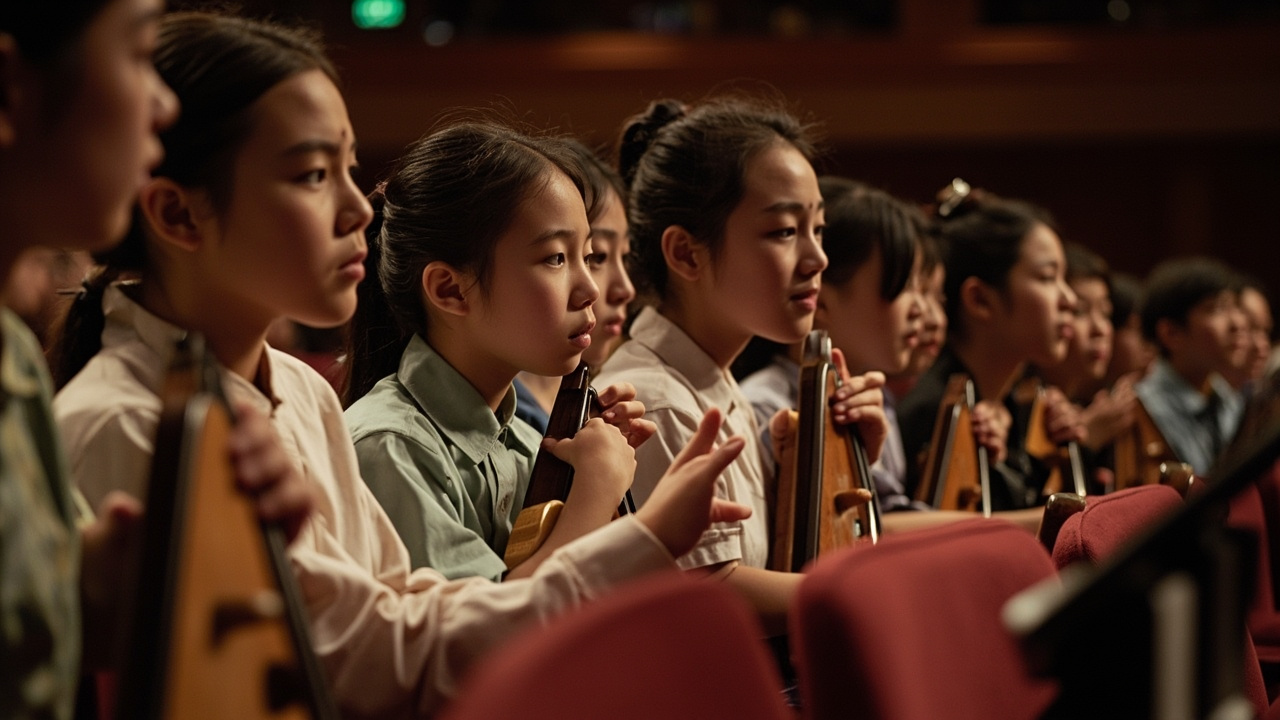
This is remarkable. China has 5,000 years of musical civilization. An extraordinarily rich tradition of orchestral music. Sophisticated compositional techniques. Master performers who technically rival the best in the world.
Yet globally, Chinese classical music exists in near obscurity. Here is why this happened, and why it matters.
## The Rich Tradition
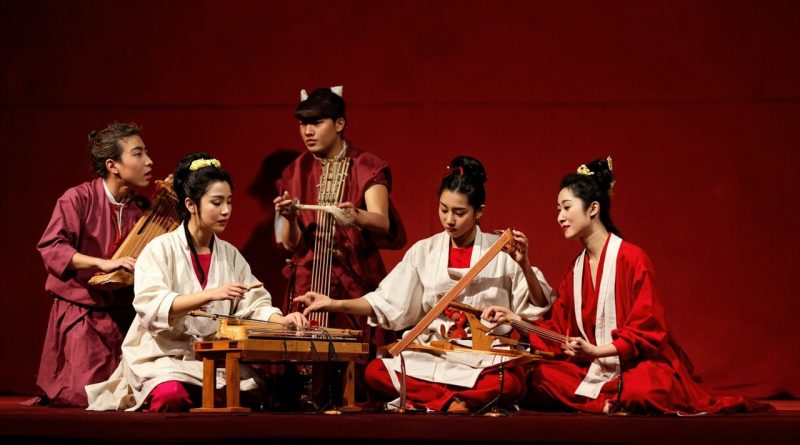
Here is what the world is missing: Chinese classical music spans thousands of years.
The guqin, a seven-string zither, dates back to ancient times. Confucius himself played this instrument. Its repertoire includes pieces composed over 1,500 years ago. These works carry philosophical depth that most Western classical music does not match.
The pipa, a four-string lute, produces sounds unlike any Western instrument. Its rapid plucking techniques create bird calls and battlefield noises. Its repertoire tells stories of warriors and princesses, tragedies and triumphs.
The erhu, a two-string bowed instrument, mimics the human voice more closely than any Western violin. Its sound can make listeners weep. Its expressive range exceeds most classical instruments.
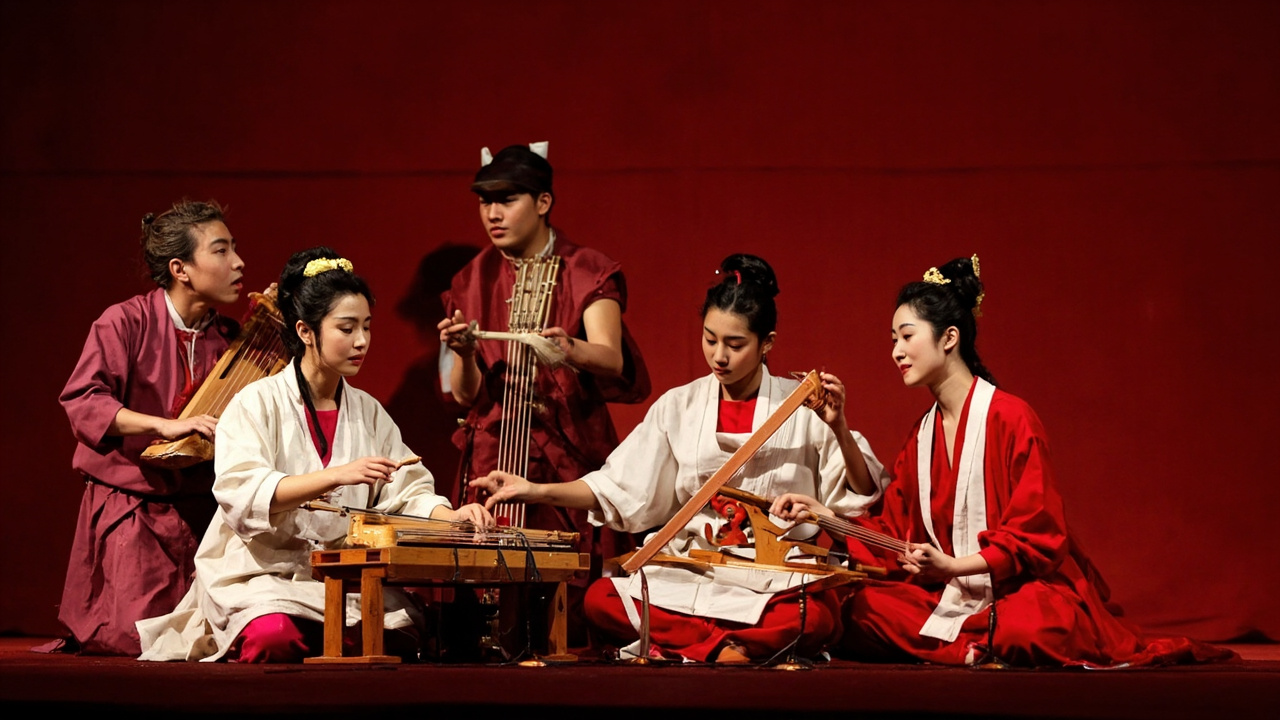
Traditional Chinese orchestras combine these instruments with flutes, drums, and bells. The sound is distinctive. Rich. Deeply emotional. Entirely different from Western orchestral traditions.
## The Orchestral Revolution
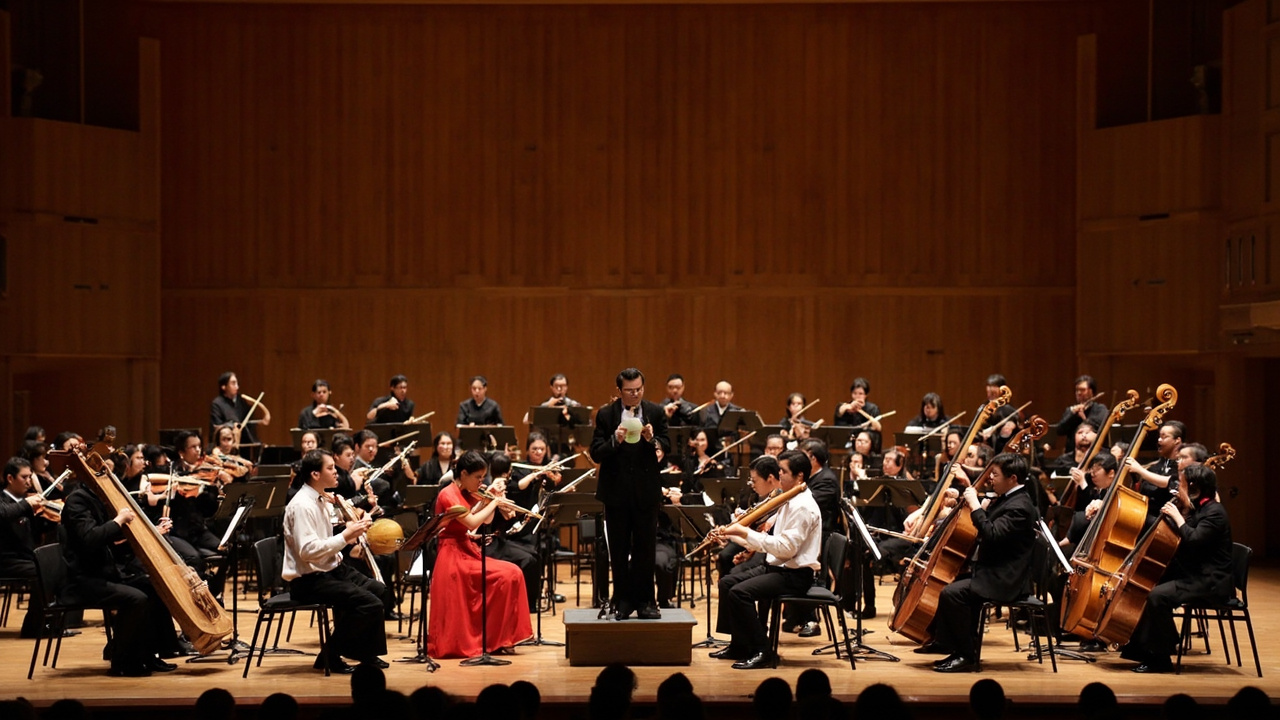
Here is what many people do not realize: China developed full orchestral classical music in the 20th century.
Western-trained Chinese composers created symphonic works that blend Eastern and Western traditions. These pieces use Western orchestral forms while incorporating Chinese melodies, instruments, and philosophical concepts.
Modern composers like Tan Dun continue this tradition. His film scores for Crouching Tiger, Hidden Dragon became global phenomena. His Concerto for Water and Silk uses Chinese instruments in ways that redefined what orchestral music could be.
These composers did not simply copy Western forms. They transformed them. They created something genuinely new: Chinese orchestral music with global relevance.
## Why the World Ignores It
Here is the uncomfortable truth: global music culture is dominated by Western gatekeepers.
Classical music institutions in Europe and America set standards for what counts as important. Their concert programming, their recording contracts, their criticism shape global perception. Chinese music rarely enters these circles.
This gatekeeping is not always conscious. Western audiences simply hear Chinese names and assume the music will be exotic, strange, difficult. Marketing reinforces this prejudice. Chinese classical recordings rarely receive major label promotion outside China.
Historical factors matter too. During the Cold War, Chinese classical music was politically suspect in the West. It was associated with a hostile ideology. This stigma persisted even after political relations normalized.
## The Cultural Context Problem
Here is what makes Chinese classical music difficult to appreciate: it requires cultural context.
Chinese music operates on different aesthetic principles than Western music. Where Western music emphasizes harmonic progression and resolution, Chinese music focuses on melodic development and emotional atmosphere.
The concept of yin and yang shapes Chinese musical structure. Pieces balance light and dark tones. They create emotional journeys that Western training does not recognize as formal development.
Western classical music trains listeners to hear structure. Chinese classical music asks listeners to feel atmosphere. This is a fundamentally different mode of engagement.
## The Global Revival
Here is what is changing: Chinese classical music is gaining global attention.
Chinese orchestras now tour internationally. They perform in major concert halls. Audiences encounter the music firsthand rather than through recordings.
Film scores have introduced Chinese orchestral sounds to mass audiences. Composers like Tan Dun showed that Chinese classical music could be commercially successful globally. This opened doors for other composers.
Young Chinese diaspora musicians are bridging cultures. They grew up with both traditions. They translate Chinese classical works for Western audiences. They make the music accessible without diluting it.
Digital platforms have helped too. YouTube and Spotify expose listeners who would never attend live concerts. Algorithm recommendations sometimes guide curious listeners toward Chinese classical repertoire.
## The Technical Mastery
Here is what impresses trained musicians who give Chinese classical music a chance: the technical level is extraordinary.
Chinese conservatories produce virtuosic performers. Competition for places is fierce. Students practice for hours daily. The training rival any in Europe or America.
When Western orchestras perform Chinese works, Chinese musicians often play the leading roles. The technique required to perform this music matches or exceeds Western standards.
This technical mastery sometimes backfires. Critics focus on technical perfection at the expense of emotional depth. They dismiss the music as cold, mechanical. This misses the point. The technique serves expression, not the reverse.
## The Philosophical Depth
Here is what makes Chinese classical music valuable: it carries philosophical content Western music lacks.
Many Chinese classical pieces depict journeys of self-cultivation. The listener is meant to progress spiritually while listening. The music is as much about becoming as about hearing.
The concept of wu wei, or effortless action, shapes performance style. Musicians aim for naturalness that appears effortless but requires lifetimes to achieve. This philosophy produces a distinctive sound.
Taoist concepts of naturalness and spontaneity appear in improvisational elements. Even composed pieces leave room for performer interpretation within philosophical boundaries.
These philosophical dimensions give Chinese classical music a different purpose than Western art music. It is not merely entertainment or emotional expression. It is a path toward wisdom.
## The Identity Question
Here is the deeper issue: Chinese classical music represents Chinese identity.
In diaspora communities, Chinese classical music marks cultural belonging. Concerts bring together people who share heritage. The music reminds them of home, of ancestors, of identity.
This identity function explains why the music matters beyond its purely musical qualities. For Chinese listeners, these sounds carry memories and meanings that transcend artistic judgment.
For non-Chinese listeners, engaging with Chinese classical music means engaging with a different worldview. The music offers access to philosophical traditions that shaped one-quarter of humanity. This cultural exchange enriches global understanding.
## The Commercial Challenges
Here is the economic reality: Chinese classical music struggles commercially.
Western classical music dominates the global market. Recording contracts, concert bookings, and media coverage flow toward European and Russian performers. Chinese musicians must fight for scraps.
The market within China is large but self-focused. Chinese orchestras perform for Chinese audiences. They rarely develop international reach. This insularity perpetuates the perception that Chinese classical music is regionally relevant only.
State support helps in some ways. Government funding enables orchestras and conservatories. It also constrains artistic freedom. Composers face political pressures that Western colleagues do not. This creates art that sometimes feels compromised.
## The Path Forward
Here is what would help: more exposure, better translation, and cultural humility from gatekeepers.
Concert programmers should actively seek Chinese works. Record labels should invest in Chinese artists. Critics should learn enough context to discuss the music fairly.
Listeners should approach Chinese classical music without expecting it to sound like Western music. The different is not deficient. The unfamiliar is not inferior.
Chinese musicians should continue bridging cultures. They should translate context for Western audiences. They should perform in ways that make the music accessible without pandering.
## The Truth
So why is Chinese classical music so undervalued?
Because global culture remains dominated by Western gatekeepers who do not understand it. Because cultural context required to appreciate it is lacking outside China. Because Cold War prejudices still shape perception. Because the music asks for different modes of listening that Western audiences have not developed.
But also because Chinese institutions have not fully committed to global promotion. Because diaspora musicians have not yet achieved critical mass as cultural translators. Because digital platforms still rely on algorithms that reinforce existing patterns.
Chinese classical music deserves to be heard. It offers beauty, depth, and philosophical insight that enrich the global musical landscape. Its instruments produce sounds the West has never matched. Its composers have created works of profound emotional power.
The next time you see a Chinese classical music concert announced, consider attending. Bring an open mind. Prepare to hear something genuinely different. You might discover that what you thought was exotic is actually universal.
Music that has moved audiences for thousands of years has something to say to you.