Why Is Chinese Food So Oily?
Why Is Chinese Food So Oily?
Here is a conversation that happens in Chinese restaurants around the world:
“This dish is really good.”
“Yeah, but look at all that oil on top.”
“Yeah, but still good.”
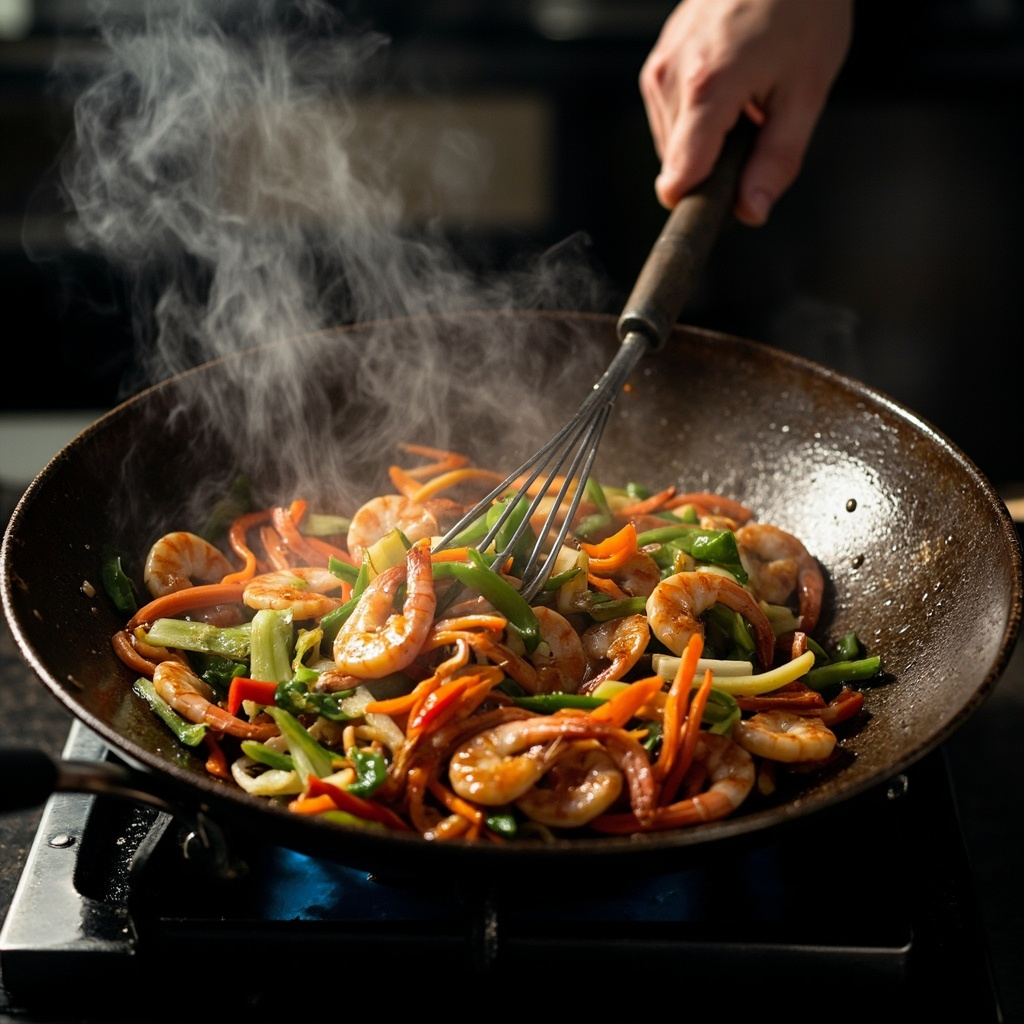
Foreigners often notice this. Our food — especially stir-fried dishes — tends to look shiny. There is often a visible layer of oil on top of the dish. Spoon it out and you could almost fuel a small car.
This is not imagined. Our stir-fried dishes are cooked in significant amounts of oil. And once you understand why, you stop asking “why is it so oily?” and start asking “why does it taste so good?”
## Why Does Our Food Look So Shiny?
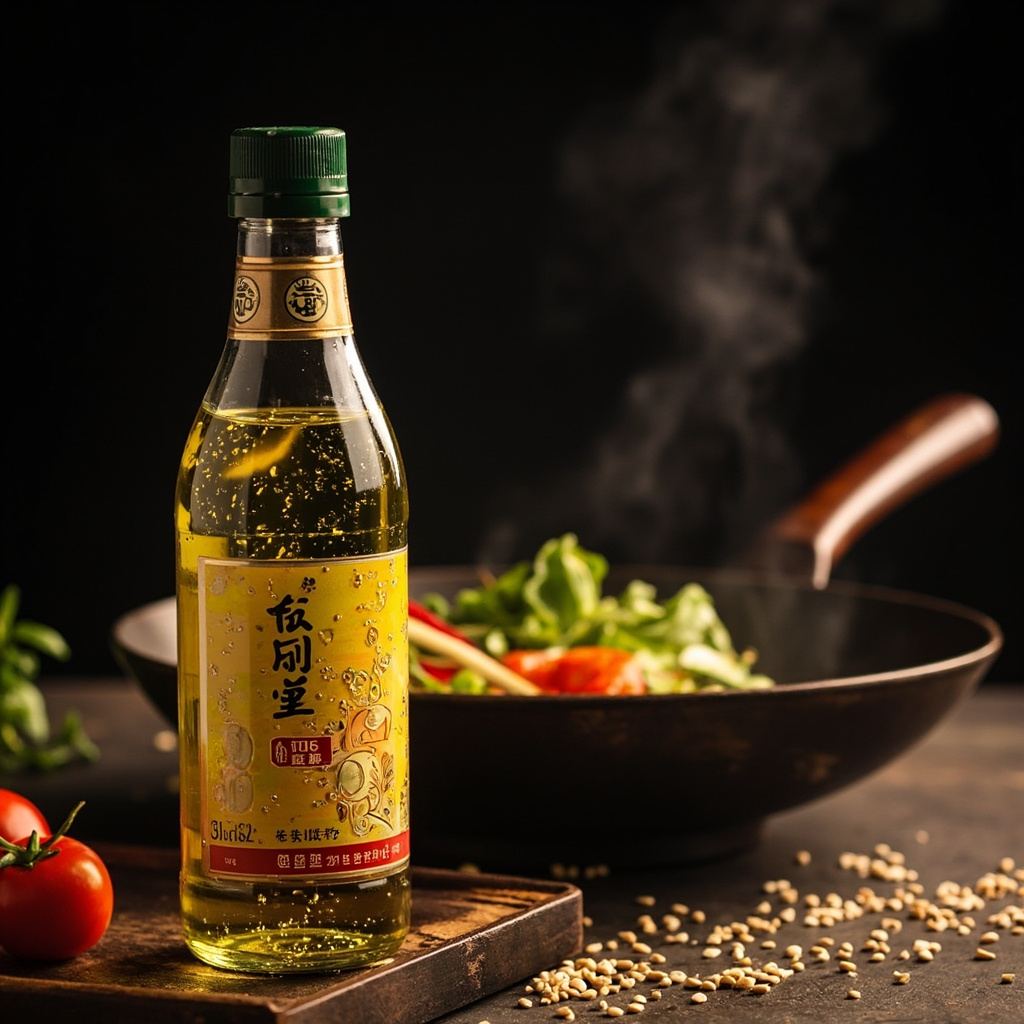
That shine is oil. Our stir-frying uses oil at high temperatures, and the oil coats everything. It is not added for decoration. It is a functional part of the cooking.
## Is All That Oil Bad For You?
This is a fair question. Modern health advice recommends limiting oil intake. But our traditional framework and modern nutritional science do not always agree on what “bad” means. More on this later.
## Why We Do Not Seem Concerned About Oily Food
We are concerned, actually. But the concept of “oily” in our food culture is different from the Western concept of “greasy fast food.”
## How Do Our Cooks Get That Shiny Look?
High heat, quick cooking, and the right amount of oil. It is technique.
## The History: It Is All About the Wok
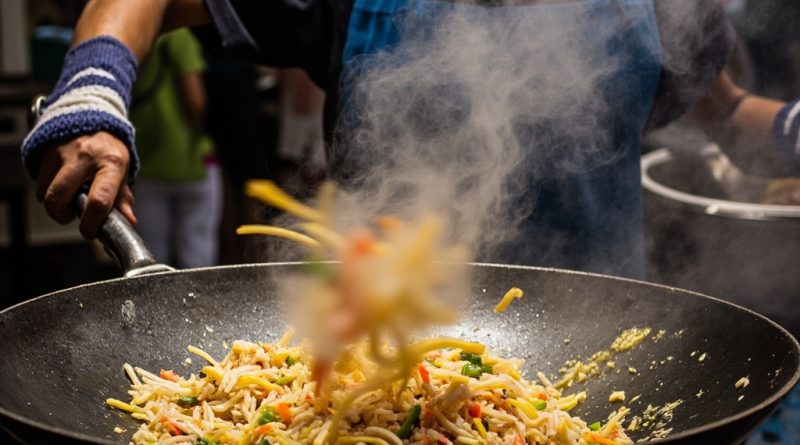
Here is what most people do not know: the oily appearance of our food is directly tied to the invention of the wok.
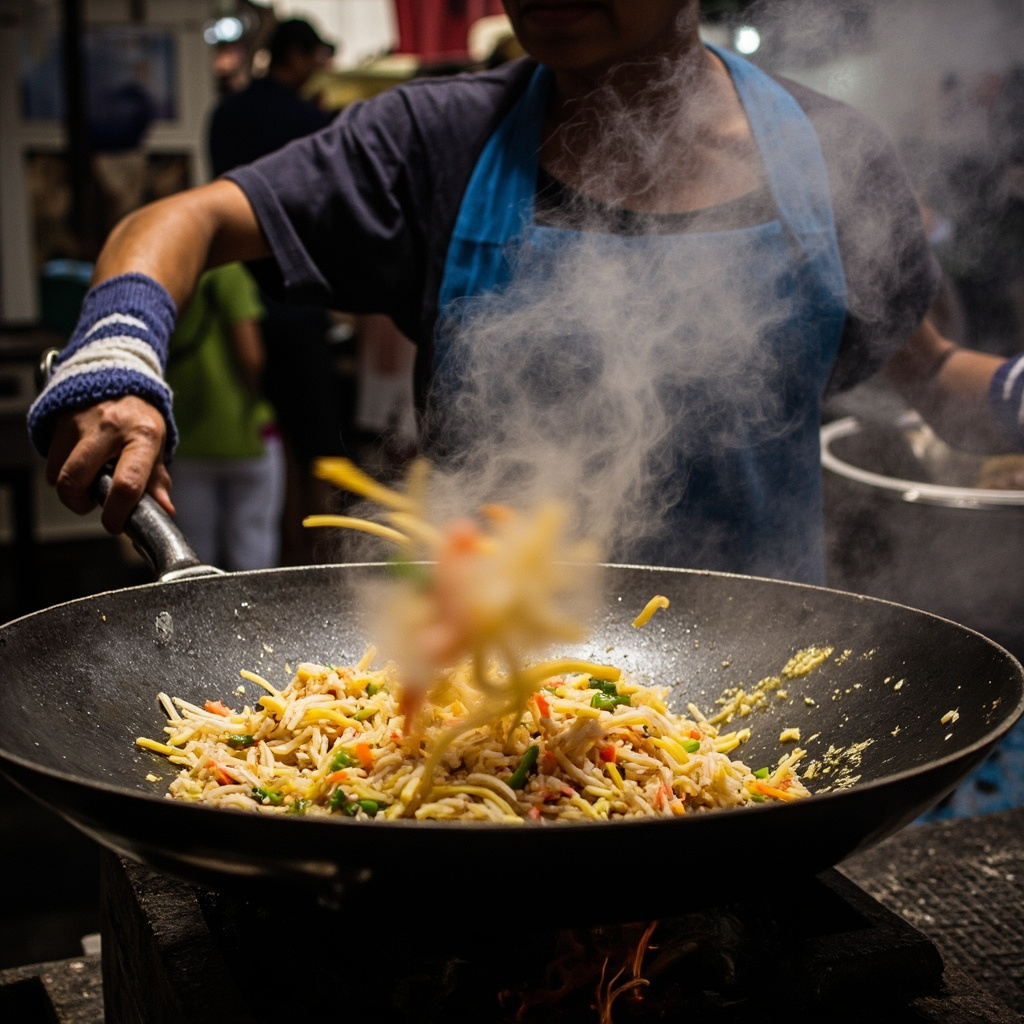
The wok changed everything. But it was not just the wok — it was the combination of wok + high heat + oil that created our stir-frying as we know it.
Our cooking method requires a small amount of oil in a hot wok. The oil is not the star. It is the medium for heat transfer.
The reason this matters: oil has a much higher smoking point than water. When you heat oil in a wok to the point where it shimmers, you can cook food at temperatures above 200°C. This creates the “镬气” (huo qi, wok breath) — that distinctive charred, smoky flavor of properly made stir-fried dishes.
Without oil, this would not be possible.
## The Song Dynasty Revolution
Stir-frying as a technique is relatively recent in our culinary history.
During the Song Dynasty, several key innovations came together:
The iron wok became mass-produced and affordable. This made stir-frying accessible to ordinary families, not just the wealthy.
Coal and charcoal as cooking fuels allowed for the extreme temperatures that stir-frying requires.
The combination of wok + oil + high heat created the cooking method that defines our food today. It was a technological revolution.
## Why Oil, Not Water?
Water boils at 100°C — you cannot get food above that temperature without pressure cooking. Oil can reach 200°C or higher, allowing for the quick cooking that preserves vegetable texture and creates wok breath.
In our traditional thinking, oily foods are considered nourishing. The fat carries fat-soluble nutrients from vegetables. Eating stir-fried vegetables with oil helps your body absorb vitamins like A, D, E, and K.
Our phrase “油水足” — having enough “oil water” — means having enough nourishment. Food without oil was considered insufficient.
## The Technique That Makes It Work
Our stir-frying is not just “frying in oil.” It is a specific technique with specific outcomes:
Heat the wok until it smokes
Add oil
Heat the oil until it shimmers
Add aromatics (garlic, ginger) for 30 seconds
Add protein, cook quickly
Add vegetables, keep everything moving
The wok’s curved surface keeps food moving — nothing sits and cools
The high heat creates wok breath — that slightly charred flavor
The result is not greasy food. It is food that is coated in a thin layer of oil that carries flavor and heat. The oil is the delivery system.
When foreigners complain about oily food, they are often complaining about bad technique — food that has been overcooked in too much oil, or oil that has not been heated correctly.
## Why It Looks Greasier Than It Is
Here is a confession: the oil on top of our dishes is often just surface tension.
When you serve a stir-fried dish, the liquid in the wok — which contains oil, sauce, and the liquid released from vegetables — settles on top. It looks oily because it is. But the actual amount of oil per serving is not that different from Western dishes like sautéed vegetables in butter.
The visual impression is more intense than the actual oil content. A dish that looks swimming in oil might have no more than a tablespoon of oil total, distributed across four servings.
## The Health Question
Is our food too oily? Modern health advice recommends limiting added fats. In that framework, our stir-frying is not ideal.
But we have our own health framework. The perspective is that “油水” (oil water, fat) is necessary for nourishment. A completely non-fat diet is considered unhealthy in our thinking.
The practical response: balance. Oily stir-fried dishes are eaten with rice (which absorbs some oil) and soup (which aids digestion). The meal as a whole is balanced.
Also worth noting: our home cooking often uses less oil than restaurant cooking. The “oily” reputation comes partly from restaurant dishes, which use more oil than a typical family would.
## The Bottom Line
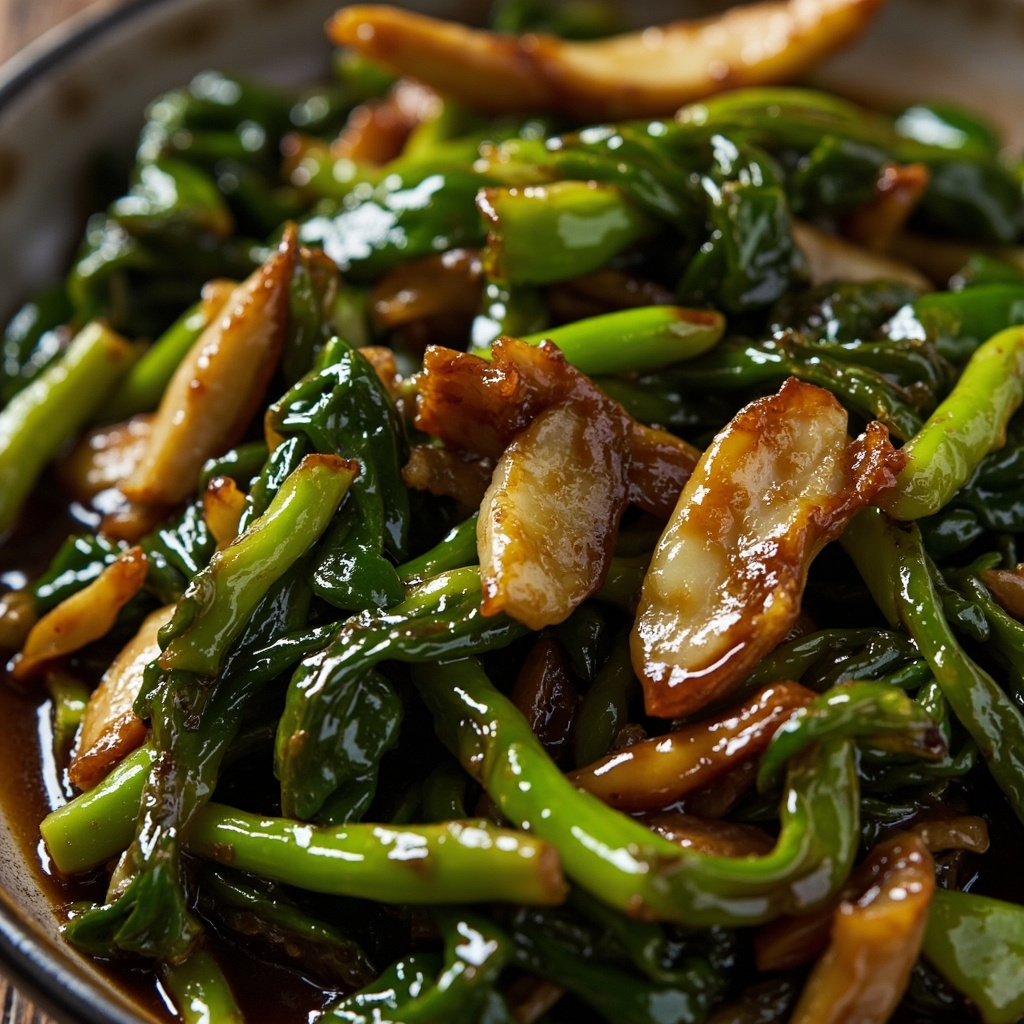
The next time you eat a dish that looks shiny with oil, understand what you are seeing: not excess, but technique. The oil is there to transfer heat, carry flavor, and create the wok breath that makes our stir-frying distinctive.
Is it healthy in modern nutritional terms? Everything in moderation.
Is it delicious? That is not even a question.
The oil is not the enemy. It is the vehicle.