Why Is Collectivism So Important in Chinese Culture?
Why Is Collectivism So Important in Chinese Culture?
Let me tell you about something that foreigners struggle to understand about us: we think in groups, not individuals.
When Western visitors come to China, they notice something different. We do not always say what we personally think. We ask what the group thinks. We ask what the family decides. We ask what the company prefers.
Foreigners call this herd mentality. We call it survival.
## The Historical Foundation
Our collectivism did not appear overnight. It goes back thousands of years.
In ancient China, survival meant the clan. The family. The village. If you were alone, you died. If you were part of the group, you lived.
This was not philosophy. This was reality. Floods, famines, wars: these wiped out individuals. But clans survived. Families survived. Communities survived.
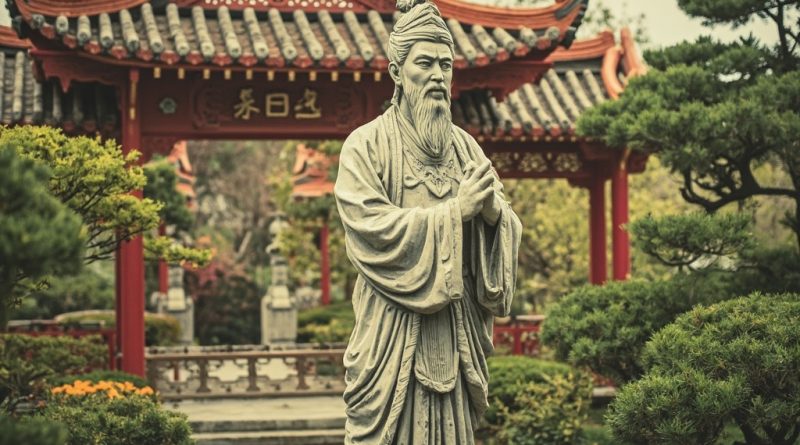
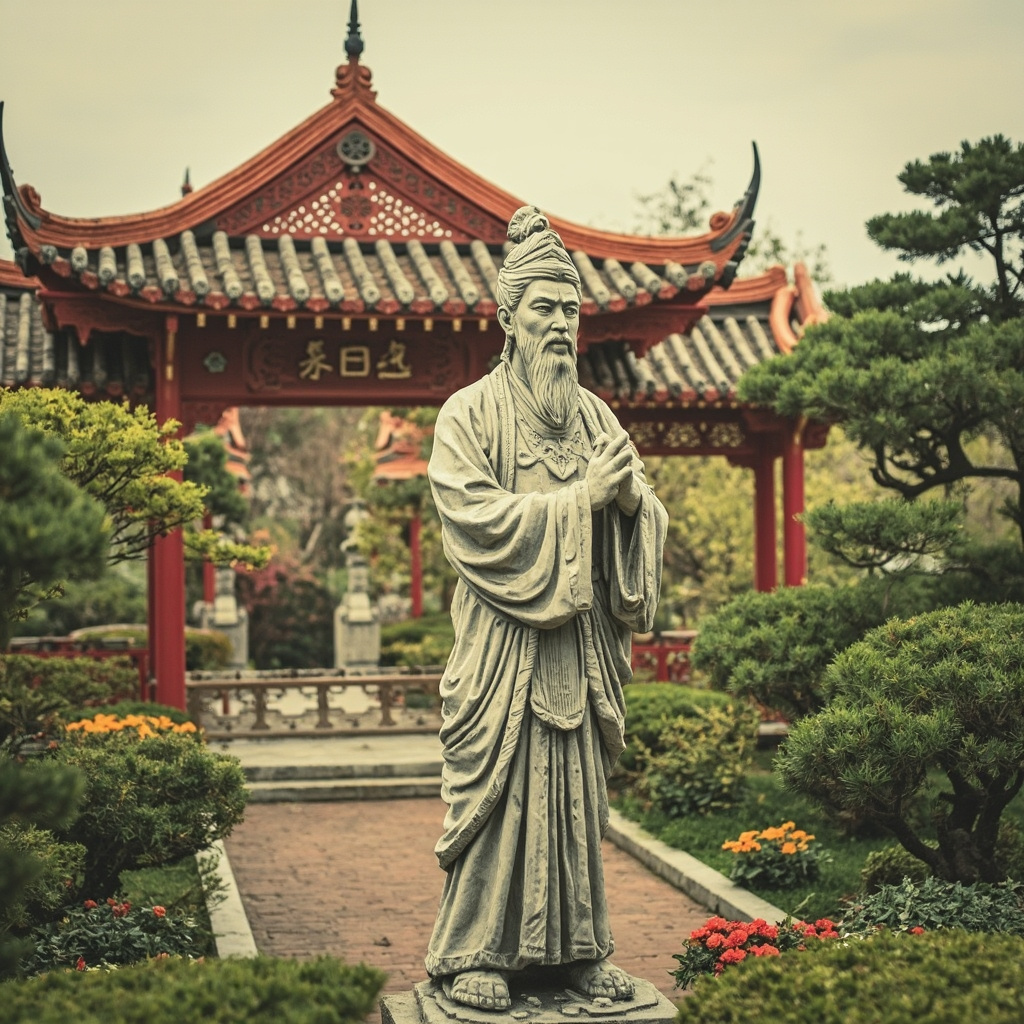
Confucius observed this and turned it into philosophy. He taught that the individual exists within relationships. You are a son before you are yourself. You are a father before you are an individual. Your identity comes from your role in the group.
This was not oppression. This was how societies survived in ancient China.
## The Family First Principle
Here is what foreigners do not understand: for us, family comes before self.
When I got a job offer in another city, my first question was not “is this good for me?” My first question was “what do my parents think?”
This is not weakness. This is how we are raised.
My parents sacrificed everything for me. Their dreams became my education. Their savings became my future. How can I now make decisions ignoring them?
In Western cultures, the independent individual is the goal. In Chinese culture, the connected family member is the goal. Different values. Both have merit.
## Why We Think in Groups
Here is the practical reason: groups accomplish more than individuals.
China built the Great Wall as a collective project. Egypt built the pyramids collectively. Most great achievements in human history were group efforts.
But in modern China, this is amplified. We built the world’s largest high-speed rail network. We lifted 800 million people out of poverty. We did this through collective effort, coordinated planning, group discipline.
Could individuals have done this? No. It required the state, the society, the collective working together.
## The Harmony Argument
Here is something foreigners call suppression: we value harmony.
Harmony means keeping the group intact. It means not causing trouble. It means not standing out too much.
Foreigners call this conformity. We call it courtesy.
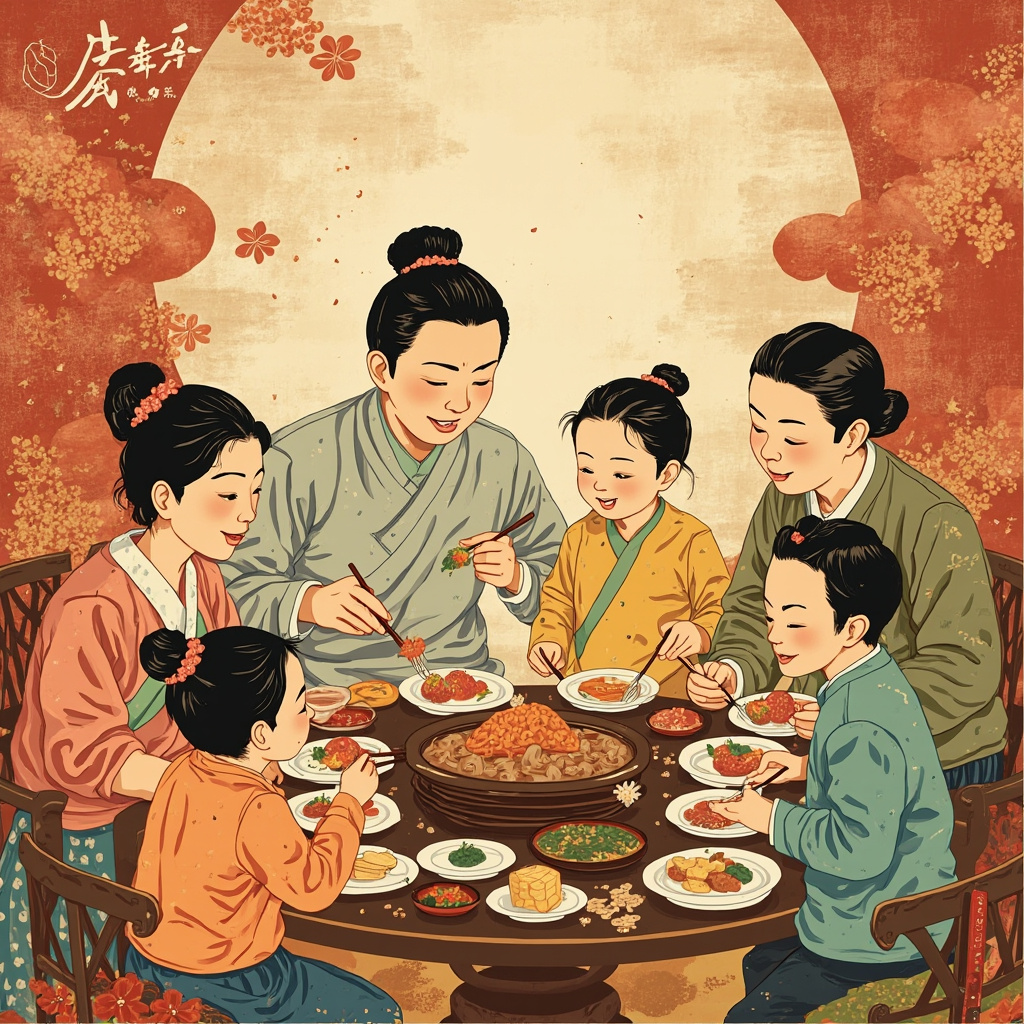
In my family, we do not argue at the dinner table. We discuss. We negotiate. We find consensus. This is not suppression. This is how we maintain relationships.
When my uncle says something I disagree with, I do not argue. I find a gentle way to suggest another perspective. This is not weakness. This is respect.
## The Individual Within the Group
I will not pretend this is simple.
Sometimes collectivism means sacrificing personal dreams. Sometimes it means putting family needs above your own happiness. Sometimes it means choosing the group over yourself.
Some of my friends压抑 their own desires to satisfy their parents. Some of us stay in jobs we hate because leaving would disappoint the family. Some of us marry people we do not love because our parents approve.
This is the cost of collectivism.
But here is what foreigners miss: we also gain. We have support when we fall. We have family when we are sick. We have community when we are lost. We are never truly alone.
## Why We Do Not Stand Out
Here is another thing foreigners notice: we do not stand out unnecessarily.
When I was in school, the students who stood out were punished. Not physically. Socially. They were called show-offs. They were excluded.
This is not oppression. This is group protection. In a society where the group provides everything, you must stay connected to the group. Standing out risks disconnection. Disconnection risks vulnerability.
In China, being normal is safe. Being different is risky. We choose safe.
## The Modern Tension
Young Chinese today are pushing back. We want personal happiness. We want to choose our own careers. We want to marry for love, not family arrangement.
But even when we push back, we often end up fulfilling collectivist roles. Because the culture is deep. Because family expectations do not disappear overnight.
I know people who moved abroad specifically to escape collectivist pressure. And then they married someone their parents approved of anyway. The culture follows.
## The Truth
So why is collectivism so important in Chinese culture?
Because it kept us alive for thousands of years. Because family provided security when the state could not. Because groups survived when individuals did not.
Because we learned that together we are stronger than alone.

The next time someone asks you why Chinese people think in groups instead of as individuals, tell them: because for thousands of years, the group was the only thing standing between survival and death. Because we learned that caring for each other is not weakness. It is how we survived.
And tell them this too: the next time you are sick, or lost, or in trouble, who will help you? In China, the answer is clear. Family. Friends. The community. We are never alone.
That is why collectivism matters.
