Why Is Hanfu Making a Comeback in China?
Why Is Hanfu Making a Comeback in China?
Let me tell you about something happening on the streets of Beijing, Shanghai, and every Chinese city.
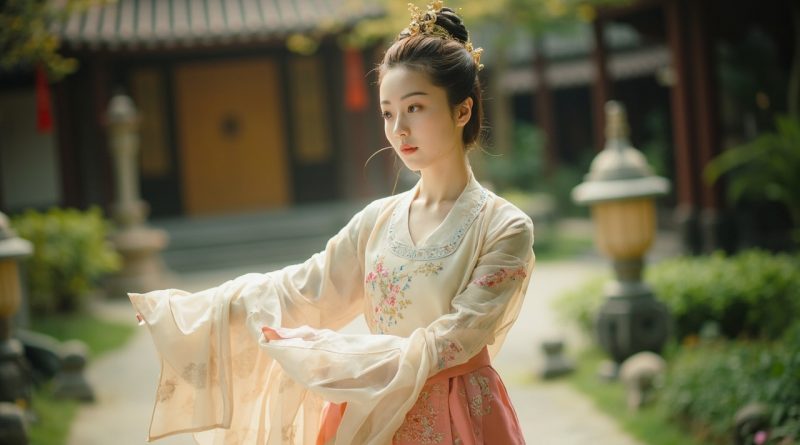
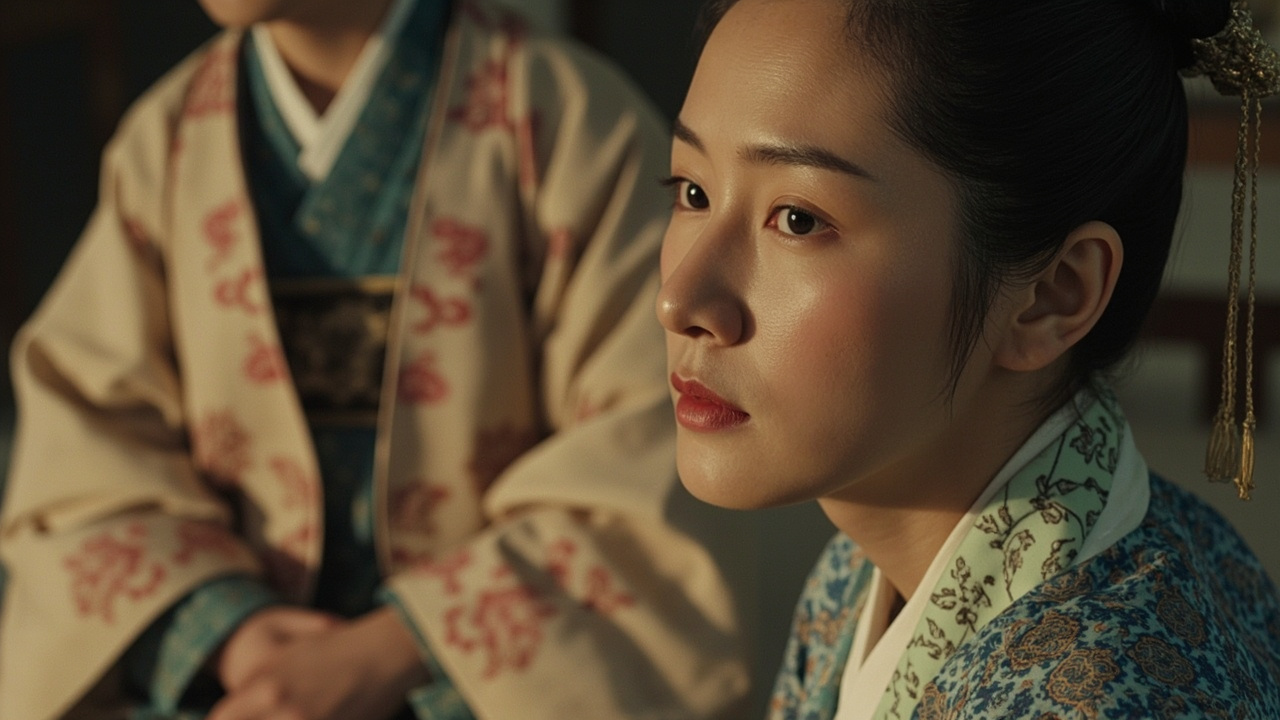
Walk through any ancient town and you will see them: young people in flowing robes, wide sleeves, and intricate embroidery. They move through crowds in clothing that looks like it belongs in a museum. But they are not actors. They are not performers. They are ordinary people wearing hanfu.
And they are everywhere.
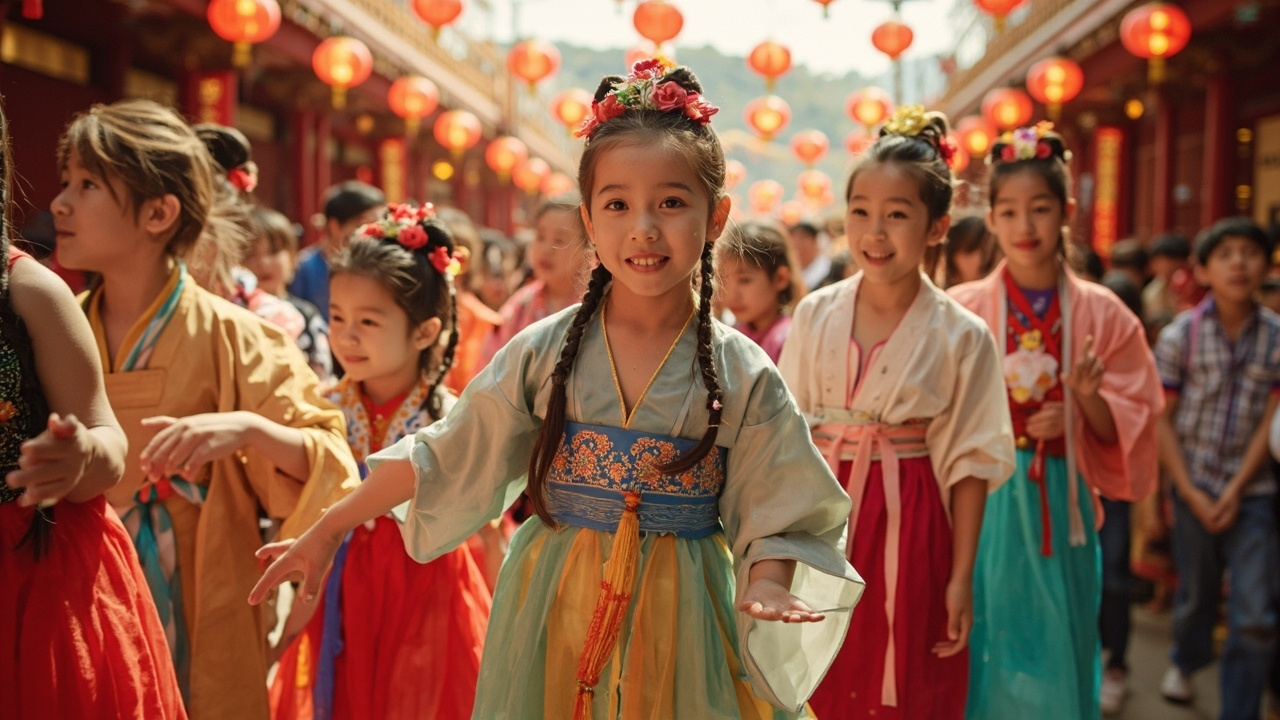
On any given weekend, millions of young Chinese people put on traditional Han dynasty clothing and go to parks, temples, and festivals. They take photographs. They share on social media. They practice ancient rituals. They learn traditional dances.
Foreigners see this and ask: why? Why are young people obsessed with clothing from thousands of years ago?
Let me explain.
## What Exactly Is Hanfu?
Here is the first thing to understand: hanfu is not just any traditional Chinese clothing.
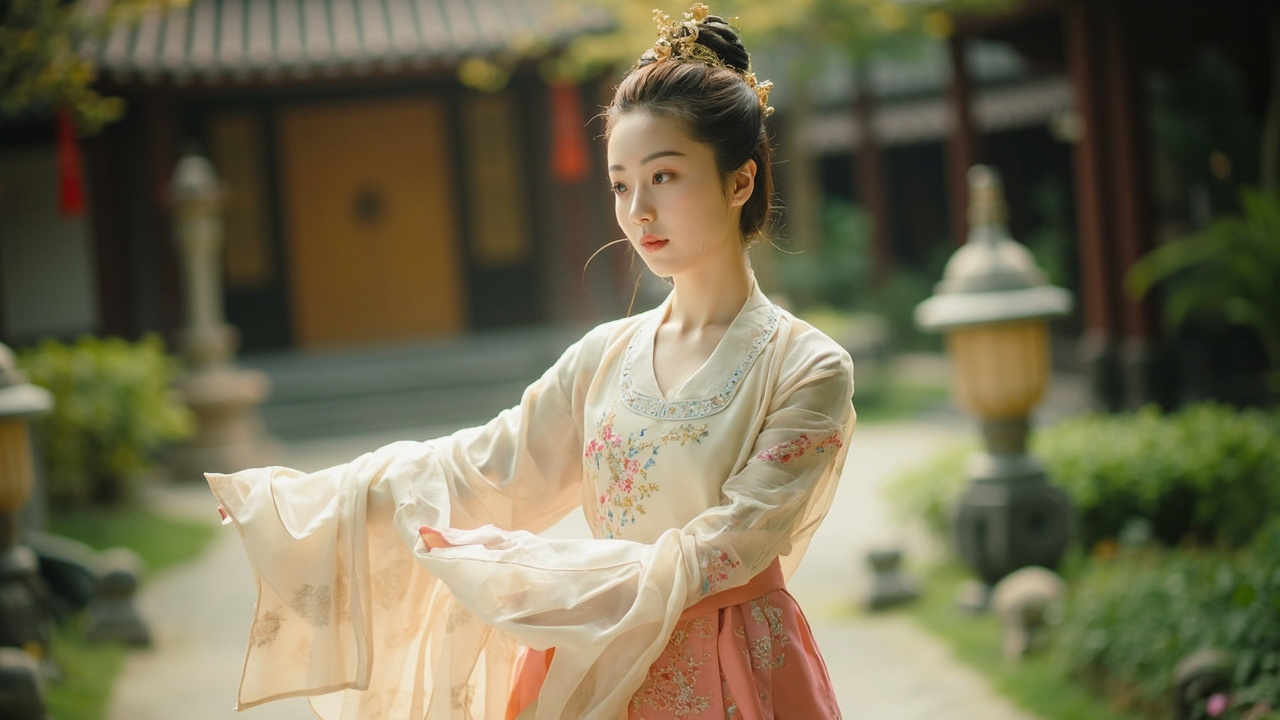
Hanfu specifically refers to the clothing of the Han dynasty, which existed over 2,000 years ago. It is characterized by flowing robes, crossed collars, wide sleeves, and belts tied in specific ways. It is distinct from the clothing of later dynasties.
Foreigners often confuse hanfu with other Asian traditional clothing. They might think of Japanese kimono or Korean hanbok. But hanfu is different. It is older. It has wider sleeves. It wraps differently. The philosophy behind it is different.
One Reddit user tried hanfu and noted: “It is neat but not very practical.” This is the honest truth. Hanfu is beautiful. It is also cumbersome for modern life. The sleeves drag. The robes tangle. The belts come undone.
But that does not stop millions of young Chinese people from wearing it anyway.
## The Historical Context
Here is what makes hanfu complicated: for most of modern history, Chinese people did not wear it.
The Qing dynasty, which ruled from 1644 to 1912, replaced Han clothing with Manchu-style clothing. When the Republic of China was founded, Western clothing became the norm. For 300 years, hanfu was relegated to museums, operas, and art.
It existed in historical dramas. It existed in paintings. But nobody actually wore it in daily life.
Until recently.
The hanfu revival movement started around 2003. A small group of enthusiasts began making and wearing hanfu. They were called “hanfu enthusiasts” or hanfu pai. At first, people laughed at them. They were seen as weird, as overly nationalistic, as playing dress-up.
Then something changed.
## The Television Effect
Here is what nobody expected: Chinese television dramas revived hanfu.
Shows like “The Legend of Zhen Huan” (which we covered in another article) made traditional Chinese aesthetics cool. Then came “The Story of Yanxi Palace.” Then “The Untamed.” Then “Eternal Love.”
Each show introduced millions of viewers to beautiful traditional clothing. The flowing robes. The ornate hairpins. The layered silk.
Foreign audiences fell in love with these shows. They started asking questions. They started researching. They started caring about authenticity.
And young Chinese people who grew up watching these shows started wanting to wear the clothing they saw on screen.
One Reddit user wrote: “Prior to The Untamed, most Chinese dramas weren’t as popular to those outside of China or the Chinese diaspora.” The show sparked global interest in Chinese aesthetics. And that interest came back to China with force.
## The Social Media Explosion
Here is what truly ignited the hanfu movement: TikTok and social media.
Hanfu is visual. It moves beautifully on camera. It photographs well. It creates stunning content. This made it perfect for short-video platforms.
Suddenly, everyone was watching hanfu videos. Girls learning how to put on hanfu correctly. Boys practicing traditional poses. Entire communities forming online to share tips and discuss history.
The hanfu community on Chinese social media exploded. Hashtags related to hanfu got billions of views. Online stores selling hanfu got millions of followers.
What started as a niche hobby became a mainstream phenomenon.
## The Cultural Pride Angle
Here is the deeper reason: hanfu represents something larger than fashion.
Young Chinese people today are different from previous generations. They grew up in a wealthy, powerful China. They did not experience the poverty their grandparents knew. They did not experience the humiliation their great-grandparents lived through.
They feel proud of their country. They want to express that pride. Hanfu is a way to do that.
When a young person wears hanfu, they are saying: our culture is beautiful. Our history is worth preserving. We are not ashamed of being Chinese. We are celebrating it.
This is different from previous generations, who sometimes saw traditional culture as backward. The new generation sees it as cool.
## The Data Tells the Story
Here is what the numbers show: the hanfu industry is massive.
In Caoxian County, Shandong Province, the hanfu industry generated 12 billion yuan in sales in 2024. That is approximately $1.7 billion. Caoxian produces over 50% of all hanfu sold in China. It has nearly 10,000 hanfu-related businesses. It employs almost 100,000 people.
These numbers are staggering for a single county producing traditional clothing.
The industry has grown from nothing to billions in just over a decade. And it shows no signs of slowing down.
## The Controversy Within the Movement
Here is what surprises foreigners: hanfu enthusiasts fight constantly about what is authentic.
One Reddit user noted: “A thousand people have a thousand different views of the hanfu and the purpose of the movement.”
Some say only clothing from specific historical periods counts as hanfu. Others say modern interpretations are fine. Some care deeply about getting every detail right. Others prioritize beauty over historical accuracy.
There are debates about hair accessories. Debates about footwear. Debates about undergarments. Debates about whether you can wear hanfu with modern shoes.
This might sound exhausting. But it is actually a sign of health. It means people care enough to argue. It means the movement is taking culture seriously.
## The Modern Adaptation
Here is what makes hanfu practical for today: it adapts.
Modern hanfu often has hidden zippers. It uses easier-to-maintain fabrics. It adjusts cuts for better mobility. Designers balance historical accuracy with modern comfort.
Some hanfu brands are purely traditional. Others blend ancient styles with contemporary fashion. Both are popular. Both have their audiences.
This flexibility is why hanfu survived. It did not stay frozen in time. It evolved.
## The Global Expansion
Here is what is spreading beyond China: hanfu is going global.
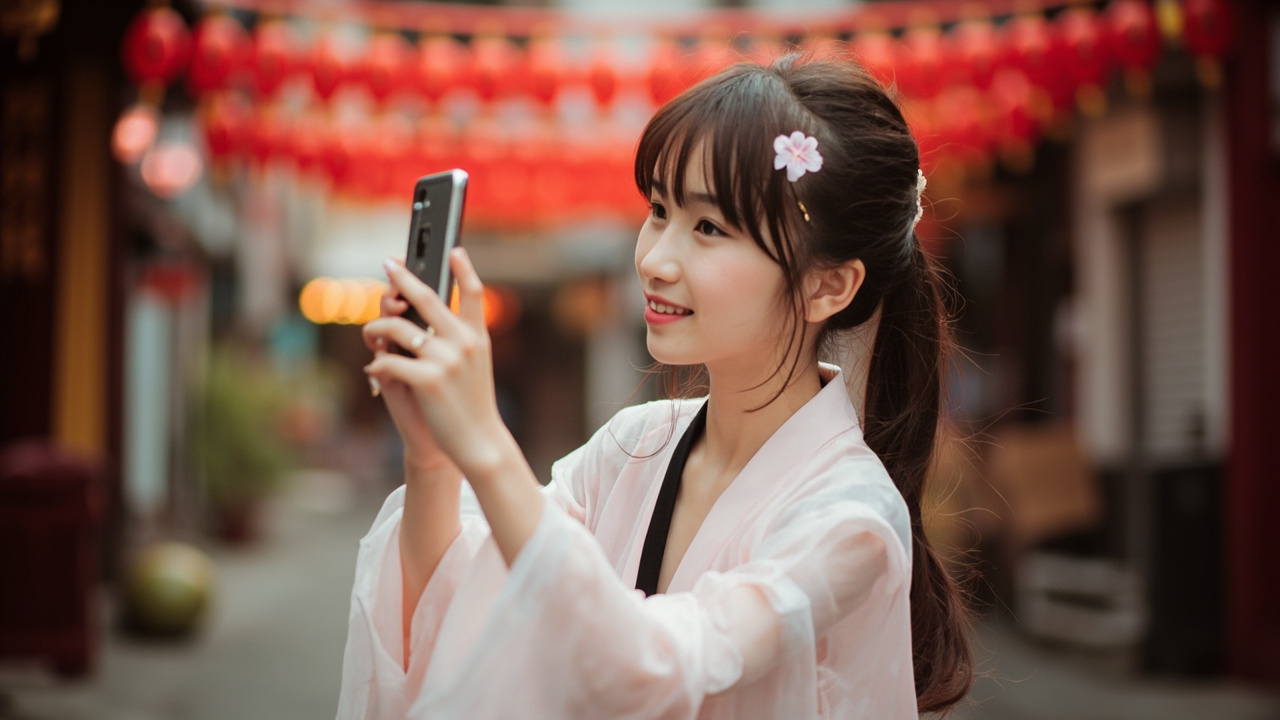
Chinese diaspora communities around the world have embraced hanfu. In America, in Europe, in Southeast Asia, in Australia, young people of Chinese descent are wearing hanfu to express their heritage.
Some non-Chinese people have also started wearing hanfu. They are drawn to the aesthetics. They appreciate the craftsmanship. They enjoy the experience of wearing something so historically rich.
Hanfu has appeared at international fashion events. It has been featured in global media. It has become part of the worldwide conversation about traditional clothing and cultural identity.
## The Deeper Meaning
Here is what the hanfu movement really represents: a shift in how Chinese people see themselves.
For decades, many Chinese people believed foreign was better. Western clothing was modern. Western brands were prestigious. Chinese tradition was old-fashioned.
That belief is dying.
The hanfu movement is part of a larger cultural shift. Chinese people are finding pride in their own history. They are rejecting the idea that everything good comes from abroad. They are saying: our ancestors made beautiful things. We should celebrate them.
This shift is visible in many areas. In the popularity of traditional Chinese medicine. In the rise of Chinese philosophy. In the enthusiasm for ancient arts like guqin and calligraphy.
Hanfu is at the forefront of this movement. It is visible. It is beautiful. It is impossible to ignore.
## The Future
Here is what is next for hanfu: it will keep growing.
Every year, more young people join the movement. Every year, the industry gets more sophisticated. Every year, hanfu becomes more normalized in Chinese society.
Some hanfu enthusiasts wear it every day. Others save it for special occasions. Both are valid. Both are welcome.
The movement has already changed Chinese fashion. It has already influenced global perceptions of Chinese aesthetics. It has already created a massive industry.
And it is only getting started.
## The Truth
So why is hanfu making a comeback in China?
Because television dramas made traditional aesthetics cool. Because social media let enthusiasts share their passion. Because young Chinese people are proud of their culture and want to express it. Because hanfu is beautiful, historical, and deeply meaningful.
Because in a country that spent decades chasing the modern and the foreign, millions of young people are saying: we also have something worth celebrating.
The next time you see a young person in flowing robes and wide sleeves, do not see costume. See culture. See identity. See a civilization rediscovering its past.
See the hanfu movement. And understand: this is not nostalgia. This is pride.
